
Why Do Modern Structural Designs Specify Neoprene Bearing Pads for Load Transfer?
Article content and related resources
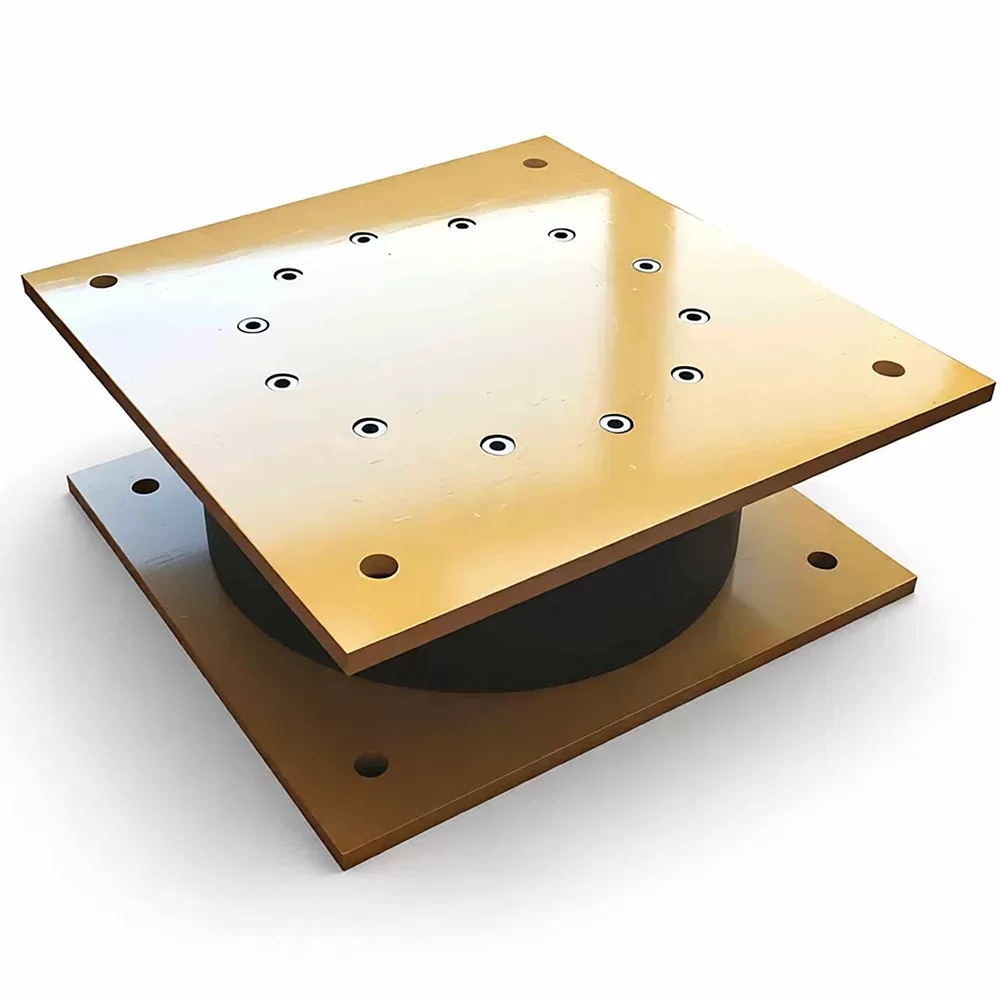
Modern civil infrastructure demands robust components capable of managing intense physical forces over decades of operational service. Bridges, overpasses, and heavy industrial buildings are subjected to continuous environmental and physical changes, including thermal expansion, concrete shrinkage, creep, and seismic activity. Without an effective mechanism to absorb and transfer these movements, structural components would suffer from severe overstressing, cracking, and premature failure. Elastomeric bearings, specifically neoprene bearing pads, serve as the primary interface to accommodate these complex structural displacements.
As a specialized manufacturer of structural components, KINGWORK designs and produces these elastomeric elements to meet rigorous global standards. Understanding the engineering parameters, material compounding, and physical behavior of these pads is necessary for structural designers and procurement officers who seek long-term structural integrity.
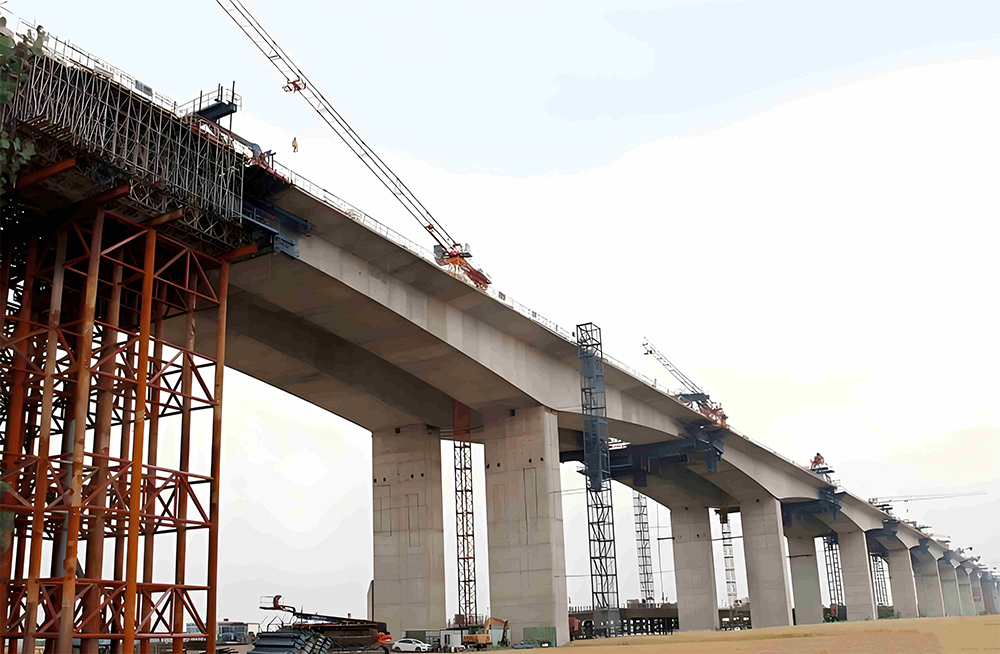
Understanding Elastomeric Material Properties
The choice of elastomer is the first decision in the design of structural bearing systems. Chloroprene, commonly known as neoprene, is a synthetic rubber polymer widely preferred in civil engineering due to its balanced physical characteristics. Compared to natural rubber, neoprene exhibits superior resistance to environmental degradation, oil, and ozone exposure, making it suitable for exposed bridge abutments and coastal environments.
From an engineering perspective, several mechanical properties govern the performance of neoprene bearing pads:
Durometer Hardness: Typically specified between 50 and 70 Shore A. A lower durometer provides greater flexibility but lower compressive strength, while a higher durometer increases vertical stiffness at the expense of rotational capacity.
Shear Modulus (G): This is the single most important parameter for calculating horizontal stiffness. At room temperature, the shear modulus of standard compounds ranges from 0.8 MPa to 1.2 MPa, depending on the durometer rating.
Low-Temperature Resistance: Neoprene is prone to crystallization under prolonged exposure to low temperatures, which increases its stiffness. Correct compounding with specific plasticizers is required to ensure the elastomer remains flexible in colder climates.
Ozone and Weathering Resistance: The molecular structure of chloroprene resists oxidation, preventing surface cracking under continuous exposure to sunlight and atmospheric ozone.
KINGWORK utilizes advanced compounding techniques to ensure the raw elastomer meets the precise requirements of ASTM D2240, ASTM D412, and international equivalents. This strict control over raw material formulation guarantees consistent performance across varying thermal cycles.
Structural Mechanics of Neoprene Bearing Pads
The operational philosophy of these components rests on their ability to behave as high-capacity springs. They are designed to be stiff in the vertical direction to support massive dead and live loads, yet flexible in the horizontal direction to allow lateral movement and rotation.
Load Transfer and Shear Deformation
When a bridge deck expands due to summer heat, it translates horizontally relative to the supporting pier. The neoprene bearing pads accommodate this movement through shear strain. The horizontal force transmitted to the pier is directly proportional to the shear modulus of the elastomer, the plan area of the pad, and the magnitude of the displacement, while being inversely proportional to the total elastomer thickness.
Rotational capacity is equally important. As traffic passes over a bridge girder, the girder deflects, causing a slight angle change at the support. The pad must absorb this rotation without lift-off or localized stress concentration that could damage the concrete seat.
Plain vs. Steel-Reinforced Bearings
Structural requirements dictate whether a plain elastomeric pad or a laminated, steel-reinforced bearing is appropriate:
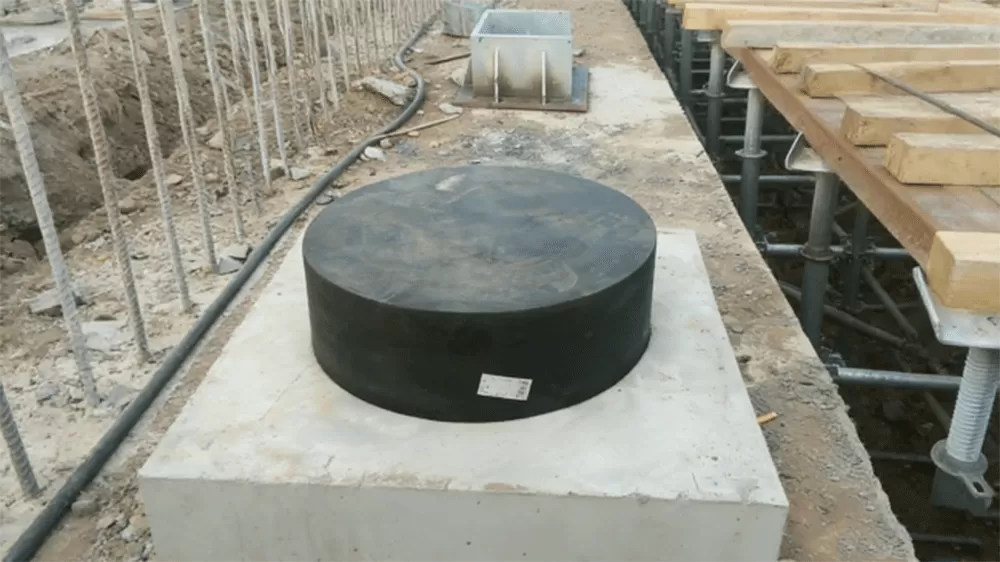
Plain Elastomeric Pads (PEP): These consist of solid neoprene without internal reinforcement. They are typically used for shorter span bridges, precast concrete structures, or industrial buildings where vertical loads and displacements are relatively light. Under load, plain pads bulge outwards easily, which limits their compressive capacity.
Laminated Elastomeric Bearings: For high-load applications, thin steel shims are vulcanized between layers of neoprene. These steel plates restrict the lateral bulging of the rubber, which increases the compressive stiffness of the assembly by several orders of magnitude. The horizontal shear stiffness remains unaffected, allowing the pad to support heavy vertical loads while still accommodating large horizontal movements.
The design of these reinforced components relies heavily on the shape factor, which is the ratio of the loaded area to the perimeter area free to bulge. A higher shape factor correlates to higher compressive strength and less vertical deflection.
Design Standards and Compliance Frameworks
Specifying these structural elements requires strict adherence to international design codes. Engineers must ensure the selected components comply with regional regulations to guarantee safety and performance.
In North America, the AASHTO LRFD Bridge Design Specifications govern the design. Method A is used for simpler applications with conservative stress limits, while Method B allows for higher compressive stresses but requires more detailed testing and material qualification. In Europe, the EN 1337-3 standard dictates the performance criteria, design rules, and testing methods for elastomeric bearings. Both standards specify strict tolerances for dimension, steel plate alignment, and elastomer-to-steel bond strength.
To ensure compliance, manufacturers must perform rigorous quality control testing, including:
Compression Stiffness Tests: Verifying that the vertical deformation under design loads falls within the calculated limits.
Shear Stiffness Tests: Confirming the shear modulus of the cured neoprene at different temperatures.
Bond Strength Tests: Performing peel tests to verify that the adhesive bond between the steel shims and the neoprene exceeds the shear strength of the elastomer itself.
KINGWORK maintains a fully equipped testing laboratory to execute these examinations, providing customers with certified test reports for each production batch.
Addressing Structural Pain Points and Failure Modes
Inadequate design, substandard manufacturing, or improper installation can lead to bearing failures that compromise the entire bridge structure. Identifying these issues early is vital for maintenance engineers.
Slippage and Walking
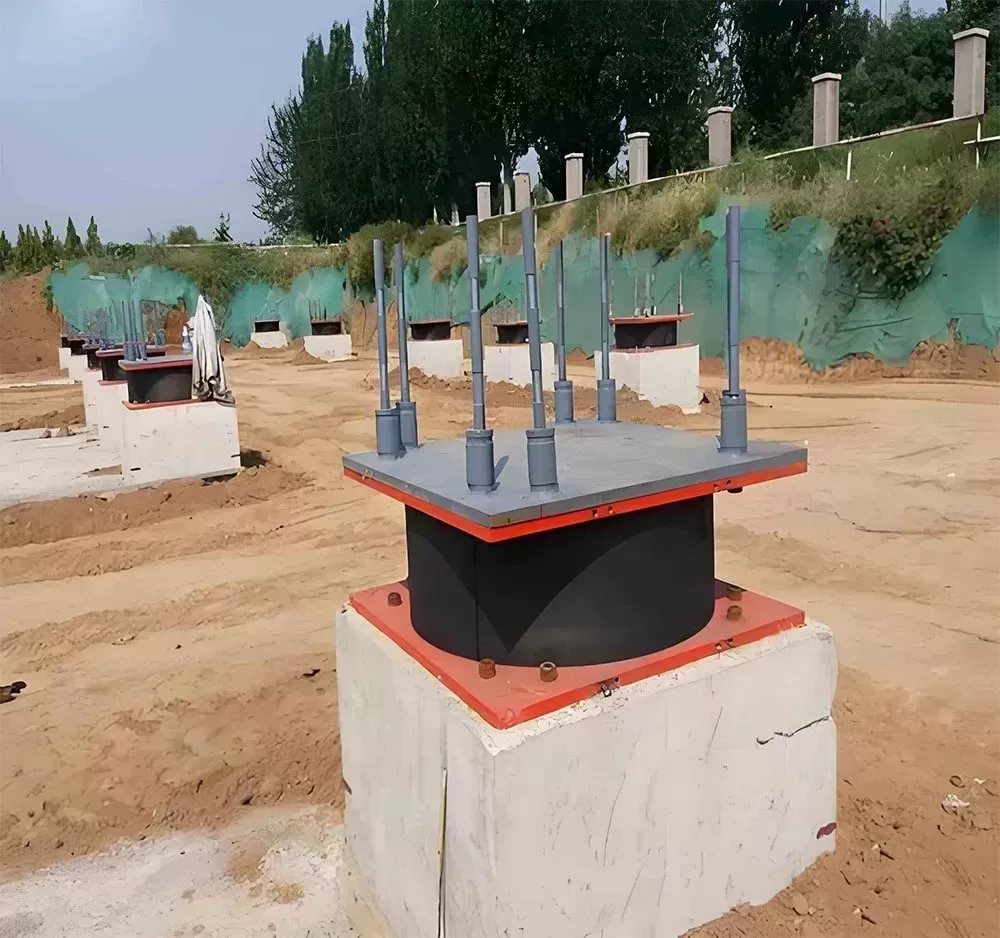
Unanchored elastomeric pads rely on friction to remain in position. If the vertical dead load is too low, or if the shear deformation exceeds the slip limit, the pad can "walk" out from under the girder. To mitigate this issue, engineers can specify sole plates with shear pins, vulcanized external steel plates, or high-friction surface treatments. KINGWORK offers custom-tailored anchoring systems designed to secure the bearings under low-gravity-load conditions.
Delamination and Edge Cracking
Delamination occurs when the bond between the steel shims and the neoprene fails, causing the rubber layers to separate under shear stress. This is often the result of poor surface preparation of the steel plates during the manufacturing process. Sandblasting and chemical adhesive application must be executed with extreme care. Edge cracking can also develop if the bearing is subjected to excessive rotation that exceeds its capacity, leading to tension at the outer edges of the rubber.
Crystallization and Thermal Hardening
In extremely cold regions, standard neoprene can lose its elastic properties and become stiff and brittle. When this happens, the pad can no longer accommodate shear movements, passing excessive forces directly to the concrete piers. Specifying low-temperature grades of elastomer, such as Grade 3, 4, or 5 according to ASTM standards, prevents this crystallization and maintains low-temperature flexibility.
Installation and Long-Term Maintenance
Even a perfectly manufactured bearing pad will fail if installed incorrectly. The installation process requires attention to physical tolerances and environmental conditions:
Surface Preparation: The concrete bearing seat must be level, smooth, and free of voids. Any surface irregularities can cause localized pressure points, leading to premature tearing of the elastomer. Epoxy grout is commonly used to create a flat, level pedestal.
Alignment: The bearing must be aligned parallel to the direction of structural movement. Misalignment introduces biaxial shear stresses that the pad may not be designed to handle.
Temperature Offsets: During installation, the ambient temperature must be noted. If the temperature is significantly higher or lower than the mean annual temperature, the bearing may need to be preset with a temporary offset to account for subsequent thermal contraction or expansion.
Routine inspections should be conducted annually. Inspectors should check for signs of excessive bulging, horizontal offset exceeding design limits, surface cracking, and separation from the concrete seat. Minor cosmetic cracking is common over time, but deep tears or exposed steel shims require immediate remediation or replacement of the bearing unit.
Engineering Inquiries and Procurement Specifications
Selecting the appropriate neoprene bearing pads requires a collaborative approach between structural designers and the manufacturer. When initiating a project, procurement departments should prepare a comprehensive data sheet outlining the operational requirements. This allows the engineering team to optimize the compounding and layer configuration of the pads.
To assist in providing an accurate quotation and engineering evaluation, please prepare the following parameters for your inquiry:
Maximum dead load and live load (vertical capacity).
Expected horizontal movement in longitudinal and transverse directions.
Maximum rotation angle under live load deflection.
Ambient temperature range of the project site (minimum and maximum values).
Applicable design standard (e.g., AASHTO, EN 1337-3, or country-specific codes).
Dimensional constraints of the concrete pedestal or girder flange.
KINGWORK provides comprehensive engineering support to help you navigate these specifications, ensuring the supplied components match your structural calculations exactly. Please reach out to our design and sales team to discuss your project requirements, request a quotation, or obtain detailed material data sheets.
Frequently Asked Questions
Q1: What is the average design life of a laminated neoprene bearing pad?
A1: Under normal operational conditions, a high-quality laminated elastomeric bearing manufactured to international standards has a design life of 30 to 50 years. The longevity depends heavily on the accuracy of the initial design, the quality of the compounding, and the installation environment.
Q2: Can neoprene bearing pads be used in steel girder bridges as well as concrete bridges?
A2: Yes, they are highly compatible with both structural types. For steel girder bridges, vulcanized sole plates with threaded studs are often used to bolt the bearing directly to the bottom flange of the steel girder, facilitating smooth shear transfer and preventing slippage.
Q3: How does temperature affect the stiffness of neoprene?
A3: Neoprene stiffens as temperature decreases. At extremely low temperatures, it undergoes physical crystallization, which significantly increases its shear modulus. For projects in cold climates, specific low-temperature grades of neoprene must be specified to maintain adequate flexibility and protect the substructure from high shear forces.
Q4: What is the difference between a plain elastomeric pad and a steel-reinforced bearing pad?
A4: A plain pad is made entirely of elastomer and is limited to lower-load applications because it bulges easily under pressure. A steel-reinforced bearing contains internal steel plates vulcanized to the rubber, which restrict horizontal bulging and allow the pad to support much higher vertical loads without reducing its shear displacement capacity.
Q5: What are the primary indicators that a bearing pad needs replacement?
A5: Primary signs of failure include severe cracking of the elastomer that reaches the internal steel shims, separation of the rubber from the steel plates (delamination), excessive permanent shear deformation that does not return to normal during seasonal temperature changes, or the pad shifting out of its original position.
![Bridge Joint Types: The Complete Engineering Guide [2026 Edition]](https://www.kwbridgebearing.com/storage/non_theme/202606/024.webp)