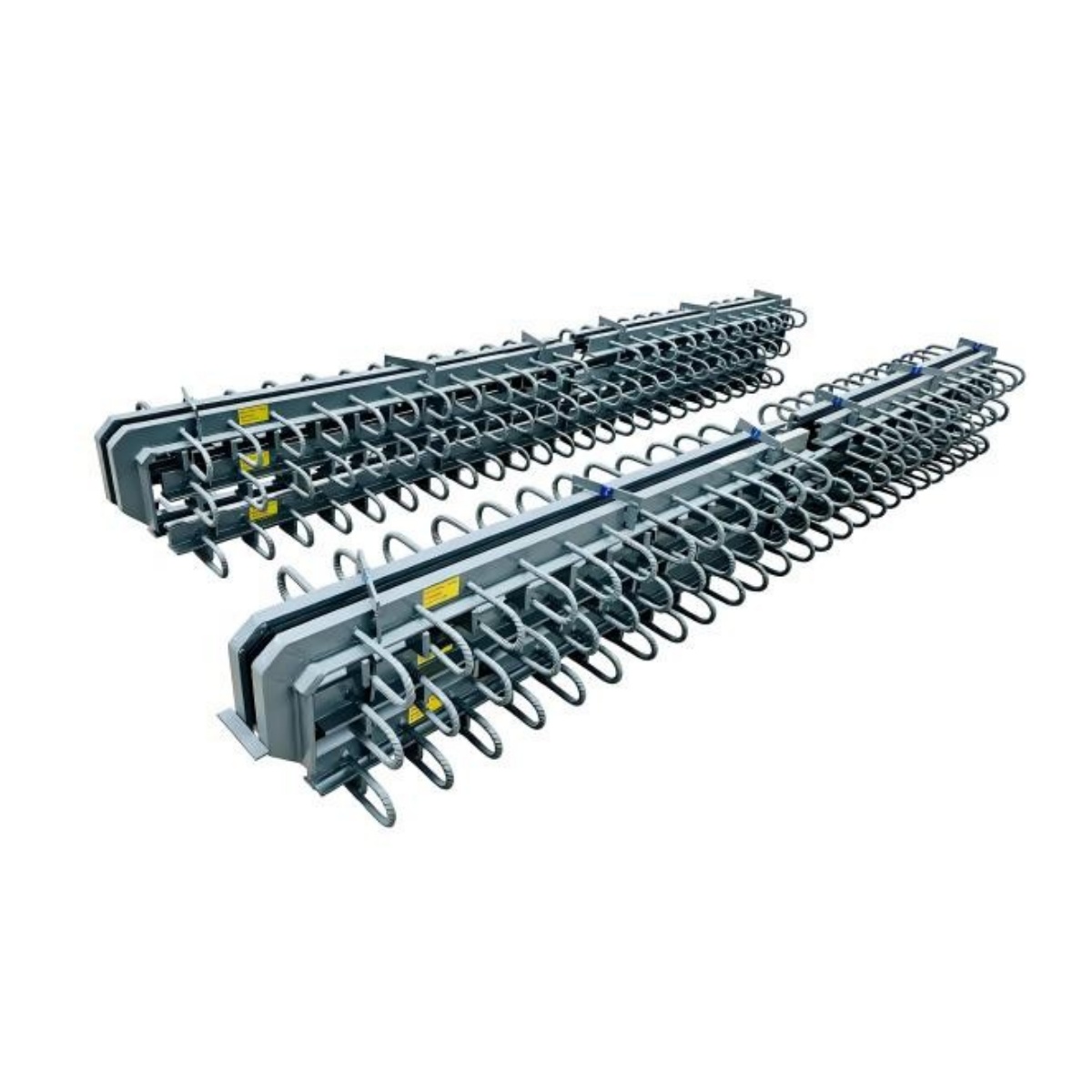
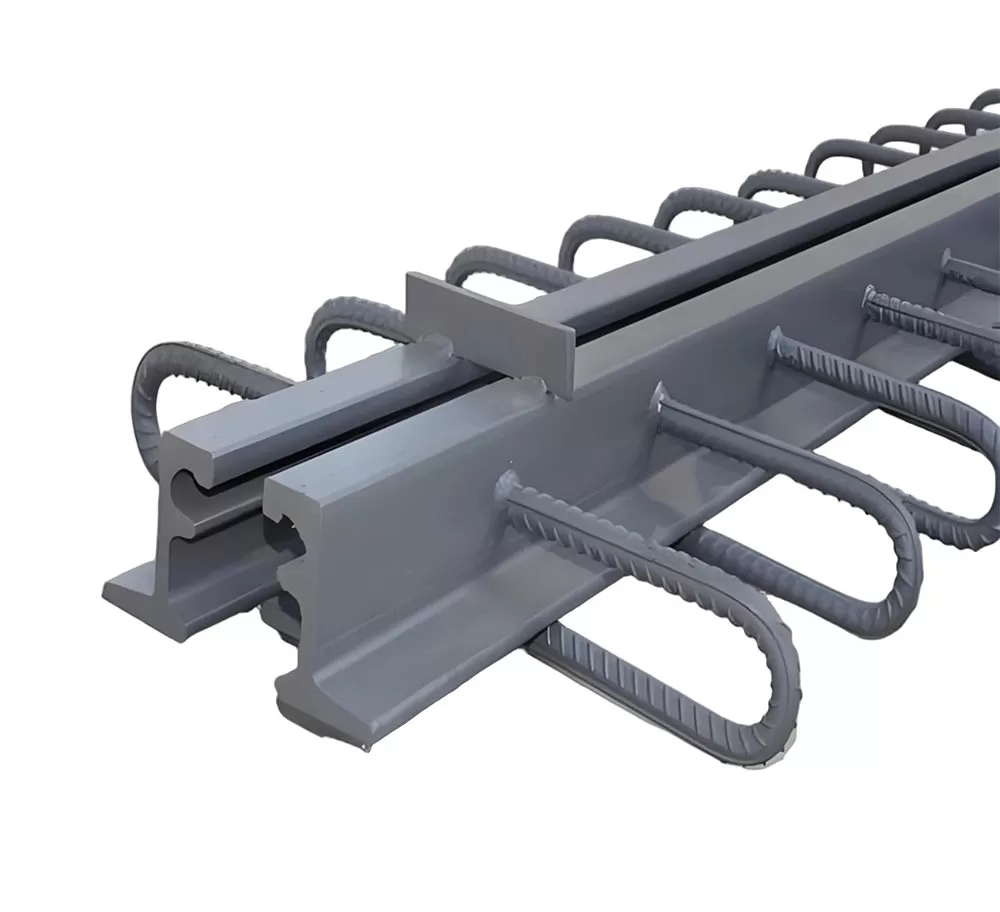
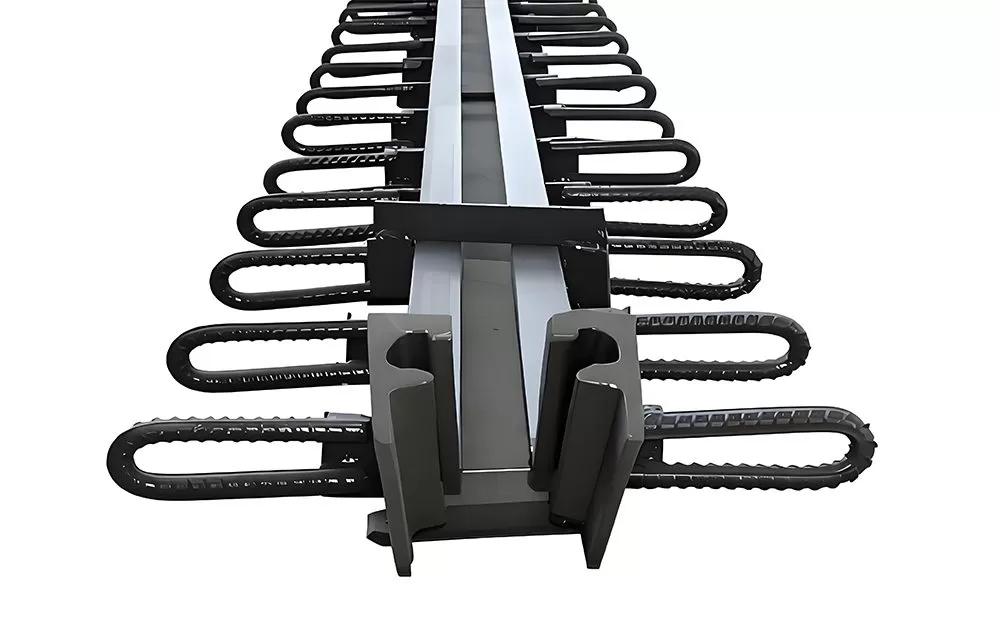
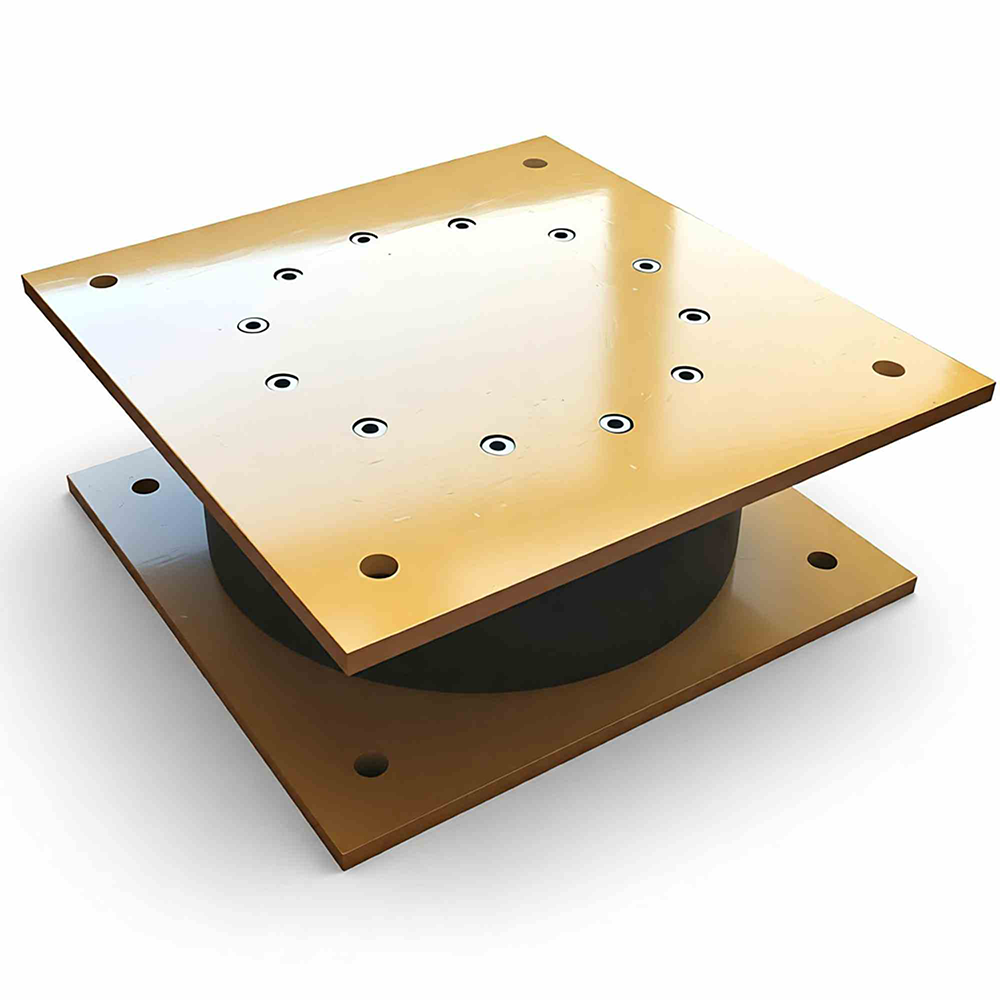
Single Strip Seal Expansion Joint: Key Product Advantages
The Single Strip Seal Expansion Joint represents more than a mere bridge component; it embodies a philosophy of engineered reliability and lifecycle efficiency for modern infrastructure. With a standardized, maximum movement capacity of 100 mm, this product series is meticulously designed to deliver a deterministic outcome: long-term structural protection and operational continuity. Its advantages are not incidental but are the direct result of a holistic design approach that prioritizes durability, performance, and trust at every stage—from specification to decades of service.
Core Series Advantages: The Foundation of Trust
The universal strengths of the series form the bedrock of client confidence, applicable across all applications.
1. Uncompromising, Certified Waterproofing Integrity
The system's primary and non-negotiable advantage is its ability to create a perfect, continuous, and mechanically locked seal. The preformed elastomeric seal is permanently anchored within heavy-duty steel edge beams, forming an impenetrable barrier against water and chloride ingress. This is the most critical function of any expansion joint, as water infiltration is the leading cause of substructure corrosion and decay. By guaranteeing this performance, the joint acts not as a cost item but as a capital asset protector, safeguarding the vastly more expensive piers, abutments, and bearings of the bridge, thereby delivering immense long-term financial and safety value.
2. Standardized Predictability and Specification Confidence
With a unified maximum movement capacity of 100 mm, the series provides exceptional clarity and reliability for engineers and specifiers. This standardization eliminates guesswork and risk. Professionals can specify with absolute certainty that the product will perform within its defined parameters, supported by international certifications (e.g., JT/T 327, AASHTO). This transforms the selection process from a complex comparison of variables into a confident choice for a vast range of standard highway, urban, and railway bridges, significantly streamlining project design and procurement.
3. Engineered for Exceptional Durability and Long Service Life
Every element is selected for endurance. The high-grade chloroprene (Neoprene) or EPDM seal offers superior resistance to ozone, UV radiation, temperature extremes (-40°C to +70°C), and aging. The structural steel edge beams are protected by hot-dip galvanizing or robust multi-layer coating systems. This material science, combined with a robust mechanical design, ensures a minimum design life of 25+ years. This durability translates directly into lower total cost of ownership by drastically reducing the frequency, cost, and traffic disruption associated with maintenance and replacement cycles.
4. Optimal Balance of Performance and Constructability
The series strikes an ideal equilibrium between high performance and practical installation. Its design allows for efficient and straightforward installation compared to more complex modular systems, reducing on-site labor time and potential for error. Simultaneously, it provides a smooth and quiet ride quality, minimizing noise and vibration for road users. This balance makes it the most cost-effective and practical solution for the majority of bridge projects where movement demands do not exceed its capacity, offering premium performance without unnecessary complexity or cost.
The Strategic Value: Building Client Trust Through Proven Performance
These technical advantages collectively build profound trust with all stakeholders in the infrastructure chain:
For Engineers & Specifiers: It provides a reliable, code-compliant tool that minimizes professional liability and ensures design intent is met for decades.
For Contractors & Distributors (Intermediaries): It offers a product with reliable supply, clear installation guidelines, and predictable performance, leading to satisfied clients and repeat business.
For Bridge Owners & Public Agencies (End-Users): It delivers the ultimate peace of mind: a low-maintenance asset that ensures public safety, maximizes infrastructure uptime, and protects public investment through its long, predictable service life.
In summary, the key advantage of the Single Strip Seal Expansion Joint series is its ability to deliver absolute performance certainty within its defined scope. It is the definitive, no-compromise solution for standard bridge movement accommodation. By choosing this system, clients are not just purchasing a product; they are investing in a decades-long guarantee of structural protection, reduced lifecycle costs, and unwavering reliability—a decision that builds enduring trust in the quality and resilience of their infrastructure.
Single Strip Seal Expansion Joint: Installation, Construction & Technical Support
The true performance of a Single Strip Seal Expansion Joint is only realized through correct installation. Our system is engineered not just for superior in-service durability but also for installation efficiency, precision, and repeatability. This focus on constructability transforms a critical structural component from a potential site challenge into a streamlined, predictable construction activity, significantly enhancing project value and client confidence from the outset.
I. Core Installation Philosophy: Precision, Simplicity, and Quality Assurance
The installation methodology is built on three pillars that directly address the primary concerns of contractors and project managers: schedule adherence, cost control, and quality certainty.
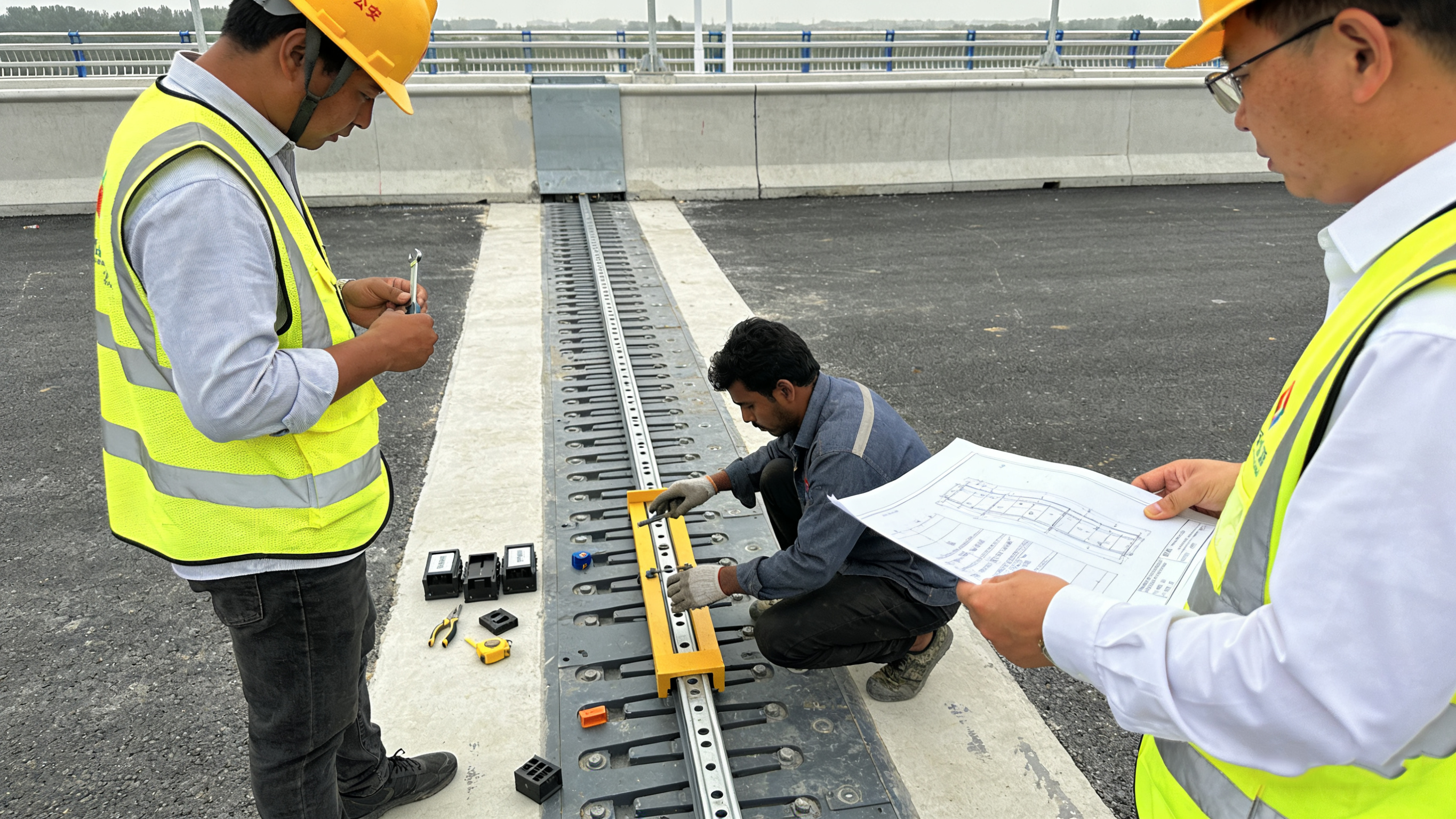
Modular Pre-Assembly & Clear Sequencing: Key sub-components are pre-assembled and pre-aligned in the factory or workshop where possible. This reduces on-site fitting time, minimizes measurement errors in the critical field environment, and allows for a clear, step-by-step installation sequence that crews can follow reliably. The process is designed to integrate seamlessly with standard bridge deck construction phases.
Designed for Tolerances and Adjustability: The system acknowledges real-world site conditions. Design features allow for fine field adjustment during placement to accommodate minor deviations in concrete elevation or alignment. This "forgiving" design prevents costly rework and ensures the joint is installed in its optimal functional position, not just its nominal planned position.
Quality Control at Every Step: The installation procedure incorporates built-in checkpoints—verification of gap width before, during, and after concrete placement; inspection of seal seating; and torque verification for bolted connections. This turns installation into a verifiable quality process, not just an assembly task.
II. Step-by-Step Construction Methodology: A Model of Efficiency
The following streamlined sequence highlights the practical advantages that accelerate construction and ensure longevity.
Phase 1: Preparation & Positioning (The Foundation for Success)
Activity: The pre-assembled steel edge beam units are lowered into place on the bridge deck ends. They are supported on temporary adjustable stools or directly on the formwork.
Key Advantage & Tech Support: Our technical drawings provide precise installation templates and leveling guides. On-site technical support or detailed manuals guide crews in using laser levels or taut wires to achieve perfect alignment and elevation. This step ensures the joint's long-term performance is not compromised from the start.
Phase 2: Integration & Fixing (Creating a Monolithic Connection)
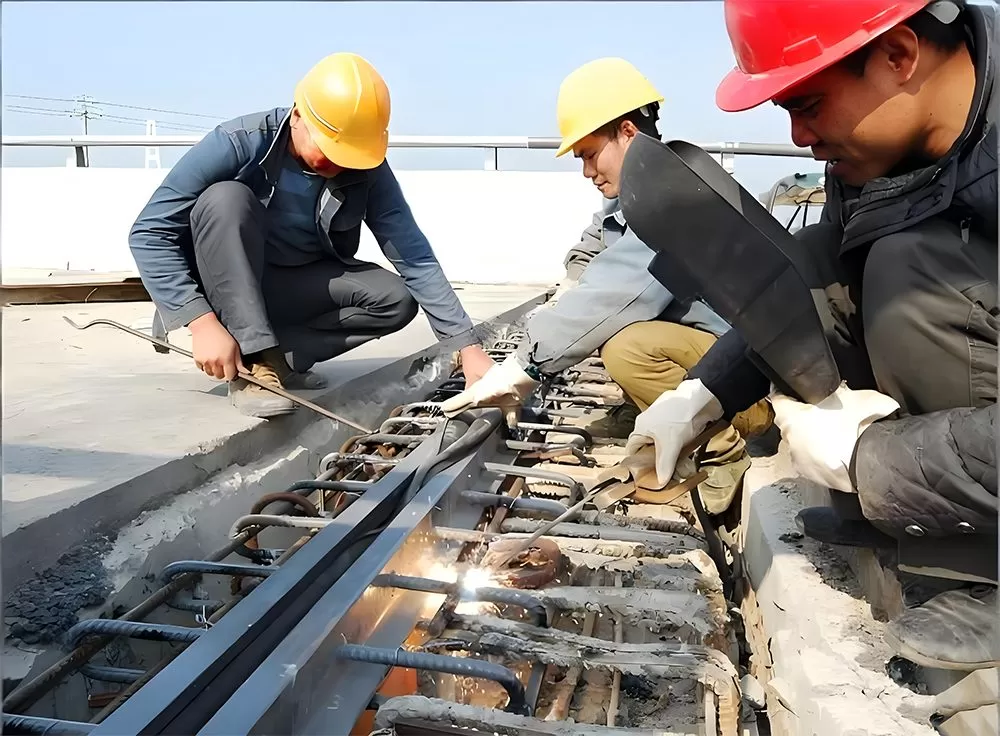
Activity: The edge beams are securely fixed. This involves welding to deck reinforcement or embedded plates, and/or drilling and securing with high-tension anchor bolts.
Key Advantage & Tech Support: The design features pre-drilled holes or clear welding details to expedite this critical interface work. We provide certified welding procedures and bolt torque specifications. Our support can include reviewing contractor connection plans to ensure compatibility and strength.
Phase 3: Concrete Placement & Joint Protection
Activity: High-quality, non-shrink concrete is poured around the edge beams. The crucial installation gap width is maintained using temporary spacers. The elastomeric seal is installed after concrete curing, either by rolling it into pre-lubricated channels or mechanically locking it in place.
Key Advantage & Tech Support: This is where our system's robustness shines. The edge beam acts as a perfect formwork edge, resulting in a clean concrete line. We supply custom gap-setting tools or spacers to guarantee the correct installation gap. Clear instructions protect the seal from damage by construction traffic or contamination during other trades' work.
Phase 4: Final Adjustment & Commissioning
Activity: Removal of temporary spacers, final verification of the joint's movement functionality, and a comprehensive checklist sign-off.
Key Advantage & Tech Support: We provide a project-specific commissioning checklist. Final verification ensures the joint is free to move and is ready for decades of service, giving the owner and engineer a documented handover of a correctly installed system.
III. The Technical Support Ecosystem: Beyond the Product
Our commitment to a successful installation extends far beyond supplying hardware, providing a layered support system that de-risks the entire process.
Pre-Construction Collaboration: We offer pre-installation meetings (virtual or on-site) to walk through the sequence with the site crew and foreman, answering questions before work begins.
Comprehensive Documentation: Each shipment includes not just generic manuals, but project-specific installation drawings marked up with critical elevations, gaps, and notes for that particular bridge.
Responsive On-Call Support: Dedicated technical representatives are available for real-time troubleshooting via phone or digital communication during the critical installation window.
Training & Certification: For distributors and large contractors, we offer training programs on best installation practices, turning their teams into certified experts.
IV. Enhancing Purchase Intention: Translating Installation Ease into Project Benefits
Understanding this installation advantage directly translates into compelling reasons to specify our product:
Schedule Certainty: A predictable, efficient installation sequence protects the critical path. It prevents the joint from becoming a bottleneck, helping projects finish on time.
Cost Predictability: Reduced on-site labor hours, minimized risk of rework, and avoidance of delays lead to direct and indirect cost savings for the contractor, making bids more competitive and projects more profitable.
Risk Mitigation: The structured process and available support dramatically reduce the risk of installation failure—a common and costly issue with expansion joints. This protects the contractor's reputation and the owner's asset.
Performance Guarantee: A correctly installed joint performs as designed. Our support ecosystem ensures this outcome, fulfilling the performance promises made during the specification phase.
In conclusion, the Single Strip Seal Expansion Joint is engineered for lifetime performance through intelligent installation. We provide not just a product, but a verifiable process and a partnership that ensures the component achieves its full potential in the structure. For any stakeholder, this represents a lower-risk, higher-value proposition that transforms a critical construction detail into a straightforward step toward a more durable and reliable bridge.