Products

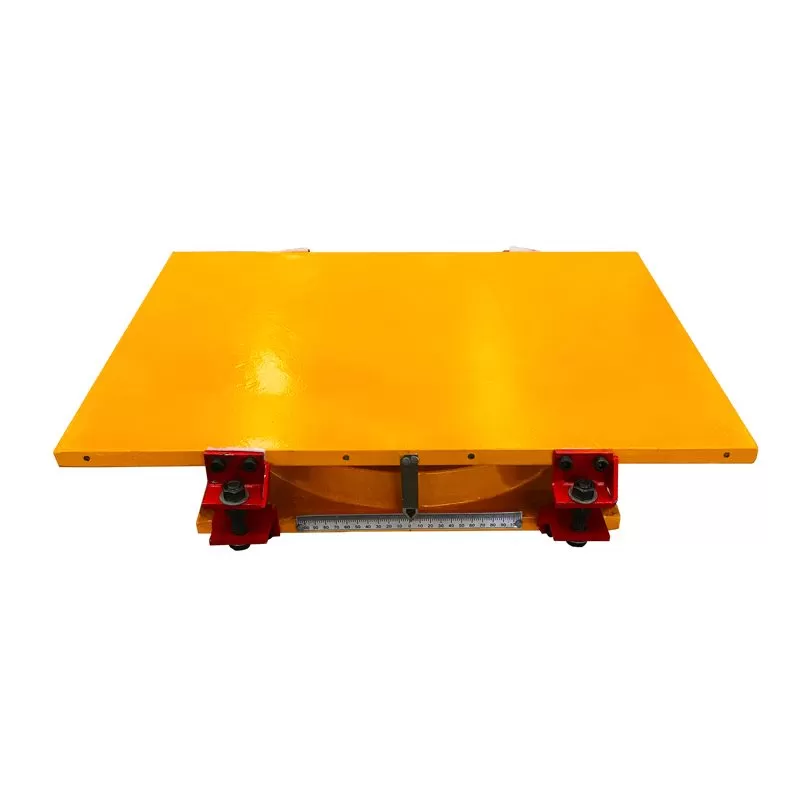
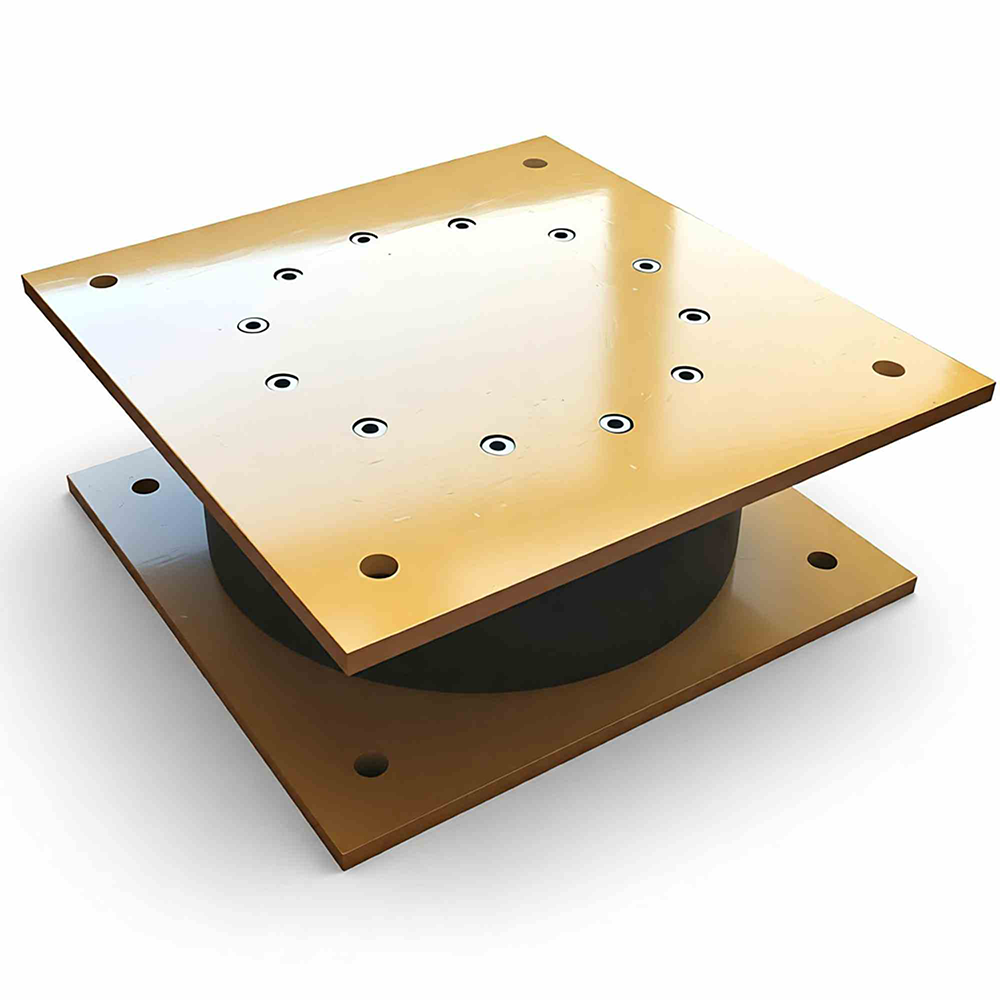
Spherical Bridge Bearing

The Ultimate Solution for Megastructure Load & Multi-Directional Rotation

Combining supreme load capacity with friction-free spherical rotation, these bearings deliver unmatched performance and durability for landmark bridges and seismic-resilient structures, with fully customized engineering for your vision.

WhatsApp: +86 19932366878
Email: info@kingwork.com

Spherical Bearing - Product Overview

Engineering Redefined for Structural Movement

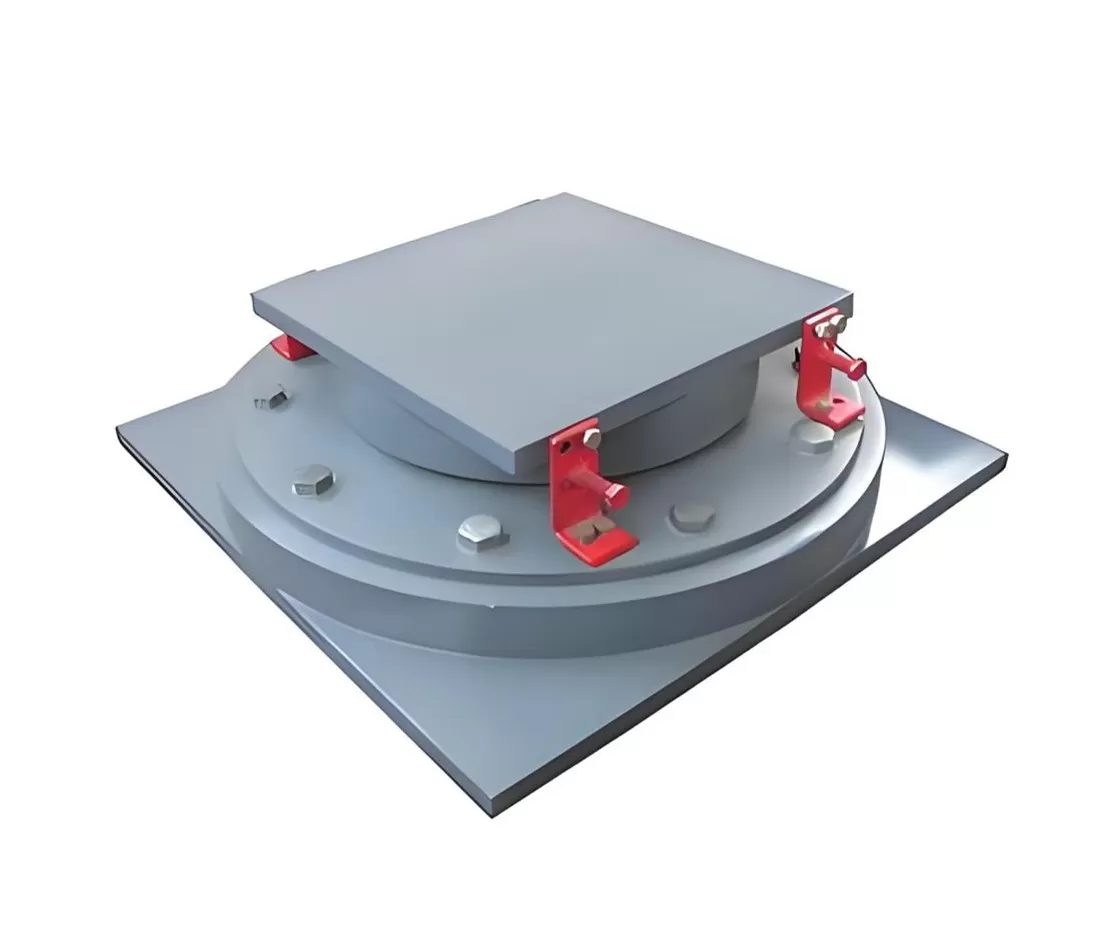
The Spherical Bearing transcends conventional support solutions. It is a high-precision, multi-axial pivot system engineered to master the most complex movement and load scenarios in modern megastructures. By integrating a forged steel spherical surface with an advanced polymer sliding interface, it provides simultaneous, low-friction rotation in all directions under extreme vertical loads, resolving conflicts between capacity and flexibility that challenge other bearing types.

Core Design & Material Philosophy

Its operational excellence stems from a self-aligning spherical geometry. This design accommodates compound rotations from thermal gradients, seismic drift, and long-span deflections through smooth, friction-controlled articulation at a single, consistent pivot point. The selection of the sliding liner material—from PTFE and UHMWPE to the latest Ultra-High-Performance Formulations (UHPF)—is tailored to project-specific demands for pressure, wear resistance, and longevity, ensuring decades of reliable, low-maintenance service.

Definitive Applications: The Solution for Complexity

Spherical bearings are the specified choice where structural behavior defies simplification, primarily in:

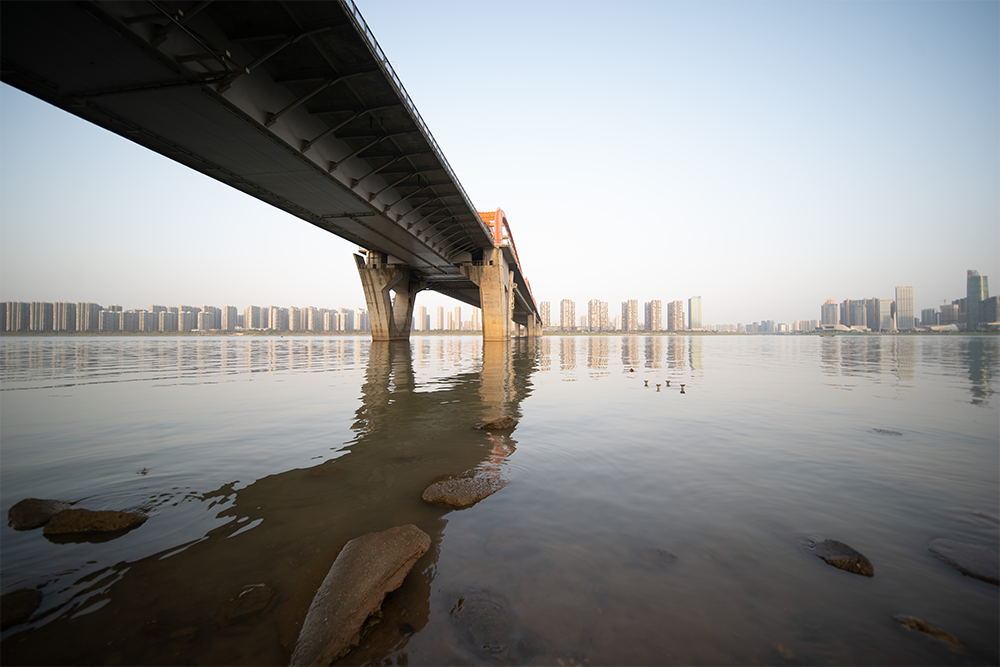
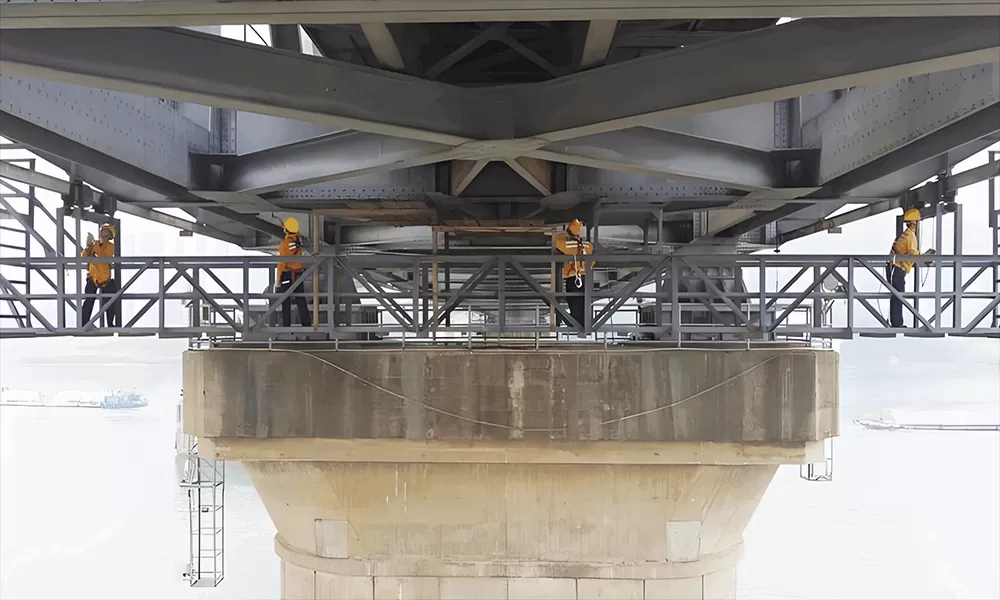
Signature Cable-Supported Bridges: Indispensable at pylons of cable-stayed and suspension bridges, managing colossal loads and multi-directional rotations from deck movement and cable adjustments.

Bridges in Seismic & Complex Geometric Zones: Essential for curved, skewed, and interchange structures, automatically accommodating complex movement vectors. They are a cornerstone of advanced seismic isolation systems, allowing for large, multi-directional displacement.

Critical Heavy-Duty Infrastructure: The optimal choice for heavy-haul railway bridges, pivotal points of movable bridges, and the rehabilitation of critical structures, where performance under extreme and dynamic loading is non-negotiable.

The Ultimate Value Proposition

Selecting a spherical bearing is an investment in predictable performance and risk mitigation. It delivers unconstrained rotational freedom, eliminates lock-up stresses from unpredicted movements, provides automatic compensation for construction tolerances, and through advanced materials like UHPF, ensures a long, maintenance-free service life.

In essence, the spherical bearing is not just a component; it is the engineered solution that unlocks architectural ambition and ensures the enduring integrity of the world's most demanding bridges.

Spherical Bridge Bearing
Parameter CategorySpecificationTechnical Details & Notes
1. LOAD & MOVEMENT CAPACITY

Vertical Load Capacity1,000 kN - 600,000+ kNStandard Range: 2,000 - 60,000 kN High-Capacity Range: 60,000 - 100,000+ kN (custom engineered) Optimal Performance Zone: 10,000 - 40,000 kN * Capacity scales with spherical radius and contact surface area
Horizontal Load Capacity10% - 30% of Vertical LoadTypically 10-30% of corresponding vertical load capacity Fixed Types: Up to 30% via spherical interface Sliding Types: Limited by friction coefficient (μ × P)
Rotation Capacity±0.5° to ±3.5°(±0.009 to ±0.061 rad)Standard: ±0.5° to ±2.0° (±0.009 to ±0.035 rad) High-Rotation: ±2.0° to ±3.5° (±0.035 to ±0.061 rad) Multi-directional: Rotation possible in any direction about the spherical center * Greater than disc/pot bearings due to spherical geometry
Translational Displacement±50 mm to ±1000+ mmSliding Spherical Types: Via integrated PTFE/UHMWPE/UHPF surface Standard Range: ±50 - ±200 mm Large Movement: ±200 - ±1000+ mm (custom designs) * Displacement is independent of rotation function
2. MATERIAL SPECIFICATIONS

Spherical SurfaceHigh-Grade Alloy SteelMaterial: Forged/Cast Steel (ASTM A105, A694, EN 10222, etc.) Surface Finish: Precision machined & polished to Ra ≤ 0.8 μm Hardness: 200-300 HB (typically) Corrosion Protection: Electroplating, thermal spray, or special coatings
Sliding Liner MaterialsPTFE / UHMWPE / UHPFPTFE (Polytetrafluoroethylene): • Friction coefficient: μ = 1-3% • Max contact pressure: 45 MPa • Standard choice for most applications UHMWPE (Ultra-High Molecular Weight Polyethylene): • Friction coefficient: μ = 1-2% • Max contact pressure: 50 MPa • Superior wear resistance, lower creep than PTFE UHPF (Ultra-High Performance Formulation): • Friction coefficient: μ = 0.5-1.5% • Max contact pressure: 60+ MPa • Advanced composite with fiber reinforcement • Exceptional wear/creep resistance for critical applications
Structural ComponentsCarbon & Stainless SteelBase/Top Plates: ASTM A709 Gr. 50, EN 10025 S355 Bolts & Fasteners: ASTM A325/A490 or stainless steel A4-80 Seals: Multi-layer elastomeric seals (EPDM, CR) Corrosion Protection: HDG (ISO 1461) or paint system (≥250μm)
3. DIMENSIONAL PARAMETERS

Overall DimensionsDiameter: 300-7000+ mm Height: 150-600+ mmGenerally 20-30% of diameter Compact Design: More height-efficient than alternative systems
Spherical Radius500 mm to 5000+ mmStandard Range: 500-2000 mm Large Radius: 2000-5000+ mm for high-rotation applications Design Principle: Larger radius = lower contact pressure = higher rotation capacity * Radius is a critical design parameter affecting moment resistance
Weight Range50 kg to 40000+ kgSmall Units (≤1000 kN): 50-200 kg Medium Units (1000-10000 kN): 200-1000 kg Large Units (≥10000 kN): 1000-40000+ kg * Weight includes all components (steel, liner, seals)
4. PERFORMANCE & DURABILITY

Design Life100+ YearsMinimum Design Life: 100 years to match bridge lifespan Fatigue Life: ≥2 million cycles at design rotation Aging Tests: Elastomers/seals tested for 100-year performance * Based on accelerated testing per EN 1337, AASHTO standards
Operating Temperature-40°C to +70°CStandard Range: -25°C to +60°C Extended Range: -40°C to +70°C (special formulations) Temperature Effect: Friction coefficient increases at low temperatures * Material properties validated across entire temperature range
Friction Coefficient (μ)0.5% - 3.0%Static (Breakaway): ≤ 3.0% Dynamic (Sliding): ≤ 1.5% UHPF Material: Can achieve 0.5-1.0% dynamic friction Factors Affecting μ: Contact pressure, temperature, sliding velocity
Allowable Contact Pressure30 - 60+ MPaPTFE: 30-45 MPa (depends on filling/reinforcement) UHMWPE: 40-50 MPa UHPF: 50-60+ MPa * Higher pressure allows more compact bearing design
5. DESIGN & COMPLIANCE

Design StandardsEN 1337-7, AASHTO, AS, JIS, IRCEurope: EN 1337-7 (Spherical and cylindrical PTFE bearings) USA: AASHTO LRFD Bridge Design Specifications Australia: AS 5100.4 Japan: JIS B 2704 India: IRC 83 (Part III) * Full compliance with specified national/international codes
Quality CertificationISO 9001, CE MarkingQuality System: ISO 9001:2015 certified manufacturing European Market: CE Marking per EN 1337-7 Testing: Prototype testing available (compression, rotation, friction) Documentation: Full traceability with material certificates
Installation Tolerance±3 mm (position)±0.5° (alignment)Position Tolerance: ±3 mm from theoretical position Alignment Tolerance: ±0.5° from specified orientation Levelness: 1:200 gradient maximum Self-Aligning Feature: Spherical design compensates for minor misalignment


Spherical Bearing - Key Product Advantages

The selection of spherical bearings represents a strategic engineering decision that delivers significant advantages beyond basic specifications. Our spherical bearing solution is engineered to provide unmatched performance, reliability, and value throughout the entire project lifecycle—from design through decades of service.

I. Core Technical Superiority: Engineered for Extreme Performance

1. Unmatched Load-Rotation Synergy

Our spherical bearings uniquely deliver simultaneous high-load capacity and multi-directional rotation, a critical combination where other bearing types force compromises.

Extreme Load Capacity: Engineered for vertical loads from 2,000 kN to over 600,000 kN, positioning them as the world's premier choice for mega-projects like record-span cable-stayed, suspension bridges, and offshore heavy-duty structures. They ensure the absolute stability of the most critical structural nodes under the planet's most demanding loads.

True Multi-Directional Rotation: Unlike single-axis bearings, our spherical design accommodates large-angle rotation (±0.5° to ±3.5°) in any horizontal direction from a single pivot point. This is essential for accommodating complex, unpredictable movements in curved bridges, seismic zones, and structures with compound deformation.

2. Friction-Optimized, Wear-Free Movement

The precision-machined spherical steel-on-polymer interface (using PTFE, UHMWPE, or advanced UHPF) provides extremely low and consistent friction (μ as low as 0.5-1.5% dynamic). This translates to:

Minimal horizontal forces transferred to piers and abutments.

Predictable force distribution for more accurate structural modeling.

A wear-free rotational core that requires no maintenance, unlike mechanisms with sliding or rolling parts.

II. Long-Term Value & Risk Mitigation

3. Century-Long Durability & Corrosion Defense

Built for a 100+ year design life, our bearings are engineered for longevity.

Advanced Material Science: The use of high-performance polymers (UHPF) and forged alloy steels provides exceptional resistance to wear, creep, and environmental degradation.

Comprehensive Corrosion Protection: Featuring hot-dip galvanizing (ISO 1461) or high-specification coating systems tailored to the project's environmental class (C4-C5), they withstand harsh marine, industrial, and extreme weather conditions.

Sealed for Life: Multi-layer sealing systems protect the critical spherical interface from contaminants like water, dust, and de-icing salts.

4. Universal Compliance & Independent Validation

Trust is built on verification and global certification. We provide full compliance with major international and regional standards:

Primary Design Standards: EN 1337-7 (Europe), AASHTO LRFD (USA)

Key Regional Standards: BS 5400 (UK), AS 5100.4 (Australia), IRC 83 (India), GOST 15150 (Russia/CIS region)

Comprehensive Third-Party Testing Reports from accredited laboratories, validating load capacity, rotation, friction, and fatigue performance.

Full Material Traceability with mill certificates for all critical components.

Detailed Design Calculation Reports that provide complete transparency into the engineering, ensuring the bearing is perfectly matched to your project's specific loads and movements.

III. Project-Specific Flexibility & Global Support

5. Complete, Full-Dimensional Customization

We provide engineered-to-order solutions, not just catalog products.

Tailored Geometry: Customization of diameter, height, spherical radius, and mounting configuration to fit precise spatial and load requirements.

Material Optimization: Selection of the optimal sliding material (PTFE, UHMWPE, or UHPF) and steel grades based on pressure, environment, and lifecycle cost goals.

Application-Specific Design: Bearings are configured as fixed, guided, or free-sliding and can be integrated with seismic dampers, load cells, or monitoring systems.

6. Global Logistics & Project Integrity

We ensure our products arrive on site in perfect condition, anywhere in the world.

Export-Grade Protective Packaging: Utilizing heavy-duty, weather-resistant crating designed for long-distance sea and land transport, preventing damage from handling and environmental exposure.

Turnkey Logistics Support: Management of complex shipping, customs clearance, and delivery to remote project sites.

On-Site Technical Assistance: Available installation supervision and commissioning support to ensure perfect implementation according to specifications.

Competitive Differentiation & Client Value Summary

Choosing our spherical bearings is an investment in predictable project outcomes and long-term structural integrity. The advantages translate directly into:

Reduced Total Cost of Ownership: Minimal maintenance and a 100-year service life lower lifecycle costs significantly.

Decreased Project Risk: Independent validation, proven durability, and expert support mitigate technical and scheduling risks.

Enhanced Design Freedom: The ability to handle complex, multi-directional movements enables more innovative and efficient bridge designs.

Uncompromised Safety & Compliance: Full adherence to global standards (EN, AASHTO, BS, AS, IRC, GOST) ensures regulatory acceptance and public safety.

In essence, our spherical bearing solution combines technical excellence, verifiable quality, and seamless project integration to deliver not just a component, but a cornerstone of reliability for your most ambitious structures.


Spherical Bearing - Installation & Construction Guide

The successful performance of a spherical bearing hinges on its correct integration with the superstructure. Recognizing that installation methods differ fundamentally between prefabricated, cast-in-place, and steel girders, this guide outlines tailored procedures for each. Our bearings are engineered with a self-aligning spherical core that inherently accommodates real-world construction tolerances and simplifies the installation process across all project types.

Pre-Installation Foundation: Universal Preparations

Regardless of the superstructure type, the following prerequisites ensure a successful start:

Documentation Review: Thoroughly examine the supplied Installation Dossier, including shop drawings, bolt torque specifications, and the project-specific method statement.

Support Preparation: The bearing pedestal or sole plate must be constructed to the specified elevation, levelness (typically within a 1:200 gradient), and plan location (tolerance ±5 mm).

Bearing Inspection & Handling: Upon receipt, inspect the bearing for any transit damage. Lift the unit only via its designated lifting lugs or holes using soft slings to protect the finish.

Tailored Installation Procedures by Superstructure Type

A. For PRECAST CONCRETE GIRDERS

Characteristics: The bearing receives the full dead load of the girder instantly upon placement. Precision in initial positioning is critical.

Installation Sequence:

Bearing Positioning: Place and securely fix the spherical bearing onto the pier/abutment. Confirm final plan alignment and anchor bolt torque.

Girder Placement: Carefully lower the precast girder onto the bearing. The self-aligning spherical surface will automatically rotate to match the girder’s bottom inclination, ensuring full contact.

Verification & Grouting: After the girder is seated, verify alignment. Proceed with grouting the interface between the girder bottom and the bearing’s top plate if specified. Do not restrain the bearing’s rotational freedom.

B. For CAST-IN-PLACE CONCRETE GIRDERS

Characteristics: Load is applied gradually. The bearing must be protected and may require temporary locking during construction.

Installation Sequence:

Bearing Installation with Temporary Lock: Install and fix the bearing on the support. To prevent concrete ingress and control position during pouring, install temporary locking devices or shims to restrain rotation, if provided or specified.

Formwork & Concrete Placement: Erect formwork and place reinforcing steel. Pour the concrete for the girder segment. The locked bearing acts as a stable support.

Activation: Once the concrete has gained sufficient strength and the formwork is removed, remove all temporary locks or shims. As subsequent construction phases (e.g., additional deck pours) proceed, the bearing will begin to rotate freely to accommodate deformations.

C. For STEEL GIRDERS

Characteristics: Interface is typically via direct contact or a welded/bolted sole plate. Alignment and interface treatment are key.

Installation Sequence:

Interface Preparation: Ensure the bearing’s top surface and the underside of the steel girder or its attached sole plate are clean, dry, and free of paint or debris at the contact area.

Bearing Placement: Fix the bearing onto the substructure.

Girder Erection & Connection: Lower the steel girder onto the bearing. For direct contact, the spherical surface will self-align. For bolted connections, align the holes and insert bolts, tightening to the specified torque. For welded connections, complete the specified welds between the girder’s sole plate and the bearing’s top plate, following controlled welding procedures to minimize heat distortion.

Freedom of Movement Check: After final connection, ensure any guide bars or shear blocks have the specified clearance and that the sliding surfaces (if applicable) are free to move.

Universal Advantages for Simplified Construction

Across all girder types, our spherical bearings provide inherent benefits that reduce complexity and risk:

Self-Alignment: The spherical design automatically compensates for minor angular misalignments between the substructure and superstructure, eliminating the need for precise shimming.

Tolerance Accommodation: The system is designed to accommodate typical construction tolerances in plan position, elevation, and angular alignment without compromising performance.

Pre-Assembled Reliability: Supplied as a single, sealed unit, eliminating on-site assembly errors related to internal components.

Clear Visual Guidance: Permanent markings indicate centerlines, lift points, and sliding direction, preventing orientation mistakes.

Post-Installation & Quality Assurance

Upon completion of installation for any girder type, a final verification must be conducted:

Confirm removal of all transportation restraints, temporary locks, or packaging.

Verify that anchor bolts are torqued to the specified value.

Visually inspect for full contact and ensure no obstructions inhibit the intended movement (rotation or slide).

Document the “as-built” position and condition.

Conclusion: Our spherical bearing system is engineered to integrate seamlessly into diverse construction methodologies. By providing a robust, self-compensating interface between substructure and superstructure—whether concrete or steel, precast or cast-in-place—it delivers predictable performance through a simplified, reliable installation process, forming a solid foundation for the lifetime of the structure.

Parameter / FeatureSpherical BearingPot BearingElastomeric Bearing
1. LOAD & MOVEMENT CAPACITY


Vertical Load CapacityVery High to Extreme 2,000 kN - 600,000+ kN Highest capacity rangeVery High 1,000 kN - 200,000+ kN Excellent for heavy vertical loadsLow to Moderate 100 kN - 10,000 kN Limited by elastomer size and hardness
Rotation CapacityMulti-Directional, High ±0.5° to ±3.5° (±0.009 to ±0.061 rad) Omni-directional rotationUni-Directional, High ±0.6° to ±3.0° (±0.01 to ±0.052 rad) Large rotation about any axis in one planeMulti-Directional, Moderate ±0.2° to ±1.5° (±0.0035 to ±0.026 rad) Through shear deformation of elastomer
Translational MovementWith Sliding Surface: ±50 mm to ±1000+ mm Separate PTFE/UHMWPE/UHPF surfaceWith Sliding Surface: ±50 mm to ±1000+ mm Integrated PTFE/UHMWPE/UHPF/ Stainless steel surfaceInherent through Shear: ±20 mm to ±200 mm Limited by elastomer thickness and stability
Horizontal Stiffness / RestraintVery Low Rotational Stiffness Minimal restraint to rotation Fixed types provide lateral restraint via geometryLow Rotational Stiffness Minimal restraint to rotation Limited lateral shear capacitySignificant Shear Stiffness Provides lateral restraint Can resist moderate wind/seismic forces
Friction Coefficient (for sliding)Very Low Static: ≤ 3% Dynamic: ≤ 1.5% (PTFE/Stainless steel or UHMWPE/Stainless steel, or UHPF/Steel)Very Low Static: ≤ 3% Dynamic: ≤ 1.5% (PTFE/Stainless steel or UHMWPE/Stainless steel)Not Applicable Movement via elastomer shear deformation No sliding interface in standard types
2. DESIGN & CONSTRUCTION


Core MechanismSpherical convex/concave sliding interface Low-friction multi-directional rotationConfined elastomeric disc in steel pot Rotation via compression of confined elastomerLaminated rubber-steel layers Movement via elastic deformation
Key Materials• Forged steel spherical surface • PTFE/UHMWPE/UHPF liner • Stainless steel sliding plate• Steel pot and piston • Confined elastomer (rubber/polyurethane) •  PTFE/UHMWPE/ Stainless steel sliding plate• Natural/synthetic rubber • Steel laminate plates • Bonding adhesive
Typical Height150 mm - 1000+ mm Compact relative to capacity200 mm - 4000+ mm Requires height for pot and elastomer50 mm - 300 mm Most compact design
Design ComplexityHigh Precision machining of spherical surfaces Advanced material requirementsModerate to High Precision sealing and confinement Quality manufacturing requiredLow to Moderate Standardized manufacturing process Well-established design procedures
3. PERFORMANCE & DURABILITY


Design Life100+ years With proper maintenance High-grade materials and sealing50-100+ years Dependent on elastomer aging and seal integrity25+ years Subject to elastomer aging, ozone, UV exposure Shorter lifespan than mechanical bearings
Maintenance RequirementsLow Sealed spherical interface Periodic inspection recommendedLow to Moderate Sealed pot but elastomer may age Sliding surface inspection neededVery Low No moving parts Visual inspection for degradation
Temperature SensitivityLow Steel/polymer interface stable across range -40°C to +70°C capabilityLow to Moderate Elastomer properties vary with temperature Typically -35°C to +50°CModerate to High Stiffness changes significantly with temperature Limited extreme temperature performance
Fatigue ResistanceExcellent Steel-on-polymer sliding has high cycle life Suitable for dynamic loadingVery Good Confined elastomer resists fatigue Good for cyclic rotationsGood Rubber has good fatigue properties Steel laminates prevent excessive deformation
4. APPLICATIONS & SELECTION GUIDANCE


Ideal Bridge Types• Cable-stayed & suspension bridges (pylon supports) • Arch bridges (arch-deck connections) • Curved & skewed bridges • Bridges in high seismic zones • Heavy railway bridges• Long-span continuous girder bridges • Heavy viaducts and overpasses • Railway bridges with high loads • Bridges requiring large unidirectional rotations• Short to medium span highway bridges • Pedestrian and light vehicle bridges • Building isolation bearings • Bridges with moderate movements
Key Selection Advantages• True multi-directional rotation • Highest load capacity • Low rotational friction • Excellent for complex movements• Excellent for large unidirectional rotations • High load capacity • Reliable performance • Well-established technology• Cost-effective • No maintenance required • Vibration damping • Simple installation
Typical Cost RangeHigh Premium pricing for high-performance applications Justified for critical, complex projectsModerate to High Cost-effective for high-load applications Good value for performanceLow to Moderate Most economical option Lowest initial cost
Limitations• Higher cost • Complex manufacturing • Over-specification for simple applications• Limited multi-directional rotation • Elastomer aging over very long periods • Height can be substantial• Limited load and movement capacity • Temperature sensitive • Long-term aging of elastomer • Not for extreme rotations


Application Scenarios

Highway Bridge

Highway Bridges

Ideal for highway overpasses and interchange bridges with moderate spans and loads.

Railway Bridge

Railway Bridges

Suitable for railway viaducts requiring vibration isolation and load distribution.

Urban Viaduct

Urban Viaducts

Perfect for elevated roads and urban transit systems in city environments.

Pedestrian Bridge

Pedestrian Bridges

Cost-effective solution for footbridges and light-duty crossing structures.

Technical Documents

Product Datasheet

Complete specifications and dimensions

PDF • 2.4 MB
Download

Installation Guide

Step-by-step installation instructions

PDF • 3.1 MB
Download

CAD Drawings

AutoCAD DWG files for design integration

DWG • 1.8 MB
Download

Test Certificates

Quality and performance test reports

PDF • 1.5 MB
Download

Related Products

Explore more bridge bearing solutions

Need Custom Specifications?

Our engineering team can design bearings tailored to your project requirements