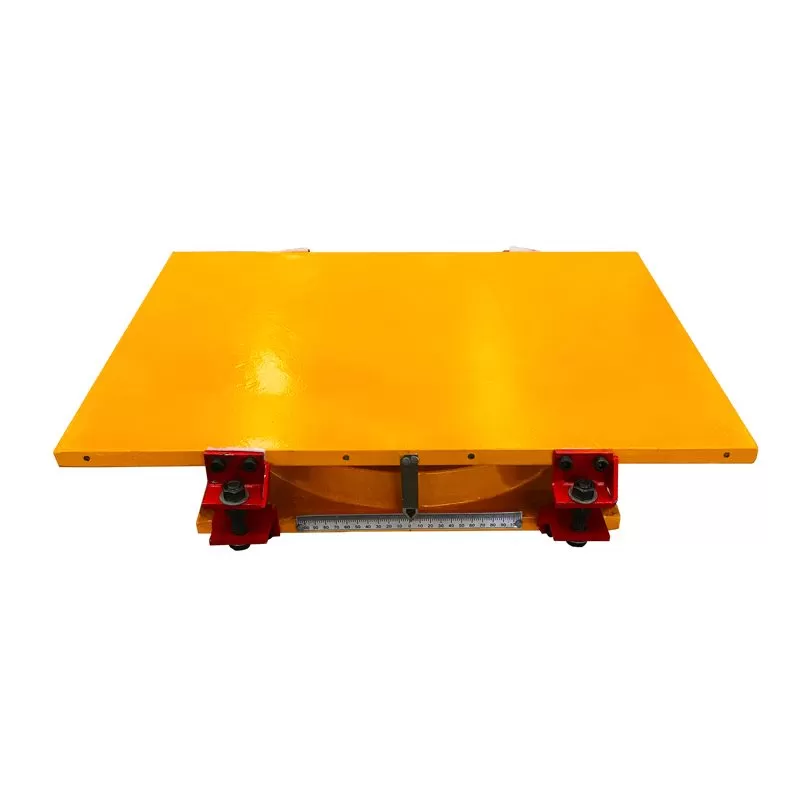
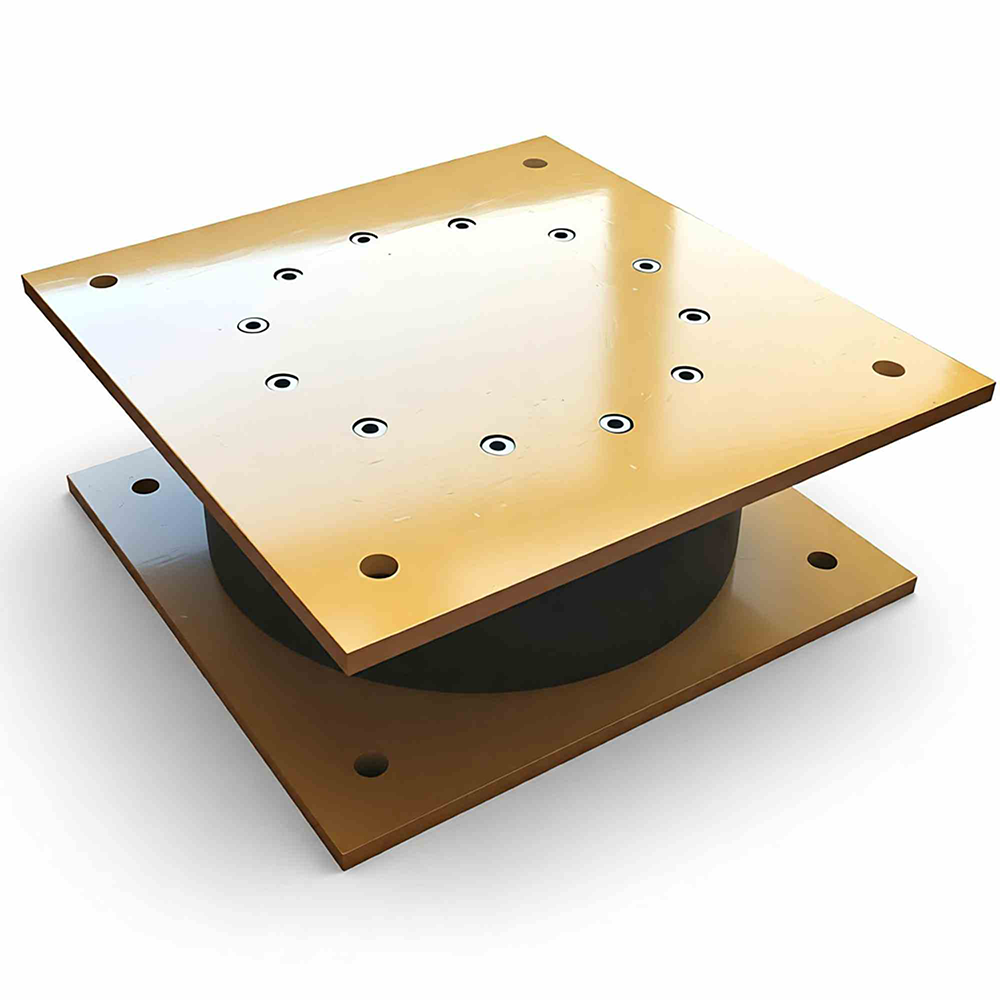
Key Advantages of HDRB Isolators
1. Integrated High Damping Performance
Technical Superiority: The energy dissipation mechanism is intrinsically embedded within the specially formulated rubber compound, eliminating the need for auxiliary damping devices. This integrated design delivers a consistent equivalent damping ratio of 15–18%, where energy is dissipated through internal friction and hysteresis of the rubber molecular structure during seismic events.
User Benefit: Designers are relieved from the complexity of specifying and coordinating separate damping components. This simplification leads to more reliable and predictable system performance, streamlined analysis, and fewer connection details.
2. Dual-Functionality in a Single Unit
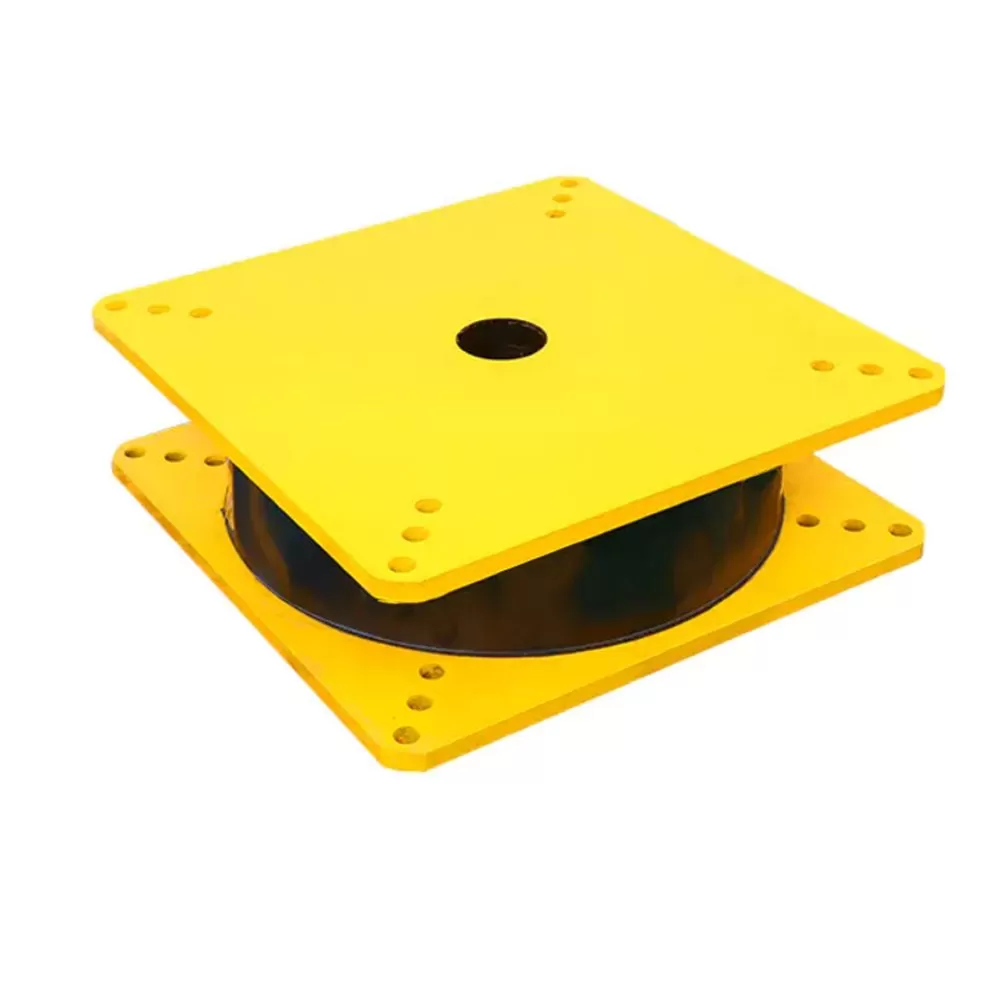
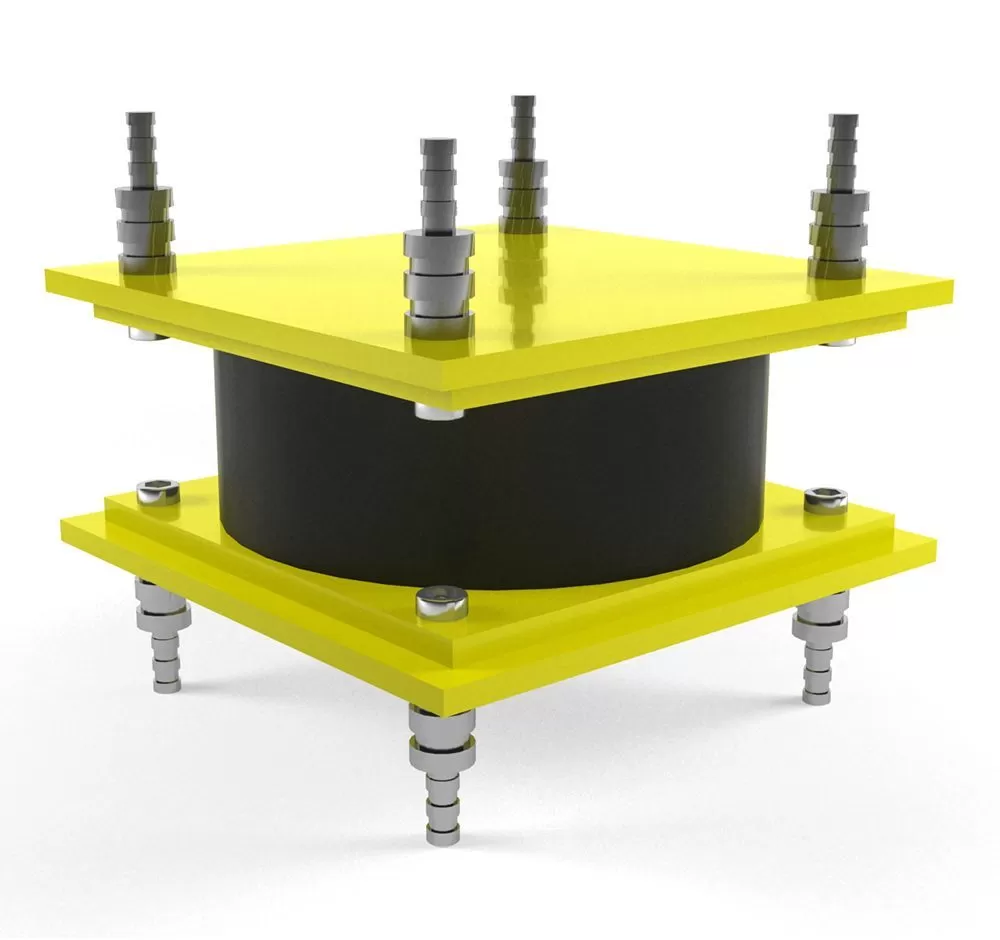
Technical Superiority: A single HDRB isolator seamlessly provides high vertical load-bearing capacity and effective horizontal seismic isolation. The advanced rubber compound maintains high vertical stiffness while offering controlled lateral flexibility and self-centering force. Embedded steel plates ensure uniform stress distribution under compressive loads.
User Benefit: This consolidation reduces the number of system components, minimizing installation complexity, potential points of failure, and long-term maintenance requirements. It simplifies the structural analysis model significantly.
3. Predictable and Long-Term Stable Performance
Technical Superiority: Rigorously controlled manufacturing processes and material formulations ensure exceptional product consistency. Accelerated aging tests confirm that stiffness variation remains within 20% over a simulated 50-year service life, with stable hysteresis loops and no risk of sudden performance degradation.
User Benefit: Provides a reliable foundation for precise engineering analysis and predictable structural response. Long-term stability reduces lifecycle maintenance costs and uncertainties, safeguarding the investment.
4. High Deformation Capacity with Stability
Technical Superiority: The optimized laminate construction allows for stable operation under shear strains exceeding 200%, with a buckling load significantly higher than the design load. This ensures residual load-carrying capacity even during beyond-design-basis seismic events.
User Benefit: Offers a crucial safety margin, helping to prevent catastrophic collapse and supporting performance objectives ranging from "Life Safety" to "Immediate Occupancy" after a major earthquake.
5. Environmental Resilience and Durability
Technical Superiority: The rubber compound includes anti-oxidant and anti-ozonant additives, with a standard operational temperature range of -30°C to +60°C (extendable upon request). Protective external covers can be provided for harsh environments.
User Benefit: Suitable for a wide variety of geographical and climatic conditions, from cold regions to hot climates, enhancing project applicability and reducing design constraints.
6. Advanced Manufacturing and Quality Assurance
Technical Superiority: Production utilizes automated vulcanization presses with real-time process monitoring. Every steel plate is treated, each rubber layer is controlled, and 100% of units undergo dimensional verification, complemented by comprehensive prototype and batch sample testing.
User Benefit: Guarantees that product performance matches design specifications with minimal variance, providing engineers with high-confidence data and eliminating performance uncertainty.
7. Superior Life-Cycle Cost-Effectiveness
Technical Superiority: Compared to conventional seismic-force-resisting systems or hybrid isolation solutions, HDRBs offer optimized life-cycle cost efficiency. Savings are realized through reduced structural member sizes, simplified construction, and minimal maintenance needs.
User Benefit: Delivers an excellent return on investment through both lower initial costs and reduced long-term operational expenses, which is particularly compelling for commercial and public projects.
Summary of Core Value Proposition
HDRB isolators represent the optimal synergy between material science innovation and practical engineering design, delivering a high-performance, reliable, and cost-effective seismic protection solution. Their fundamental value is demonstrated through:
Proven Technical Excellence: Integrated high damping with verified long-term performance.
Uncompromising Reliability: Robust design with significant safety margins for extreme events.
Total Cost Advantage: Favorable initial and life-cycle economics.
Universal Applicability: Adaptable to diverse structural types and environmental conditions.
Designer-Friendly: Simplifies the analysis, specification, and construction process.
For projects prioritizing the balanced achievement of safety, reliability, constructability, and economy, HDRB isolators offer a globally proven solution. They empower all stakeholders—designers, owners, and contractors—to confidently meet and exceed modern seismic performance objectives, creating more resilient and sustainable infrastructure.
HDRB Installation & Construction
Core Philosophy: Precision Meets Practicality
HDRB isolators are engineered not only for superior seismic performance but also for straightforward, reliable, and efficient installation. The design philosophy prioritizes constructability, minimizing on-site labor, specialized tool requirements, and potential for error, thereby translating engineering excellence into tangible project schedule and cost savings.
1. Pre-Installation: Planning for Success
Design Coordination & Preparation
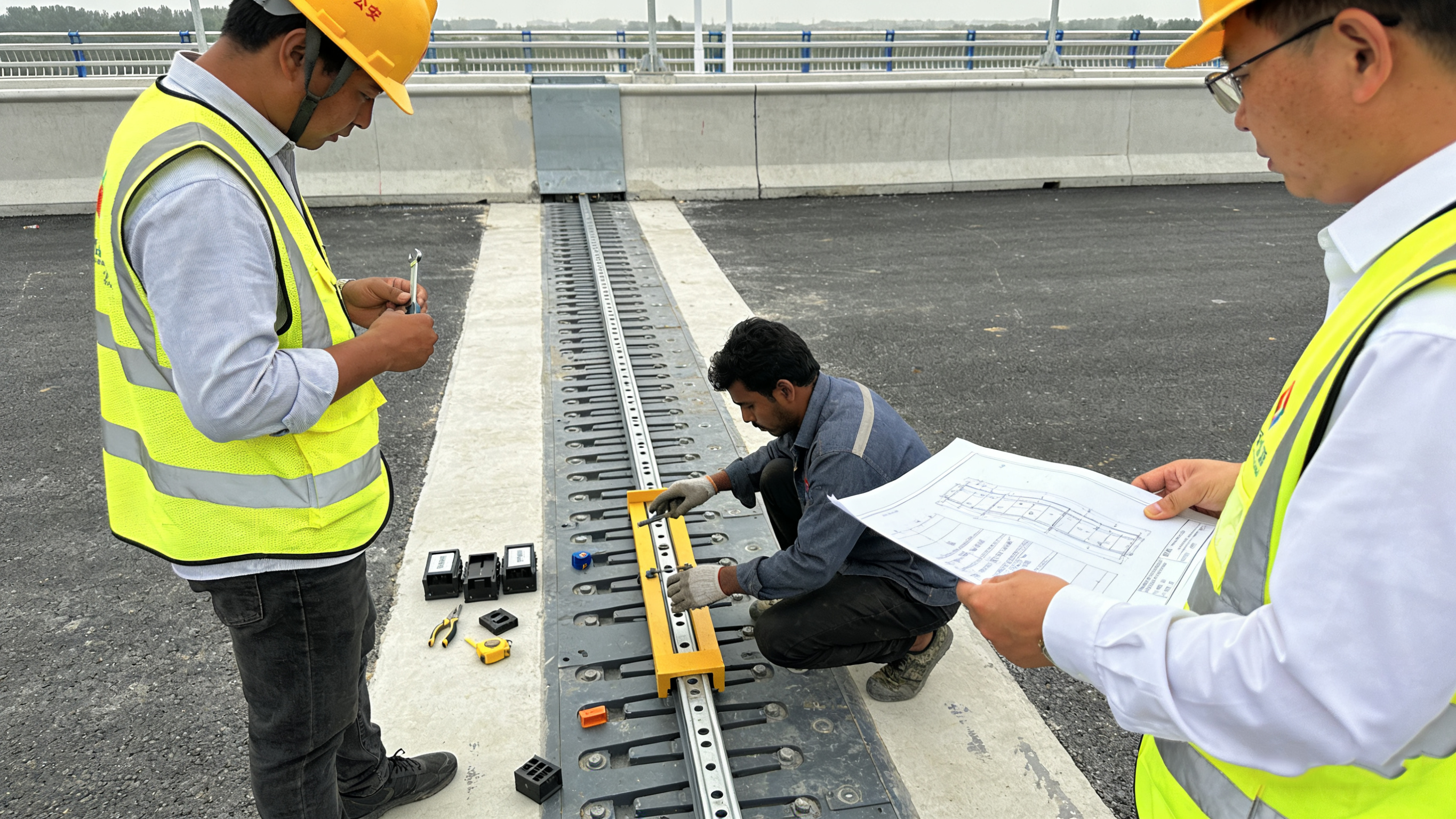
Standardized Connection Details: HDRBs feature pre-designed, standardized bolted or welded connection plates, seamlessly integrating with common structural steel or reinforced concrete detailing. Comprehensive installation drawings are provided for each project.
Clear Interface Definition: Precise requirements for supporting surfaces (flatness, levelness, and elevation) are established upfront, ensuring substrate readiness.
Just-in-Time Delivery: Bearings are shipped as complete, pre-assembled units with protective packaging, arriving on-site ready for installation, eliminating on-site assembly or vulcanization.
User Benefit: Reduces design coordination time, prevents interface clashes during construction, and ensures all necessary components arrive as a single, accountable package.
2. Core Installation Process: Streamlined and Controlled
The installation is a systematic, multi-stage process designed for accuracy and safety.
Stage 1: Positioning & Temporary Support
Bearings are placed onto their designated locations using standard lifting equipment.
Temporary positioning aids or shims may be used to hold the bearing at the correct elevation and alignment before final connection.
Stage 2: Final Connection
For Bolted Connections: High-strength bolts are torqued to specified values in a calibrated sequence, ensuring uniform load transfer. This method allows for potential future inspection or replacement.
For Welded Connections: Pre-welded shear plates on the HDRB are welded to embedded plates in the structure following qualified welding procedures. This provides a permanent, rigid connection.
The process requires only standard construction trades (ironworkers, welders) without highly specialized skills.
Stage 3: Alignment Verification & Clearance
Final horizontal alignment and elevation are verified using survey equipment.
The required seismic gap (clearance around the bearing for unimpeded movement) is confirmed to be clear of all obstructions like utilities, permanent walls, or grade beams.
User Benefit: A logical, step-by-step process familiar to construction crews, minimizing downtime and leveraging existing site equipment and labor.
3. Key Installation Advantages & Tolerances
Simplified Alignment: HDRBs are designed to accommodate practical field tolerances. While precise, requirements for plan position (±5mm) and levelness (1/500 gradient) are achievable with standard construction practices.
Integrated Protection: Many designs include a protective outer cover that is installed concurrently, guarding the rubber from UV exposure, debris, and incidental damage during subsequent construction phases.
Minimal Curing/Wait Time: Unlike some foundation elements, no curing or setting time is required post-installation, allowing immediate progression to the next construction activity.
4. Quality Assurance & Inspection
A robust QA process ensures installed performance matches design intent.
Pre-Installation Inspection: Visual check for shipping damage and verification of bearing identification against drawings.
In-process Verification: Monitoring of bolt torque values or weld quality (visual or NDT).
Post-Installation Report: Documentation including as-built location photos, torque records, and survey verification forms is compiled, providing a clear quality trail.
User Benefit: Provides owners and engineers with documented confidence in the installation integrity and creates a benchmark for future maintenance inspections.
5. Safety During Construction
Inherent Stability: The bearings are stable under the construction (vertical) load alone, with lateral resistance provided by temporary restraints if needed until the superstructure is completed.
Clear Procedures: Step-by-step method statements mitigate risks associated with lifting and positioning heavy components.
6. Maintenance & Long-Term Accessibility
Ease of Inspection: The design allows for visual inspection of critical external features with minimal effort. Protective covers are often removable for periodic in-depth checks.
Design for Serviceability: Considerations for potential future bearing inspection, monitoring, or even replacement are factored into the initial design of the isolation interface and seismic gap.
Summary: The Constructability Advantage
The installation methodology for HDRB isolators is a critical component of their value proposition. By transforming a high-tech seismic protection device into a practical, constructible building component, we deliver significant benefits across the project timeline:
For Contractors: A predictable, efficient installation scope using familiar techniques, supporting schedule adherence and cost control.
For Engineers: Reduced risk of installation errors and reliable as-built performance matching analytical models.
For Owners: Lower installed cost, minimized construction complexity, and confidence in the long-term serviceability of their seismic investment.
Ultimately, the true measure of an engineered product is not just its laboratory performance, but its seamless integration into the built environment. HDRB isolators are designed to excel in both realms, delivering advanced protection through a fundamentally straightforward and robust construction process.