
What Factors Dictate the Performance of a Bearing Elastomeric in Bridge Engineering?
Article content and related resources
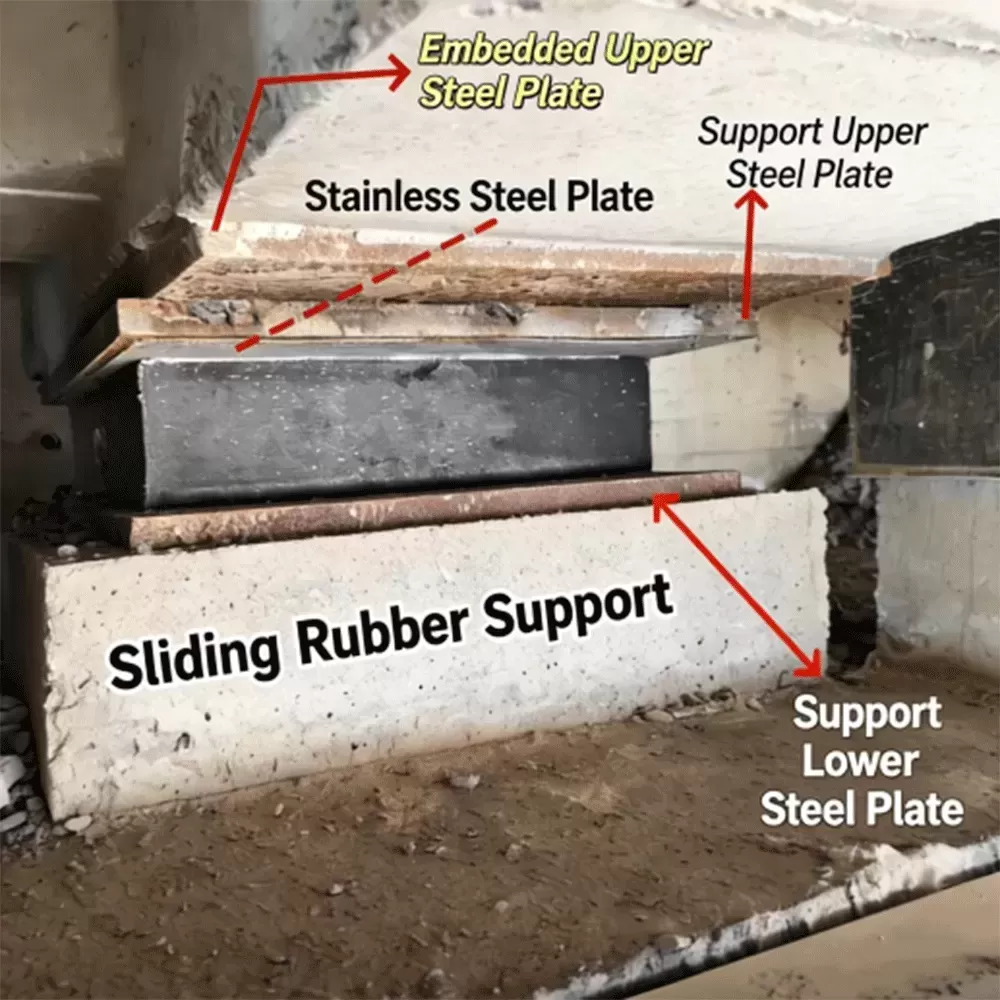
Modern civil engineering requires materials and structural components that can accommodate dynamic movements, thermal fluctuations, and seismic forces while maintaining structural integrity. Among these components, the bearing elastomeric system represents a primary mechanism for load transfer and displacement control. Used widely in highway overpasses, railway bridges, and industrial buildings, these devices sit quietly between the substructure and superstructure, neutralizing forces that would otherwise lead to structural degradation.
Selecting the appropriate bearing elastomeric configuration is a decision that impacts the long-term maintenance cycles and overall life expectancy of a structure. By understanding the mechanical properties of elastomers, the physical configuration of reinforcement layers, and the environmental factors that influence material degradation, structural designers can specify systems that perform reliably over decades. KINGWORK provides engineered solutions designed to meet rigorous structural demands and international compliance standards.
Fundamental Mechanics of the Bearing Elastomeric
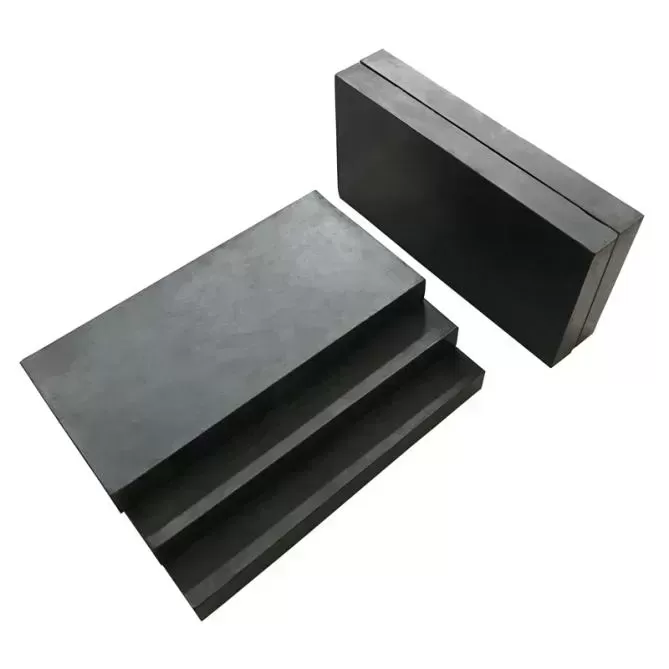
The primary function of a bearing elastomeric device is to provide a controlled interface between structural elements, allowing for rotation and translation while supporting vertical loads. The elastomer itself, typically composed of high-grade natural rubber (polyisoprene) or synthetic rubber (neoprene/polychloroprene), possesses viscoelastic properties. This allows the material to deform under shear stress and subsequently return to its original state once the load is removed.
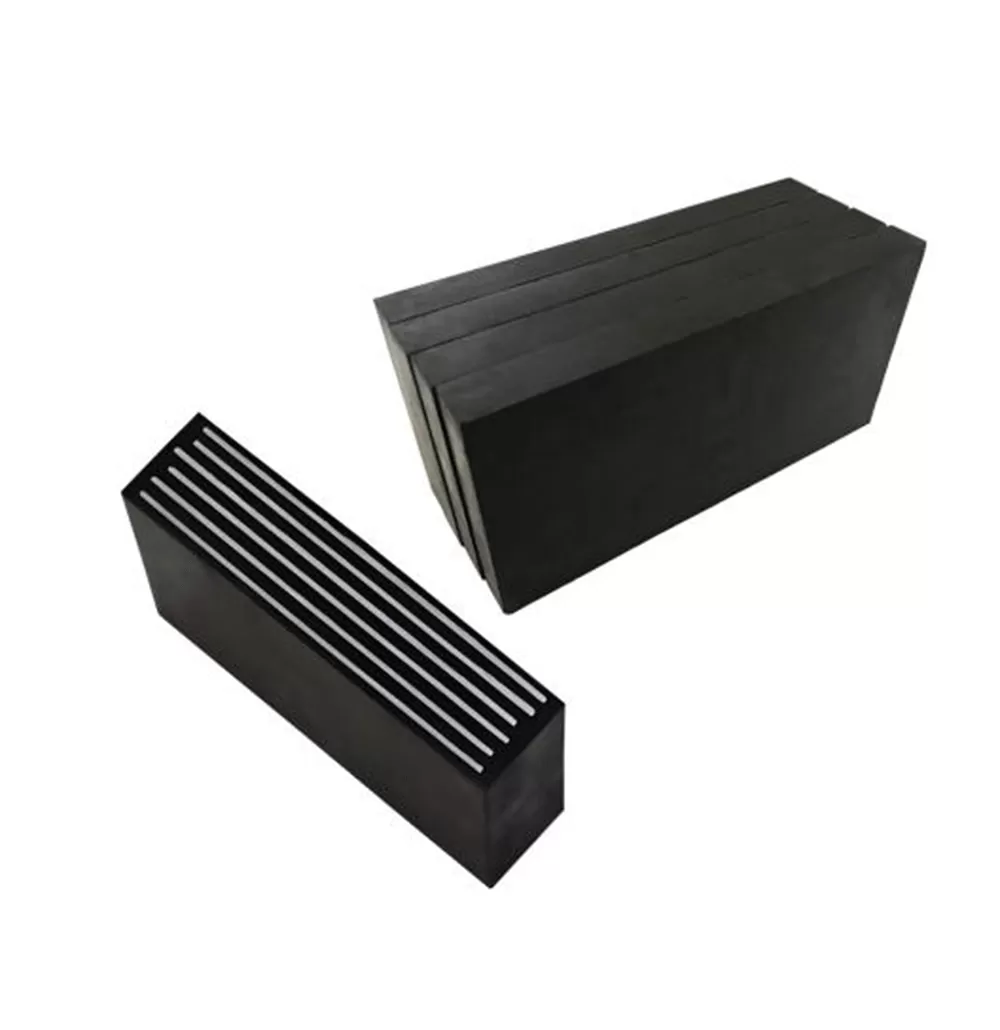
Under vertical loading, an unreinforced block of rubber will bulge laterally. This lateral expansion reduces the overall compression stiffness of the bearing. To control this bulging and increase the vertical load-carrying capacity, structural designers utilize laminated configurations. By alternating layers of elastomer with thin steel reinforcing plates (shims) through a high-pressure vulcanization process, the lateral expansion is constrained. The steel shims restrict lateral bulging, which increases the compressive stiffness of the assembly while leaving its shear stiffness virtually unaffected. This decoupling of vertical and horizontal stiffness is the foundational principle behind laminated structural bearings.
The performance of these devices is largely defined by the shape factor, which is the ratio of the loaded area to the free-to-bulge lateral area of a single elastomer layer. A higher shape factor results in higher compressive stiffness, allowing the bearing to support massive vertical loads with minimal deflection. Conversely, the shear modulus of the rubber compound determines how easily the bearing can translate horizontally to accommodate thermal expansion, concrete shrinkage, and creep in the bridge deck.
Materials Science: Natural Rubber versus Neoprene Compounds
The selection of the elastomer compound is dictated by the environmental conditions of the installation site and the mechanical requirements of the project. Both natural rubber and neoprene offer distinct performance profiles that must be matched to the application.
Natural Rubber (Polyisoprene): This material exhibits excellent low-temperature flexibility, making it highly suitable for cold-climate infrastructure. It displays low creep rates under sustained compressive loads and maintains a stable shear modulus across a wide temperature range. However, natural rubber is more susceptible to ozone degradation and UV exposure if not formulated with protective anti-ozonants and antioxidants.
Neoprene (Polychloroprene): Neoprene possesses superior resistance to oil, ozone, chemical exposure, and atmospheric weathering. It is naturally flame-resistant and performs well in moderate coastal or industrial environments where chemical exposure is a concern. Neoprene tends to stiffen more than natural rubber at extremely low temperatures, a factor that must be accounted for in thermal movement calculations.
During the manufacturing process, KINGWORK subjects elastomer formulations to rigorous physical testing. These tests evaluate tensile strength, elongation at break, ozone resistance, and compression set. Standard formulations are modified with specific carbon black grades and curing agents to balance stiffness, durability, and processing requirements, ensuring the finished bearing elastomeric unit meets the physical properties demanded by international bridge codes.
Design Standards and Performance Metrics
To ensure uniform safety margins, structural engineers rely on established international design codes, such as AASHTO LRFD Bridge Design Specifications in North America and EN 1337-3 in Europe. These standards govern the design, manufacturing, and testing of structural bearings.
A central design consideration under these standards is the limit state design method. Engineers must verify that the bearing elastomeric system does not exceed its capacity under various load combinations, including Service Limit States (SLS) and Strength Limit States (ULS). The primary limits check for:
Compressive Stress: Ensuring the average compressive stress under dead and live loads does not cause excessive shear strain at the elastomer-steel interface or lead to delamination of the composite structure.
Combined Shear Strain: The total shear strain, which is the sum of strains induced by compression, shear displacement, and rotation, must remain below a specified threshold to prevent tearing of the rubber.
Stability against Buckling: For tall, multi-layer bearings, stability must be calculated to prevent geometric instability or buckling under maximum horizontal and vertical load combinations.
Slippage and Anchorage: Under low compressive loads and high shear forces, there is a possibility that the bearing could slip from its position. Design codes specify minimum vertical pressure limits or require mechanical anchoring systems, such as dowels or external steel plates, to prevent displacement.
Adhering to these design standards ensures that the interaction between the bridge girder and the abutment remains predictable. By utilizing compliant manufacturing pathways, KINGWORK helps engineers mitigate the potential for premature structural distress due to underestimated bearing movements.
Structural Variations and Specialized Configurations
While standard laminated elastomeric bearings are suitable for many conventional bridges, complex geometries, high-span structures, and seismic zones require more specialized solutions. Manufacturers produce several variations of the classic bearing elastomeric design to meet these demands.
PTFE Slider Elastomeric Bearings
When the expected horizontal movement of the bridge deck exceeds the shear capacity of a standard laminated bearing, a polytetrafluoroethylene (PTFE) sliding element is integrated. A polished stainless steel plate is attached to the upper structural member, while a layer of low-friction PTFE is bonded to the top of the elastomeric bearing. This configuration allows for large horizontal displacements via sliding, while the underlying elastomeric component accommodates rotation and smaller horizontal adjustments. This hybrid design prevents excessive shear strain in the elastomer during extreme thermal cycles.
Elastomeric Bearings with Restraining Systems
In areas prone to minor seismic activity or high wind loads, lateral restraint systems are incorporated. These systems can include steel side guides, keeper plates, or dowels. These restraints allow the bearing to compress and rotate normally, and translate in the longitudinal direction, while restricting lateral translation to prevent the bridge deck from shifting off its supports.
Lead Rubber Bearings (LRB) for Seismic Isolation
For structures in active seismic zones, standard laminated bearings can be modified by inserting a high-purity lead plug into a central vertical hole. During an earthquake, the laminated elastomer provides lateral flexibility to shift the natural period of the structure, while the lead plug undergoes plastic deformation, absorbing and dissipating seismic energy. After the event, the elastic properties of the rubber return the structure to its original position. This configuration serves as an effective seismic isolation device, protecting both the superstructure and the supporting piers.
Installation Best Practices and Field Performance
The durability of a bearing elastomeric system is heavily dependent on the quality of the installation process. Even a properly designed and manufactured bearing can experience premature wear if installed incorrectly. Several key installation factors must be monitored on-site:
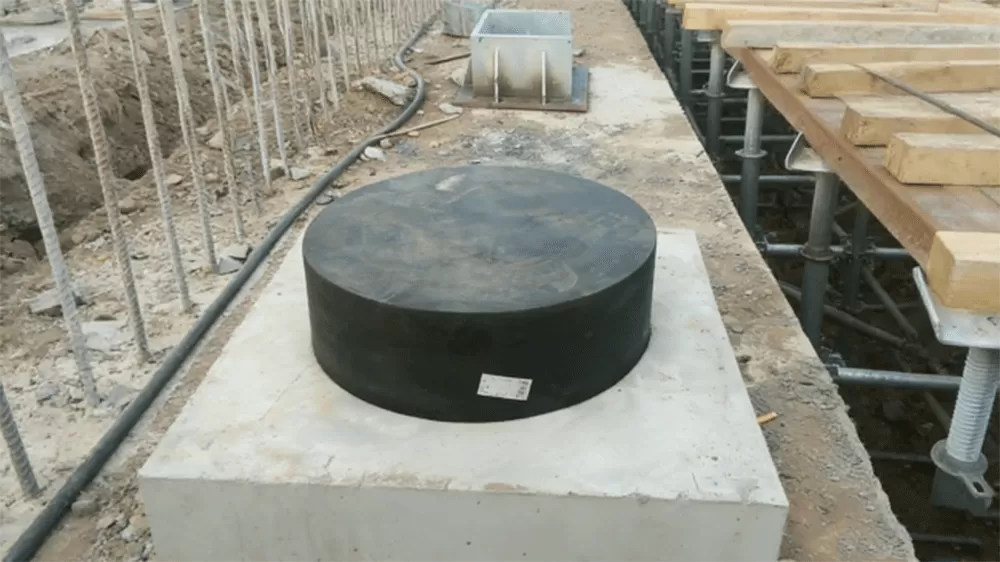
First, the bearing seat must be flat, level, and clean. Any slope or surface irregularity in the concrete pedestal will cause uneven load distribution, leading to localized stress concentrations and potential shearing of the elastomer. Grouting beds or epoxy mortar are commonly used to create a level leveling pad prior to bearing placement.
Second, during the pouring of cast-in-place concrete decks, precautions must be taken to prevent cement slurry from leaking onto the sliding surfaces of sliding elastomeric bearings. Contamination of the PTFE-stainless steel interface increases the coefficient of friction, which transfers unexpected horizontal forces to the bridge piers.
Third, positioning must account for the ambient temperature at the time of installation. If a bridge is erected during extreme summer heat or winter cold, the bearing may need to be preset (offset horizontally) to ensure it sits in a neutral, strain-free position when the bridge reaches its average annual operating temperature. KINGWORK provides detailed installation guidelines and technical support to assist construction crews in executing these procedures correctly.
Inquiry and Custom Engineering Solutions
Infrastructure projects require custom solutions tailored to specific geographic, environmental, and load parameters. Standard off-the-shelf products rarely meet the precise needs of modern complex designs. KINGWORK offers specialized engineering support to assist project managers, structural engineers, and contractors in selecting, designing, and manufacturing bearing elastomeric solutions that align with exact project specifications.
Our engineering team utilizes advanced modeling and materials testing to verify performance characteristics under simulated field conditions. Whether you require standard laminated pads, PTFE sliding assemblies, or specialized seismic isolation systems, we provide comprehensive technical documentation, drawings, and testing certifications to facilitate the approval process. Contact us to discuss your project requirements, obtain structural specifications, or request a detailed quotation for your upcoming infrastructure development.
Frequently Asked Questions
Q1: What is the expected service life of a laminated bearing elastomeric system?
A1: When properly designed, manufactured with high-quality compounds, and correctly installed, a laminated elastomeric bearing can achieve a service life of 40 to 60 years. The actual lifespan depends heavily on the environmental conditions, such as exposure to salt spray in coastal zones, extreme UV radiation, and whether the design displacements match the actual thermal movements of the structure.
Q2: How does temperature affect the performance of elastomeric bearings?
A2: Temperature directly influences the stiffness of elastomer compounds. At low temperatures, elastomers undergo thermal crystallization, which increases their shear modulus and compressive stiffness. If a bearing becomes too stiff in cold weather, it transfers higher horizontal forces to the bridge substructure. Selecting the correct compound, such as a low-temperature grade of natural rubber, ensures the bearing remains flexible during winter conditions.
Q3: Why are steel shims vulcanized inside the elastomeric bearing instead of being loose?
A3: Vulcanization creates a permanent chemical bond between the steel shims and the elastomer layers. This prevents slippage between the materials and ensures that the lateral expansion of the rubber is constrained uniformly under compressive loads. Loose steel plates would not provide the necessary restraint and would lead to rapid mechanical wear and localized failure of the rubber layers.
Q4: Can a bearing elastomeric pad be used on a sloped bridge girder?
A4: Yes, but the slope must be accommodated to prevent uneven loading. For minor slopes (typically under 1%), the bearing can absorb the rotation directly. For steeper slopes, tapered steel sole plates must be installed between the girder and the bearing to ensure that the vertical load is applied perpendicular to the top surface of the elastomeric bearing.
Q5: What are the primary signs of distress or failure in an installed elastomeric bearing?
A5: During routine bridge inspections, engineers look for signs of distress such as excessive bulging (which indicates internal shim deformation or delamination), deep surface cracking due to ozone degradation, splitting of the rubber edges, or sliding slippage from the original installation position. Minor surface crazing is common and generally does not affect structural performance, but deep splits require immediate engineering evaluation.
![Bridge Joint Types: The Complete Engineering Guide [2026 Edition]](https://www.kwbridgebearing.com/storage/non_theme/202606/024.webp)