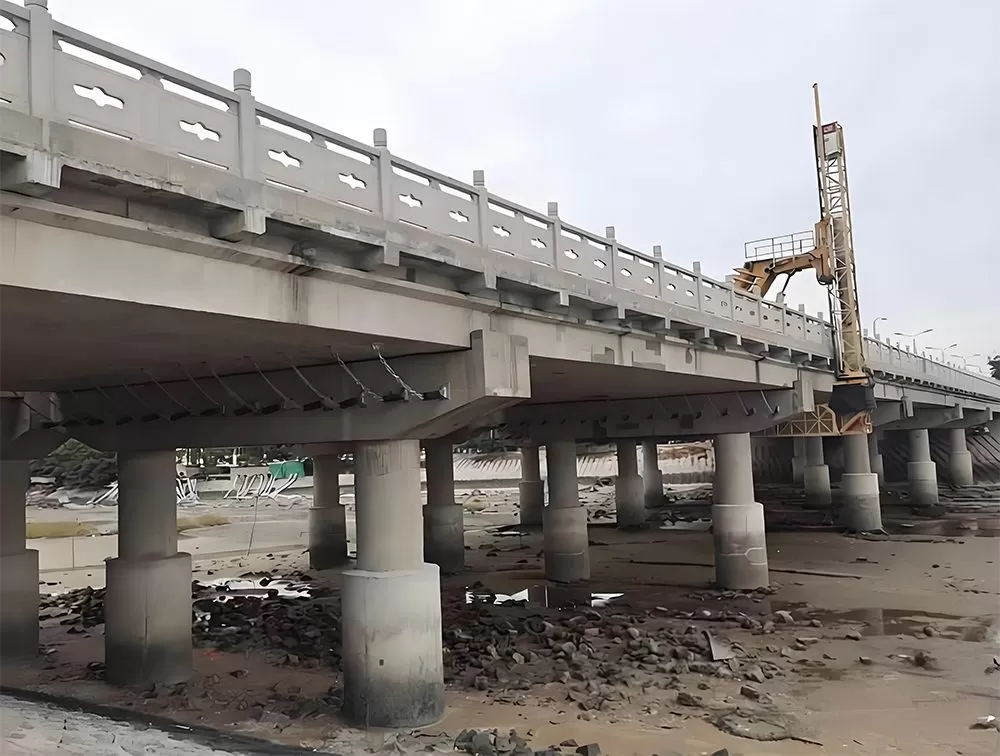
The Critical Role of Bbridge Expansion in Ensuring Bridge Longevity and Safety
Article content and related resources
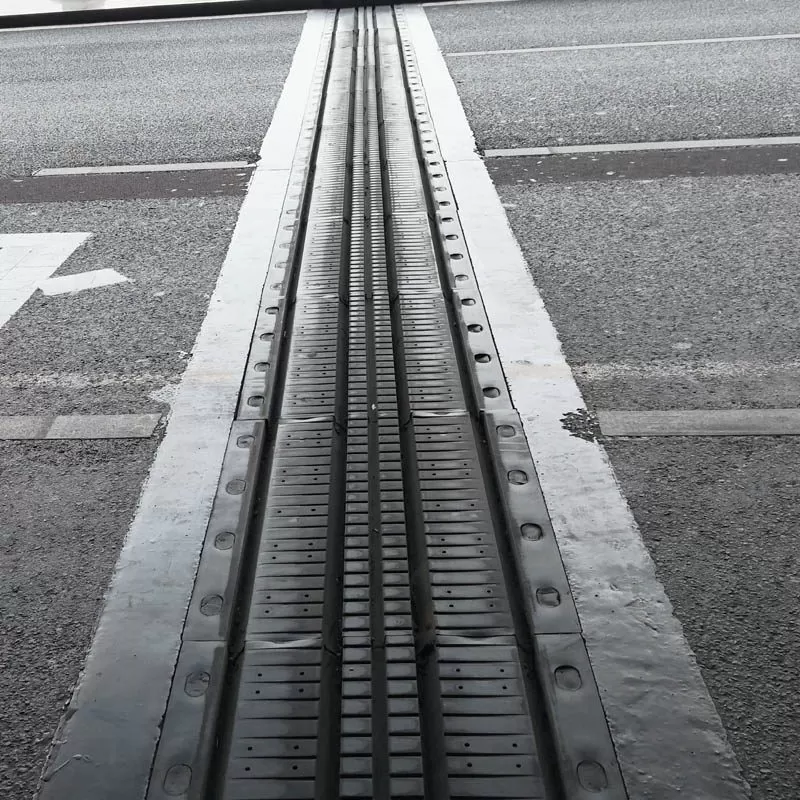
The structural integrity of contemporary transportation networks relies fundamentally on the performance of expansion systems integrated within bridge superstructures. As bridge spans increase and traffic loads intensify, the engineering community continues to refine the principles of bbridge expansion to accommodate thermal movements, concrete creep, and seismic displacements. This comprehensive analysis delivers a technical deep-dive into the engineering nuances of bbridge expansion, offering infrastructure professionals a detailed reference for design, specification, and maintenance practices.
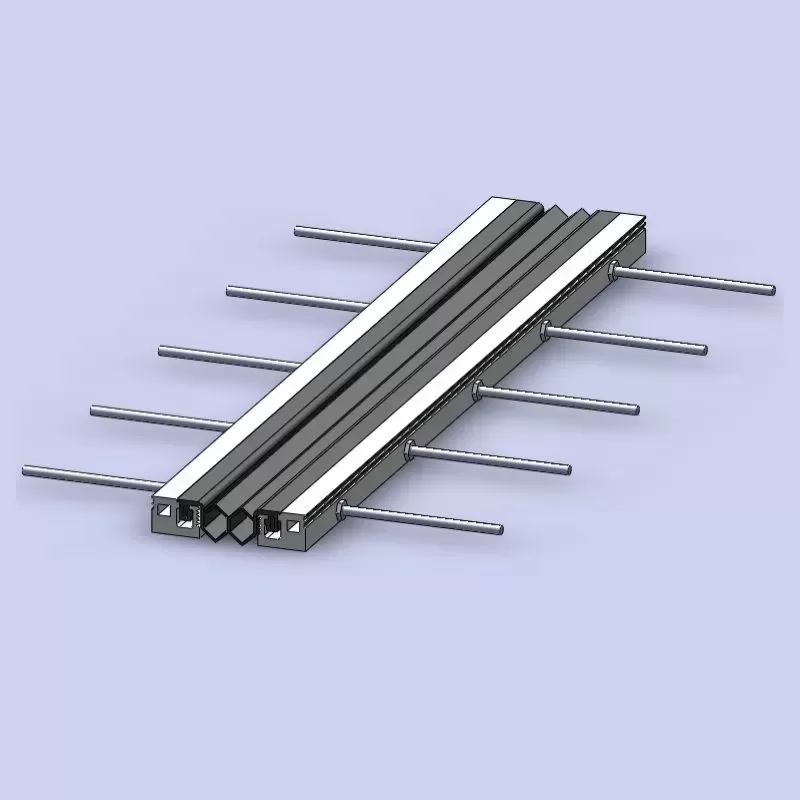
Engineering Fundamentals of Bbridge Expansion Systems
At its core, bbridge expansion refers to the engineered systems that allow bridge decks to expand and contract in response to temperature fluctuations, vehicle loading, and long-term material deformations. These systems are critical for preventing structural distress that could compromise service life and user safety. The primary objective of any bbridge expansion system is to accommodate movement while maintaining a smooth, continuous riding surface for vehicles and pedestrians.
Thermal expansion remains the primary driver of movement in most bridge structures. A typical steel or concrete bridge deck can experience dimensional changes exceeding several centimeters across a 100‑meter span, depending on the local climate range. Without properly designed bbridge expansion systems, these movements would induce excessive stresses at fixed supports, leading to cracking, bearing failure, or even catastrophic collapse. The engineering challenge lies in creating expansion devices that are both flexible enough to accommodate large displacements and robust enough to withstand millions of load cycles over decades of service.
Material Science in Expansion Device Manufacturing
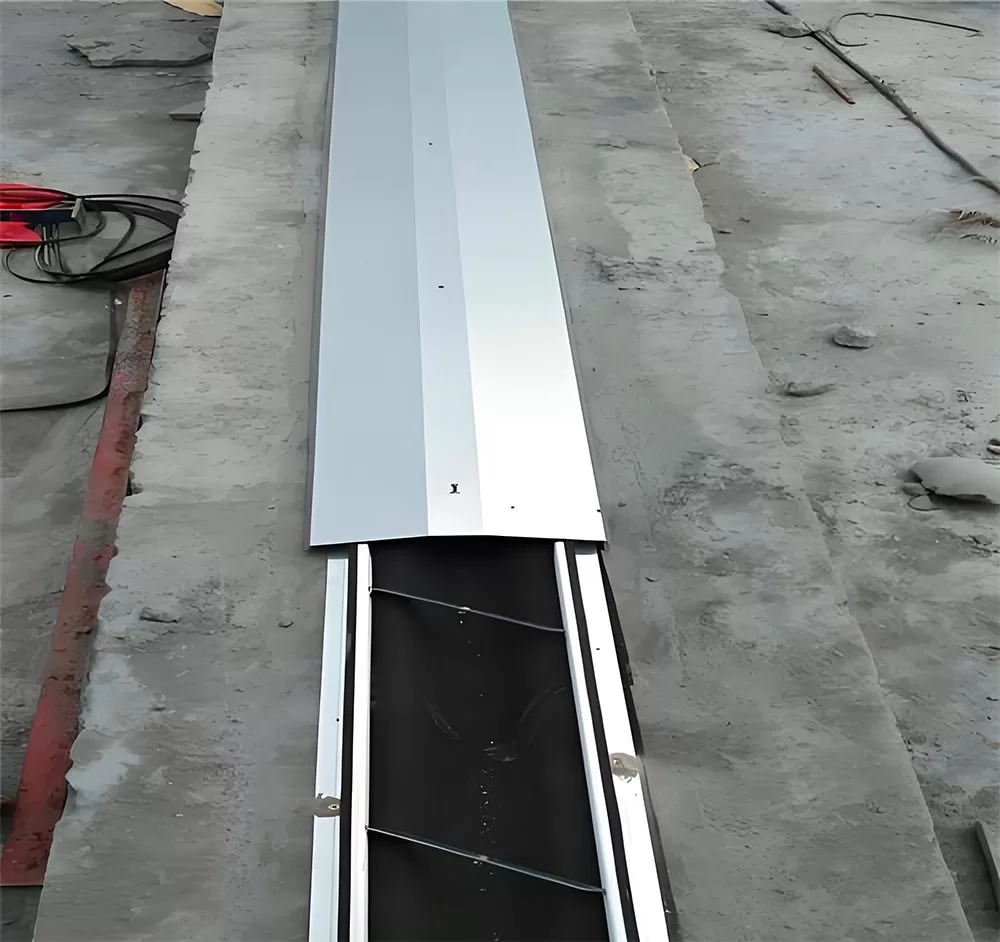
Modern bbridge expansion systems utilize a variety of materials, each selected for specific performance attributes. Elastomeric components, typically composed of high‑grade natural or synthetic rubber compounds, provide the necessary flexibility and damping characteristics. These materials must exhibit excellent resistance to ozone, UV radiation, and environmental aging. Steel components, including edge beams, support bars, and anchorage systems, are fabricated from high‑strength structural steel with corrosion‑resistant coatings or stainless steel alloys for critical applications.
Composite materials have also gained traction in the bbridge expansion sector, offering advantages in weight reduction and corrosion resistance. Fiber‑reinforced polymer (FRP) profiles can be engineered to match the stiffness and movement capacity of traditional steel systems while significantly reducing maintenance requirements. The selection of appropriate materials directly influences the long‑term performance and lifecycle costs of any bbridge expansion installation.
Design Parameters and Technical Specifications
The design of effective bbridge expansion systems requires careful consideration of multiple interdependent parameters. Movement capacity remains the primary design variable, determined by the expected thermal range, coefficient of thermal expansion of the deck material, and the distance between expansion joints. For modern long‑span bridges, movement capacities exceeding 800 mm are not uncommon, necessitating sophisticated modular expansion systems.
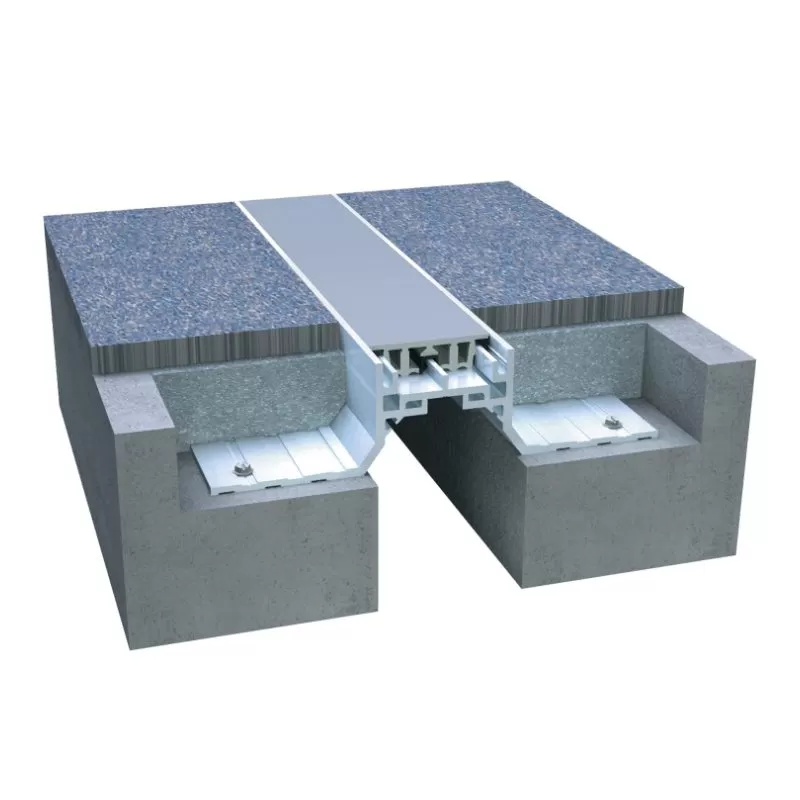
Load transfer mechanisms constitute another critical design aspect. Bbridge expansion systems must effectively transmit vertical and horizontal loads from the deck to the substructure while allowing the required movements. This involves complex interaction between the expansion device, adjacent deck panels, and support bearings. The design process typically employs finite element analysis to model these interactions and optimize the system configuration.
Key design parameters include:
Thermal movement range – calculated from historical temperature extremes at the bridge site.
Dynamic load effects – including traffic‑induced vibrations and braking forces.
Fatigue life – determined by expected traffic volume and heavy vehicle counts.
Seismic displacement capacity – for regions with high earthquake risk.
Watertightness and drainage – to prevent corrosion and debris accumulation.
Application Scenarios Across Bridge Types
The application of bbridge expansion systems varies significantly across different bridge configurations and operational environments. Highway bridges, which constitute the majority of bridge infrastructure, typically employ simpler expansion joint designs with movement capacities in the range of 50 to 200 mm. These systems prioritize durability and low maintenance, with modular joints and elastomeric seals being common choices.
Railway bridges present unique challenges for bbridge expansion systems due to the high dynamic loads and precise alignment requirements. Rail expansion devices must accommodate both thermal movements and the longitudinal forces generated by train traction and braking. The interaction between the expansion system and the continuous welded rail requires specialized engineering approaches to maintain track geometry and ride quality.
Long‑Span and Cable‑Stayed Structures
For long‑span bridges, including suspension bridges and cable‑stayed structures, bbridge expansion systems must accommodate substantial movements while maintaining aerodynamic and seismic performance. These applications often utilize sophisticated modular expansion joints with multiple support beams and advanced sealing systems. The integration of expansion systems with the overall structural behavior of long‑span bridges requires close collaboration between structural engineers and expansion joint specialists.
Seismic considerations play a prominent role in the design of bbridge expansion systems for regions with high earthquake risk. The expansion device must accommodate not only thermal movements but also seismic displacements, which can be significantly larger. KINGWORK, a recognized leader in bridge engineering solutions, has developed specialized bbridge expansion systems that incorporate seismic isolation and energy dissipation features, enhancing the overall resilience of bridge structures in seismic zones.
Industry Challenges and Engineering Responses
The bridge engineering industry continues to face significant challenges related to the performance and longevity of bbridge expansion systems. Premature failure of expansion joints remains a persistent problem, with corrosion, fatigue, and seal degradation being the most common failure modes. These issues often result from inadequate design details, poor material selection, or insufficient maintenance practices. The economic implications of expansion joint failure are substantial, encompassing direct repair costs and indirect expenses from traffic disruption and structural damage.
Durability enhancement has become a primary focus in the development of next‑generation bbridge expansion systems. Advanced protective coatings, improved drainage designs, and enhanced seal geometries have all contributed to extending service life. KINGWORK engineering teams have pioneered the use of high‑performance elastomeric compounds and corrosion‑resistant alloys in their expansion systems, addressing the fundamental durability concerns that have historically plagued these critical bridge components.
Common industry challenges and corresponding solutions include:
Corrosion of steel components – mitigated by using stainless steel or applying multi‑layer protective coatings.
Elastomer degradation – addressed through improved compound formulations with enhanced UV and ozone resistance.
Debris and water infiltration – solved by integrating effective drainage channels and self‑cleaning seal geometries.
Fatigue cracking under heavy loads – countered by refined structural detailing and rigorous fatigue testing during design.
Misalignment during installation – prevented by precise on‑site quality control and use of adjustable anchorage systems.
Fatigue Resistance and Long‑Term Performance
Fatigue resistance is particularly crucial for bbridge expansion systems subjected to high traffic volumes and heavy truck loads. The expansion device must withstand millions of load cycles over its design life without developing cracks or excessive deformation. Fatigue testing, conducted according to international standards, evaluates the performance of expansion systems under representative loading conditions. These tests provide essential data for validating design assumptions and ensuring long‑term reliability.
Inspection and maintenance strategies for bbridge expansion systems have evolved significantly in recent years. Condition monitoring techniques, including strain gauging, acoustic emission monitoring, and visual inspection protocols, enable early detection of distress and facilitate timely intervention. Regular maintenance, including seal replacement, cleaning, and lubrication, is essential for maximizing the service life of expansion systems and preventing unplanned disruptions to bridge operations.
Seismic Performance and Isolation Capabilities
Seismic performance has emerged as a critical consideration in the design of bbridge expansion systems for regions with active tectonics. The expansion device must accommodate large cyclic displacements while maintaining its load‑bearing capacity and sealing function. Advanced seismic isolation systems, integrated within the bbridge expansion concept, employ elastomeric bearings and damping devices to reduce seismic forces transmitted to the substructure. This integrated approach enhances the overall seismic resilience of bridge systems and reduces the risk of collapse during major earthquakes.
The complexity of modern bridge designs demands sophisticated bbridge expansion solutions that can meet the diverse performance requirements of different projects. Custom‑engineered systems, designed to address specific project constraints and operational demands, have become increasingly common. The integration of expansion systems with other bridge components, including bearings, dampers, and deck joints, requires careful coordination and detailed engineering analysis.
Maintenance and Condition Monitoring Strategies
Effective maintenance is the cornerstone of ensuring prolonged service life for any bbridge expansion system. A well‑structured maintenance plan should include regular inspections, timely cleaning, and prompt repair of any detected anomalies. The following key maintenance actions are recommended for optimal performance:
Quarterly visual inspections to identify debris accumulation, seal damage, or corrosion.
Annual cleaning of drainage channels and joint gaps using high‑pressure water or air.
Bi‑annual lubrication of all moving parts, such as hinge pins and sliding surfaces.
Periodic non‑destructive testing (e.g., ultrasonic or magnetic particle) for critical steel components.
Immediate replacement of any damaged seals or gaskets to prevent water ingress.
Full functional testing after any major seismic event or extreme temperature excursion.
KINGWORKS's engineering experts recommend adopting a risk‑based maintenance approach, where inspection intervals are adjusted based on the criticality of the bridge and its exposure conditions. This strategy ensures resources are allocated efficiently, maximizing the return on investment in bridge infrastructure.
Frequently Asked Questions About Bbridge Expansion
What is the primary function of a bbridge expansion system?
The primary function is to accommodate dimensional changes in the bridge deck caused by thermal variations, concrete shrinkage and creep, and seismic events. By allowing controlled movement, the system prevents excessive stress build‑up, while providing a continuous and safe riding surface for traffic.
How is the required movement capacity determined for a specific bridge project?
Movement capacity is determined by calculating the expected thermal range at the bridge location, considering the coefficient of thermal expansion of the deck material, and measuring the distance between fixed points. Additional allowances are made for concrete shrinkage, creep, and anticipated seismic displacements, following established engineering standards.
What materials are commonly used in the manufacture of expansion systems?
Common materials include high‑grade elastomeric compounds (natural and synthetic rubber), structural steel with corrosion‑resistant coatings, stainless steel alloys, and increasingly, fiber‑reinforced polymer composites. Selection depends on specific performance requirements, including movement capacity, load rating, and environmental exposure.
What are the primary causes of expansion system failure?
The most frequent causes are corrosion of steel components, degradation of elastomeric seals due to environmental exposure, fatigue cracking from repeated traffic loading, inadequate drainage leading to water accumulation, and improper installation or maintenance. Regular inspection and timely maintenance are essential for mitigating these risks.
How do seismic considerations influence the design of expansion systems?
Seismic considerations require expansion systems to accommodate large cyclic displacements during earthquakes. Features such as increased movement capacity, enhanced damping, and robust anchorage are incorporated to ensure functionality during and after seismic events, preserving the overall bridge integrity.
What is the typical service life of a well‑designed expansion system?
Well‑designed systems can achieve service lives of 25 to 50 years, depending on the system type, traffic loading, environmental conditions, and maintenance practices. Advances in materials and protective coatings are extending durability, but regular maintenance remains crucial for maximum lifespan.
How does the selection of an expansion system impact the overall bridge lifecycle cost?
Selection significantly impacts lifecycle costs through maintenance frequency, repair requirements, and service life. Premium systems may have higher initial costs but often provide lower lifecycle costs due to reduced maintenance demands and extended service intervals. A total cost of ownership evaluation is recommended for informed decision‑making.
What are the key considerations for maintenance of expansion systems?
Key considerations include regular inspection for damage, cleaning of seals and drainage systems, timely replacement of worn components, and application of protective coatings. A comprehensive maintenance plan, developed during design, is essential for optimizing performance and service life.
Can expansion systems be replaced or upgraded without significant bridge downtime?
Yes, using staged construction and lane‑by‑lane replacement, expansion systems can be upgraded while maintaining traffic flow. Advanced planning and coordination with traffic authorities are essential for minimizing disruption.
How do environmental factors affect the performance of expansion systems?
Environmental factors such as temperature extremes, UV radiation, ozone, moisture, and de‑icing chemicals accelerate material degradation and corrosion. Selecting materials with appropriate environmental resistance and implementing protective measures are critical for ensuring long‑term performance.
For detailed technical specifications, product documentation, and engineering support regarding advanced bbridge expansion solutions, infrastructure professionals are encouraged to contact KINGWORK engineering experts. KINGWORK's team of specialized bridge engineers provides comprehensive consultation services, from initial design through installation and lifecycle management.
KINGWORK Engineering Solutions
Email: info@kwbridgebearing.com / sales@kwbridgebearing.com
Website: www.kwbridgebearing.com