PTFE Bearing Pad Mechanics: Tribology, Elastomeric Design, and Specification Criteria
Article content and related resources
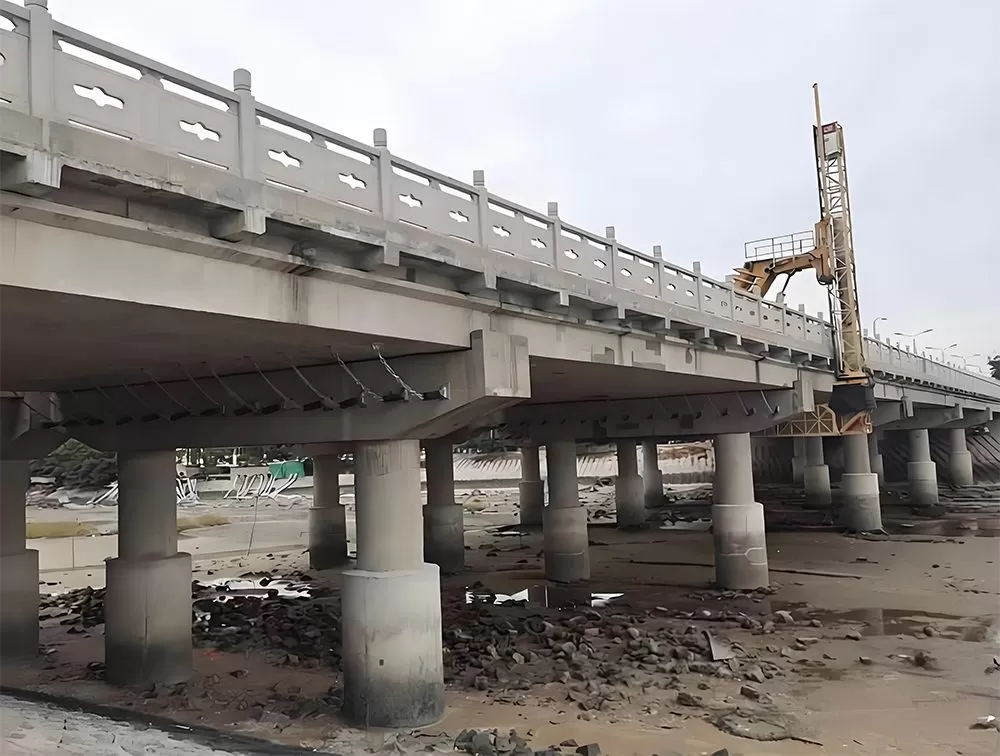
Bridge structural systems and heavy infrastructure require mechanical interfaces capable of isolating dynamic loads while accommodating inevitable superstructure displacements. Thermal cycles, concrete shrinkage, creep, and vehicular braking forces generate multi-axis translational and rotational movements at support locations. When horizontal displacements exceed the shear deflection limits of standard elastomeric bearings, engineering designs incorporate low-friction sliding mechanisms. The modern PTFE bearing pad serves as a foundational component in structural engineering, offering predictable horizontal displacement capacity alongside heavy vertical load distribution.
The mechanical performance of these assemblies depends on the physical chemistry of fluoropolymers, surface tribology against austenitic stainless steel, and composite bonding with elastomeric substrates. Understanding the interrelation of contact pressure, temperature variations, and sliding velocities is vital for structural engineers calculating bridge pier loading, designing expansion joint systems, and specifying long-term substructure components.
Structural Mechanics and Kinematic Principles
Traditional elastomeric bearings accommodate horizontal movement through internal shear strain of alternating rubber layers. However, when the calculated horizontal displacement requires excessive rubber height—which induces lateral instability and uneven compressive stress distribution—a sliding interface becomes mandatory. Integrating a PTFE layer onto the top working surface of a reinforced elastomeric pad decouples the horizontal displacement mechanism from the vertical elastomeric core.
Under vertical service loads, the elastomeric substructure behaves as a flexible cushion, conforming to longitudinal and transverse rotations while attenuating high-frequency vibrations. Horizontal translation occurs via surface slip at the polished metallic boundary. The static and dynamic coefficients of friction govern the magnitude of horizontal force transferred into the substructure piers. As compressive stress increases, the friction coefficient of virgin PTFE decreases asymptotically, yielding optimal performance at bridge pier supports subjected to high dead-load pressures ranging from 15 MPa to 35 MPa.
Kinematic stability demands rigorous control over translational travel limits. Thermal expansion models determine the stroke length, while the elastomeric foundation provides uniform vertical stress distribution to prevent localized stress concentrations along the edges of the sliding plate. If the contact stress drops below minimum thresholds, the friction coefficient rises, increasing the shear forces directed toward substructure abutments.
Material Synthesis and Component Architecture
The performance of a sliding bearing depends on the quality and formulation of its constituent materials. A standard elastomeric sliding bearing assembly features a layered configuration designed to isolate specific mechanical vectors.
Elastomeric Substrate: High-grade polychloroprene (neoprene) or natural polyisoprene (NR) compound vulcanized with alternating internal steel reinforcing shims (AASHTO M251 or EN 1337-3 compliant). This element accommodates angular rotations and sustains vertical compressive loads.
PTFE Sliding Surface: Pure, virgin, unpigmented polytetrafluoroethylene resin molded or skived to exact thicknesses, typically between 1.5 mm and 5.0 mm. High molecular weight polymers provide low friction values and resistance to dynamic creep under load.
Mating Stainless Steel Plate: High-grade austenitic stainless steel, generally conforming to AISI 316 or EN 1.4401, mirror-polished to a surface roughness of Ra ≤ 0.1 µm.
Elastomer-to-PTFE Bonding Matrix: High-temperature vulcanization bonding supported by chemical sodium-naphthalene etching on the non-sliding face of the PTFE sheet, creating permanent mechanical and chemical adhesion.
Manufacturing facilities such as KINGWORK utilize high-precision hydraulic vulcanization presses to ensure simultaneous curing of internal steel shims and structural elastomer while securing the etched fluoropolymer sheet under monitored thermal and pressure profiles. This prevents delamination under cyclic horizontal shear loads.
Tribology of the Sliding Interface: PTFE and Stainless Steel
The engineering physics governing the interaction between PTFE and stainless steel involves complex microscopic surface dynamics. Polytetrafluoroethylene exhibits an exceptionally low friction coefficient due to its linear molecular structure; symmetrical fluorine atoms shield the carbon backbone, minimizing intermolecular cohesion. During initial structural translation, microscopic amounts of the polymer shear off and transfer to the micro-asperities of the mating stainless steel plate. This transfer film ensures that subsequent translational cycles occur primarily through polymer-on-polymer contact, stabilizing friction coefficients across seasonal thermal variations.
Operating parameters significantly alter tribological behavior:
Influence of Contact Stress: Unlike conventional Coulomb friction models where the friction coefficient remains constant, the friction coefficient of a PTFE bearing pad decreases non-linearly as compressive stress rises. At 5 MPa, friction may measure between 0.06 and 0.08, whereas at 30 MPa, it frequently drops below 0.015 at ambient temperatures.
Velocity Dependencies: High sliding velocities, such as those caused by sudden seismic events or violent live-load braking forces, elevate interface temperatures and slightly elevate dynamic friction coefficients relative to slow, thermally-induced creep movements.
Dimple Pattern Lubrication: Heavy-duty applications employ dimpled PTFE configurations conforming to EN 1337-2 standards. These precisely engineered hemispherical indentations serve as reservoirs for high-stability, non-reactive silicone grease (such as standard structural-grade polysiloxane lubricants). As the bridge girder slides, trace amounts of lubricant sustain fluid-boundary lubrication over service lifespans spanning decades.
Design Methodologies and International Compliance Frameworks
Structural calculations for bearings must comply with established regional and international civil engineering codes, such as AASHTO LRFD Bridge Design Specifications (Section 14), EN 1337, and AS 5100.4. Designers must evaluate the total combined movement, allowable average compressive stress, edge rotational capacity, and longitudinal frictional resistance.
Under AASHTO standards, the shape factor of the internal elastomer layers controls the bulk compression and rotational stiffness, while the sliding plane is checked for minimum and maximum allowable contact stresses. Overstressing the fluoropolymer layer causes permanent cold flow (lateral creep), reducing the sheet thickness and degrading the integrity of the dimpled lubrication pockets. Conversely, understressing results in an undesirably high friction coefficient that transfers excessive thermal shear forces directly to concrete piers.
The technical engineering team at KINGWORK adheres to stringent compressive deflection benchmarks and thickness verification protocols, ensuring that the embedded PTFE sheets retain their geometric profile under long-term sustained dead loads combined with extreme live-load cyclic spikes.
Failure Mechanisms and Preventative Manufacturing Engineering
Evaluating long-term physical degradation modes clarifies why precise manufacturing standards dictate structural longevity:
Fluoropolymer Cold Flow and Extrusion: Sustained compressive stresses combined with high operating temperatures cause unconfined polymer sheets to migrate laterally. Mitigating this phenomenon requires recessing the fluoropolymer plate into an internal backing steel plate or using specially confined vulcanized pockets within the elastomeric base.
Adhesive Bond Delamination: Inadequate chemical etching or uneven pressure during vulcanization results in separation between the polymer and the underlying rubber. When delamination occurs, horizontal girder translation rucks the sliding sheet, jamming the movement interface and subjecting the substructure to destructive shear loads.
Abrasive Wear from Particulate Contamination: Airborne silica, atmospheric pollutants, and road debris can penetrate the sliding plane. These hard particulates scratch the mirror-polished stainless steel plate, increasing surface roughness and rapidly abrading the softer polymer sheet. Sealed dust skirts or specialized elastomeric wipers provide effective physical isolation.
Rotational Edge Pinching: Excessive structural rotation causes the girder flange to bear down on the perimeter of the sliding sheet. If design rotations exceed the elastomeric rotation capacity, edge pressure peaks exceed material limits, causing localized crushing of the sliding face.
Structural Applications in Civil and Industrial Infrastructure
Because they support multi-directional movement configurations, these bearing units serve diverse structural typologies across civil infrastructure:
Continuous Prestressed Concrete Viaducts: Long continuous decks experience massive cumulative thermal expansions and concrete creep shortenings. Implementing sliding elastomeric bearings at intermediate piers mitigates thermal thrust forces that would otherwise necessitate heavier pier designs.
Curved and Skewed Highway Bridges: Irregular structural geometries produce complex, coupled longitudinal and transverse translations. A multi-directional sliding configuration allows unrestrained planar movements while the underlying rubber layer accommodates multi-axis rotations.
Incremental Launching Construction: Bridges erected via incremental launching methods require specialized temporary and permanent sliding pads. The lower elastomeric pad balances fabrication tolerances and camber variations, while the fluoropolymer surface accommodates continuous launching movements.
Industrial Pipe Racks and Offshore Modules: Heavy industrial piping and petrochemical structural modules experience substantial cyclic thermal variations. The compact design of sliding elastomeric units provides vertical support within constrained structural clearances.
Comparative Evaluation: Pot Bearings, Spherical Bearings, and Sliding Pads
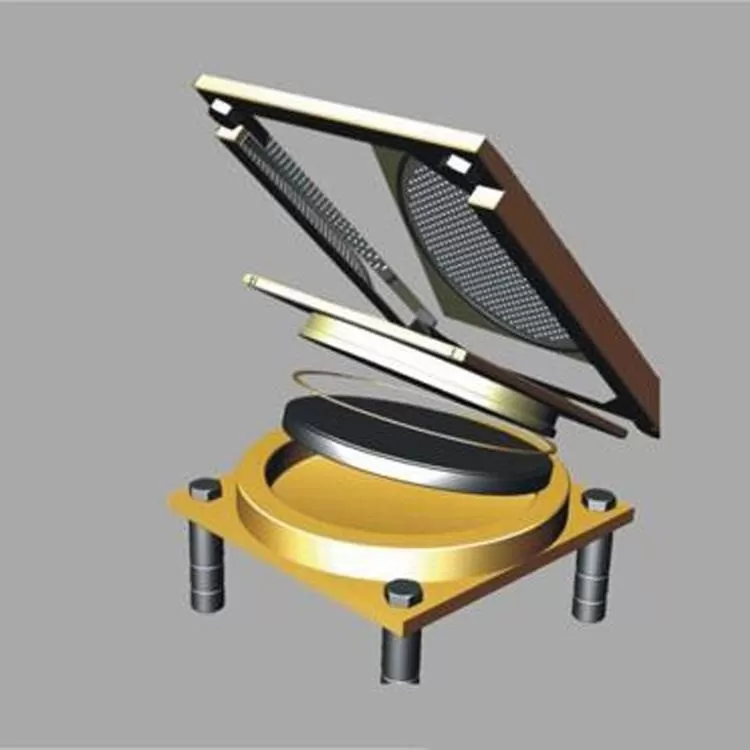
Structural engineers frequently evaluate trade-offs between pot bearings, spherical bearings, and elastomeric sliding designs. Pot bearings confine an elastomeric disc within a machined steel cylinder, achieving exceptional compressive capacity but requiring complex machining, precise sealing rings, and heavy steel fabrication. Spherical bearings handle very high rotations through curved rotational surfaces, yet involve substantial initial investments and greater structural height.
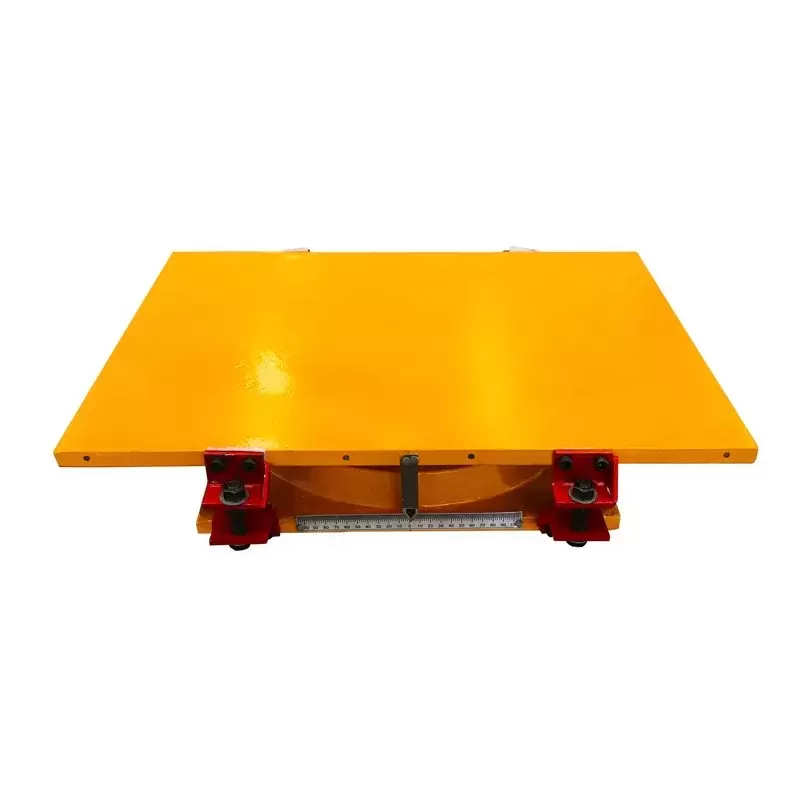
By contrast, an engineered PTFE bearing pad offers a cost-effective, low-profile alternative for small to medium-span bridges and viaducts where angular rotation requirements remain below 0.03 radians. The integration of elastomeric flexibility with a sliding interface eliminates the need for complex internal mechanical piston mechanisms, reducing the dead-load height profile and simplifying maintenance procedures.
Manufacturing Quality Assurance and Laboratory Testing
Validation of mechanical performance relies on standardized physical laboratory testing under calibrated test equipment. Production lots must undergo both material qualification and full-scale factory production control testing:
Friction Verification Tests: Full-scale bearings are placed in dynamic test rigs under varying vertical compressive pressures (ranging from 5 MPa to the design limit) and subjected to cyclic horizontal displacement strokes. Long-term dynamic coefficients must remain below the design limits defined in the project specification.
Compression-Shear Proof Loading: The assembly is tested to 150% of the maximum design vertical load to confirm that zero bond separation occurs along the etched polymer-elastomer boundary and that bulging of the elastomeric core remains uniform.
Polymer Density and Tensile Characterization: Virgin raw materials undergo specific gravity, ultimate tensile strength, and elongation at break evaluations to ensure compliance with ASTM D4894 and EN 1337-2.
Frequently Asked Questions (FAQ)
What is the typical design life of a PTFE bearing pad in bridge
infrastructure?
When manufactured in compliance with international
standards and protected from abrasive environmental debris, these bearings
routinely achieve design lifespans between 25 and 50 years. Longevity depends
primarily on maintaining the integrity of the stainless steel surface roughness
and protecting the sliding interface from airborne sand, road salts, and
chemical pollutants.
Why is dimpled PTFE used instead of a completely flat
sheet?
Dimpled surfaces feature precise patterns of small
indentations that retain structural silicone grease. This continuous lubricant
reservoir prevents dry sliding during minor daily thermal oscillations,
maintaining the lowest possible static and dynamic friction coefficients
throughout decades of bridge service.
How does low ambient temperature impact the sliding friction of the
bearing?
As ambient temperatures drop below freezing, polymer
stiffness increases, which raises the friction coefficient of the sliding plane.
At -35°C, friction values can be double or triple those measured at +20°C.
Designers working in sub-arctic climates must account for these higher
horizontal shear forces when designing pier columns and abutments.
Can these bearing assemblies accommodate non-planar
rotations?
The underlying reinforced elastomeric component deforms
elastically, allowing multi-axis rotational movement (both longitudinal and
transverse). Rotational capacity depends on the total thickness of the
elastomer, the shape factor of the internal rubber layers, and the allowable
edge compressive stresses under maximum rotational deflection.
What is the fundamental difference between virgin PTFE and filled
PTFE?
Virgin PTFE contains 100% pure fluoropolymer resin without
additives, delivering the lowest friction coefficient against polished stainless
steel. Filled PTFE incorporates materials like glass fibers, carbon, or bronze
to elevate compressive creep resistance and wear resistance. However, fillers
increase the friction coefficient, making virgin resin the standard choice for
bridge sliding assemblies.
Technical Specification and Procurement Support
Selecting the optimal bearing dimensions requires an exhaustive review of structural design actions. Design engineers, bridge contractors, and project procurement teams must provide defined loading combinations, structural movement envelopes, and environmental criteria to establish precise dimensional schedules:
Ultimate and Serviceability Limit State vertical load capacities (dead load, live load, dynamic impact).
Longitudinal and transverse translational movement limits (positive and negative stroke lengths).
Maximum angular service rotations about transverse and longitudinal axes.
Operating temperature boundaries according to local bridge design codes.
Exposure conditions, including marine salinity levels, chemical environments, and debris exposure.
Engineering departments require structural review to match structural load plates, elastomeric compounding, and stainless steel finishes to site-specific engineering demands. Detailed design schedules, load-displacement matrices, and technical inquiries can be submitted directly to KINGWORK engineering specialists for technical evaluation, load capacity calculations, and custom structural proposals.