
Structural Design Principles of Laminated Elastomeric Bridge Bearings
Article content and related resources
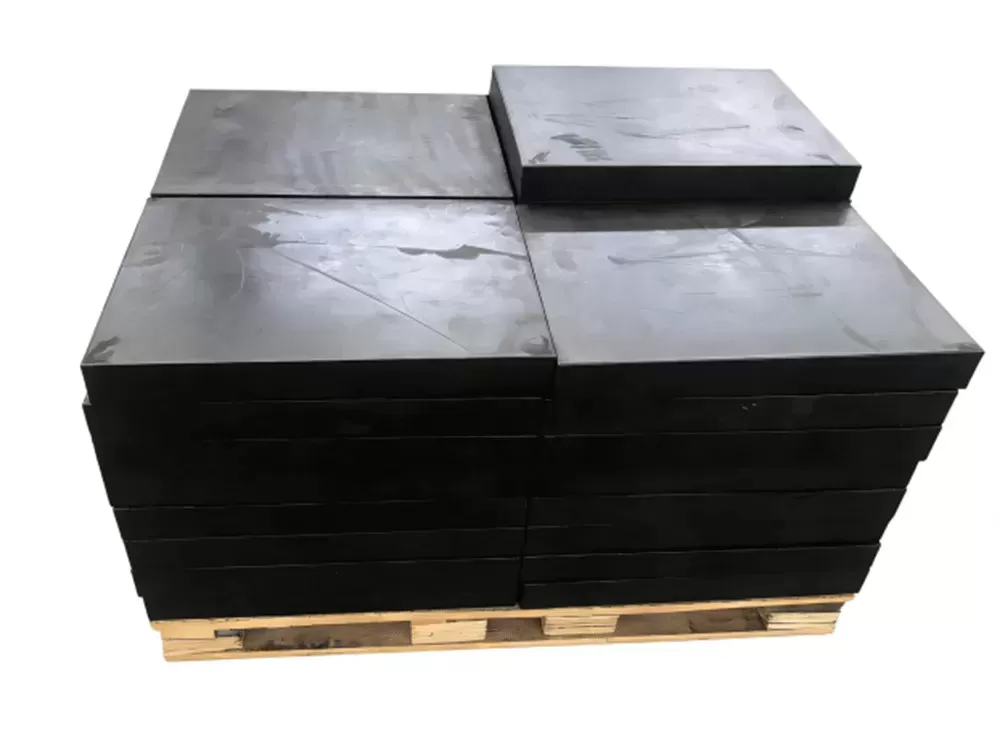
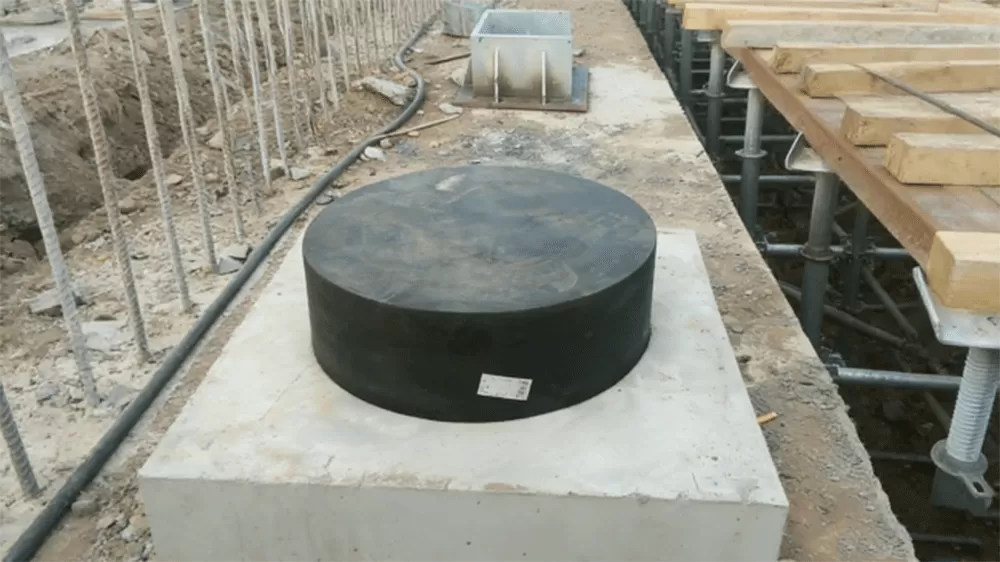
Bridges are dynamic structures subjected to continuous movement caused by thermal variation, traffic loads, wind forces, and seismic activity. To prevent these movements from inducing destructive stresses in the piers and abutments, structural designers must implement flexible support systems. Among the various solutions available, the design and selection of elastomeric bridge bearings is a decision that directly influences the long-term durability of the entire transportation infrastructure. These components act as structural connections, transmitting vertical loads from the superstructure to the substructure while permitting horizontal displacement and rotational movement. Manufacturers like KINGWORK engineer these components using specific compound formulations and internal steel reinforcement to meet rigorous performance specifications.
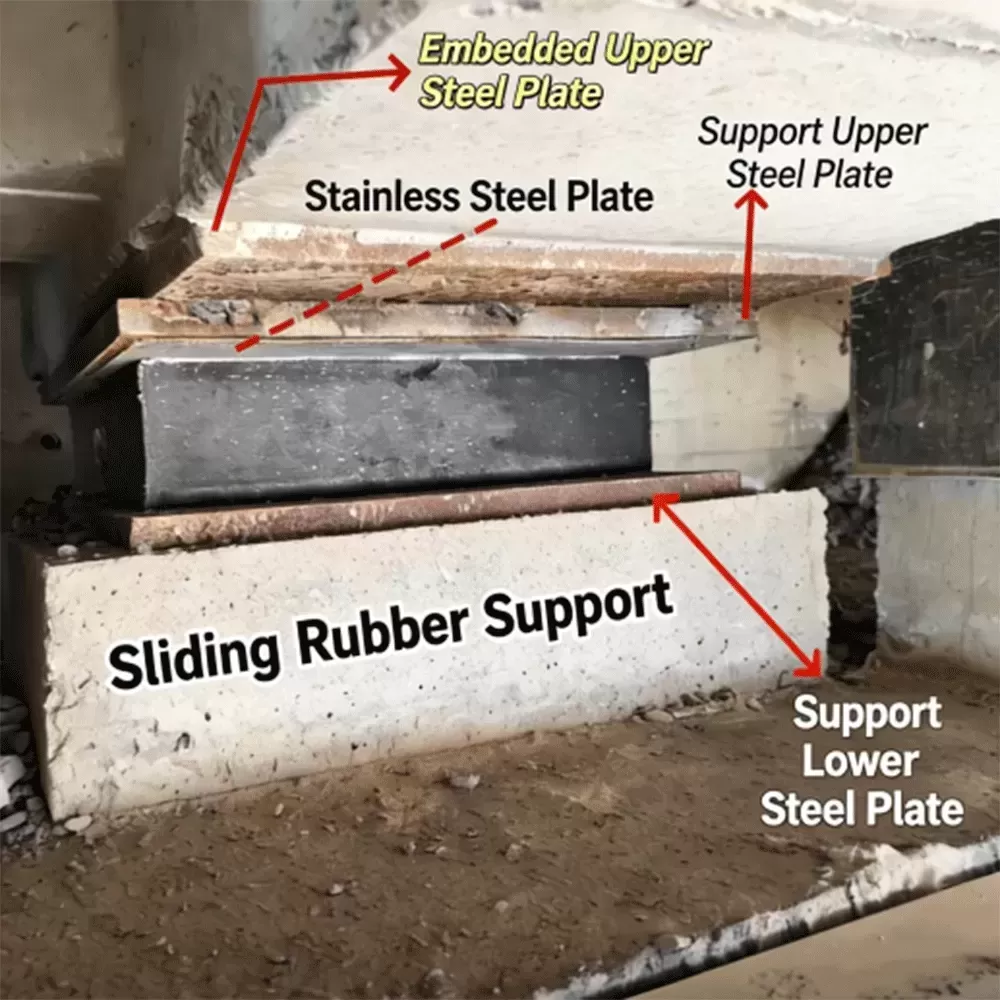
Engineering Mechanics of Laminated Bearings
The primary function of a laminated bearing is to provide a high level of vertical stiffness combined with a low horizontal shear stiffness. This dual characteristic is achieved by alternating layers of elastomer with thin steel plates, which are bonded together under high pressure and temperature during the vulcanization process.
To evaluate the load-carrying capacity and deformation behavior under service conditions, calculating the performance of elastomeric bridge bearings requires a precise understanding of the shape factor. The shape factor (S) represents the ratio of the loaded area of a single elastomer layer to the area of its free perimeter. Mathematically, for a rectangular bearing pad, the shape factor is expressed as:
S = (L × W) / (2 × t × (L + W))
Where:
L is the length of the bearing pad
W is the width of the bearing pad
t is the thickness of an individual elastomer layer
A higher shape factor restricts the lateral bulging of the elastomer under vertical load, thereby increasing the compressive stiffness of the bearing. Conversely, the horizontal shear stiffness is independent of the shape factor, as it depends solely on the plan area of the bearing and the total thickness of the elastomer layers. This decoupled behavior allows structural designers to size the bearing to support massive vertical loads while remaining flexible enough to accommodate thermal expansion and contraction without generating high reaction forces on the substructure.
Shear Modulus and Stress Distribution
The shear modulus (G) is a fundamental material property that dictates the horizontal stiffness of the elastomer. Typically, design specifications utilize compounds with a nominal shear modulus ranging from 0.8 MPa to 1.2 MPa. Under lateral displacement, the shear strain in the elastomer must be limited to prevent material instability or roll-over. Structural standards generally limit the maximum design shear strain to a fraction of the total elastomer thickness, ensuring that the bearing remains within its elastic limits under peak thermal displacements.
Material Characterization: Natural Rubber vs. Chloroprene
The selection of the elastomer compound is governed by environmental exposure, minimum and maximum operating temperatures, and mechanical durability requirements. The two primary elastomeric compounds used in structural bearings are natural rubber (polyisoprene) and chloroprene (commonly known as neoprene).
Natural Rubber (NR): Known for its superior low-temperature flexibility and resilience, natural rubber exhibits minimal crystallization at low temperatures, making it highly suitable for cold climates. It possesses high tensile strength and tear resistance, although it requires protective anti-ozonants to resist atmospheric degradation.
Chloroprene (CR): Neoprene offers excellent resistance to ozone, ultraviolet radiation, oil, and atmospheric aging. It is naturally self-extinguishing and maintains consistent mechanical properties over a broad temperature range, though it exhibits higher stiffening tendencies at continuous sub-zero temperatures compared to natural rubber.
Both materials must undergo physical property testing before manufacturing. Standard testing protocols evaluate parameters such as tensile strength, elongation at break, compression set, and accelerated heat aging. The adhesion between the elastomer and the steel laminates is also evaluated using peel test methods, where a minimum peel strength is required to guarantee that delamination will not occur under cyclic shear loading.
Design Challenges and Engineering Solutions
When utilizing elastomeric bridge bearings under extreme environmental conditions, structural engineers encounter several design challenges that must be addressed during the early stages of project planning.
Slippage and Migration
One common field issue is the displacement or "walking" of the bearing pad from its designed position. This occurs when the shear forces generated by thermal movement exceed the friction force between the elastomer and the concrete masonry plate. When the minimum dead load is insufficient to prevent slippage, engineers must specify mechanical restraint systems. This can include vulcanizing outer steel sole plates to the top and bottom of the bearing, which are then bolted or welded to the steel girder or concrete beam, securing the assembly firmly in place.
Extreme Temperature Stiffening
In regions with severe winters, the elastomer can undergo thermal crystallization, which leads to a significant increase in shear modulus. This sudden stiffening increases the forces transmitted to the bridge piers, potentially causing damage to the concrete. To address this, specialized low-temperature formulations are required. Compounding chemistry must be carefully adjusted with specific plasticizers and curing packages to ensure the material remains flexible down to temperatures as low as -40 degrees Celsius.
Edge Bulging and Bond Degradation
Under heavy, eccentric vertical loads, the elastomer layers bulge outward. If the bulging is non-uniform, it indicates eccentric loading or uneven concrete surfaces, which can cause localized stress concentrations. Over time, these stress concentrations can degrade the adhesive bond between the steel shims and the elastomer. Proper structural detailing must include provisions for leveling the concrete pedestal with high-strength epoxy grout to ensure uniform pressure distribution across the entire bearing surface.
Global Standards and Performance Verification
Bridge construction projects require strict compliance with international manufacturing and testing standards. Structural components fabricated by KINGWORK undergo routine and design-specific testing to verify compliance with major specifications such as AASHTO LRFD, EN 1337-3, and AS 5100.4.
Testing protocols generally involve two distinct levels of verification:
Material Verification: Destructive testing of compound samples to confirm hardness, tensile strength, ozone resistance, and low-temperature behavior.
Full-Scale Bearing Testing: Non-destructive and destructive testing of completed bearing pads. This includes compression tests up to 1.5 times the design load to check for bulging uniformity and visual defects, as well as shear tests to verify the actual shear modulus (G-value) of the production run.
These testing programs ensure that the physical performance of each batch matches the design assumptions used in the finite element analysis of the bridge structure.
Guidelines for Installation and Field Performance
The performance of any structural bearing pad is heavily dependent on the quality of its installation. The correct alignment and positioning of elastomeric bridge bearings prevents premature wear and structural distress.
Surface Preparation
The bearing seat must be flat, level, and free of voids or protruding aggregates. Any slope in the bridge girder must be compensated for by using tapered sole plates or beveling the concrete pedestal itself, ensuring that the bearing operates under a uniform, horizontal plane. Rough concrete surfaces should be ground smooth or filled with epoxy mortar to achieve a flat contact surface.
Alignment Protocols
During installation, the bearing must be aligned precisely with the longitudinal axis of the bridge. Misalignment can introduce transverse shear stresses, which the bearing may not be designed to accommodate, leading to skewed deformation and accelerated wear at the corners of the pad.
Routine Visual Inspection
Bridge operators must schedule regular visual inspections of the bearings to monitor their condition over a service life that often exceeds fifty years. Inspectors should look for:
Excessive or non-uniform bulging of individual elastomer layers
Visible cracks in the elastomer, particularly near the steel plate interfaces
Corrosion of exposed steel elements or anchor bolts
Accumulation of dirt, debris, or moisture around the bearing seat that could restrict movement
Signs of sliding or offset from the original template positions

Sourcing Laminated Bearings for Infrastructure Projects
Each bridge project presents unique structural demands, from small span highway overpasses to large, complex multi-span viaducts. Because there is no universal solution, structural support elements must be configured to match the exact load, translation, and rotational requirements of the specific design.
To assist in selecting the appropriate bearing configuration, project managers and engineers should compile a detailed design schedule. This schedule must outline the maximum and minimum dead loads, live loads, maximum thermal movement, design wind forces, and rotational limits. Sharing these parameters during the design stage ensures the manufactured bearings will perform reliably under all service conditions.
For custom engineering consultations, structural detailing assistance, or to receive a comprehensive quote based on your project drawings, contact the engineering department at KINGWORK.
Frequently Asked Questions
Q1: What are the primary differences between natural rubber and chloroprene in elastomeric bridge bearings?
A1: Natural rubber offers superior performance in cold climates due to its high resistance to low-temperature crystallization and lower stiffening rates. Chloroprene (neoprene) provides enhanced resistance to ozone, atmospheric aging, chemical exposure, and oil, making it suitable for coastal areas or industrial environments where chemical resistance is required.
Q2: Why are steel plates laminated inside the elastomer?
A2: The steel laminates restrict the lateral bulging of the elastomer under vertical compression. This dramatically increases the vertical load-carrying capacity and compressive stiffness of the bearing without affecting its horizontal shear stiffness, allowing the bearing to support heavy loads while remaining flexible laterally.
Q3: What causes an elastomeric bearing to walk or slide out of position?
A3: This occurs when the horizontal shear forces generated by the thermal movement of the bridge deck exceed the frictional resistance between the elastomer and the concrete seat. It is typically resolved by installing external steel keeper plates, dowels, or vulcanizing sole plates to the bearing that are physically anchored to the structure.
Q4: How does the shape factor affect the durability of the bearing?
A4: A properly calculated shape factor ensures that the compressive stress is distributed evenly within the elastomer layers, minimizing the strain on the internal steel-to-rubber adhesive bonds. An insufficient shape factor can lead to excessive bulging, localized stress concentrations, and premature bond failure.
Q5: Can these bearings accommodate rotational movements?
A5: Yes, they accommodate rotation through differential compression across the plan area of the elastomer. The rubber compresses more on one side and expands on the other to absorb the slope changes of the bridge girder without creating localized hard points.

![Bridge Joint Types: The Complete Engineering Guide [2026 Edition]](https://www.kwbridgebearing.com/storage/non_theme/202606/024.webp)