
Structural Design and Selection of Expansion Joints in Concrete Bridges
Article content and related resources
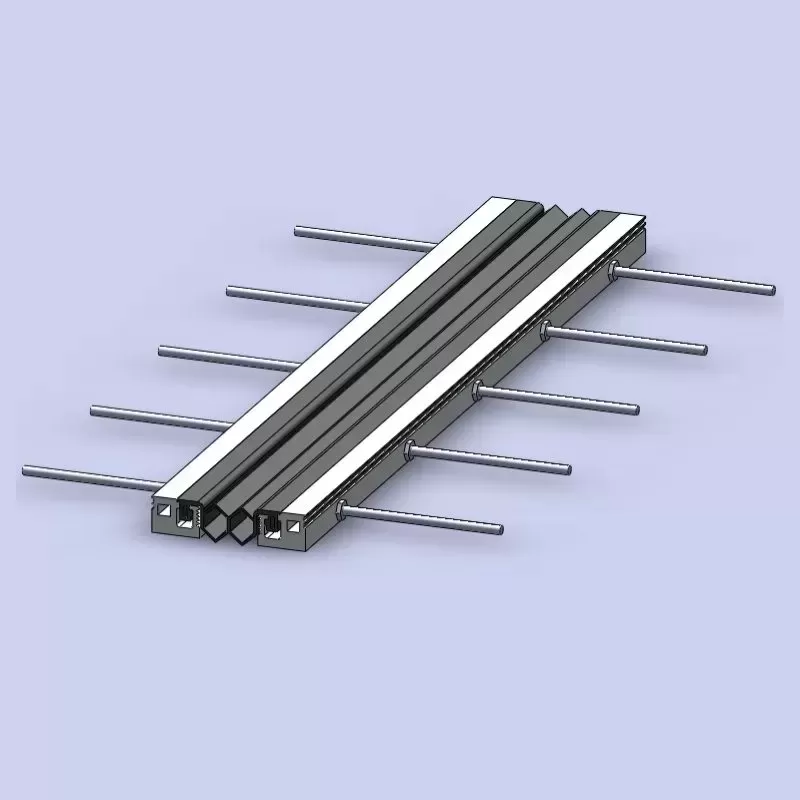
Concrete bridges are subject to a continuous range of environmental and physical forces. From diurnal temperature fluctuations to concrete shrinkage and dynamic traffic loads, these structures must accommodate significant dimensional changes. The implementation of a high-quality expansion joint in concrete bridges is vital for maintaining structural integrity, preventing localized stress concentration, and safeguarding the underlying substructure from chemical and water damage.
Without adequate movement systems, bridge decks would develop severe cracks, concrete spalling, and structural fatigue. Consequently, selecting, installing, and maintaining these systems requires a rigorous understanding of structural engineering, material behaviors, and environmental conditions. This analysis explores the operational classifications, design considerations, and long-term maintenance strategies required to ensure structural durability.
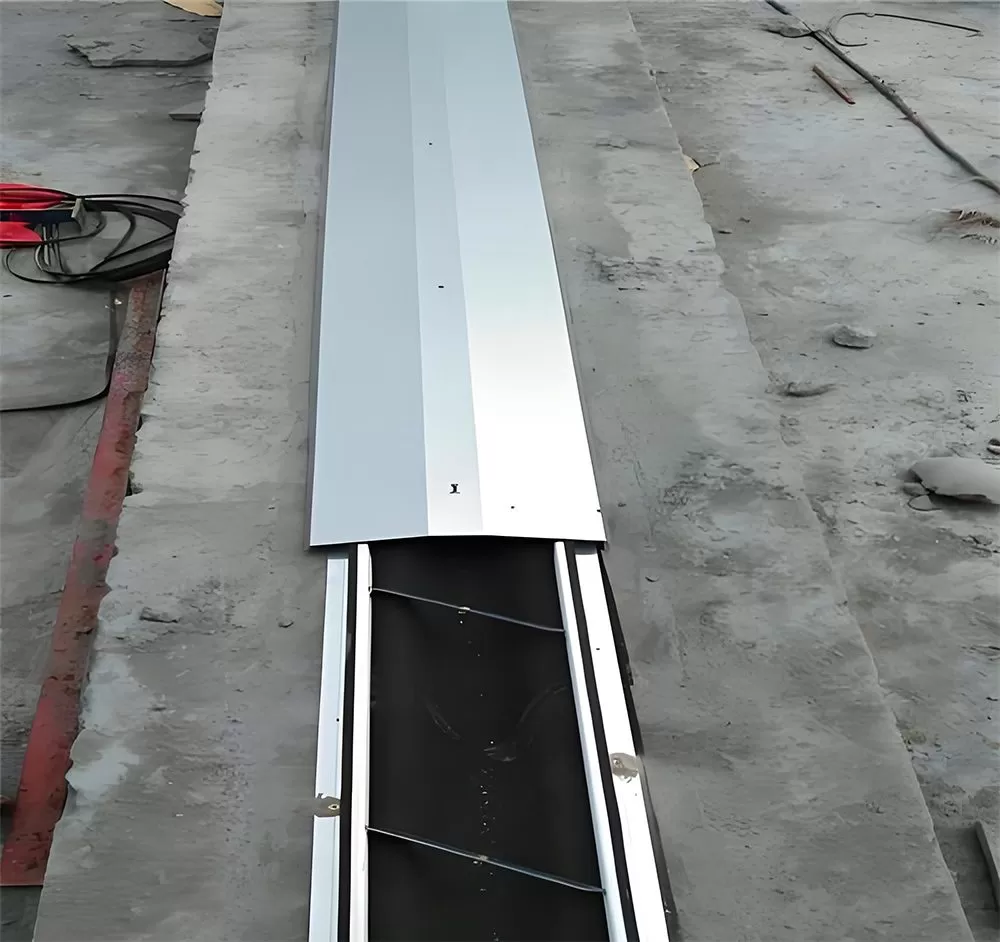
Primary Classifications of Expansion Joint in Concrete Bridges
Bridge designs vary widely in span length, structural configuration, load profiles, and skew angles. Therefore, different types of expansion systems are required to match these specific design profiles. Selecting the correct system depends largely on the anticipated movement range, waterproofing requirements, and economic factors.
1. Strip Seal Joint Systems
Strip seal systems are widely utilized in modern concrete bridges with moderate movement requirements, typically accommodating displacements up to 80 or 100 millimeters. These joints consist of a preformed elastomeric neoprene profile securely mechanically locked into steel edge rails. The steel rails are anchored directly into the concrete deck blockout via high-strength anchor studs.
The primary advantage of the strip seal system is its continuous, joint-free elastomer profile, which provides superior waterproofing capabilities. The mechanical locking mechanism prevents water, deicing salts, and debris from penetrating the joint, thereby protecting the bearings and abutments below. However, regular inspection is necessary to ensure the neoprene seal is free of puncture damage or debris buildup that could restrict natural movement.
2. Modular Bridge Joint Systems
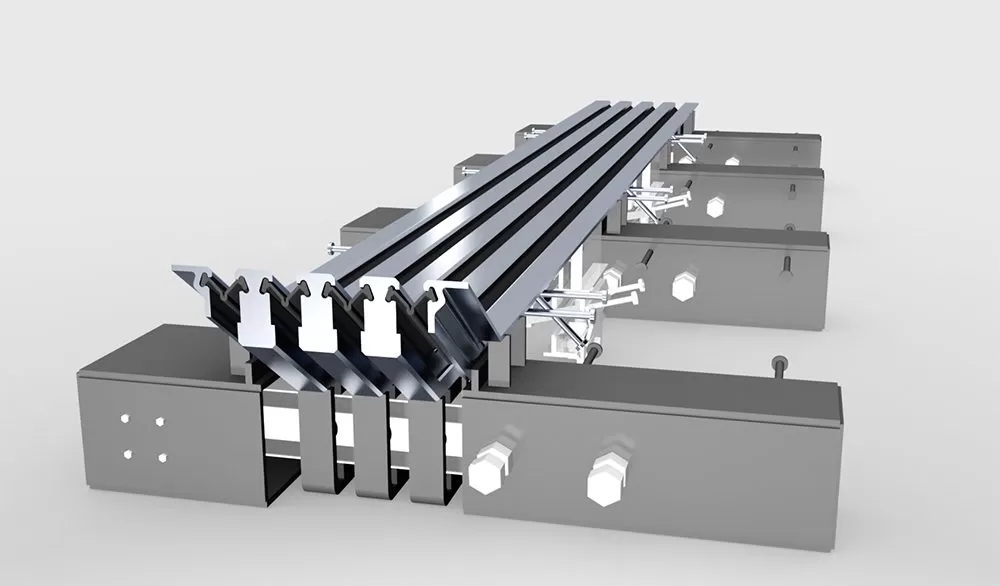
For large-span concrete structures requiring movements exceeding 100 millimeters, modular joints are the industry standard. These highly engineered systems feature multiple individual neoprene strip seals separated by intermediate steel beams, known as center beams. These center beams are supported by transversal support bars that span across the joint gap, sliding within specialized control boxes.
Manufactured assemblies, such as those produced by KINGWORK, incorporate high-grade elastomeric seals to manage complex multidirectional movements, including translations and rotations along three structural axes. Because these systems are subjected to severe fatigue from repetitive wheel load impacts, they require robust structural calculations and high-strength weld configurations to ensure long-term durability under heavy transit conditions.
3. Finger Joint Systems
Finger joints, also referred to as tooth joints, are robust cantilevered steel plates that interlock across the joint gap. These systems are highly suitable for medium to large displacement ranges. Because the interlocking fingers support the vehicle wheels directly as they pass over the gap, finger joints generate minimal noise and vibration, providing a smoother ride quality compared to modular systems.
Despite their structural robustness, finger joints are not inherently watertight. To prevent runoff water from damaging the substructure, a separate drainage trough or neoprene gutter must be installed beneath the interlocking plates. This drainage system requires routine maintenance to prevent clogging from road grit, leaves, and winter sand.
4. Asphaltic Plug Joints
For short-span concrete bridges with low movement requirements (typically under 25 to 50 millimeters), asphaltic plug joints provide a cost-effective, low-noise solution. This system consists of a flexible, polymer-modified binder mixed with selected aggregates, placed over a steel bridging plate that spans the physical expansion gap.
Because the joint is flush with the surrounding asphalt pavement, it offers superior ride quality and is virtually unaffected by snowplow operations. The primary limitation of asphaltic plug joints is their susceptibility to rutting and softening under heavy, slow-moving traffic in high-temperature regions, requiring more frequent replacement compared to rigid steel-and-elastomer systems.
Structural Movements and Engineering Calculations
When engineers determine the requirements for an expansion joint in concrete bridges, movement range calculations must include concrete shrinkage and creep. Accurate calculations are necessary to prevent the joint from reaching its physical movement limits, which could lead to severe structural damage.
The total design movement range, denoted as ΔL, is calculated based on several compounding variables:
Thermal Expansion and Contraction: Calculated using the formula ΔL_temp = α · L · ΔT, where α is the thermal expansion coefficient of concrete, L is the contributing span length, and ΔT is the design temperature range.
Concrete Shrinkage: Concrete loses moisture and contracts over time. This contraction is irreversible and occurs primarily during the first few years after casting.
Concrete Creep: Ongoing compressive stresses from post-tensioning and dead loads cause continuous structural deformation over the lifespan of the concrete bridge deck.
Dynamic Structural Deflection: Rotations and horizontal displacements caused by live traffic loads and wind forces.
Furthermore, in skewed concrete bridges (where the joint is not perpendicular to the direction of traffic), the system must accommodate both normal and parallel displacement components. This shear movement adds complexity to the seal selection process, as standard elastomeric profiles may experience torsional tearing if not designed to handle multidirectional stresses.
Key Material Standards and Structural Durability
The longevity of a bridge expansion system depends heavily on the quality of its components. Structural steel plates, anchorages, and elastomeric seals must withstand severe environmental degradation, chemical exposure from deicing salts, and continuous mechanical impact.
Steel components should conform to high-strength standards, such as ASTM A709 or equivalent structural steel grades, and must receive robust corrosion protection, typically through hot-dip galvanizing or high-performance epoxy coating systems. The anchoring reinforcement must be designed to resist fatigue, as millions of wheel load cycles transfer heavy dynamic loads directly through the joint into the concrete deck headers.
The elastomeric seals are typically manufactured from polychloroprene (neoprene) or ethylene propylene diene monomer (EPDM). These elastomers must display high resistance to ozone degradation, ultraviolet radiation, oil, grease, and extreme temperature variations. Standard laboratory testing protocols assess tensile strength, elongation at break, compression set, and oil immersion behavior to verify long-term performance under field conditions.
Installation Guidelines and Quality Control
Even a perfectly designed expansion system will fail prematurely if installation procedures are compromised. The installation phase demands high precision, close coordination with concrete pouring schedules, and strict adherence to design tolerances.
The installation sequence generally follows these major stages:
Blockout Preparation: The concrete blockout must be cast to precise dimensions, with reinforcing steel exposed and properly aligned. All concrete surfaces must be thoroughly cleaned of laitance, dust, and curing compounds to ensure a secure bond with the secondary pour.
Joint Alignment and Presetting: The expansion joint assembly must be adjusted for temperature before placement. Because the ambient temperature during installation rarely matches the mean design temperature, the physical gap width of the joint must be preset using specialized tension bolts, following the manufacturer’s adjustment charts.
Anchorage Welding and Alignment: The joint is lowered into the blockout, aligned perfectly with the finished road grade, and welded securely to the structural reinforcement of the deck. This stage prevents the joint from shifting during the concrete pour.
Concrete Pouring and Compaction: High-performance, non-shrink concrete or elastomeric concrete mortar is poured into the blockout. Thorough vibration is crucial to eliminate voids beneath the steel anchor plates, which would otherwise lead to localized concrete crushing under heavy wheel loads.
Curing and Sealing: Proper wet-curing protocols must be applied to prevent shrinkage cracks in the blockout concrete. Finally, the elastomeric seals are inspected to ensure they are fully seated, waterproof, and undamaged.
Maintenance Challenges and Structural Longevity
Once installed, the long-term performance of the expansion joint in concrete bridges is influenced by the surrounding environment and maintenance practices. Deposition of road debris, sand, and small stones within the joint gaps can cause severe physical damage. When the bridge deck expands in warm weather, these incompressible materials restrict movement, inducing immense compressive forces that can damage the concrete headers or the joint itself.
Water infiltration is another primary threat to concrete structures. If an elastomeric seal is punctured or dislodged, water containing deicing chemicals (sodium chloride, calcium chloride) will leak through the deck gap, accelerating the corrosion of structural steel bearings, concrete piers, and substructure reinforcement. Over time, this leads to structural degradation, requiring costly concrete remediation.
To mitigate these risks, asset managers should establish routine maintenance programs, including:
High-pressure water cleaning of joint recesses twice a year, especially after winter sand applications.
Periodic visual inspections of elastomeric seals for tears, dry rot, or displacement.
Nondestructive testing of steel anchorages to detect weld cracks or fatigue before failure occurs.
Immediate repair of concrete headers showing signs of minor spalling or cracking.
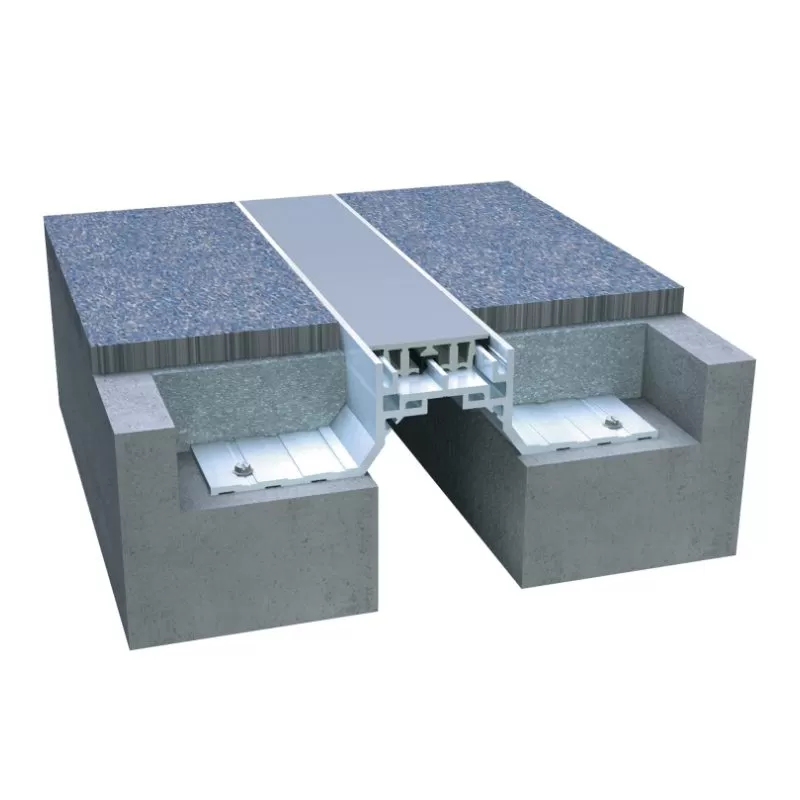
Engineering Solutions by KINGWORK
To address these complex engineering challenges, modern concrete bridge designs require robust and verified expansion solutions. Through precise engineering practices, KINGWORK provides high-durability solutions designed to withstand extreme structural displacements, heavy dynamic traffic, and harsh weather conditions.
By utilizing advanced material formulations and precise manufacturing processes, these systems minimize maintenance requirements and extend the service life of concrete bridge decks. Whether handling simple thermal shifts in short concrete overpasses or managing multidirectional dynamic movements in complex, skewed long-span structures, these engineered systems provide consistent structural protection and reliable water tightness.
Frequently Asked Questions (FAQ)
Q1: What are the primary causes of expansion joint failure in concrete bridges?
A1: Joint failures typically stem from inadequate blockout concrete compaction, incorrect temperature presetting during installation, debris accumulation within the joint gap, or normal material aging of the elastomeric seal under heavy dynamic wheel loads. Proper installation and routine cleaning are the most effective preventive measures.
Q2: How does skewed bridge geometry affect the selection of expansion joints?
A2: Skewed structures undergo diagonal movements relative to the joint axis, causing both normal (opening/closing) and parallel (shear) movements. Standard joints may experience severe shear stress under these conditions, requiring specialized multidirectional systems, such as modular or specifically rated elastomeric joints, to accommodate the complex movement vectors.
Q3: What concrete properties must be considered when calculating joint movement?
A3: Engineers must calculate the elastic modulus, thermal expansion coefficient, shrinkage coefficient, and creep behavior of the concrete. Because concrete continues to shrink and creep for years after installation, these irreversible long-term deformations must be factored into the overall movement capacity calculations of the joint.
Q4: Why is waterproofing crucial for expansion joints on concrete decks?
A4: Waterproofing prevents moisture containing deicing chemicals and road salts from leaking onto the underlying structural bearings, prestressed concrete anchors, and substructures. Uncontrolled water leakage leads to accelerated steel corrosion and concrete carbonation, significantly reducing the service life of the entire bridge structure.
Q5: How does ambient temperature during installation impact the joint setup?
A5: Because concrete bridge decks expand and contract with temperature changes, the width of the expansion gap at the time of installation depends on the ambient temperature. Installers must use temperature correction charts to preset the joint width precisely before welding it to the deck, ensuring the joint can handle subsequent thermal cycles without exceeding its design limits.
B2B Inquiry and Engineering Consultation
Selecting, specifying, or procuring an expansion joint in concrete bridges requires careful analysis of structural movement ranges, environmental parameters, and local engineering standards. Choosing the correct joint system is a vital factor in ensuring the long-term reliability of concrete bridge infrastructure.
Contact the engineering support team at KINGWORK to discuss your specific load requirements, movement ranges, skew configurations, and custom design details. Our technical team is available to assist you in selecting the ideal solution, providing detailed drawings, and offering complete specifications for your next bridge infrastructure project.
![Bridge Joint Types: The Complete Engineering Guide [2026 Edition]](https://www.kwbridgebearing.com/storage/non_theme/202606/024.webp)