
5 Key Factors in Selecting Expansion Joints in Bridge Decks for Long-Span Structures
Article content and related resources
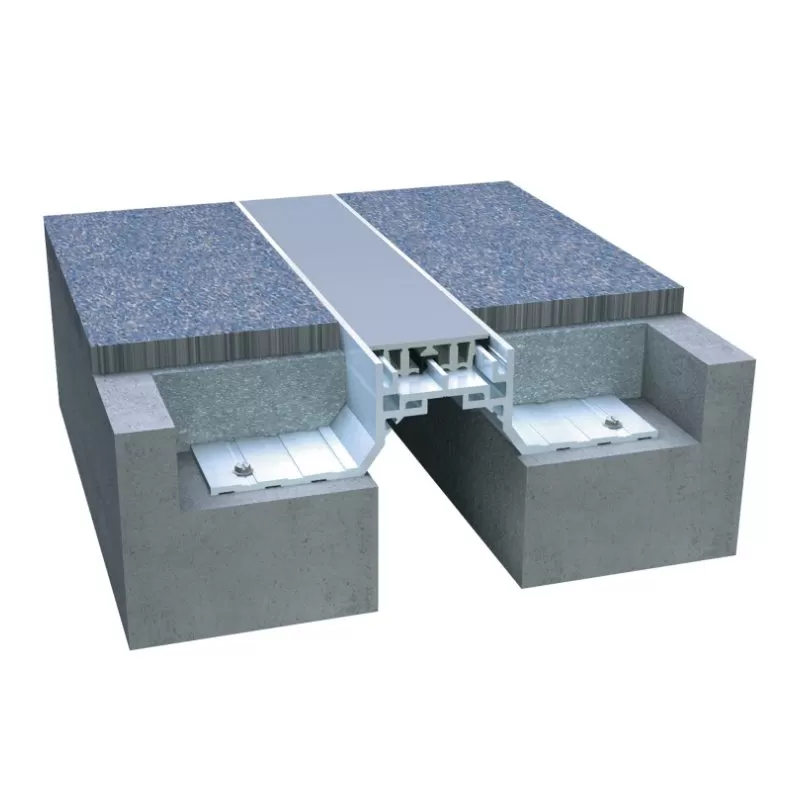
Introduction to Bridge Deck Expansion Systems
Modern highway and railway bridges are subjected to complex, continuous physical forces. Thermal expansion, concrete shrinkage, structural creep, seismic events, and repetitive heavy traffic loads induce continuous movement within the structure. To accommodate these multi-axial displacements while maintaining a continuous riding surface, the selection and maintenance of expansion joints in bridge decks represent a fundamental aspect of civil engineering. These components bridge the structural gaps, transferring wheel loads smoothly while protecting the underlying substructure from environmental degradation.
Inadequate design or premature failure of these joint systems can lead to severe structural issues, including water infiltration, concrete spalling, and accelerated corrosion of bearings and abutments. Consequently, structural engineers must evaluate a variety of parameters before specifying a joint system. Reputable manufacturers like KINGWORK design components that address these complex requirements, balancing structural flexibility with long-term mechanical durability.
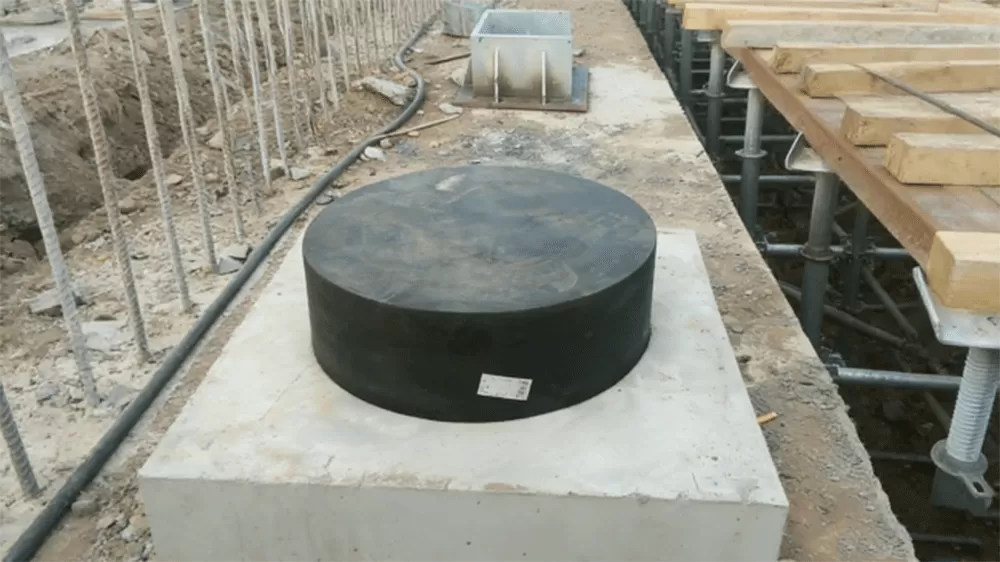
Mechanical Demands and Structural Functions
Bridge decks are not static elements. They expand and contract based on ambient temperature changes, solar radiation, and internal material characteristics. The primary structural functions of joint systems include:
Movement Accommodation: Managing longitudinal, transverse, and vertical displacements caused by temperature variations, live loads, and seismic activities.
Rotational Capability: Allowing angular movements at the ends of the bridge spans under dynamic traffic loading.
Load Transfer: Safely transferring dynamic wheel loads from the deck to the abutments or adjacent spans without inducing high localized stress concentrations.
Waterproofing: Preventing runoff water, chemical de-icers, and debris from penetrating the joint gap and reaching the vulnerable substructure components below.
To perform these functions reliably over decades, the chosen system must withstand high-cycle fatigue from millions of axle passages and resist environmental factors such as ozone, ultraviolet radiation, and extreme temperatures.
Primary Types of Expansion Joints in Bridge Decks
When classifying the primary types of expansion joints in bridge decks, engineers generally categorize them based on their movement capacity, structural configuration, and sealing mechanisms.
1. Strip Seal Joint Systems
Strip seal joints are widely utilized for moderate movement ranges, typically accommodating up to 80 mm (approximately 3 inches) of total movement. These systems consist of a preformed elastomeric neoprene profile secured inside steel edge rails. The steel rails are anchored directly into the deck concrete via heavy-duty reinforcement anchors. Strip seals provide reliable waterproofing because the neoprene membrane is mechanically locked into the steel cavities, preventing water from seeping through the gap.
2. Modular Expansion Joints
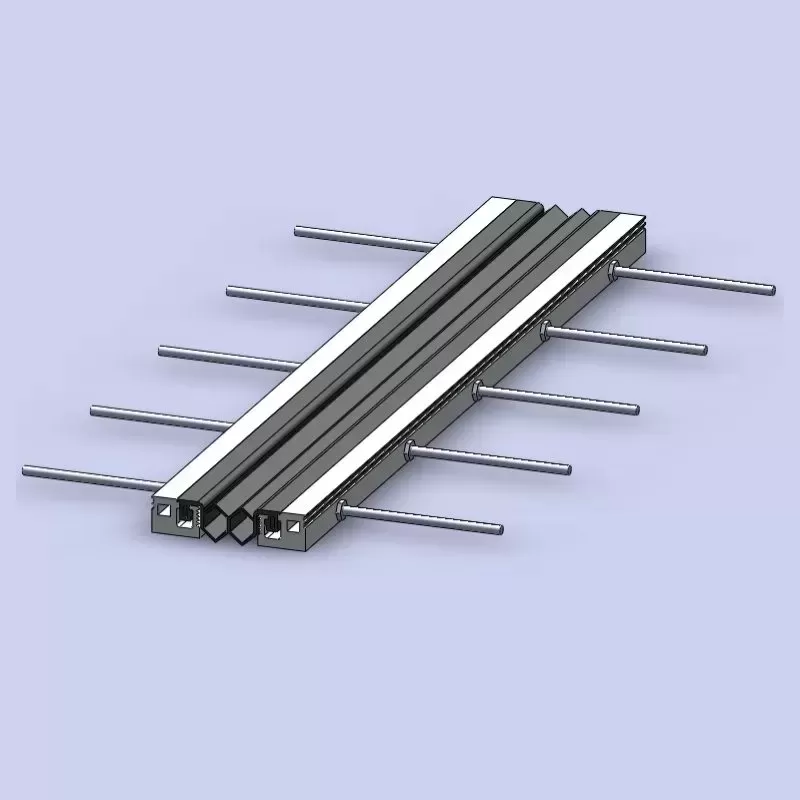
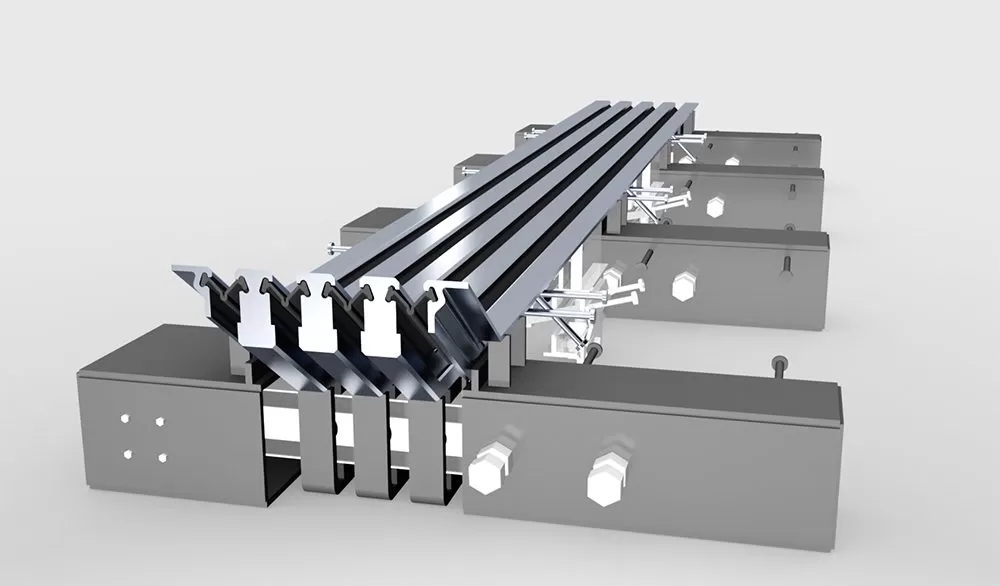
For large-span bridges requiring movements exceeding 80 mm, modular joint systems are specified. These systems utilize multiple elastomeric seals separated by transverse steel beams, known as center beams. The entire assembly is supported on sliding support bars that span the joint gap. This configuration allows the joint to distribute large movements evenly across several smaller chambers. Because of their structural complexity, modular joints require precise engineering to ensure proper load distribution, control spring alignment, and fatigue resistance under high-velocity traffic.
3. Asphaltic Plug Joints
Asphaltic plug joints are flexible, seamless systems suited for small movement ranges, usually up to 40 mm. They consist of a polymer-modified binder mixed with select aggregates, poured hot into a prepared blockout over a metal bridging plate. These joints provide a very smooth, quiet riding surface and are highly cost-effective for rehabilitation projects. However, they are sensitive to extreme temperatures, showing susceptibility to rutting in hot climates and cracking in cold conditions.
4. Cantilever and Finger Joints
Finger joints are open joint systems designed for medium-to-large movements. They feature interlocking steel "fingers" or plates anchored to adjacent spans. While they offer excellent load-carrying capacity and a relatively smooth ride, they are not inherently waterproof. To prevent water damage, they must be paired with drainage troughs suspended beneath the deck gap to collect and divert runoff water.
Engineering Challenges and Material Selection
The operational lifespan of expansion joints in bridge decks depends heavily on the materials specified during the design phase. The environment within a bridge deck blockout is highly aggressive, characterized by moisture, chemical exposure, temperature fluctuations, and continuous vibration.
Steel Components and Corrosion Protection
The steel profiles used in joint systems must exhibit high yield strength and excellent fatigue resistance. Grade S355 or equivalent structural steel is commonly utilized. To prevent premature corrosion from moisture and road salts, these steel components require robust surface treatments. Hot-dip galvanizing, organic zinc-rich coatings, or stainless-steel cladding are standard industry methods. KINGWORK incorporates high-grade structural steel and advanced coating methodologies to ensure the structural framework resists corrosion and chemical attack under harsh environmental conditions.
Elastomeric Elements
The rubber membranes or seals are the primary barriers against water infiltration. Chloroprene (neoprene) and EPDM (Ethylene Propylene Diene Monomer) are the preferred materials. These elastomers must comply with rigorous testing standards, demonstrating high tensile strength, excellent tear resistance, and low compression set. They must also resist ozone degradation, ultraviolet exposure, and oil contamination without losing elasticity or cracking over their intended service life.
Fatigue Limit State (FLS) Considerations
Dynamic impact factor allowances must be included in structural calculations. As heavy vehicles travel over a joint, the impact generates significant stress cycles in the structural steel rails, support bars, and welded connections. Designers utilize finite element analysis (FEA) to ensure that the joint geometry can withstand fatigue limit state (FLS) criteria over millions of loading cycles, avoiding fatigue-induced cracking in critical load-bearing zones.
Installation Methodologies and Quality Control
Even a well-designed joint system will fail prematurely if the installation process is flawed. Proper installation requires strict adherence to step-by-step procedures and careful coordination with the concrete pouring schedule.
1. Blockout Preparation
The blockout—the recessed area in the concrete deck designed to house the joint—must be cleaned thoroughly. All loose concrete, laitance, and rust on exposed reinforcement bars must be removed via abrasive blasting or high-pressure water jetting. The dimensions of the blockout must match the design specifications precisely to ensure adequate coverage of the anchoring grout.
2. Positioning and Alignment
The joint assembly must be set to the correct elevation and grade, matching the longitudinal slope and cross-fall of the finished road surface. Crucially, the installation gap width must be adjusted according to the ambient temperature of the bridge structure at the time of installation. Failure to calibrate the gap for installation temperature can cause the joint to over-compress in summer or over-stretch in winter, leading to physical damage.
3. Anchoring and Pouring Grout
The joint's anchor loops are welded or tied to the deck reinforcement bars. Once secured, high-strength, non-shrink grout or elastomeric concrete is poured into the blockout. This material must exhibit rapid strength gain, excellent bond strength to both steel and concrete, and high impact resistance to cushion the joint against traffic vibrations.
%20(1).webp?t=1779440146760 "024")
Maintenance, Failure Modes, and Mitigation
Establishing preventative inspection protocols for expansion joints in bridge decks is highly beneficial for extending the overall life of the transportation infrastructure. Regular maintenance prevents minor wear from escalating into severe structural damage.
Common Failure Modes
Debris Accumulation: Road grit, sand, and stones can collect inside elastomeric seals or between sliding plates. When the bridge contracts, this debris becomes compacted, preventing the joint from closing properly and causing high localized stresses.
Water Leakage: Torn or dislodged seals allow water containing dissolved road salts to leak through the joint. This leakage directly attacks structural bearings, concrete pier caps, and steel girders below, leading to rapid deterioration.
Anchorage Failure: Repetitive impact from heavy trucks can cause the concrete surrounding the anchoring system to crack or spall, loosening the joint assembly and creating a severe safety hazard for vehicles.
Inspection and Mitigation Strategies
Maintenance departments should conduct visual inspections bi-annually. Inspections should focus on checking seal integrity, detecting signs of concrete cracking near the blockout, and verifying that drainage systems are free of obstructions. When seals show signs of tearing, they should be replaced promptly before moisture can compromise the underlying structure. Debris flushing should be performed at the end of winter seasons to clear out road salt and grit.
Frequently Asked Questions
Q1: What is the primary function of expansion joints in bridge decks?
A1: The primary function is to accommodate the continuous, multi-directional movements of the bridge spans caused by thermal expansion, concrete shrinkage, creep, and structural rotations, while maintaining a smooth, waterproof riding surface for vehicular traffic.
Q2: How often do the elastomeric seals in a bridge joint need to be replaced?
A2: While the steel framework of a joint can last for several decades, the elastomeric seals generally have a service life of 15 to 25 years, depending on traffic volume, environmental conditions, and maintenance frequency. Prompt replacement of worn seals protects the rest of the bridge structure from water damage.
Q3: What causes modular joints to be noisier than other joint types?
A3: Modular joints consist of multiple steel beams and gaps. When heavy vehicle tires pass over these discontinuous steel elements, it generates rapid impact sounds. Noise-reduction measures, such as installing sinus plates or dampening elements, can be integrated into the design to mitigate this effect.
Q4: Why is installation temperature calibration so important?
A4: Bridges expand in warm weather and contract in cold weather. If a joint is installed without adjusting its preset gap width to match the concrete temperature at the moment of installation, the joint may run out of movement capacity during extreme seasonal temperature peaks, causing physical damage or structural binding.
Q5: Can asphaltic plug joints be used on high-movement bridges?
A5: No, asphaltic plug joints are restricted to small movement ranges, typically up to 40 mm. For larger displacements, more robust mechanical systems such as strip seals or modular joints must be specified to handle the structural strains.
Engineering Consultations and Inquiries
Selecting the correct joint system requires a comprehensive evaluation of structural dynamics, environmental loads, and long-term maintenance budgets. Choosing high-quality components and following rigorous installation standards minimizes lifetime structural costs and prevents unexpected lane closures.
For detailed structural assessments, customization options, or project-specific engineering support, please contact our technical team. We collaborate with structural engineers and infrastructure contractors worldwide to deliver durable, code-compliant solutions.
To discuss your project specifications or request a detailed quotation, please submit your inquiry to the KINGWORK engineering department today.
![Bridge Joint Types: The Complete Engineering Guide [2026 Edition]](https://www.kwbridgebearing.com/storage/non_theme/202606/024.webp)