
Selecting the Right HDRB: A 2026 Specification & Sourcing Guide for Structural Engineers
Article content and related resources
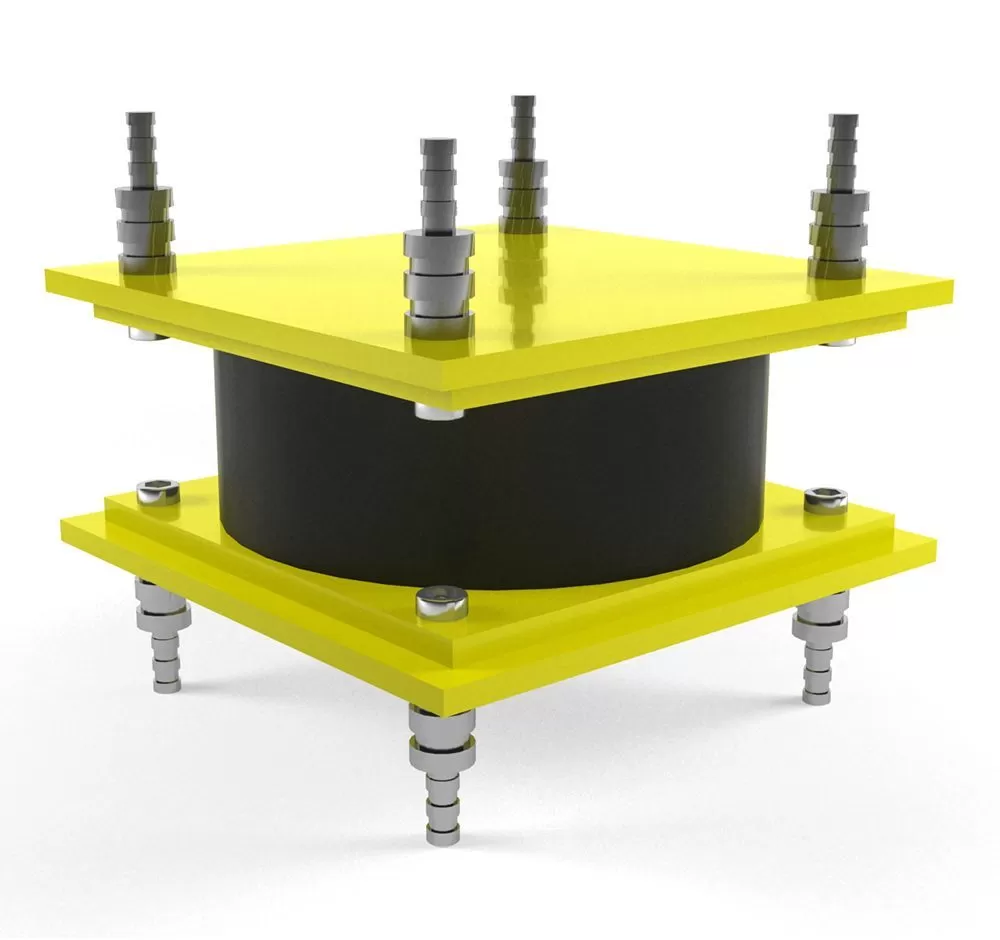
Modern infrastructure design faces growing challenges from intense seismic events and severe climate shifts. Structural engineers now design bridges, viaducts, and critical buildings to withstand major ground motions while remaining functional immediately after a disaster. Seismic isolation plays a central role in this resilience strategy.
Among the available base isolation systems, high damping rubber bearings have emerged as a practical choice for highway and rail projects worldwide. An HDRB delivers lateral flexibility and energy dissipation in a compact, maintenance-free package. It eliminates the need for separate mechanical dampers or lead plugs.
Specifying and sourcing the right isolator requires a solid grasp of elastomeric mechanics, global compliance codes, and rigorous manufacturing audits. Drawing on over 13 years of engineering experience across 50 countries, KINGWORK outlines the technical and procurement criteria structural engineers need for projects in 2026 and beyond.
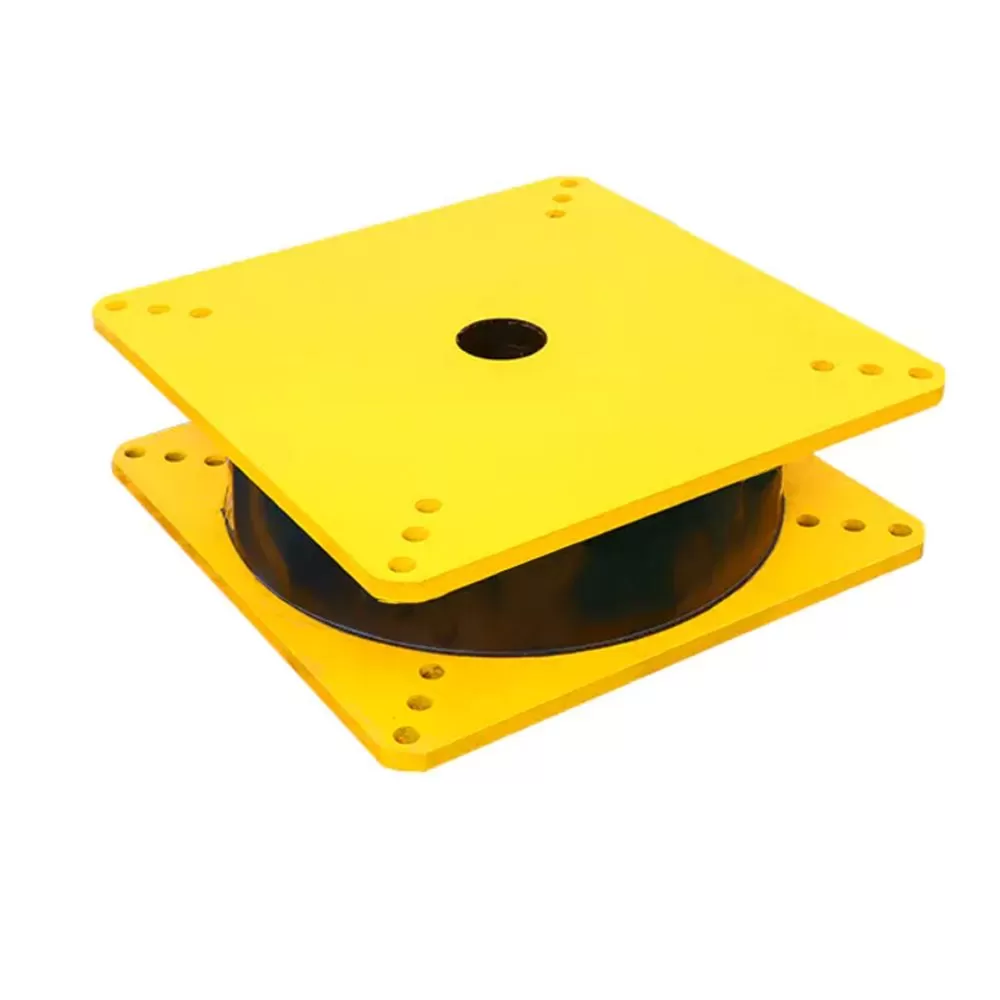
Engineering Mechanics: How HDRB Dissipates Seismic Energy
A High Damping Rubber Bearing consists of alternating layers of vulcanized elastomeric compound and high-strength steel shims. The steel plates provide vertical stiffness to carry heavy deck loads, while the elastomeric layers allow horizontal shear deformation under lateral forces.
The defining element of an HDRB is its specialized rubber compound. Manufacturers blend natural rubber or synthetic blends with fine carbon black, oils, and chemical additives. This formulation gives the compound high inherent damping properties. During ground shaking, the molecular chains in the compound break and reform, dissipating seismic energy through distinct hysteretic damping loops.
Unlike standard rubber bearings that require supplementary dampers, this system controls structural displacement on its own. It elongates the fundamental natural period of the bridge superstructure, moving it away from the dominant destructive frequencies of seismic ground waves.
HDRB vs. Conventional Elastomeric Bearings (NRB) vs. Lead Rubber Bearings (LRB)
Engineers often evaluate three primary elastomeric isolation options during the preliminary design stage:
Non-Damped Rubber Bearings (NRB): Standard elastomeric bearings provide horizontal flexibility but feature an equivalent damping ratio of only 2% to 4%. They require external hydraulic or viscous dampers to control displacement in high-seismic zones.
Lead Rubber Bearings (LRB): LRBs rely on a solid central lead core for energy dissipation. While they provide high initial stiffness and effective damping (15% to 30%), lead can raise environmental concerns during fabrication and disposal. Lead cores may also experience fatigue under frequent thermal cycles.
High Damping Rubber Bearings (HDRB): High damping units achieve equivalent viscous damping ratios typically ranging between 10% and 16%. They distribute energy dissipation uniformly across the entire rubber volume rather than concentrating plastic strain in a central core. They offer excellent displacement recovery and minimal residual drift.
| Performance Attribute | Standard Elastomeric (NRB) | Lead Rubber Bearing (LRB) | High Damping Rubber (HDRB) |
|---|---|---|---|
| Damping Ratio (ξeq) | 2% – 4% | 15% – 30% | 10% – 16% |
| Primary Energy Dissipation | None (Requires external dampers) | Yielding of central lead core | Internal hysteretic polymer damping |
| Environmental Footprint | Low | Moderate (Contains toxic heavy metal) | Low (Lead-free) |
| Long-term Maintenance | Low | Low to Moderate (Check core integrity) | Low (Zero moving parts) |
| Post-Earthquake Recentering | Excellent | Good (Minor residual strain possible) | Excellent (Elastic matrix recovery) |
Key Specification Parameters for Structural Engineers
Specifying an HDRB requires more than selecting a nominal bearing dimension from a catalog. Structural engineers must evaluate several interdependent material and mechanical parameters to ensure safety across varying seismic hazard spectra.
1. Equivalent Shear Modulus (G)
The equivalent shear modulus determines the lateral stiffness of the bearing under design shear strain. Most international projects specify compounds with shear modulus values ranging from 0.40 MPa to 1.40 MPa. Softer compounds (0.4 MPa to 0.6 MPa) suit light bridge decks that require a significant period shift. Stiffer compounds (0.8 MPa to 1.2 MPa) suit heavy railway bridges that must limit service-load displacements from braking and wind.
2. Equivalent Viscous Damping Ratio (ξeq)
Damping properties vary based on the applied shear strain amplitude. Structural designers should verify the damping ratio at specific design limit states—typically at 100% and 150% shear strain. A quality bearing maintains stable damping values throughout repeated cycles without sharp declines in energy absorption.
3. Ultimate Shear Strain Capacity (γ)
Design teams must analyze bearings under multiple limit states, including the Serviceability Limit State (SLS), Ultimate Limit State (ULS), and Maximum Considered Earthquake (MCE). Premium isolation bearings should achieve non-rupture shear strain capacity (γmax) exceeding 250% to 300% during prototype push-over tests.
4. Temperature Dependency and Aging
Elastomer compounds stiffen at low temperatures and soften under sustained high heat. Engineers must request property modification factors (λ-factors) to assess how cold snaps or prolonged ambient heat affect nominal shear modulus. KINGWORK formulates custom anti-aging and low-temperature compounds that meet strict temperature criteria without losing damping performance.
5. Vertical Load Capacity and Uplift Resistance
Seismic events combine severe horizontal shear with vertical ground accelerations, which can cause local uplift and stability risks. Engineers must check compressive stresses under concurrent rotational and horizontal movements. This check confirms that tensile stresses stay within design code limits to prevent internal delamination.
Global Standards, Design Codes, and Testing Protocols
Specifying an HDRB demands strict compliance with international manufacturing and testing standards. Specifiers must reference the appropriate code based on their project jurisdiction:
European Standard (EN 15129 / EN 1337-3): EN 15129 serves as the comprehensive benchmark for anti-seismic devices. It governs mandatory factory production control, dynamic testing frequencies, and CE-marking requirements.
American Standard (AASHTO LRFD / Guide Specifications for Seismic Isolation): AASHTO outlines clear design procedures, lateral displacement limits, and system property adjustment factors for bridge isolation across North America.
International Standard (ISO 22762): ISO 22762 provides technical specifications and test methods for elastomeric seismic-protection isolators used in bridges and buildings.
Crucial Factory Acceptance Tests (FAT)
Engineers should require both prototype type-testing and project-specific production testing before shipping isolators to the site. Essential factory tests include:
Slow Shear Modulus Test: Verifies baseline quasi-static stiffness and material consistency.
Dynamic Multi-Cycle Hysteresis Test: Evaluates shear modulus stability, equivalent damping, and energy dissipation across full-scale strain cycles.
Vertical Compression Test under Shear: Evaluates vertical load capacity while holding the bearing at maximum horizontal design displacement.
Elastomer-to-Steel Plate Adhesion Test: Validates vulcanization bond strength to prevent internal steel shim separation during major ground motion.
Sourcing Strategy: Vetting Manufacturers and Avoiding Quality Pitfalls
Sourcing seismic hardware requires careful scrutiny. Unlike cosmetic architectural components, a hidden defect in a seismic bearing can lead to catastrophic structural failure during an earthquake. Procurement teams and engineering consultants must identify and avoid common manufacturing pitfalls.
Major Risks in Seismic Bearing Fabrication
Low-tier fabricators often cut production costs through methods that compromise safety:
Use of Recycled Elastomers: Blending reclaimed crumb rubber compromises polymer chain integrity. This degrades damping properties over time and causes premature cracking under ozone exposure.
Improper Steel Surface Preparation: Steel plates must undergo precise sandblasting and chemical primer coating. Poor preparation leads to vulcanization bonding failure under combined shear and compressive loads.
High Property Dispersion: Inadequate rubber compounding controls produce wide variances in shear modulus across production batches. This variance causes uneven load distribution among bridge piers.
Manufacturer Audit Checklist
Before issuing an order for seismic isolators, engineering and procurement teams should audit suppliers against these core requirements:
Raw Material Traceability: Complete Mill Test Certificates (MTC) and Certificates of Analysis (CoA) for virgin natural rubber, curing agents, and internal steel plates.
In-House Dynamic Test Presses: The facility should house testing equipment capable of running high-capacity vertical and dynamic shear tests at project-specific speeds.
Engineer-to-Order (ETO) Capability: The supplier must possess the engineering expertise to customize bearing geometry, sole plate configurations, and anchor bolt detailing to match structural plans.
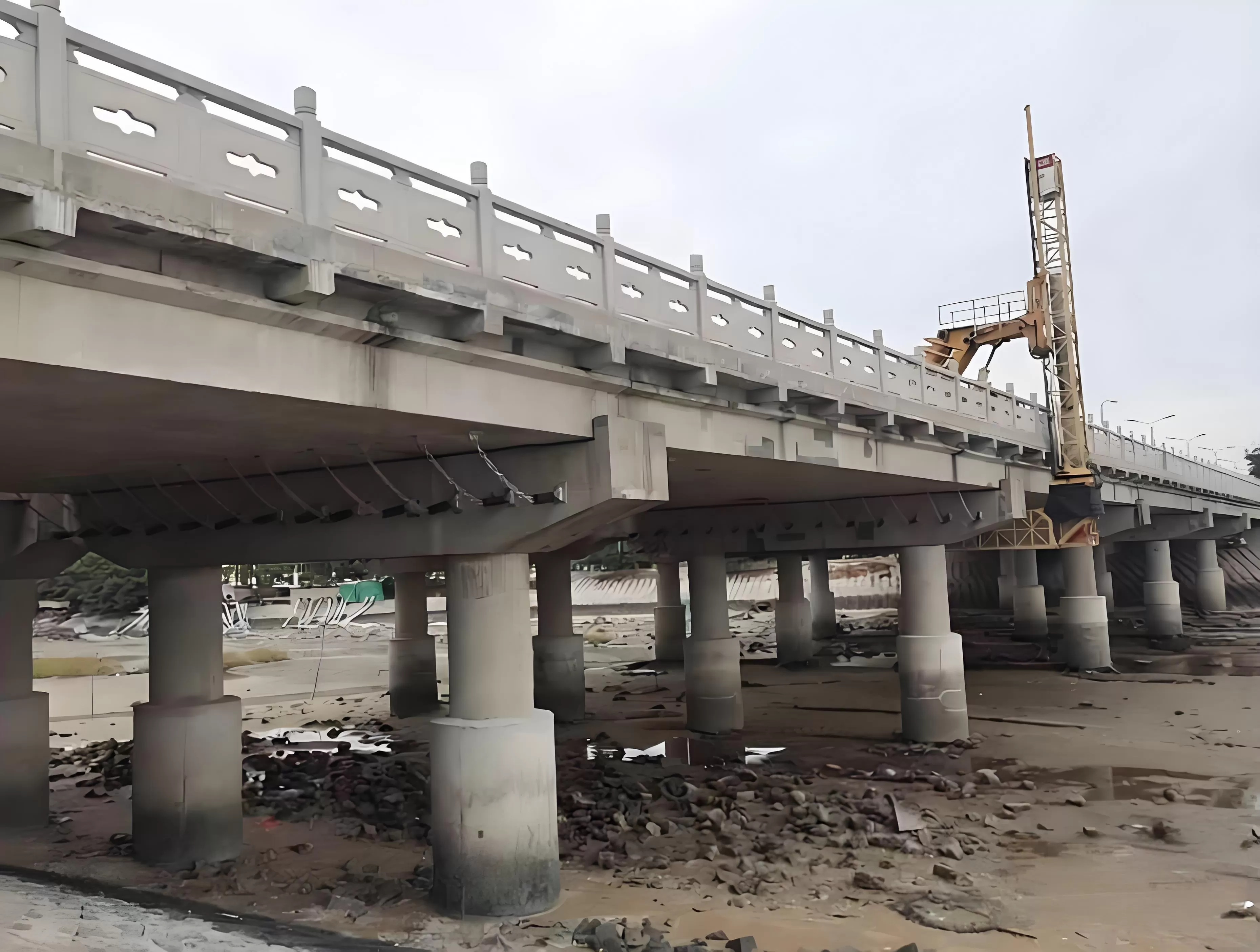
Why Structural Engineers Partner with KINGWORK
For more than 13 years, KINGWORK has supplied engineered bridge bearings and expansion joints for critical infrastructure projects across more than 50 countries. Our technical approach focuses on material precision, structural safety, and dependable delivery schedules.
Proven In-House Formulations: Our materials testing laboratory develops proprietary high damping natural rubber compounds that balance equivalent damping ratios (up to 16%) with low temperature sensitivity.
Comprehensive Testing Facilities: KINGWORK tests prototype and production bearings to verify compliance with EN 15129, AASHTO, and ISO standards before they leave the factory.
Bespoke Engineering Solutions: Our engineering team collaborates directly with project consultants. We optimize bearing dimensions, assess thermal-displacement capacities, and integrate custom anchor assemblies into structural BIM workflows.
Global Project Delivery: From high-speed rail lines to urban viaducts in severe seismic zones, KINGWORK delivers custom isolation units backed by complete material documentation.
Frequently Asked Questions (FAQ)
Q1: What is the typical service life of an HDRB in a bridge
project?
A1: A well-manufactured unit made from virgin natural
rubber and protected internal steel plates typically lasts over 50 years.
Periodic visual inspections should confirm that the external rubber cover
remains free of mechanical damage, severe ozone cracking, or chemical
contamination.
Q2: How does temperature variation impact HDRB
performance?
A2: Elastomeric compounds stiffen at lower
temperatures, which increases effective horizontal stiffness and changes the
isolated structure's target fundamental period. Design engineers use
low-temperature property modification factors (λmin, λmax)
to verify that bearings perform safely across their full operating temperature
range.
Q3: Can an HDRB handle thermal expansion and traffic braking forces
without excessive drift?
A3: Yes. High damping rubber provides
higher initial stiffness at small shear strains (such as daily service loads,
wind pressure, and vehicle braking) than at high seismic strains. This
non-linear behavior controls service-load displacements while remaining flexible
enough to isolate major earthquake forces.
Q4: What is the difference between an HDRB and a standard elastomeric
bearing fitted with external viscous dampers?
A4: An isolator
integrates horizontal flexibility and energy dissipation into a single compact
unit with zero mechanical parts. Combining standard elastomeric bearings with
external fluid dampers can provide higher damping values, but it increases
installation complexity, takes up more space on the pier cap, and requires
ongoing damper maintenance.
Q5: What documentation should structural engineers require prior to
approving bearing installation?
A5: Engineers should review the raw
material test certificates (elastomer physical properties and steel plate mill
reports), prototype dynamic shear test reports, factory acceptance test (FAT)
records for production bearings, vulcanization curing logs, and third-party
compliance certificates (such as CE marking under EN 15129).
Build Safer Bridges with Proven Isolation Systems
Specifying the right seismic isolation system protects infrastructure investments, improves safety, and maintains operational continuity after major seismic events. High damping rubber bearings deliver a dependable, lead-free solution that combines long service life with balanced energy absorption.
Selecting the optimal isolator requires close collaboration between structural design consultants and experienced manufacturers. Partnering with a proven fabricator ensures your bearings perform reliably under real-world seismic demands.
Planning your next highway, rail, or bridge project? Contact the structural engineering team at KINGWORK today to request technical data sheets, download 3D/BIM bearing models, or receive a project-specific seismic isolation proposal.
![Bridge Joint Types: The Complete Engineering Guide [2026 Edition]](https://www.kwbridgebearing.com/storage/non_theme/202606/024.webp)