Specifying Neoprene Bearings in 2026: Navigating AASHTO & EN 1337 Compliance for Bridges
Article content and related resources
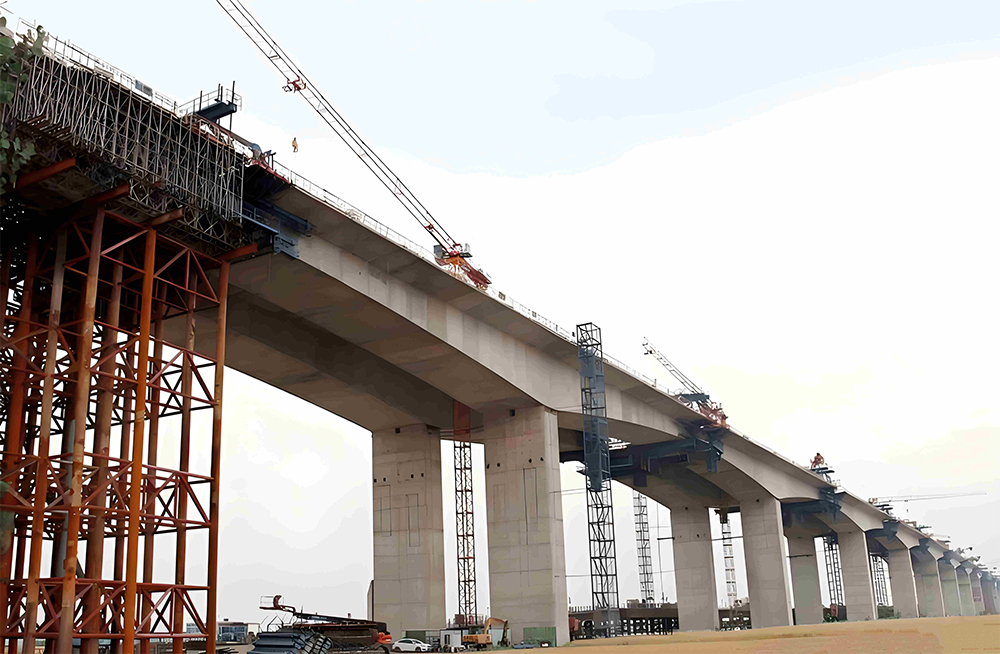
Planning infrastructure projects today requires balancing structural safety, decades-long durability, and aggressive construction schedules. Bridge structural engineers and EPC procurement managers cannot afford compliance missteps. Selecting the right elastomeric structural components dictates whether a bridge deck articulates safely under live loads or suffers premature structural distress.
Engineering teams frequently reach out to technical manufacturers like KINGWORK to review design calculations, check load tolerances, and source certified bridge components. If your organization is preparing an upcoming international tender or structural submittal, speak directly with our engineering department today for custom design validation and supply solutions.
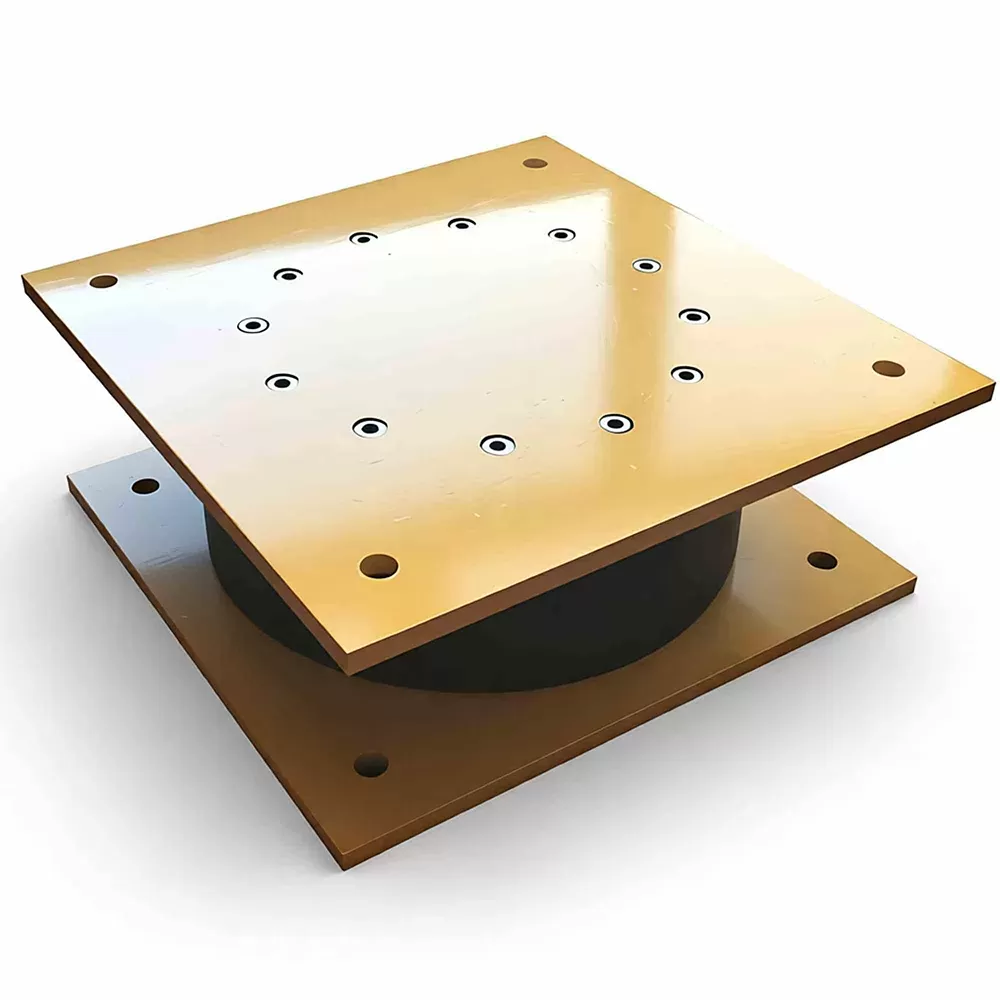
Global Infrastructure Demands and the Role of Polychloroprene
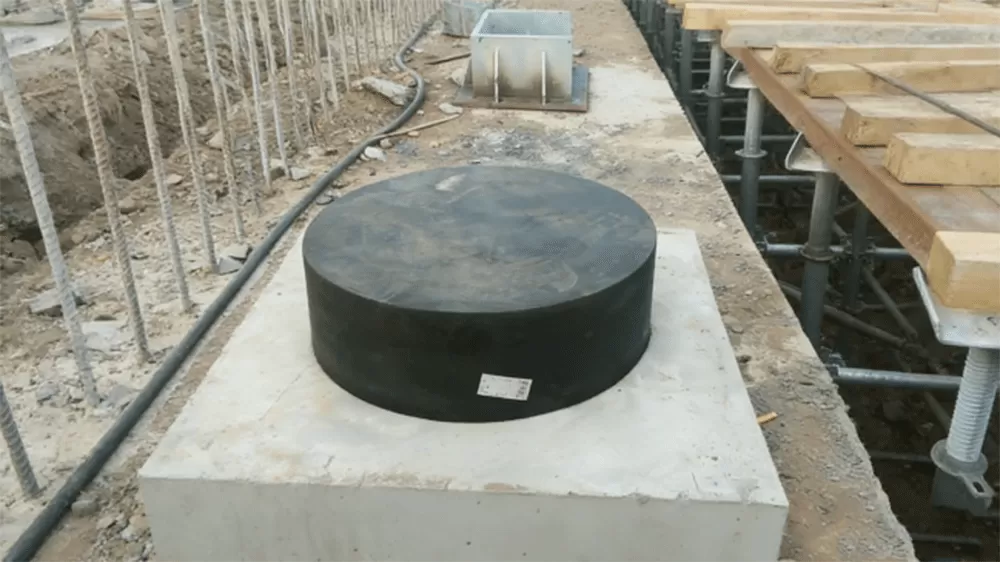
Bridge design lives now routinely target 75 to 100 years. Modern transportation programs, from the American Infrastructure Investment and Jobs Act (IIJA) to trans-continental transit corridors, place high physical demands on critical support points. Among these, bridge bearings serve as the critical interface between the superstructure and substructure, accommodating thermal movement, girder rotation, and seismic dissipation.
While natural rubber (NR) offers specific dynamic properties, 100% virgin polychloroprene—commonly known as neoprene—remains the baseline material for high-tier bridges exposed to hostile environments. Neoprene delivers distinct chemical advantages:
Ozone Resistance: Neoprene chains resist atmospheric ozone attack, stopping surface cracking before it compromises inner reinforcement.
Chemical and Oil Tolerance: Roadway runoff carries oils, deicing salts, and hydraulic fluids. Polychloroprene withstands this degradation far better than natural polyisoprene.
Cold-Climate Crystallization Resistance: High-grade chloroprene polymers prevent stiffening under sustained sub-zero temperatures, protecting substructure piers from unexpected shear forces.
Engineering firms must manage standard variations across borders. Specifying the correct elastomeric formulation requires an understanding of the two dominant design codes: North America's AASHTO framework and Europe's EN 1337 system.
AASHTO Framework: Precision Engineering for North American Projects
Specifying neoprene bearings under American Association of State Highway and Transportation Officials (AASHTO) rules involves two standard tracks. The AASHTO LRFD Bridge Design Specifications dictates the engineering calculations. Meanwhile, AASHTO M 251 governs the physical manufacturing, material formulations, and quality testing protocols.
Method A vs. Method B Design Criteria
AASHTO LRFD Section 14 gives structural designers two paths for reinforced elastomeric bearing designs:
Method A (Simplified): Designers use lower service stress limits (often capped below 1,000 psi / 6.9 MPa for plain pads, slightly higher with steel reinforcement). This method demands fewer calculation steps and minimizes testing requirements. However, it produces thicker, physically larger pads to support substantial dead and live loads.
Method B (Refined): Method B permits higher compressive stresses (up to 1,750 psi / 12.0 MPa for reinforced components under specific conditions) by requiring rigorous numerical stress calculations. It accounts for simultaneous shear, axial load, and rotation. The resulting bearings are more compact, lowering raw material weights. However, fabricators must submit samples to dynamic shear and proof testing under AASHTO M 251.
Selecting between Method A and Method B acts as an engineering trade-off. Method A suits conventional short-span overpasses with low rotations. Method B fits complex, curved, or long-span bridges where pier cap geometry restricts footprint size.
Critical AASHTO Material Tests
Specifiers must verify material parameters beyond basic geometric dimensions. The shear modulus ($G$) is vital; it must strictly fall within design values—typically 0.6 MPa to 1.2 MPa (85 to 175 psi)—measured via ASTM D4014. Low-temperature elastomer compliance tests (AASHTO Grade 3, 4, or 5 crystallization tests) are mandatory for cold regions to ensure the pad retains operational elasticity during severe winters.
EN 1337-3: The European Standard for Structural Bearings
Projects across the European Union, the Middle East, and broad sections of Asia and Latin America operate under the European standard framework. For elastomeric structural bearings, EN 1337-3 sets mandatory product rules.
Bearing Types and Mechanical Behavior
EN 1337-3 categorizes bearing styles based on cross-section and mechanical execution:
Type A: Single-layer elastomeric pad.
Type B: Laminated bearing fully reinforced with internal steel plates, completely encased in an elastomeric cover. This is the primary workhorse design.
Type C: Laminated bearing with external steel profile plates for structural anchoring to concrete or steel beam flanges.
Unlike AASHTO’s variable shear modulus options, EN 1337-3 standardizes on a nominal shear modulus value of $G = 0.90\text{ MPa}$. It allows a tight operational tolerance between $0.75\text{ MPa}$ and $1.05\text{ MPa}$. Structural designers calculate limits using partial safety factors applied directly to elastomer strain components: compression, horizontal translation, and angular rotation.
CE Marking and Declarations of Performance
Supplying compliant materials under European jurisdiction demands a formal legal route. Manufacturers must hold valid Attestation of Conformity System 1 certificates. Factory Production Control (FPC) audits must be conducted by notified European bodies. Each production lot requires a formal Declaration of Performance (DoP) confirming the material meets elongation, cold crystallization, and dynamic fatigue standards.
Engineering Comparison: AASHTO vs. EN 1337
Navigating between these international standards highlights subtle material differences. The following matrix contrasts how each code treats the core parameters of neoprene bearings.
| Technical Parameter | AASHTO M 251 / LRFD Bridge | EN 1337-3 (Structural Bearings) |
|---|---|---|
| Elastomer Base | 100% Virgin Neoprene (Polychloroprene) or 100% Natural Rubber. Blends strictly forbidden. | Chloroprene Rubber (CR) or Natural Rubber (NR). Polyblends prohibited without testing. |
| Nominal Shear Modulus ($G$) | Typically 0.60 to 1.20 MPa (specified in 0.1 MPa increments by designer). | Fixed nominal standard of 0.90 MPa (acceptable range: 0.75 to 1.05 MPa). |
| Steel Internal Shims | ASTM A1011 or equivalent structural carbon steel. Minimum thickness usually 1.5 to 3.0 mm. | EN 10025 structural steel grades (S235 or S355 standard). |
| Peel Adhesion Requirement | 7.0 N/mm (40 lbf/in) minimum bond peel strength (ASTM D429, Method B). | 7.0 N/mm minimum adhesion strength between elastomer and steel shim. |
| Low-Temperature Regimes | Categorized by AASHTO Temperature Zones (Grades 0, 2, 3, 4, and 5 testing protocols). | Standard testing down to -25°C; special cold regime testing required for -40°C operations. |
| Compliance Evidence | Certified Mill Test Reports (MTR), independent lab reports, AASHTO M 251 Annex A testing. | CE Certificate, Notified Body Factory Audit, and Declaration of Performance (DoP). |
Global suppliers like KINGWORK maintain production lines configured to adapt between ASTM/AASHTO testing fixtures and European standard molds. This flexibility allows engineering teams to secure verified designs regardless of project origin.
Mitigating Supply Chain and Material Risks
Procurement teams run real risks when sourcing bridge pads based solely on the lowest quote. Defective elastomeric components cause severe infrastructure headaches: premature bulging, internal steel plate delamination, and surface cracking. These failures can demand expensive jacking operations to replace pads years ahead of schedule.
Protect your project using this engineering QA/QC checklist before releasing vendor payments:
Prevent Elastomer Blending: Shady suppliers often mix cheap natural rubber or reclaimed crumb rubber into chloroprene mixes. Demand Thermogravimetric Analysis (TGA) or polymer identification testing to verify the presence of 100% virgin polychloroprene polymer.
Verify Edge Encapsulation: Inspect the outer elastomer skin. Internal steel plates require at least 4 mm to 6 mm of vulcanized edge cover. If you spot exposed steel edge margins or inconsistent thicknesses, moisture will enter, trigger corrosion, and cause structural debonding.
Review Vulcanization Controls: Inquire about press tonnage, heat distribution plates, and dwell times. Uneven curing profiles yield variable shear modulus values across a single pad.
Validate Third-Party Shear Tests: Do not rely solely on internal factory documentation. Require verification tests from accredited ISO 17025 laboratories checking dynamic shear characteristics under compressive loads.
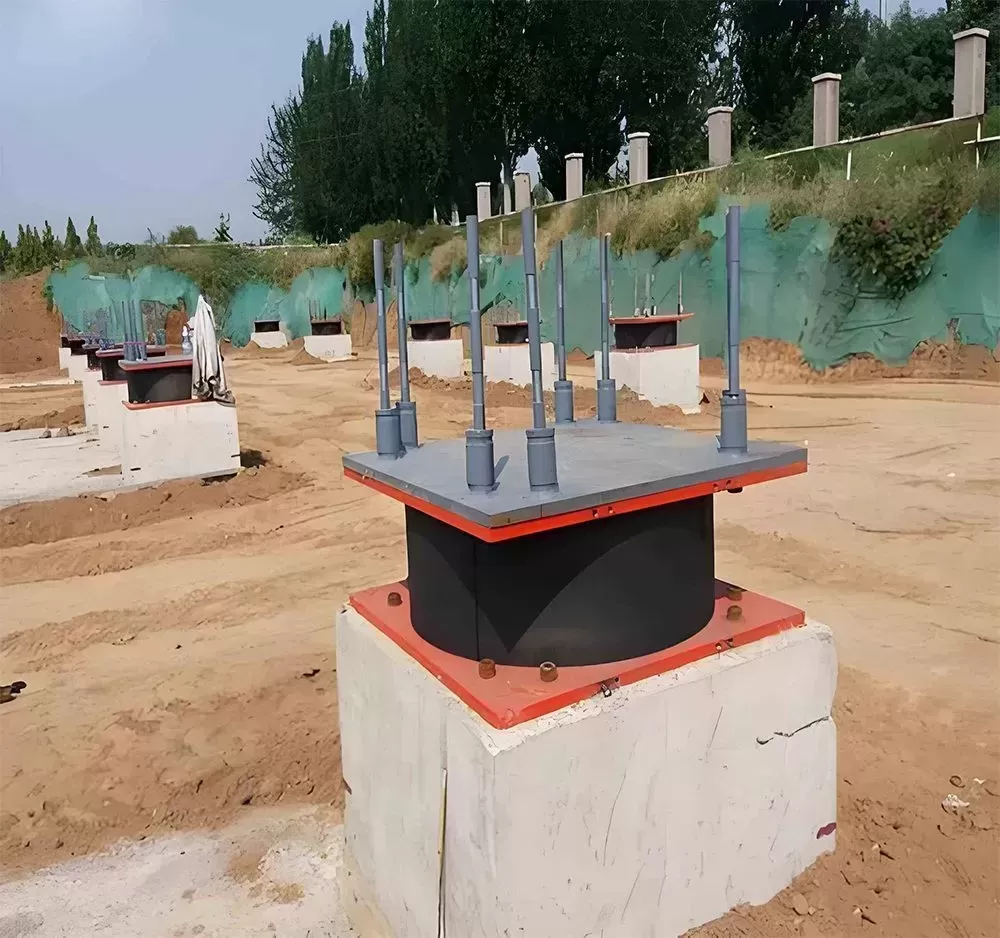
Future Forward: Technical Shifts in Bearing Technology
Elastomer processing technology continues to evolve. Modern polymer engineering now focuses heavily on raw material purity and tracking data:
Modern vulcanization chemistry reduces polymer creep across multi-decade service windows. Historically, heavy sustained loads caused pad thickness to decrease over decades, disrupting bridge drainage alignments and deck expansion joint clearances. Low-creep neoprene formulations cut these dimensional changes down significantly.
Direct digital integration is also becoming standard practice. Fabricators now embed ruggedized, vulcanized passive RFID tags or permanently engraved matrix codes into the bearing cover layer. Bridge inspection crews can scan a pad using a handheld reader during scheduled condition surveys. The scan instantly brings up historical shear numbers, original batch cure times, and digital installation profiles directly within asset management BIM databases.
Finally, carbon accounting is moving up the procurement agenda. Infrastructure asset owners now request Environmental Product Declarations (EPDs). Fabricators that utilize energy-efficient curing presses and low-emissions supply networks gain distinct advantages during public procurement scoring.
Frequently Asked Questions (FAQ)
Q1: Can a single bearing design simultaneously satisfy both AASHTO M 251 and EN 1337-3?
A1: Generally, no. While high-grade polychloroprene compound can satisfy the basic material tests of both specifications, the structural testing protocols diverge. EN 1337-3 uses a rigid 0.90 MPa nominal shear modulus, whereas AASHTO projects often specify varying shear modulus values tailored to regional temperature movements. Moreover, testing mechanics, certification oversight, and dimensional safety margins remain fundamentally different.
Q2: Why is pure neoprene selected over natural rubber for coastal bridge projects?
A2: Coastal marine environments carry elevated concentrations of atmospheric ozone, airborne chlorides, and salt mist. Natural rubber oxidizes, cracks, and degrades more quickly when directly exposed to severe weather and UV radiation. Neoprene exhibits superior resistance to environmental degradation, protecting inner load-bearing steel plates from corrosion.
Q3: What causes edge-splitting in laminated elastomeric bearings?
A3: Edge-splitting typically stems from two core issues: excessive rotation loads exceeding design parameters, or poor chemical bonding between the elastomer and internal steel shims. If the steel plates lack proper sandblasting or silane-based adhesive priming prior to vulcanization, internal shear forces tear the rubber away from the plate edge.
Q4: How does low-temperature crystallization affect structural performance?
A4: When specific elastomers sit at sustained cold temperatures (e.g., -10°C to -30°C for multiple days), the polymer chains orient into a crystalline state. This hardens the pad and spikes its shear modulus. As the thermal structure contracts, the stiffened bearing cannot articulate, transferring unexpected shear loads down into the concrete piers.
Q5: What are the primary warning signs of a failing elastomeric pad during visual inspection?
A5: Inspectors monitor for several key structural defects: severe bulging patterns showing interior plate slippage, deep surface cracks exceeding 3 mm, continuous elastomer extrusion along horizontal layers, pad roll-out where the pad lifts from the concrete seat, and rust stains signaling water penetration into the internal steel shims.
Partner with an Experienced Bridge Bearing Manufacturer
Structural reliability depends on precision manufacturing, clean compounding, and disciplined quality testing. Submitting compliant calculations and traceable materials avoids project delays and gives bridge structures the long-term support they require.
KINGWORK engineers and produces high-grade neoprene bearings tailored to project-specific AASHTO, ASTM, and EN standards. Contact our technical sales division today to discuss design requirements, request certified product submittals, or receive a project quotation.