
Selection Criteria for Disc Bearing Assemblies in Long-Span Structural Engineering
Article content and related resources
Modern structural engineering demands bearing systems that can support
massive vertical loads while simultaneously accommodating multi-directional
rotation and horizontal displacements. Bridges, viaducts, and heavy industrial
facilities are continuously subjected to dynamic forces, thermal expansion, and
concrete creep. Without a reliable mechanism to transfer these forces to the
substructure, structural stress concentrations can lead to premature structural
compromise. Among the various solutions developed over the decades, the disc
bearing has emerged as a highly reliable option, particularly for structures
requiring high rotational capacity and consistent performance under variable
environmental conditions.
Industrial manufacturers, such as KINGWORK, produce these specialized structural components to meet rigid international standards. Understanding the mechanical behavior, material science, and design limitations of these bearing systems is necessary for structural engineers and project planners. This analysis examines the component mechanics, material characteristics, and selection criteria that define the application of disc bearing technology in modern civil engineering.Component Anatomy and Mechanical Principles
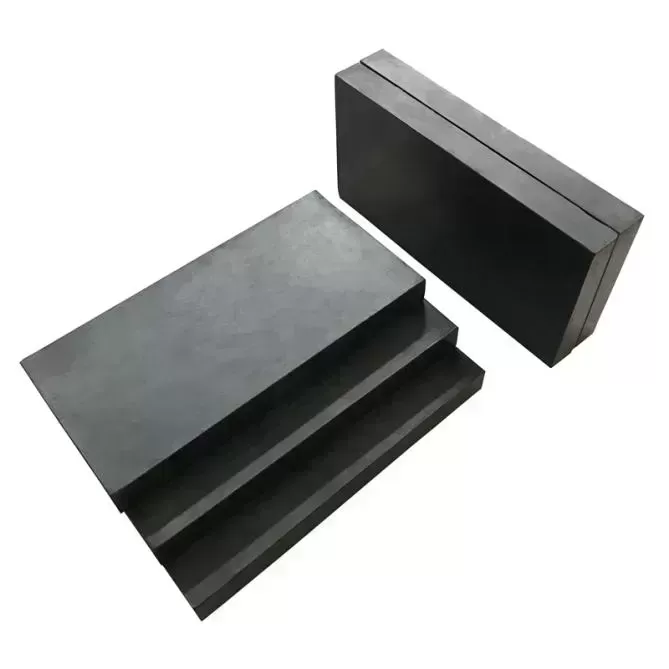
A standard disc bearing consists of several precisely machined components working in unison to isolate and transfer forces. Unlike elastomeric bearings that rely on laminated rubber sheets, or pot bearings that confine an elastomer within a steel cylinder, this bearing type utilizes an unconfined polyurethane disc as its primary rotational element. The system is designed to separate the vertical load-bearing function from the horizontal load-resisting function, allowing for precise structural analysis and predictable performance.
The primary components of a typical assembly include:
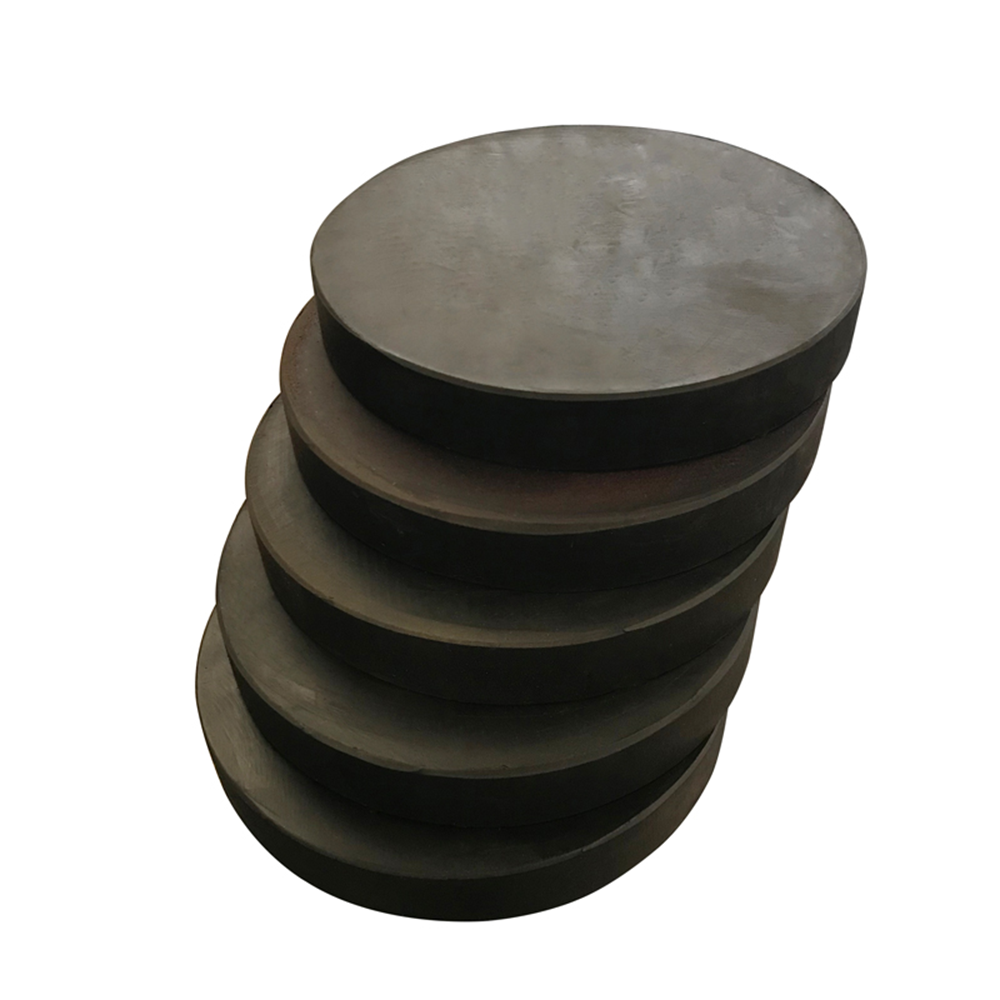
The Polyurethane Disc: Molded from a high-modulus polyetherurethane compound, this elastomeric element accommodates rotation by deforming elastically under eccentric loading.
The Shear Restriction Mechanism: A central steel shear pin or an external ring system that resists lateral shear forces without constraining the rotational movement of the polyurethane disc.
Upper and Lower Steel Plates: Rigid steel plates that distribute vertical loads from the superstructure down through the polyurethane disc and into the concrete piers or abutments.
Sliding Interfaces (For Expansion Bearings): A combination of polished stainless steel plates and polytetrafluoroethylene (PTFE) or ultra-high-molecular-weight polyethylene (UHMWPE) sliding sheets to facilitate horizontal translation.
During structural rotation, the polyurethane disc compresses unevenly, conforming to the slope of the superstructure. Because the disc is unconfined, it relies on the high hardness and elastic recovery of the polyurethane compound to prevent excessive lateral bulging. The central shear pin is designed with sufficient clearance within its housing to ensure that horizontal shear loads are transferred directly through the steel components, shielding the polyurethane disc from tearing under lateral stress.
Material Science of the Polyurethane Elastomer
The performance of a disc bearing is heavily dependent on the physical properties of the polyurethane elastomer. Standard natural rubber or neoprene compounds are often too flexible to support high compressive stresses without confinement. Polyetherurethane compounds, however, exhibit a high compressive modulus, meaning they can sustain high vertical pressures while maintaining the flexibility required to permit structural rotation.
Structural specifications, such as those defined by the American Association of State Highway and Transportation Officials (AASHTO), outline strict performance criteria for these elastomeric discs. The material must maintain its elasticity across a broad temperature range, typically from sub-zero winter temperatures to high summer heat. Polyetherurethane is selected for its superior resistance to environmental degradation, including ozone exposure, ultraviolet radiation, and chemical attacks from de-icing salts or industrial pollutants.
Under long-term compression, materials can experience creep, which is the progressive deformation under a constant load over time. High-quality polyetherurethane formulations minimize creep, ensuring that the bridge deck elevation remains within design tolerances throughout the service life of the structure. The low moisture absorption rate of this polymer also prevents structural degradation due to freeze-thaw cycles, which can otherwise cause micro-cracking and eventual failure of the internal elastomer.
Comparing Disc Bearings with Alternative Structural Bearings
To select the appropriate bearing for a specific project, design engineers must compare the mechanical profiles of different bearing types. The primary alternatives to the polyurethane disc bearing are elastomeric bearings, pot bearings, and spherical bearings. Each system exhibits distinct operational characteristics under load.
The table below provides a general comparative overview of these structural bearing types:
| Bearing Type | Vertical Load Capacity | Rotational Capacity (radians) | Horizontal Force Resistance | Maintenance Requirements | |
|---|---|---|---|---|---|
| Laminated Elastomeric | Low to Medium | Low (< 0.01) | Low (limited by shear strain) | Low | |
| Pot Bearing | High | Medium (up to 0.03) | High (confined design) | Medium (seal wear potential) | KINGWORK Custom |
| Disc Bearing | Medium to High | High (up to 0.04+) | High (via central shear pin) | Low (unconfined elastomer) | KINGWORK Custom |
| Spherical Bearing | Very High | Very High (> 0.05) | High (via guide bars) | Medium |
While pot bearings utilize a confined elastomeric pad to achieve high load capacities, they can suffer from seal wear, which may lead to the extrusion of the elastomer under cyclic rotation. The disc bearing avoids this issue because the polyurethane disc is unconfined and does not rely on sealing rings. This simplifies the manufacturing process and reduces the potential for internal component wear. Furthermore, spherical bearings offer higher rotational capacities but generally require more complex machining and higher initial investment, making the polyurethane disc design a highly cost-efficient alternative for medium-to-high rotational applications.
Engineering Challenges and Structural Solutions
Implementing a disc bearing system requires careful consideration of structural dynamics and environmental conditions. One common engineering challenge is managing low-temperature stiffening. In colder climates, polyurethane can become significantly stiffer, which increases the moment required to rotate the bearing. This increased rotational stiffness transfers higher bending moments to the bridge piers, requiring sturdier substructure designs. Manufacturers like KINGWORK address this by utilizing low-temperature polyetherurethane formulations that retain reasonable flexibility even in Arctic conditions.
Another challenge involves structural alignment during installation. If the bearing is not placed perfectly level, it will experience initial eccentric loading before the bridge deck is even completed. This can lead to localized stress concentration on the edge of the polyurethane disc. To mitigate this issue, modern designs incorporate self-aligning features or temporary locking devices that hold the bearing components in place during concrete pouring and curing phases. Once the structure is stable, these temporary devices are removed to allow free movement.
Corrosion protection is also a priority, particularly for infrastructure located in coastal or industrial areas. The steel plates surrounding the polyurethane disc are typically treated with hot-dip galvanization, thermal spraying of zinc-aluminum alloys, or multi-coat epoxy paint systems. The sliding surfaces, consisting of polished stainless steel and PTFE, must be kept free of dust and debris, which could increase the coefficient of friction and cause premature wear of the sliding interface. Protective rubber dust skirts are frequently installed around the perimeter of the bearing to shield these sliding surfaces from environmental contamination.
Design Standards and Selection Guidelines
The design and fabrication of disc bearing assemblies must adhere to established international standards to guarantee safety and performance. The most widely referenced standard is the AASHTO LRFD Bridge Design Specifications, specifically Section 14, which governs the design of structural bearings. In Europe, the EN 1337 standard series provides comprehensive guidelines for structural bearings, covering materials, design calculations, tolerances, and testing procedures.
When selecting a bearing system, the structural engineer must specify several design parameters:
Maximum and Minimum Vertical Loads: Includes both dead loads (weight of the structure) and live loads (traffic, wind, and dynamic impacts).
Design Rotations: The calculated angle of rotation about the longitudinal and transverse axes, including a safety margin.
Horizontal Movements: The displacement requirements due to thermal expansion, concrete shrinkage, and seismic activity.
Horizontal Force Demands: The lateral forces that the shear restriction mechanism must resist without experiencing permanent deformation.
KINGWORK manufactures bearings that are subjected to rigorous quality control and testing regimes, including long-term compression testing, rotational proof testing, and low-temperature performance verification. By matching these production testing standards with the empirical requirements of the project site, engineers can ensure that the selected bearing assembly will function reliably over its intended design life, which often exceeds fifty years.
Installation and Long-Term Maintenance
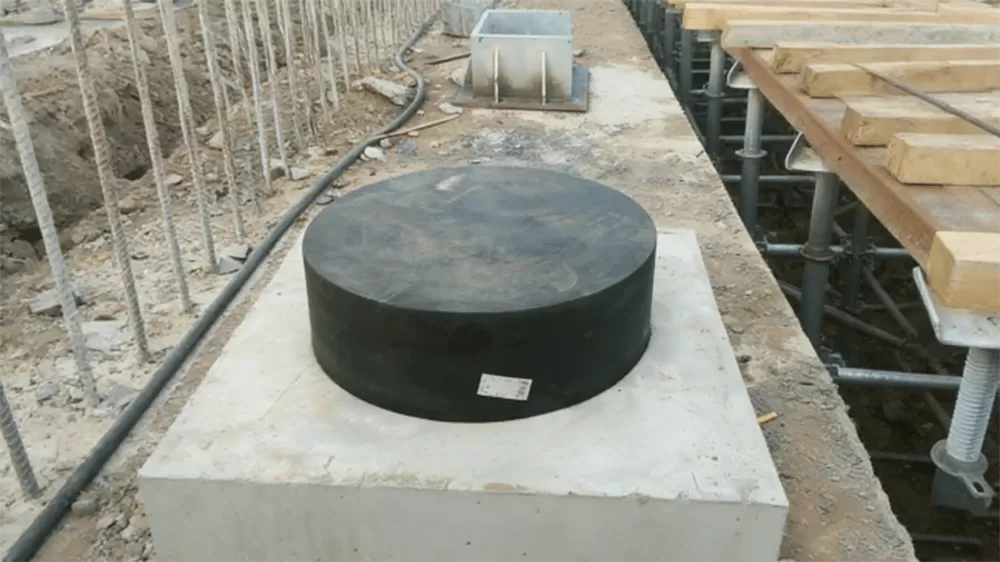
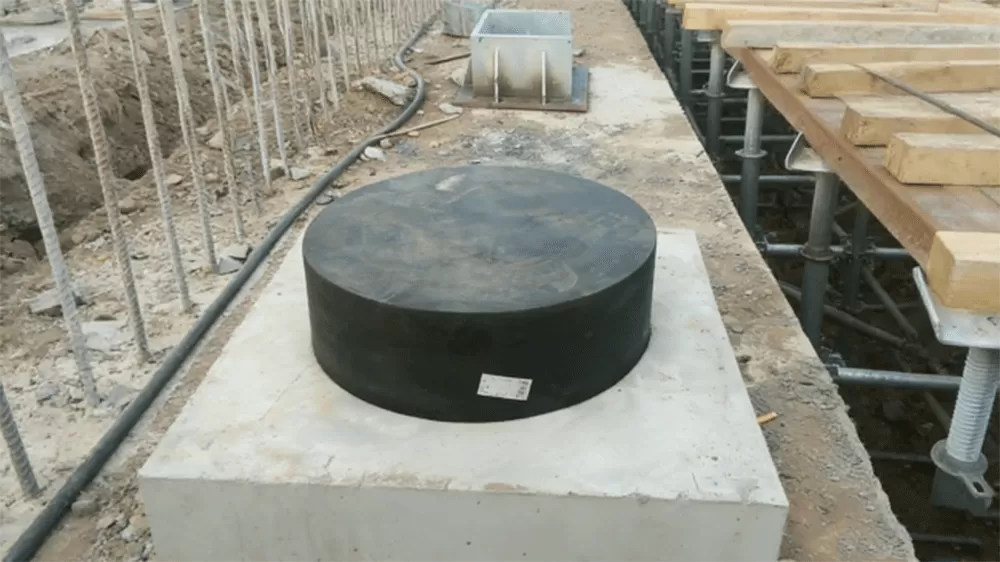
Proper installation is fundamental to the long-term performance of any structural bearing. Incorrect installation procedures can lead to uneven load distribution, restricted movement, or accelerated wear of the sliding surfaces. During the installation phase, the bearing must be carefully aligned with the centerline of the bridge girders and leveled using high-strength, non-shrink grout. Any tilt in the bearing assembly can induce unwanted horizontal forces and eccentric loads on the polyurethane disc.
Regular inspection schedules are standard practice for highway departments and infrastructure owners. During these inspections, field engineers monitor the bearings for several key indicators of wear or distress:
Elastomer Extrusion or Cracking: Visual checks are performed to ensure the polyurethane disc is not showing signs of tearing, ozone cracking, or permanent lateral extrusion.
Sliding Surface Cleanliness: The PTFE and stainless steel interfaces are inspected for debris accumulation, rust, or damage to the protective dust skirts.
Deformation of Metal Components: Upper and lower steel plates are checked for signs of corrosion, paint peeling, or bending.
Excessive Displacement: Verification that the actual movement of the expansion bearing corresponds to the current ambient temperature and remains within the design limits.
Because polyurethane disc bearings do not have confined chambers or delicate sealing rings, their maintenance profile is generally low. If a bearing does require replacement due to unforeseen structural shifts or extreme environmental events, modern bridge designs often incorporate jacking points near the piers, allowing the superstructure to be lifted slightly so the old bearing can be slid out and a new one installed.
Frequently Asked Questions
Q1: What is the main structural difference between a disc bearing and a pot bearing?
A1: The primary difference lies in the confinement of the elastomeric element. A pot bearing confines a natural rubber or neoprene pad within a steel cylinder, relying on hydrostatic pressure to allow rotation. A disc bearing uses an unconfined polyurethane disc made of a high-modulus material that deforms elastically under rotation, eliminating the need for sealing rings and reducing the likelihood of elastomer extrusion.
Q2: Can disc bearings be used in seismic zones?
A2: Yes, they are suitable for seismic zones when equipped with a robust shear restriction mechanism. The central shear pin can be designed to resist significant lateral forces, while the polyurethane disc continues to accommodate structural rotations. For high-seismic areas, they are often used in combination with shock transmitters or dampening devices.
Q3: What temperature range can a polyetherurethane disc withstand?
A3: Modern polyetherurethane formulations used in these bearings can typically operate in temperatures ranging from -40°C to +50°C. Specialized formulations can extend this range further to accommodate extremely cold regions without undergoing brittle transition or losing rotational flexibility.
Q4: How long is the typical design life of a polyurethane disc bearing?
A4: With proper design, high-quality materials, and regular inspections, these bearings are engineered to match the service life of the bridge, which is typically between 50 and 75 years. The longevity is supported by the excellent ozone, UV, and moisture resistance of the polyetherurethane polymer.
Q5: How do sliding disc bearings accommodate thermal expansion?
A5: Expansion variations of this bearing incorporate a sliding interface consisting of a polished stainless steel plate sliding against a self-lubricating PTFE or UHMWPE sheet. This design allows the superstructure to move horizontally with minimal friction, preventing the transmission of thermal expansion stresses to the bridge piers.
Technical Consultation and Inquiries
Selecting the appropriate structural bearing is a highly precise engineering task that depends on accurate load, rotation, and displacement calculations. KINGWORK provides a comprehensive range of engineered bearing systems tailored to meet specific project demands and international design standards.
For custom engineering assistance, detailed product specifications, or to request a quote for your upcoming bridge or infrastructure project, please submit your design parameters and project requirements to our technical sales team. Our engineering department is prepared to evaluate your specifications and provide reliable structural solutions.
![Bridge Joint Types: The Complete Engineering Guide [2026 Edition]](https://www.kwbridgebearing.com/storage/non_theme/202606/024.webp)