
Selecting Strip Seal Expansion Joint Suppliers: 7 Performance Factors for Highway Bridges
Article content and related resources
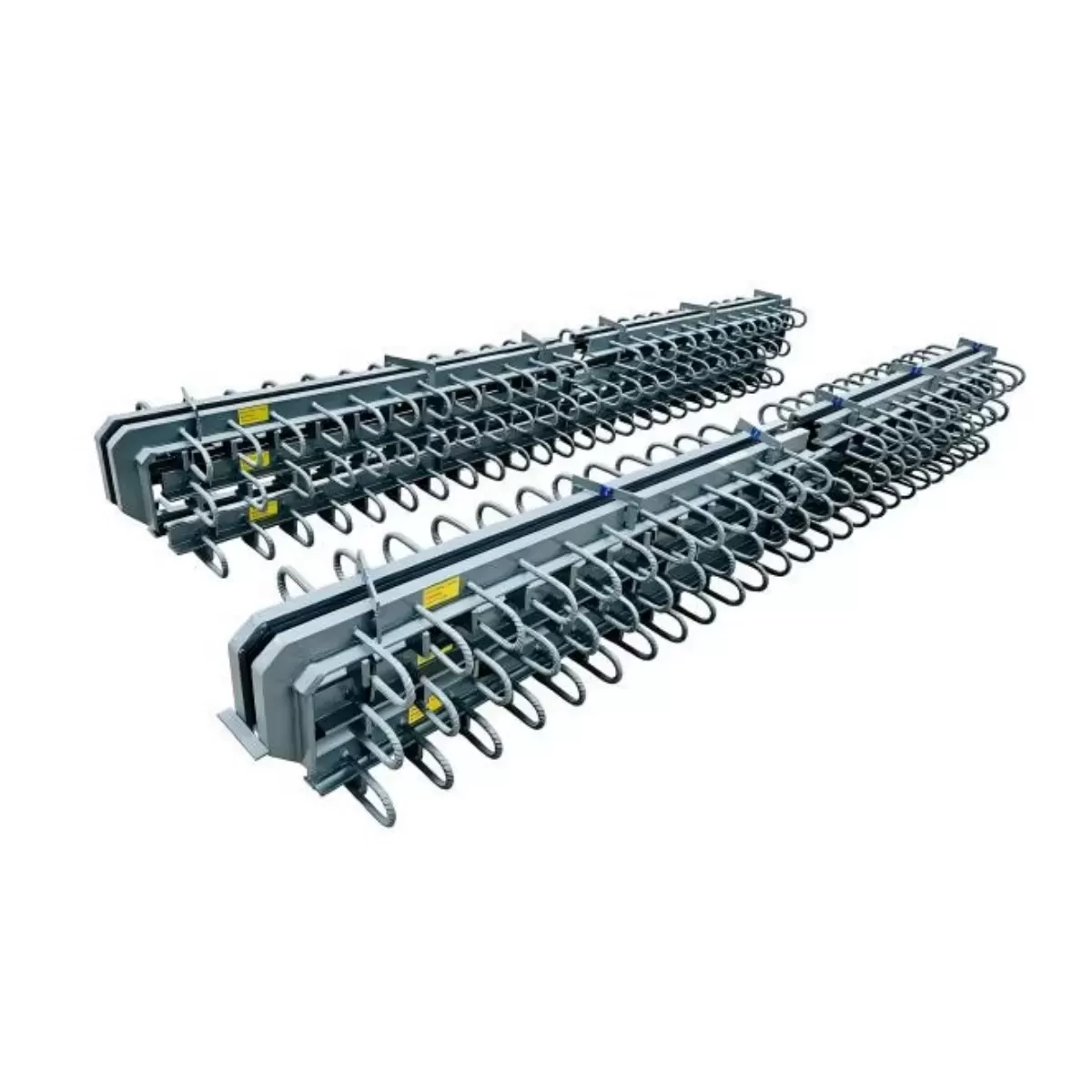
Highway bridges, viaducts, and parking structures endure constant thermal movement, concrete creep, and traffic-induced vibrations. Among expansion joint systems, the strip seal type remains one of the most specified solutions due to its reliable water-tightness and simple anchorage. However, not all providers meet the rigorous demands of heavy traffic zones or extreme climates. Procurement engineers and infrastructure owners need a systematic method to evaluate strip seal expansion joint suppliers based on material science, fatigue testing, and real-world installation constraints. This article outlines the key parameters that separate mediocre products from long-service-life systems, with insights drawn from bridge component specialists like KINGWORK.
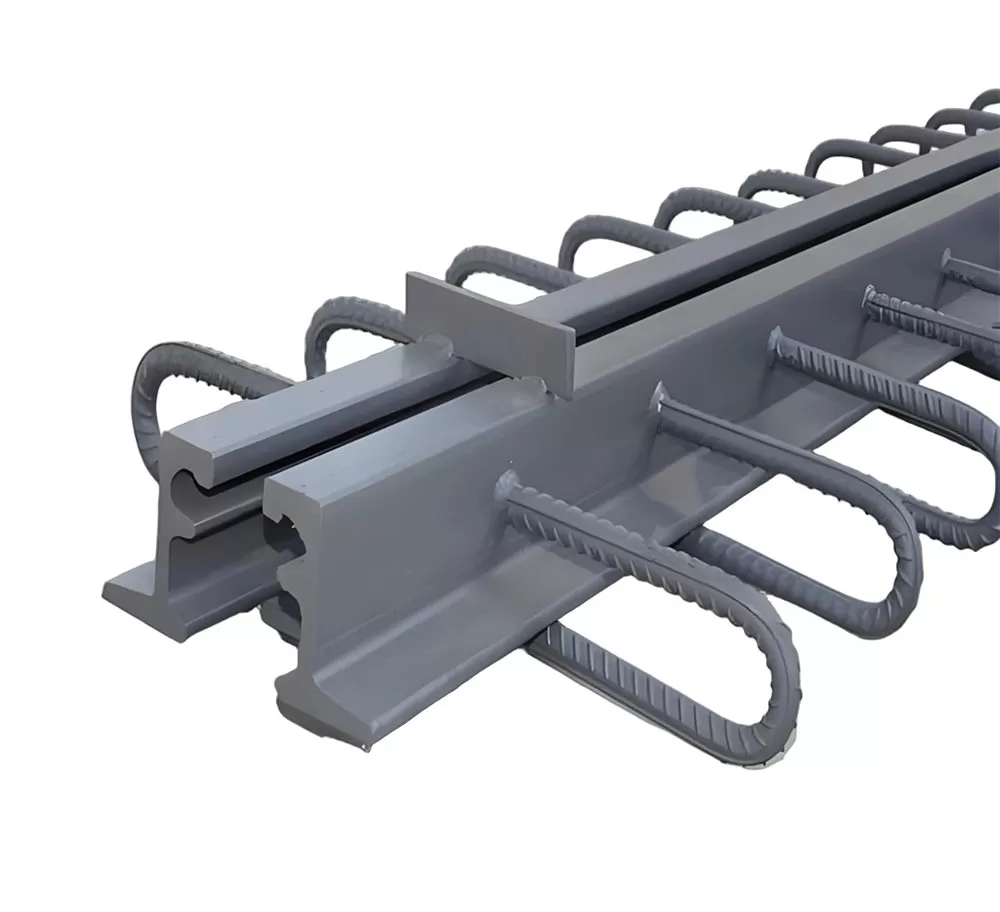
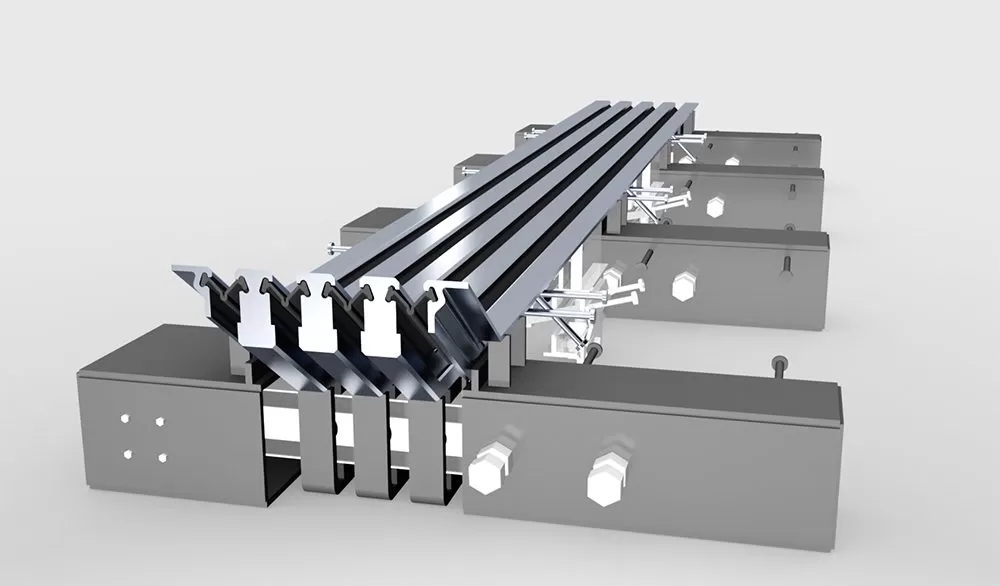
Core Components of a Strip Seal Expansion Joint System
A properly functioning strip seal assembly consists of three interdependent elements. Any weakness in one part compromises the whole deck joint.
Extruded elastomeric gland (seal) – Manufactured from chloroprene (CR) or EPDM rubber, this profile features a hollow center bulb and reinforced lips that lock into steel edge rails.
Edge rails (steel extrusions) – Typically hot-dip galvanized stainless steel or carbon steel sections bolted or cast into the concrete deck. The rail’s internal geometry must match the gland’s locking profile exactly.
Anchorage system – Reinforcement bars, headed studs, or continuous angles that transfer loads from the rail into the concrete structure without loosening under cyclic shear forces.
When evaluating strip seal expansion joint suppliers, ask for dimensional control reports of the rail extrusion tolerances (usually ±0.3 mm on locking recesses). Poor fit allows the gland to pop out under heavy braking or temperature extremes.
Why Bridge Owners Replace Strip Seals Prematurely: 4 Frequent Failure Modes
Even a well-designed joint can fail if the supplier ignores site-specific conditions. Based on forensic studies of over 200 bridge joints, these are the dominant failure patterns:
1. Gland Hardening and Loss of Elastic Recovery
Exposure to UV radiation, ozone, and de-icing salts causes rubber vulcanization to reverse. The gland loses its ability to compress and expand with the gap. When the seal becomes rigid, it cannot maintain contact with steel rails, leading to water and debris infiltration down to the substructure. Reputable strip seal expansion joint suppliers provide accelerated aging test data (e.g., 1000 hours at 70°C in air-ozone chamber) to prove material stability.
2. Rail Locking Recess Deformation Under Traffic
Steel edge rails installed in high-load areas (truck lanes, bus terminals) suffer from local yielding if the extrusion wall thickness is insufficient (<5 mm for carbon steel). Once the lip of the rail bends outward, the strip seal loses retention. A proper supplier will offer finite element analysis (FEA) of the rail profile under HS-25 or HL-93 loading.
3. Inadequate Skid Resistance on the Seal Surface
Some strip seal profiles present a smooth top surface. When wet, motorcycles or bicycles can lose traction. Advanced suppliers integrate raised ribs or anti-skid textures directly into the gland extrusion, meeting ASTM E303 skid resistance values above 55 BPN.
4. Accelerated Fatigue from Short-Span Bridges
Short spans (6–15 m) produce high-frequency thermal movements because the deck heats and cools rapidly. Standard strip seals rated for 10,000 cycles of ±20 mm movement may fail after 2 years on such structures. Look for suppliers that specify movement cycles according to AASHTO M 220 or EN 1337-4, with fatigue testing at 2 Hz for 1 million cycles.
Material Specifications: What Certifications Should You Request?
When sourcing from strip seal expansion joint suppliers, demand documented compliance with these standards:
Rubber compound: ASTM D2000 line call-out for CR or EPDM (e.g., 2BC 607). Hardness shore A: 65±5. Tensile strength > 12 MPa. Elongation at break > 400%.
Steel rails: AASHTO M 270 Grade 36 or ASTM A36 with hot-dip galvanizing per ASTM A123 (minimum 85 μm thickness).
Water tightness: Tested per AASHTO T 277 or DIN 4062 – zero leakage at 0.7 bar hydrostatic pressure for 24 hours after 50,000 movement cycles.
One reputable manufacturer, KINGWORK, goes beyond these basics by offering batch-specific material certificates and third-party witnessed fatigue tests for each strip seal order. This level of traceability is particularly valued by transportation departments and EPC contractors.
Design Movement Range and Spacing Considerations
Before contacting strip seal expansion joint suppliers, calculate the maximum thermal movement range for your bridge. Use the formula: ΔL = α × L × ΔT, where α is the coefficient of thermal expansion for concrete (typically 10×10⁻⁶ /°C), L is deck length between fixed points, and ΔT is the temperature range (e.g., -20°C to +45°C). Strip seals can accommodate movements from ±12 mm up to ±125 mm depending on the profile size (e.g., 75 mm, 100 mm, 150 mm gland width).
Important: Do not oversize the joint gap. If the specified movement is ±40 mm, select a seal with a ±50 mm rating. Excessive gland pre-stretch reduces its service life. Reputable suppliers provide a movement chart showing maximum compression (gap closes) and extension (gap opens) without tearing the rubber.
Installation Methodology and Common Contractor Errors
Even high-quality products from leading strip seal expansion joint suppliers will fail if installed incorrectly. The four most frequent installation mistakes are:
Uneven rail alignment: Rails must be parallel in both horizontal and vertical planes (≤ 2 mm deviation per 3 m length). Use laser alignment tools during concrete placement.
Inadequate embedment length: Anchorage bars must extend a minimum of 30 cm into the deck slab. Short embedment leads to rail pull-out under traffic.
Concrete honeycombing around rails: Vibrate concrete thoroughly to avoid voids. Any air pocket near the rail will collapse under load, loosening the rail.
Stretching the gland during insertion: Glands should be inserted at ambient temperature using a roller or mechanical insertion tool. Never stretch more than 2% of length.
Experienced suppliers like KINGWORK provide on-site technical advisory during first installations, including torque specifications for anchor bolts (typically 150 N·m for M16 grade 8.8 bolts) and recommended concrete covers.
Climate-Specific Adaptations: Cold Regions, Coastal Bridges, and Desert Areas
Standard strip seals work for most temperate climates, but extreme environments demand compound modifications:
Cold regions (below -30°C): Specify low-temperature EPDM with glass transition temperature (Tg) below -50°C. Avoid chloroprene, which becomes brittle.
Coastal / saline exposure: Use 316 stainless steel rails instead of galvanized carbon steel. Chloride penetration through galvanizing occurs within 5–7 years in splash zones.
Desert high UV (Arizona, Middle East): Select UV-stabilized black EPDM with added carbon black (minimum 30 phr). Avoid light-colored compounds that degrade faster.
When requesting quotes from strip seal expansion joint suppliers, provide the Köppen climate classification or 30-year average temperature extremes and salt spray exposure hours. This enables compound optimization without over-specifying.
Long-Term Maintenance: Inspection Intervals and Replacement Indicators
Regular inspections prolong joint life. For medium- to heavy-traffic bridges, perform visual checks every 6 months. Signs that a strip seal needs replacement include:
Visible cracks or chunks missing from the gland surface.
Gland has detached from one or both rails (localized “pocketing”).
Debris (sand, stones) trapped inside the hollow section causing uneven movement.
Water stains on pier caps or abutments below the joint – indicates seal leakage.
Replacement of a strip seal gland can be done without removing the steel rails, provided the rails are undamaged. The process involves extracting the old gland with a pulling tool, cleaning the locking recesses with a wire brush, lubricating with silicone spray, and inserting a new gland using a roller. A full rail replacement requires concrete saw-cutting and re-anchoring – significantly more expensive.
Therefore, selecting reliable strip seal expansion joint suppliers at the initial procurement stage directly affects whole-life bridge maintenance budgets. Choose a supplier who can supply both the original system and compatible replacement glands for 20+ years.
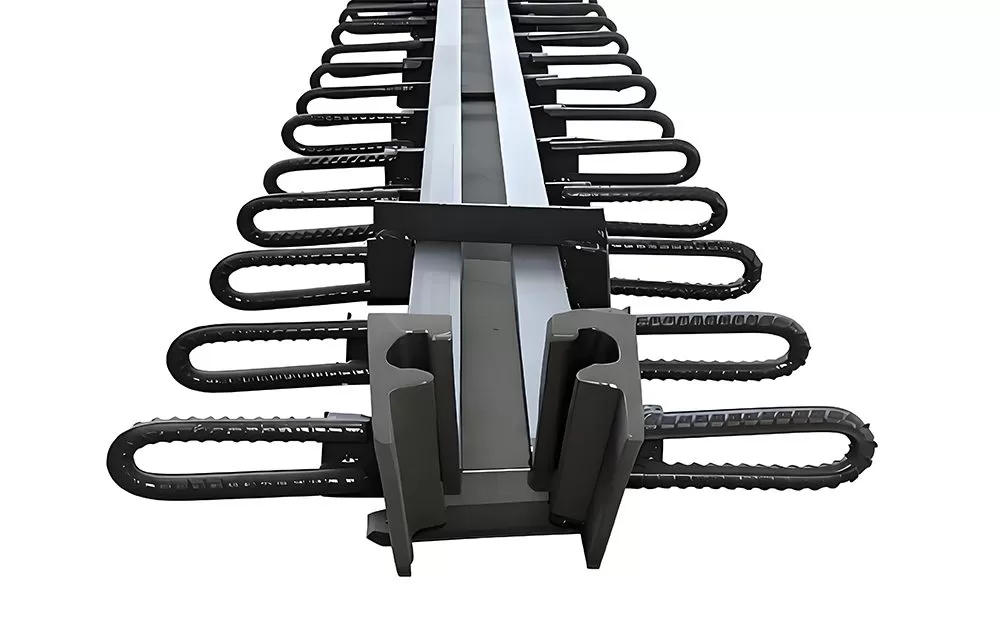
Testing Protocols to Demand from Suppliers
Before awarding a contract, require the supplier to share reports from an ISO/IEC 17025 accredited laboratory for these tests:
Dynamic movement fatigue test: 1,000,000 cycles at the full rated movement range, followed by hydrostatic test. No leaks, no cracks, no permanent set beyond 10% of original profile.
Weatherometer aging (Xenon arc): 2000 hours exposure, then measure retained tensile strength (minimum 80%).
Fluid resistance: Immersion in ASTM No. 3 oil and 10% sodium chloride solution for 72 hours at 70°C – volume swell < 20%.
One supplier that consistently meets these benchmarks is KINGWORK, whose strip seal products are regularly tested for 1.5 million cycles without loss of watertight integrity. Such data provides confidence for design engineers and bridge owners.
Frequently Asked Questions (FAQ)
Q1: What is the typical service life of a properly installed strip
seal expansion joint?
A1: With correct material selection (EPDM or
CR with UV stabilizers) and routine cleaning, a strip seal can last 15 to 20
years on highways with moderate truck volumes. On heavy freight corridors or
bridges with aggressive de-icing salt use, replacement may be needed at 10–12
years. The steel rails, if galvanized, can last 30+ years.
Q2: How do I verify that strip seal expansion joint suppliers comply
with AASHTO requirements?
A2: Request a copy of the supplier's
quality manual and test reports referencing AASHTO M 220 (for rubber seals) and
AASHTO M 270 (for steel rails). Also ask for a certificate of conformance
stating that the product has been third-party tested to AASHTO T 277 water
leakage. Avoid suppliers who cannot provide these documents.
Q3: Can strip seals be installed in curved or skewed bridge
joints?
A3: Yes, but with precautions. For curved alignments (radius
< 50 m), the gland may need to be pre-curved using a heat-forming process.
For skewed joints (angle > 20°), the relative movement vectors cause
additional shear stresses. In such cases, consider using a modular strip seal
with reinforced side bulbs or consult an experienced supplier like KINGWORK for
a custom extrusion die.
Q4: What is the maximum joint gap a strip seal can
accommodate?
A4: Standard profiles cover movement ranges from ±12 mm
(for small parking decks) up to ±125 mm (for long-span bridges). The required
total width of the seal (gland size) is typically 1.5 to 2 times the maximum gap
opening. For gaps larger than 250 mm, a modular expansion joint system with
multiple strip seals or a finger joint is more appropriate.
Q5: How to prevent premature hardening of the strip seal
rubber?
A5: Specify EPDM rubber rather than neoprene if the bridge
is in a high-ozone or high-UV area. During storage on site, keep coils covered
in original packaging away from direct sunlight and ozone sources (electric
motors, welding equipment). After installation, regular cleaning of debris from
the joint groove prevents chemical attack from accumulated standing water and
road salts.
Q6: Are there alternative locking mechanisms besides the standard
“bulb and lip” design?
A6: Some suppliers offer stainless steel
clamping bars or bolted cover plates over the strip seal for added retention in
very high traffic zones. However, these increase installation complexity. The
traditional rolled-in locking recess remains the most cost-effective and proven
method for 90% of applications.
Making the Final Decision: Documentation and Inquiry Process
To select the right partner among strip seal expansion joint suppliers, develop a request for quotation (RFQ) that includes: design movement (min and max gap), deck thickness, traffic class (AASHTO HL-93 or equivalent), environment (coastal, freeze-thaw, desert), and required certification standards. A competent supplier will respond with a dimensioned drawing, compound data sheet, and fatigue test summary.
For projects where long-term reliability is non-negotiable, request a factory visit or witnessed sample test. This separates engineering-driven suppliers from simple traders. One example of a manufacturer that openly shares test results and rail profile FEA is KINGWORK. Their technical team assists in calculating exact movement ranges based on bridge geometry and local historical temperature data.
Ready to specify strip seal expansion joints for your bridge or viaduct project? Contact the KINGWORK engineering department to receive a customized joint schedule, rubber compound recommendation, and installation guidance. Submit your bridge parameters via the official inquiry form below.
Send your RFQ → or complete the technical questionnaire on our B2B portal. A dedicated bridge joint specialist will reply within 24 hours with preliminary sizing and test documentation.
![Bridge Joint Types: The Complete Engineering Guide [2026 Edition]](https://www.kwbridgebearing.com/storage/non_theme/202606/024.webp)