
Selecting Long-Lasting Elastomeric Bearings for Bridge Structural Longevity
Article content and related resources
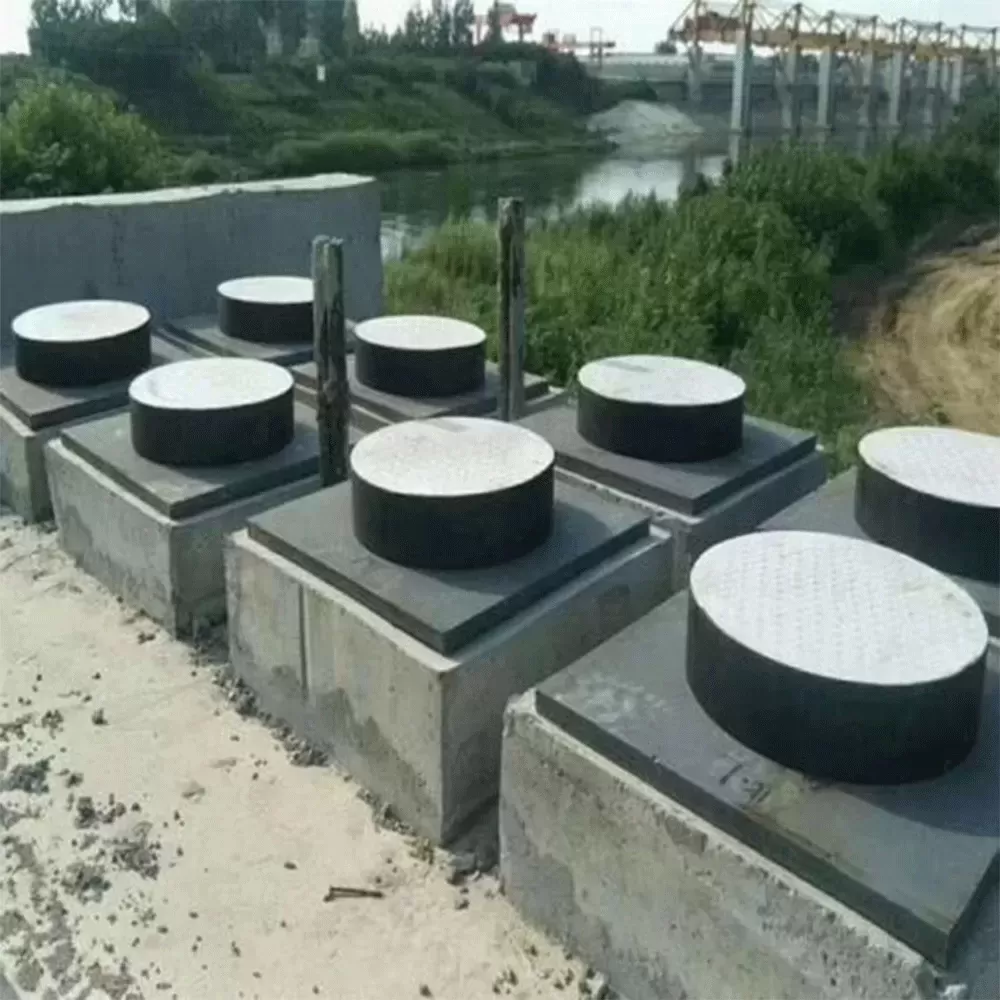
Modern bridge structures are continuously subjected to dynamic forces, temperature variations, concrete shrinkage, and seismic movements. Managing these movements without causing structural distress requires highly specialized load-bearing devices. Elastomeric bearings serve as the primary interface between the bridge superstructure and the substructure, allowing for controlled translation and rotation. As a specialized manufacturer in this field, KINGWORK provides engineered structural components designed to accommodate these complex structural behaviors while maintaining structural integrity over decades of service.
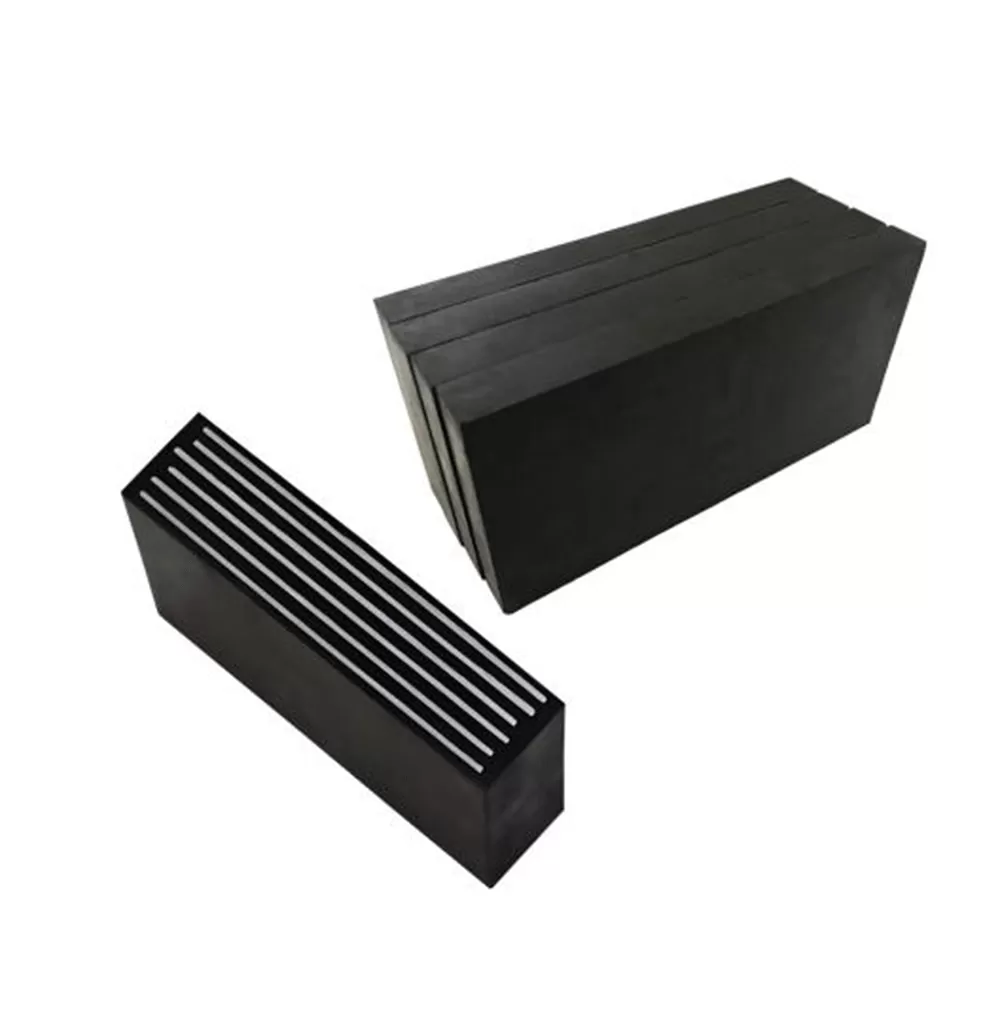
Material Mechanics and Structural Behavior
The performance of elastomeric bearings depends heavily on the physical properties of the elastomer and the structural design of the bearing pad itself. These components are designed to carry high vertical loads while allowing horizontal displacement and rotation through shear strain.
Natural Rubber vs. Chloroprene (Neoprene)
The choice of raw elastomer is a primary decision in the design phase. Natural rubber (polyisoprene) and chloroprene (commonly known as neoprene) are the two primary materials used in manufacturing. Natural rubber exhibits superior performance in extremely cold environments, resisting low-temperature crystallization and maintaining flexibility at temperatures below -30 degrees Celsius. Chloroprene, conversely, offers excellent resistance to environmental aging, ozone exposure, chemical attack, and ultraviolet radiation. The selection depends on the climatic conditions of the construction site and the specific environmental durability requirements of the project.
The Integration of Steel Reinforcement Plates
Plain elastomeric pads are suitable for low-load applications, but they tend to bulge excessively under high vertical loads. To control this lateral deformation, high-capacity elastomeric bearings incorporate internal steel laminates. These steel plates are chemically bonded to the elastomer layers during the vulcanization process under high temperature and pressure. The steel plates restrict the lateral bulging of the rubber, which increases the compressive stiffness of the bearing. However, because the steel plates do not restrict shear deformation, the bearing remains highly flexible in the horizontal direction. This allows the device to accommodate thermal expansion and contraction of the bridge deck without transferring high horizontal forces to the piers.
Shear Modulus and Shape Factor
Two fundamental parameters define the behavior of these devices: shear modulus and shape factor. The shear modulus (typically ranging from 0.9 MPa to 1.15 MPa in standard bridge applications) represents the stiffness of the rubber compound under horizontal load. The shape factor is defined as the ratio of the plan area of an elastomer layer to the perimeter area free to bulge. A higher shape factor results in greater compressive stiffness, allowing the bearing to support heavier vertical loads without excessive vertical deflection.
International Design Standards and Compliance
Bridge designers must adhere to rigorous specifications to ensure the long-term performance of elastomeric bearings. The design and manufacturing processes are governed by several key international standards, notably the AASHTO LRFD Bridge Design Specifications and the European Standard EN 1337-3.
AASHTO LRFD Specifications
Under the American Association of State Highway and Transportation Officials (AASHTO) specifications, elastomeric bearings are designed using either Method A or Method B. Method A is simpler but generally results in lower allowable compressive stresses. Method B allows for higher compressive stresses but requires more stringent testing and quality control protocols. Design checks include verifying compressive strain, rotation capacity, stability against buckling, and shear deformation limits to prevent fatigue cracking of the elastomer edge.
European Standard EN 1337-3
The European framework specifies exact requirements for the materials, design rules, and manufacturing tolerances of elastomeric bearings. It defines specific testing procedures for the shear modulus, shear bond strength, and ozone resistance of the elastomer. KINGWORK manufacturing processes are aligned with these international frameworks, ensuring that every produced batch meets the mechanical properties required for the specific geographical region of installation.
Addressing Structural Challenges and Material Longevity
In bridge engineering, structural components must perform reliably for several decades. Elastomeric bearings face several environmental and physical challenges over their operational lifespan.
Environmental Aging and Degradation: Exposure to atmospheric oxygen and ozone can cause the elastomer to harden over time. This hardening increases the shear modulus, making the bearing stiffer and transferring larger horizontal loads to the concrete supports. Utilizing advanced antioxidant and antiozonant chemical compounds during the rubber mixing phase is required to mitigate this aging process.
Improper Installation and Non-Uniform Loading: If the bearing seat is not level, or if the bridge girder exhibits a slope that was not properly adjusted using a tapered sole plate, the bearing will experience uneven loading. This leads to localized stress concentrations, accelerated wear, and potential delamination of the steel plates. Proper engineering design must always account for construction tolerances and slope requirements.
Creep and Shear Deformation Limits: Elastomers exhibit progressive deformation under sustained dead loads, a phenomenon known as creep. This deformation must be accounted for in the vertical clearance calculations of the bridge deck. Furthermore, the maximum horizontal translation must be strictly limited to prevent the elastomer from exceeding its safe shear strain capacity, which could lead to physical rolling of the bearing edges or tearing of the elastomer layers.
Comparative Analysis: Elastomeric Bearings vs. Alternative Bearing Types
Selecting the appropriate bearing type depends on the structural span, expected load, and movement requirements. Below is a comparison of elastomeric bearings against other common structural bearings:
Elastomeric Bearings: Best suited for low-to-medium spans. They provide moderate vertical load capacity and allow for multi-directional rotation and translation. They have no moving mechanical parts, which reduces maintenance needs and structural wear.
Pot Bearings: Suited for medium-to-high loads. They consist of an elastomeric disk confined within a steel cylinder, which behaves like a fluid under pressure. They allow for rotation in any axis but require separate sliding surfaces (such as PTFE) to accommodate large translations.
Spherical Bearings: Designed for very high vertical loads and large rotational angles. They utilize curved steel sliding surfaces and do not rely on elastomer deformation, making them suitable for long-span bridges and complex structures but at a higher financial cost.
For most standard highway and railway bridges, elastomeric bearings offer the most cost-efficient and durable solution due to their mechanical simplicity and ease of installation.
Quality Control and Laboratory Validation
To ensure long-term durability, representative samples from each production run must undergo systematic physical testing before delivery to the construction site. These testing protocols are performed to verify the mechanical properties of the finished components.
Compression Stiffness Test
This test measures the vertical deflection of the bearing under incremented compressive loads. The objective is to verify that the compressive stiffness matches the design calculations and that the bearing does not display signs of uneven bulging or material instability.
Shear Modulus and Bond Strength Testing
A dual-shear test setup is commonly used to determine the actual shear modulus of the elastomer. Additionally, the bond strength between the steel plates and the elastomer is evaluated under high shear strain levels to ensure that no delamination occurs under extreme horizontal displacement conditions.
Low-Temperature Crystallization Analysis
For bearings destined for cold climates, samples are conditioned at low temperatures for extended periods to confirm that the material does not undergo crystallization, which would otherwise lead to a dramatic and unacceptable increase in horizontal stiffness.
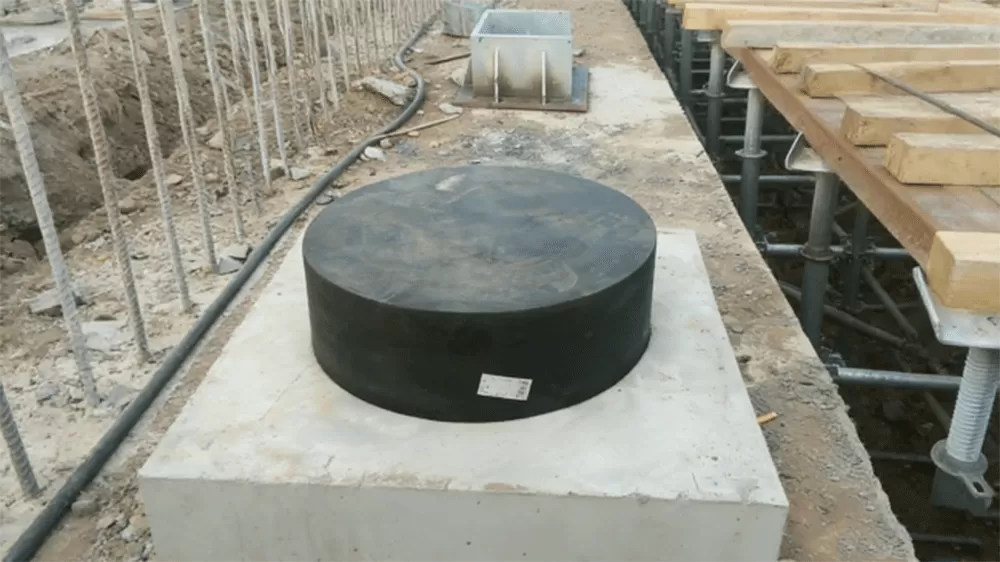
Project Consultation and Inquiry Framework
Specifying the correct elastomeric bearings requires a detailed understanding of the physical and mechanical parameters of the target bridge structure. To assist our engineering team in providing an accurate structural design and commercial proposal, project engineers should prepare the following design input parameters:
Maximum and minimum vertical service loads (including dead load and live load configurations).
Maximum expected translation in both longitudinal and transverse directions.
Rotational requirements about the transverse and longitudinal axes of the bridge pier.
Environmental exposure parameters, including the minimum design temperature and ozone resistance requirements.
The specific design standard to be followed (e.g., AASHTO, EN 1337-3, or specific national specifications).
The KINGWORK engineering department utilizes these parameters to design, manufacture, and test bearings that meet the exact requirements of your infrastructure projects. Contact our specialists to submit your structural drawings and project specifications for an engineered assessment and customized quotation.
Frequently Asked Questions
Q1: What is the main structural function of elastomeric bearings in bridge construction?
A1: They support the vertical weight of the bridge deck while allowing for horizontal movements caused by thermal expansion, contraction, and concrete shrinkage. They also allow for structural rotation at the girder supports without concentrating stresses on the underlying piers.
Q2: How does the presence of steel laminates affect the behavior of an elastomeric bearing?
A2: The steel laminates restrict the lateral bulging of the elastomer layers under vertical compression, which significantly raises the vertical compressive stiffness of the bearing. This allows the bearing to support heavy loads while keeping the horizontal shear stiffness low for structural translation.
Q3: Why is low-temperature performance a consideration when choosing between natural rubber and chloroprene?
A3: Natural rubber retains its elastic properties and resists crystallization at much lower temperatures than chloroprene. If chloroprene is used in extremely cold regions without proper chemical modification, it can stiffen significantly, transferring high thermal forces to the bridge piers.
Q4: What causes the steel plates in laminated bearings to delaminate?
A4: Delamination is typically caused by insufficient vulcanization bonding during manufacturing, excessive shear strain that exceeds the material design limits, or non-uniform vertical loading caused by uneven bearing seats.
Q5: What is the average operational lifespan of a high-quality elastomeric bearing?
A5: With high-quality raw materials and strict manufacturing controls, these devices can operate effectively for 30 to 50 years. Periodic structural inspections are recommended to monitor for physical degradation, cracking, or unusual deformation over time.
![Bridge Joint Types: The Complete Engineering Guide [2026 Edition]](https://www.kwbridgebearing.com/storage/non_theme/202606/024.webp)