
Seismic Elastomeric Bearing for Bridge: Superior Vibration Damping & Load Contro
Article content and related resources
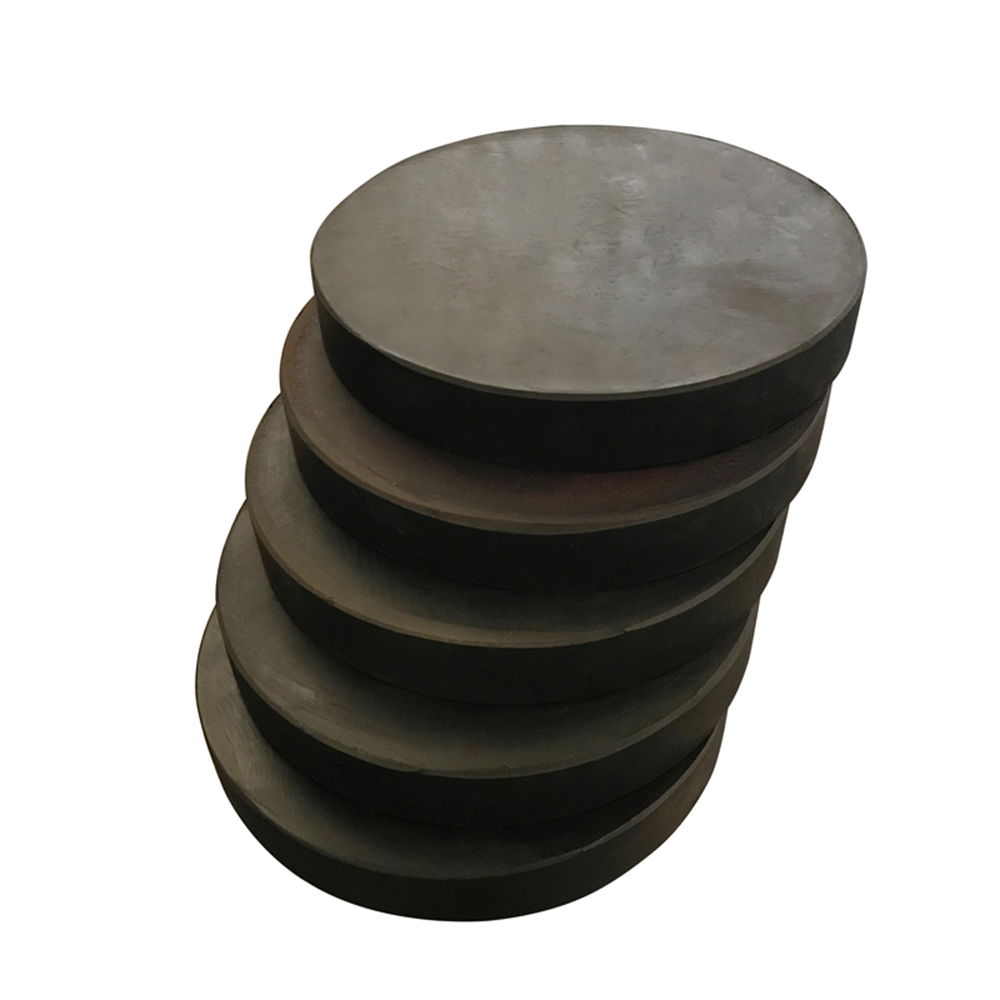
Bridge superstructures face constant movement from heavy traffic, extreme thermal fluctuations, concrete shrinkage, and sudden seismic shocks. Rigid structural connections transmit destructive forces directly into bridge substructures, triggering crack formation or sudden catastrophic collapses.
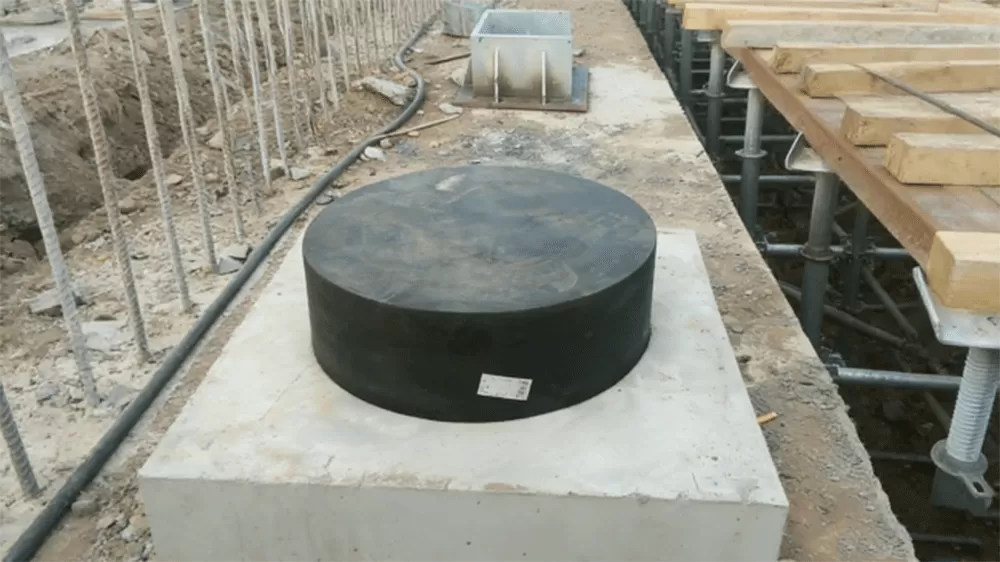
Installing an engineered elastomeric bearing for bridge applications solves this fundamental structural challenge. These crucial components act as flexible shock absorbers, isolating superstructure movements while transmitting vertical loads safely down to the foundation piers.
Since 2012, KINGWORK has delivered advanced bridge isolation devices and custom structural bearings to major infrastructure projects in over 50 countries. Our engineered rubber formulations give structural engineers total confidence in long-term safety and performance.
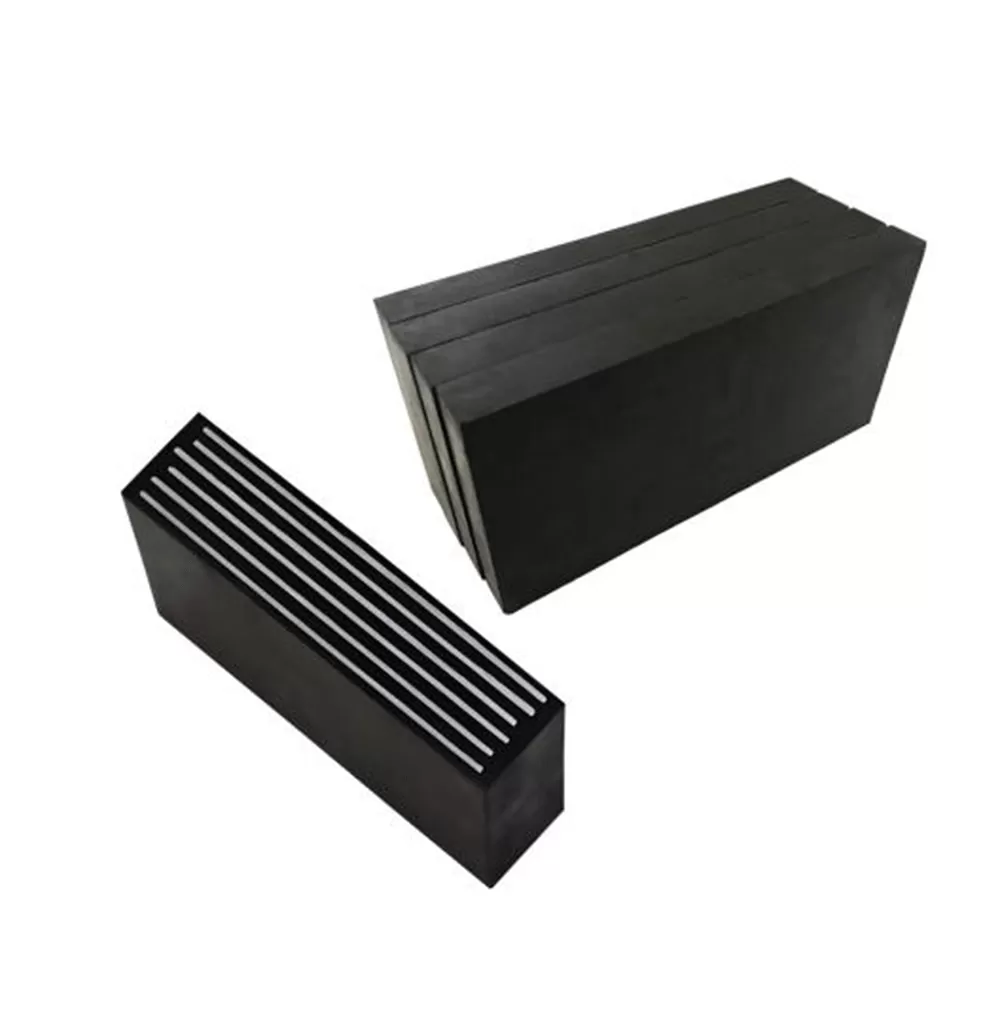
The Science of Vibration Damping and Load Control
Modern bridge engineering demands components that handle two distinct mechanical actions at once: high vertical load support and horizontal flexibility. A high-performance elastomeric bearing for bridge applications achieves this balance through material science and composite structural design.
1. Mechanism of Seismic Vibration Damping
Seismic events generate extreme horizontal ground acceleration. Standard rigid bridge supports transfer these dynamic horizontal forces directly to the deck, creating destructive shearing stresses.
A high damping rubber bearing (HDRB) breaks this rigid link. By using specialized elastomeric compounds with added carbon black, resins, and proprietary curing agents, the rubber exhibits high visco-elastic damping characteristics.
Energy Dissipation: The internal molecular friction of the elastomer converts raw kinetic seismic energy into negligible thermal energy.
Period Shift: By increasing the natural vibration period of the bridge structure, the elastomeric bearing for bridge systems reduces peak earthquake acceleration forces by up to 70%.
Hysteretic Response: The rubber compound delivers a wide hysteretic loop during cyclic shearing, absorbing energy without requiring mechanical hydraulic dampers.
2. Precision Load Distribution and Rotation Control
Beyond seismic protection, bridge bearings must manage daily operational loads without failing under high compressive stress. Unreinforced rubber bulges excessively under weight, which leads to premature wear and uneven load distribution.
To overcome this, high-strength vulcanized steel plates are laminated inside the rubber matrix during high-pressure manufacturing:
Vertical Load Capacity: Laminated internal steel plates restrict the lateral bulging of the rubber layers, giving the elastomeric bearing for bridge supports immense vertical load-bearing capacity.
Horizontal Shear Movement: The internal steel plates do not impede horizontal shear deformation, allowing the bridge deck to expand and contract smoothly during daily temperature cycles.
Rotational Accommodation: The elastic deformation of the top and bottom rubber layers accommodates angular rotations caused by live traffic deflection or beam pre-stressing forces.
3. KINGWORK Advanced Material Advantage
The longevity of any structural bearing depends on rubber chemistry. Standard commercial rubber degrades when exposed to continuous compressive stress, ozone, saltwater, and harsh temperature drops.
KINGWORK uses self-developed rubber formulas built specifically for bridge vibration damping and load control applications. Our elastomeric compounds offer extreme creep resistance, high shear resilience, and stable elastic modulus across temperatures ranging from cold polar regions (-40°C) to sun-scorched desert climates (+50°C).
International Standards Compliance & Product Matrix
Structural reliability requires total compliance with international infrastructure standards. Every elastomeric bearing for bridge projects manufactured by KINGWORK undergoes strict testing to meet or exceed global engineering codes, including AASHTO LRFD, EN 1337-3, and ISO 22762.
Choosing the correct structural support depends on span length, load profile, seismic zone risk, and movement requirements. The table below compares structural bearing types used across global bridge projects:
| Bearing Category | Vertical Load Range (kN) | Displacement Capability | Damping Ratio | Best Structural Application |
|---|---|---|---|---|
| Laminated Elastomeric Bearing | 100 – 15,000 | Moderate (Up to ±100mm) | 2% – 5% | Short to medium-span highways, urban overpasses, standard bridges. |
| High Damping Rubber Bearing (HDRB) | 500 – 20,000 | High (Up to ±300mm) | 10% – 15% | High seismic zone highway bridges, emergency route overpasses. |
| Lead Rubber Bearing (LRB) | 1,000 – 30,000 | Very High (Up to ±500mm) | 15% – 30% | Critical highway links, railway bridges across active seismic faults. |
| Pot Bearing | 1,000 – 60,000+ | High (Sliding surface integrated) | N/A (Rigid/Sliding) | Long-span bridges, heavy railway viaducts requiring large rotations. |
| Spherical Bearing | 2,000 – 100,000+ | Extremely High | N/A (Rigid/Sliding) | Complex curved bridges, mega-structures with multi-directional rotation. |
Alongside structural bearings, modern bridge decks require synchronized movement systems. KINGWORK designs and manufactures matching bridge expansion joints and bearings, creating integrated bridge deck movement systems that protect structural integrity across entire highway networks.
Why Global Contractors Partner with KINGWORK
Infrastructure contractors, engineering consultants, and project owners face tight deadlines and severe compliance requirements. Choosing KINGWORK as your dedicated custom elastomeric bearing manufacturer delivers clear operational benefits.
Proven Engineering Expertise
Structural engineering is integrated into every stage of our operations. Our engineering team combines solid material science with finite element analysis (FEA) to simulate real-world bridge stress, shear displacement, and dynamic seismic shocks before production begins.
Uncompromising Quality Assurance
Quality control starts with natural rubber selection and certified structural steel plates. Every production lot undergoes rigorous physical testing, including vertical compressive stiffness tests, dynamic shear modulus validation, and ultimate bond strength testing. Every component includes complete raw material mill test reports and batch traceability.
Built for Harsh Global Environments
Infrastructure operates in demanding real-world environments. KINGWORK elastomeric bearing for bridge structures feature advanced anti-aging chemical additives and optional corrosion-resistant exterior plates. Our products perform reliably in high-salinity marine environments, hot coastal regions, and freezing mountain passes.
True Engineer-to-Order (ETO) Customization
No two bridge designs share identical load profiles or pier dimensions. KINGWORK offers true Engineer-to-Order customization. We supply elastomeric bearings tailor-made for unique beam geometries, specialized load capacities, or custom mounting anchor plate configurations. We support projects with low minimum order quantities and fast engineering response times.
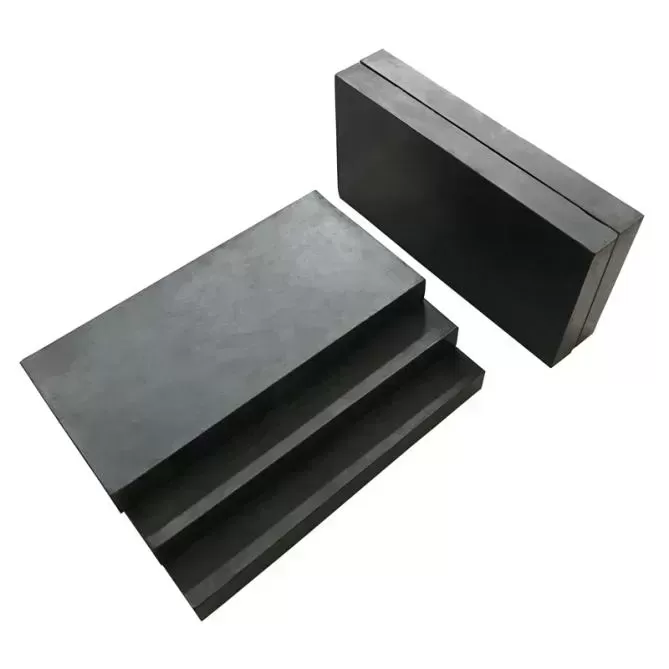
Bridge Design Considerations and Structural Applications
Specifying the ideal elastomeric bearing for bridge infrastructure requires analyzing several critical engineering parameters during the design stage:
Design Load Calculations: Engineers must calculate maximum and minimum vertical dead loads alongside dynamic live traffic loads to prevent unexpected rubber uplift or over-compression.
Shear Modulus (G-Value): Selecting the proper elastomer shear modulus (typically 0.9 MPa or 1.15 MPa standard options) ensures the bearing responds correctly to structural movement and seismic wave energy.
Shear Strain Limits: Total horizontal displacement caused by thermal movement, concrete creep, and seismic action must remain within safe strain limits to avoid elastomer debonding from internal steel plates.
Environmental Weathering: High ozone concentrations, chemical exposure in industrial corridors, or UV radiation require custom compound formulations to prevent surface cracking.
KINGWORK elastomeric bearings support critical civil infrastructure worldwide, including:
High-speed passenger railway viaducts requiring strict settlement limits and low movement drift.
Multi-lane highway overpasses needing long service life with minimal maintenance shutdowns.
Urban elevated expressways subject to continuous dynamic traffic braking and acceleration forces.
Pedestrian footbridges exposed to dynamic structural vibration and wind-induced swing movement.
Frequently Asked Questions (FAQ)
Q1: What primary function does an elastomeric bearing for bridge
structures serve?
A1: An elastomeric bearing for bridge systems
supports heavy vertical deck loads while allowing controlled horizontal
movements and beam rotations caused by thermal expansion, dynamic traffic
forces, and ground movements. This flexibility isolates structural stress and
protects concrete bridge piers from structural damage.
Q2: How does a High Damping Rubber Bearing (HDRB) differ from a
standard laminated rubber bearing?
A2: Standard laminated rubber
bearings provide structural flexibility with lower internal energy absorption
(2% to 5% damping ratio). High Damping Rubber Bearings use specialized rubber
formulas with added carbon black and synthetic resins, achieving high damping
ratios between 10% and 15%. This dissipates seismic energy far more effectively
during earthquakes.
Q3: Which international design codes do KINGWORK elastomeric bearings
comply with?
A3: KINGWORK manufactures elastomeric bridge bearings
fully compliant with global standards, including AASHTO LRFD Bridge Design
Specifications, European Standard EN 1337-3, ISO 22762 for seismic isolation,
and custom national bridge construction codes.
Q4: How do extreme low temperatures affect elastomeric bearing
performance?
A4: Standard structural rubber stiffens when exposed to
extreme cold, increasing its shear modulus and reducing flexibility. KINGWORK
formulates custom low-temperature elastomeric compounds engineered to maintain
full elastic flexibility and shear capacity in extreme cold environments down to
-40°C.
Q5: What technical details are required to request a custom bearing
quote from KINGWORK?
A5: To provide an accurate engineering quote,
our engineering team requires maximum vertical dead/live loads, required
horizontal movement displacement, rotational angle demands, target shear modulus
(G-value), structural dimension limits, and applicable regional design
standards.
Secure Your Infrastructure Investment with KINGWORK
Selecting high-performance, fully certified structural supports is the most cost-effective decision you can make to guarantee a century of safe bridge service life. KINGWORK manufactures top-tier seismic elastomeric bridge bearings designed to withstand harsh weather, extreme loads, and unpredictable seismic events.
Are you designing your next major highway, railway, or urban overpass project? Contact the senior engineering team at KINGWORK today to receive technical consultation, structural drawing optimization, and competitive project pricing.
Take the next step in bridge structural safety. Submit your design parameters or project specifications to request a detailed quotation now!
![Bridge Joint Types: The Complete Engineering Guide [2026 Edition]](https://www.kwbridgebearing.com/storage/non_theme/202606/024.webp)