
Reducing Lifecycle Costs with Durable Bridge Expansion Joint Material
Article content and related resources
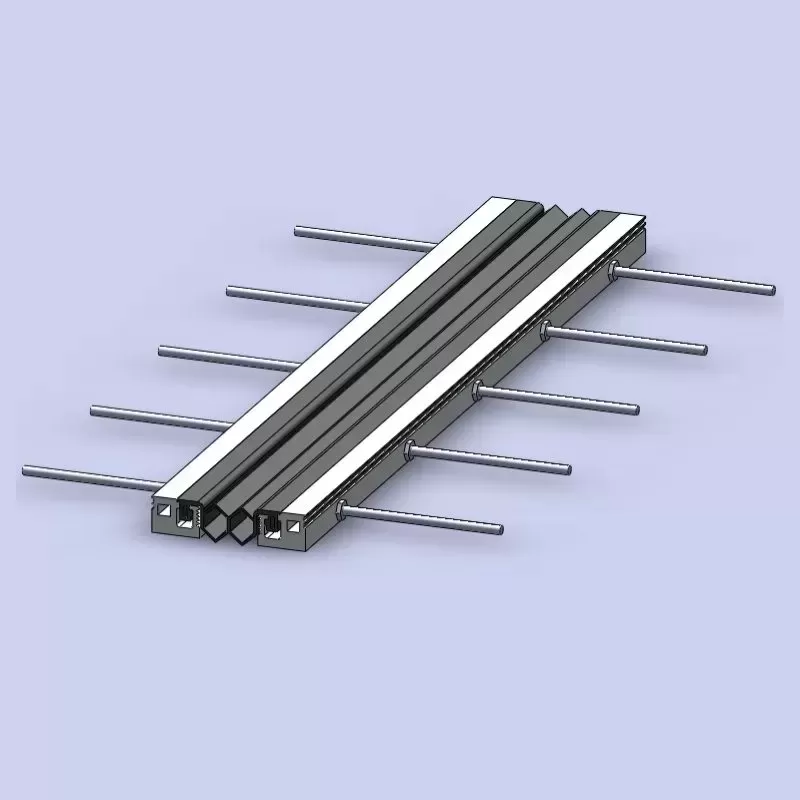
Modern highway networks and urban overpasses are subjected to severe mechanical loads and variable climatic conditions. To maintain structural integrity and safety, civil engineers must address the continuous movement of bridge decks caused by thermal expansion, concrete shrinkage, and traffic-induced deflection. Within this context, selecting the appropriate bridge expansion joint material is a primary factor in determining the overall service life of both the joint assembly and the supporting superstructure.
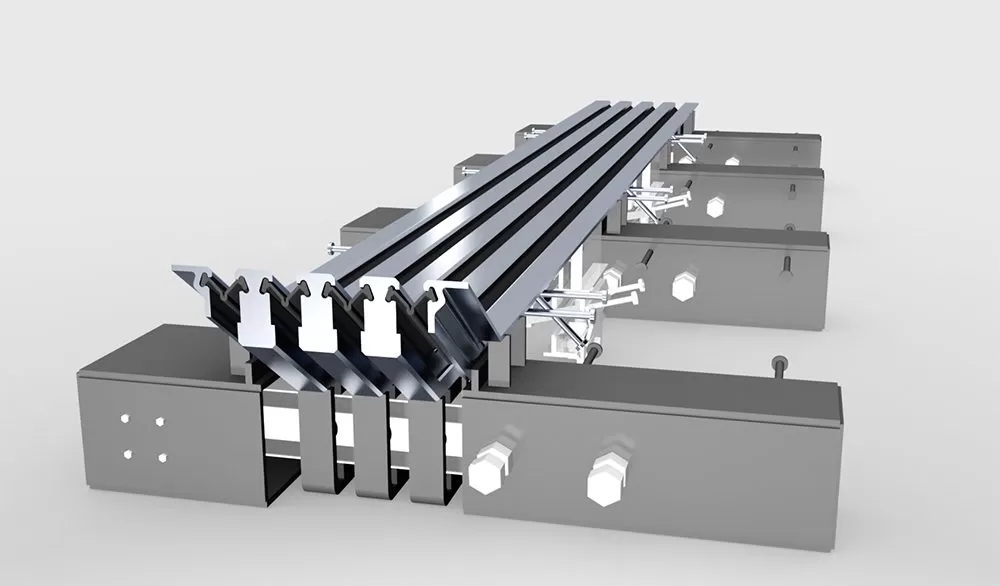
Expansion joints act as flexible links between rigid bridge spans. They accommodate multi-axial displacement while preventing water, deicing chemicals, and debris from penetrating the underlying abutments and piers. When these materials degrade prematurely, the resulting water leakage can accelerate the corrosion of structural steel and concrete reinforcement, leading to high maintenance costs and potential structural failures. Therefore, understanding the physical properties, chemical resistances, and mechanical behavior of different material formulations is a key requirement for modern bridge design and asset preservation.
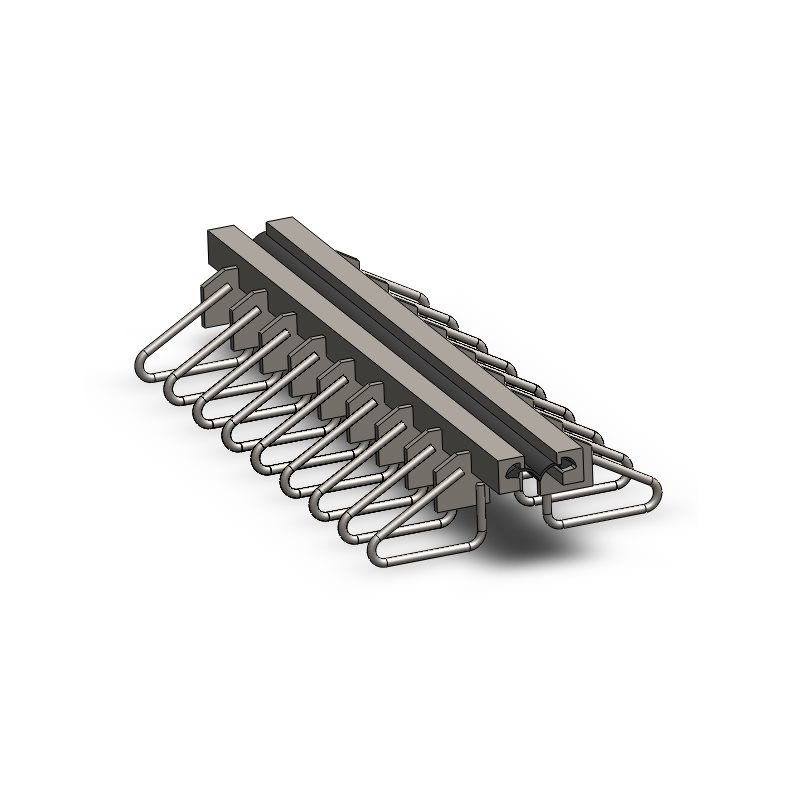
Mechanics of Movement and Material Demands
Bridges are dynamic structures that expand and contract in response to daily and seasonal temperature fluctuations. The degree of movement depends on the span length, the thermal expansion coefficient of the construction materials (primarily concrete and structural steel), and the local climate. Additionally, concrete shrinkage, creep, and rotational movements under heavy vehicular loads introduce complex, multi-directional stresses at the joint locations.
To withstand these continuous cycles of tension, compression, and shear, a bridge expansion joint material must possess specific mechanical properties:
High Tensile Strength and Elongation: The material must stretch to accommodate maximum joint opening during cold seasons without tearing or losing its elastic memory.
Low Compression Set: When the bridge expands in warm weather, the joint material is compressed. It must recover its original shape when the joint opens again, preventing permanent deformation.
Fatigue Resistance: The material must endure millions of load cycles from heavy vehicle axles without developing micro-cracks or structural failure.
Excellent Adhesion: For poured-in-place sealants and nosing materials, strong bonding to concrete or steel substrates is necessary to prevent water bypass.
Evaluating Bridge Expansion Joint Material Options
The selection of materials depends largely on the joint type, expected movement range, and local environmental conditions. Modern engineering utilizes several key material classes, each offering distinct advantages and limitations.
1. Elastomeric Compounds (Rubbers)
Elastomers are the primary materials used in strip seals, modular joints, and compression seals. The most common elastomers are Chloroprene (commonly known as Neoprene) and Ethylene Propylene Diene Monomer (EPDM).
Chloroprene (Neoprene): Neoprene is widely regarded as the industry standard for strip seal glands due to its balanced physical properties. It offers high tensile strength, excellent tear resistance, and reliable performance under dynamic loads. Neoprene also demonstrates good resistance to oil, grease, and moderate chemical exposure. Selecting a bridge expansion joint material with the appropriate durometer hardness (typically Shore A 50 to 70) ensures the seal can flex without buckling under compression.
EPDM: EPDM is selected for applications where extreme temperature variations and high ozone exposure are anticipated. It has superior resistance to weathering, UV radiation, and heat aging compared to standard chloroprene. However, EPDM has lower resistance to hydrocarbons, making it less suitable for bridge decks where oil and fuel spills are frequent.
2. Nosing and Header Materials
The joint nosing is the transitional zone between the flexible expansion seal and the rigid asphalt or concrete bridge deck. This area experiences direct wheel impact and must distribute high dynamic forces without cracking. Manufacturers like KINGWORK utilize advanced polymer concretes and polyurethane mortars to create durable headers that protect the joint edge.
Elastomeric Concrete: This is a multi-component material consisting of a polyurethane or epoxy binder mixed with graded silica sand and fiberglass aggregates. Elastomeric concrete absorbs heavy traffic impacts and bonds tightly to both the concrete deck and the steel joint profiles, reducing the risk of spalling at the joint interface.
Polyurethane-Based Mortars: These materials provide high flexibility and rapid curing times, which are beneficial for overnight bridge rehabilitation projects. They maintain their elasticity at low temperatures, preventing brittle cracking under cold-weather traffic loading.
3. Metallic Components
For modular and finger joint systems, structural steel and aluminum form the load-bearing framework. These metals must support the weight of heavy vehicles while maintaining precise alignment. Structural steel, typically conforming to ASTM A709 standards, is hot-dip galvanized or coated with corrosion-resistant paint systems to prevent rust. In highly corrosive environments, such as coastal regions or areas with heavy salt usage, stainless steel components are integrated into the slide plates and hardware to prevent seizing and premature degradation.
Addressing Common Industry Pain Points
When evaluating different options for bridge expansion joint material, engineers must balance initial procurement costs with long-term maintenance expectations. Several persistent challenges affect joint performance over time.
Waterproofing and Chemical Attack
Water infiltration is the leading cause of premature bridge deck and substructure deterioration. Deicing salts (primarily sodium chloride and calcium chloride) dissolved in runoff water create a highly corrosive electrolyte solution. If the expansion joint seal fails, this solution drains directly onto the bearing pads and pier caps. The choice of bridge expansion joint material directly influences how well a structure can resist chemical attack. Elastomers must be tested for low water absorption and resistance to chemical swelling to ensure the seal remains watertight over decades of service.
Debris Ingress and Mechanical Puncture
Roadway debris, including sand, gravel, and metal fragments, frequently accumulates in expansion joint openings. As the joint closes during warm weather, this debris can compress against the elastomer, causing punctures or tearing. High-performance joint designs use specific geometric profiles, such as V-shaped or cellular seals, that naturally expel debris during joint movement. Additionally, selecting tear-resistant polymer compounds helps mitigate the risk of localized punctures propagating into full-system failures.
Thermal and Environmental Degradation
Continuous exposure to solar radiation raises the temperature of dark-colored joint seals well above the ambient air temperature, accelerating polymer aging. Over time, UV light breaks the polymer chains, leading to hardening, loss of elasticity, and surface cracking. For this reason, modern rubber formulations incorporate carbon black and specialized anti-ozonants to block UV penetration and preserve the flexible properties of the seal in extreme climates.
Testing Protocols and Quality Control
To ensure consistent field performance, materials must undergo rigorous testing before approval. National and international standards, such as those established by AASHTO (American Association of State Highway and Transportation Officials) and ASTM, define the minimum performance baselines.
Standard testing procedures include:
Tensile Strength and Elongation (ASTM D412): Measures the maximum force the elastomer can withstand before breaking and its ability to stretch without permanent deformation.
Ozone Resistance (ASTM D1149): Evaluates the material's resistance to ozone-induced cracking under static strain, simulating long-term environmental exposure.
Hardness Durometer (ASTM D2240): Determines the material's resistance to indentation, ensuring it is neither too soft to resist puncture nor too rigid to flex.
Compression Set (ASTM D395): Assesses the ability of the elastomer to retain its elastic properties after prolonged compression at elevated temperatures.
By enforcing strict adherence to these testing protocols, companies like KINGWORK verify that every batch of polymer or elastomeric concrete meet the physical parameters required for long-term structural service.
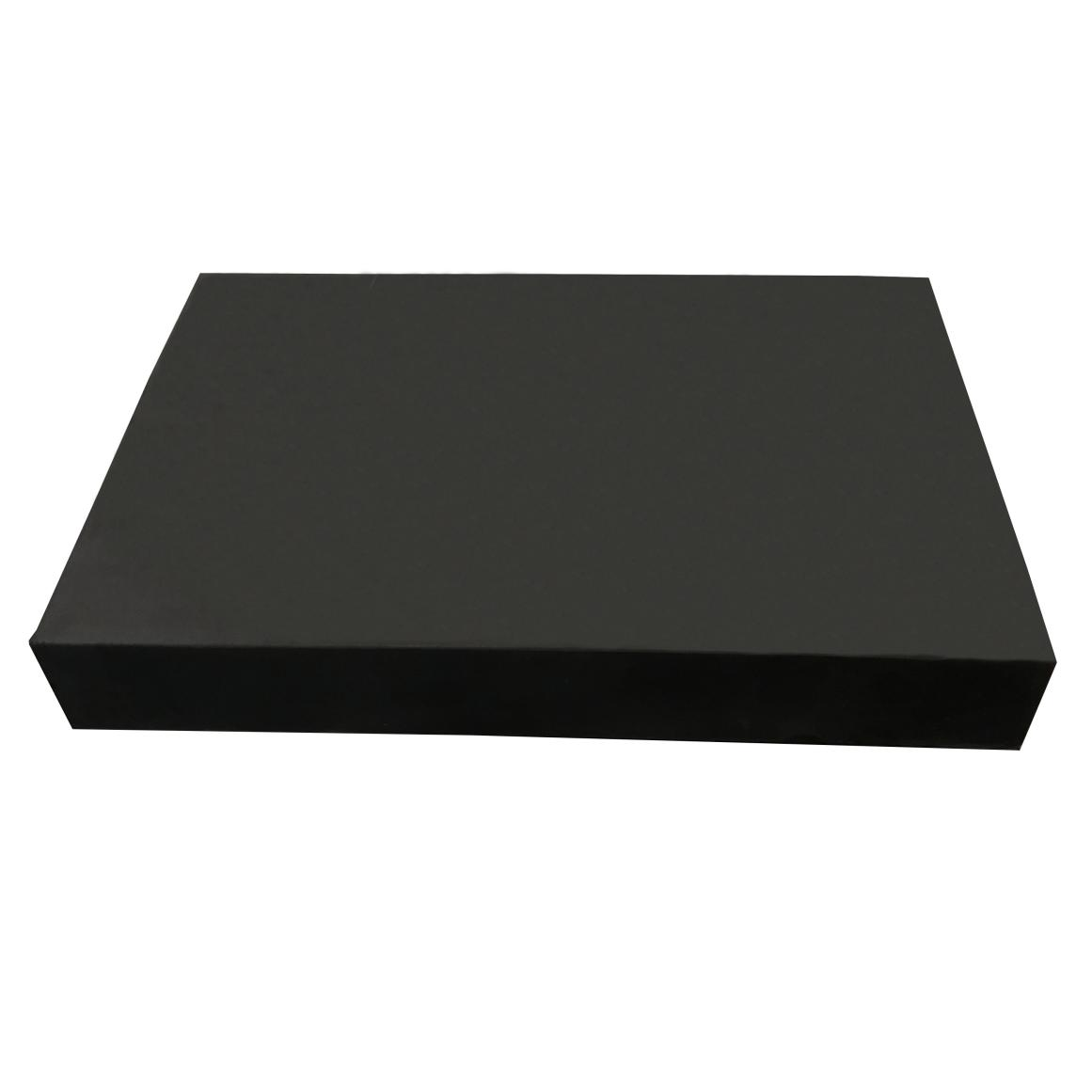
Installation Factors Influencing Material Performance
Even the highest-grade materials can fail if the installation process is compromised. Proper site preparation and environmental conditions during installation are vital for system success.
Before applying elastomeric concrete or polyurethane sealants, the concrete substrate must be thoroughly cleaned, dry, and free of laitance or oils. Mechanical sandblasting or abrasive blasting is typically required to achieve a clean profile with adequate surface roughness. Additionally, ambient and substrate temperatures must be monitored; applying polymer materials outside their specified curing temperature range can lead to incomplete polymerization, weak bonding, or premature shrinkage cracking.
Choosing high-grade bridge expansion joint material reduces the frequency of localized concrete failures around the joint nosing, allowing highway authorities to allocate maintenance budgets to other structural needs. Proper joint selection and correct installation collectively ensure the uninterrupted flow of traffic and safeguard the underlying structural assets.
Frequently Asked Questions
Q1: What is the primary difference between Neoprene and EPDM for bridge seals?
A1: Neoprene offers superior physical properties, including high tear resistance, tensile strength, and oil resistance, making it suitable for standard strip seals on active roadways. EPDM provides exceptional resistance to ozone, UV radiation, and extreme temperatures, but has poor resistance to petroleum-based fluids, making it less ideal for high-traffic zones prone to fuel spills.
Q2: Why does elastomeric concrete perform better than standard concrete in joint nosings?
A2: Elastomeric concrete combines a flexible polymer binder with strong aggregates, allowing it to absorb the impact of heavy vehicle wheels without cracking. Standard concrete is brittle and prone to spalling under cyclic dynamic impacts, which quickly leads to joint edge failure.
Q3: How does temperature during installation affect expansion joint materials?
A3: Temperature determines the physical width of the joint opening during installation. If installed at extreme temperatures without correcting for thermal movement, the joint may over-compress in summer or over-stretch in winter. Furthermore, liquid-applied materials require specific temperature ranges to cure completely and develop their full physical properties.
Q4: How often should the elastomeric seals in a bridge expansion joint be replaced?
A4: With high-quality material selection and proper installation, high-performance elastomeric seals can last between 15 to 25 years. However, regular inspections should be conducted every 2 to 5 years to check for debris accumulation, physical damage, or signs of water leakage.
Q5: Can chemical deicers degrade bridge expansion joint materials?
A5: Yes. While standard salts have minimal direct effect on high-quality cured elastomers, they accelerate the corrosion of embedded steel plates and degrade adjacent concrete. Specialized joint materials are formulated with low permeability and high chemical resistance to prevent these brine solutions from reaching sensitive structural elements.
Contact and Inquiries
Selecting the correct material system requires careful evaluation of structural movement, traffic volume, and environmental conditions. The engineering team at KINGWORK provides technical support and high-performance material solutions tailored to meet your project specifications. For detailed technical inquiries, material datasheets, or project estimates, please contact our technical sales department to discuss your infrastructure design requirements.
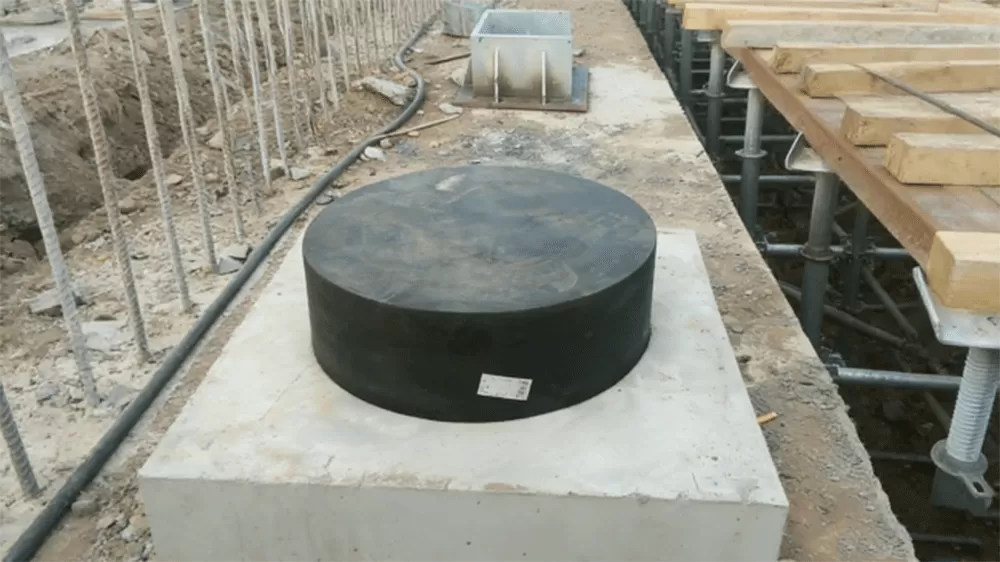
![Bridge Joint Types: The Complete Engineering Guide [2026 Edition]](https://www.kwbridgebearing.com/storage/non_theme/202606/024.webp)