
Maximizing Bridge Lifespan: Selecting the Right Pot Bearing for Complex Structural Movements
Article content and related resources
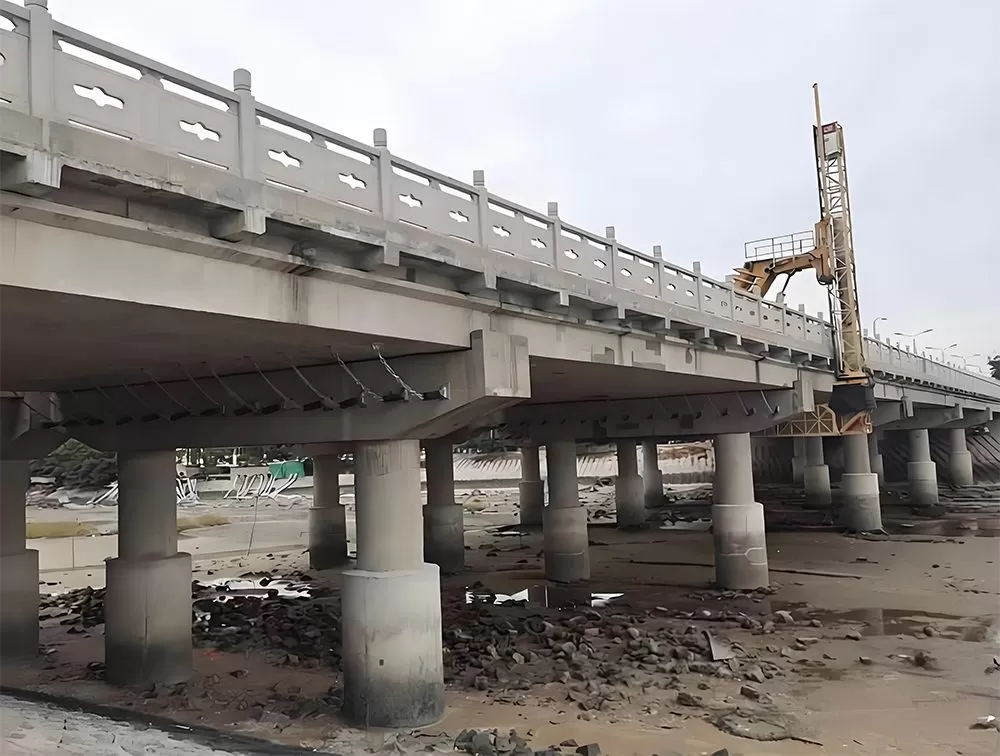
Modern infrastructure requires structural support systems capable of managing massive vertical loads while simultaneously accommodating complex rotational and translational movements. Among the diverse range of structural bearings available to structural engineers, the bearing pot stands out as a highly reliable and durable solution. Designed to function under high-pressure conditions, these components act as the vital link between a bridge superstructure and its supporting substructure, ensuring uniform load distribution and mitigating localized stresses.
As urban transit networks and highway systems expand, the demand for high-capacity structural bearings continues to rise. Selecting the correct bearing design involves a thorough understanding of elastomer behavior under confinement, materials science, and structural dynamics. This analysis examines the operational principles, classification systems, material standards, and installation protocols associated with these components, highlighting the engineering solutions provided by KINGWORK to meet global infrastructural demands.
.webp?t=1782271711722 "公路桥 (5)")
The Fundamental Working Principle of a Bearing Pot
The operational efficiency of a bearing pot relies on a well-established principle of fluid mechanics: when an elastomeric material is completely enclosed and subjected to high pressure, it behaves like a highly viscous fluid. This characteristic allows the bearing to facilitate structural rotation about any horizontal axis with minimal resistance, while maintaining high compressive stiffness under vertical loading.
The system consists of three primary components working in unison:
The Steel Pot (Cylinder): A solid steel plate machined with a shallow, circular recess. This cylinder houses the elastomeric pad and resists the lateral expansion forces generated under compression.
The Confined Elastomeric Pad: Positioned precisely within the steel cavity, this natural or synthetic rubber disc acts as the pressure-transmitting medium. Under load, it behaves hydrostatically, transferring the vertical force evenly across the entire surface of the pot.
The Steel Piston: A precisely machined steel plate that fits into the recess on top of the elastomeric pad. The piston transfers vertical loads from the superstructure down into the elastomer, acting as a plunger that maintains pressure while permitting rotational movement.
To prevent the elastomer from extruding through the clearance gap between the piston and the inner cylinder wall, high-durability brass or stainless steel sealing rings are installed around the perimeter of the elastomeric disc. When the superstructure rotates, the piston tilts slightly into the pot, causing the elastomer to deform. Because the elastomer is confined, it cannot escape, ensuring that the vertical load is transmitted uniformly without causing uneven stress concentrations on the concrete piers below.
Structural Classifications and Displacement Capabilities
Bridges and structural frames undergo multidirectional movements due to thermal expansion, concrete shrinkage, wind forces, and seismic activity. To accommodate these diverse displacements, the bearing pot is manufactured in three primary configurations, each serving a specific structural role.
1. Fixed Bearings (Non-Sliding)
Fixed configurations allow for rotational movement in any horizontal direction but restrict translational movement in both the longitudinal and transverse directions. These units are deployed at structural locations designated as anchor points, where horizontal forces must be directly transferred from the deck to the supporting piers.
2. Guided Sliding Bearings (Uni-directional Displacement)
Guided sliding configurations combine the rotational capabilities of the confined elastomer with a sliding mechanism that allows movement along a single horizontal axis. This is achieved by incorporating a polished stainless steel sheet welded to a backing plate, sliding against a polytetrafluoroethylene (PTFE) or ultra-high-molecular-weight polyethylene (UHMWPE) disc. Guide bars are integrated into the design to restrict movement along the perpendicular axis, providing directional stability to the structure.
3. Free Sliding Bearings (Multi-directional Displacement)
Free sliding units permit rotation as well as displacement in all horizontal directions. By utilizing a wide, flat PTFE sliding surface paired with a continuous stainless steel plate, these bearings allow the bridge deck to expand and contract freely in response to environmental changes. This configuration minimizes the thermal stresses transferred to the bridge substructure, protecting the concrete piers from bending moments.
Material Specifications and International Standards
The longevity and reliability of a bearing pot depend on the quality and compatibility of its constituent materials. Engineering standards such as EN 1337, AASHTO LRFD Bridge Design Specifications, and various national guidelines dictate the material properties, manufacturing tolerances, and testing protocols required for these components.
The steel used for the pot and piston must possess high yield strength and excellent ductility. Structural steel grades such as S355JR or S355J2+N according to EN 10025, or ASTM A709 Grade 50, are typically specified. These steels undergo rigorous ultrasonic testing to detect any internal defects or laminations before machining begins.
The sliding interface is critical for minimizing friction under high bearing pressures. Polished stainless steel sheets, typically grade 1.4401 (316) or 1.4404, are polished to a mirror finish (roughness Ry ≤ 1 µm) to slide against dimpled, lubricated PTFE. The dimples on the PTFE surface act as reservoirs for silicone grease, ensuring low friction coefficients (typically between 0.01 and 0.03 at low temperatures) over a service life spanning several decades.
Corrosion protection is another vital aspect of material specification, particularly in marine or industrial environments. KINGWORK utilizes advanced protective coatings, including hot-dip galvanizing, thermal zinc spraying, and multi-coat epoxy paint systems, to safeguard the steel elements against atmospheric moisture and chemical exposure.
Addressing Common Industry Pain Points and Solutions
Engineers and contractors often face challenges regarding the long-term durability and installation accuracy of structural bearings. Understanding these issues allows for the implementation of preventative design and manufacturing solutions.
Extrusion of the Elastomeric Pad
One of the historical issues with older pot designs was the extrusion of the rubber disc through the gap between the piston and the pot wall. This typically occurred due to the degradation of the sealing rings under cyclic loading. To prevent this, modern designs utilize multi-layered brass or POM (polyoxymethylene) sealing rings that maintain constant contact with the cylinder wall, ensuring complete confinement of the elastomer even during maximum rotation.
High Friction Coefficients
Over time, dust infiltration and lubrication breakdown can increase the sliding friction of the PTFE interface, leading to unintended horizontal forces on the bridge piers. The integration of specialized dust seals and high-performance sliding materials, such as modified UHMWPE, helps maintain low friction values throughout the operational lifespan of the structure, reducing maintenance requirements.
Uneven Load Distribution during Installation
Improper leveling during installation can lead to eccentric loading and premature wear of the sliding surfaces. To assist contractors, modern bearing assemblies are designed with temporary transport locking devices and leveling screws, enabling precise positioning before the final grouting process. KINGWORK provides detailed technical drawings and site installation guidance to ensure that bearings are aligned within specified tolerances.
Standard Installation and Maintenance Procedures
The correct performance of a bearing pot is highly dependent on precise installation and systematic maintenance. Minor errors during the positioning phase can lead to uneven load distribution and reduced service life.
During the construction phase, the contact surfaces of both the concrete pier cap and the bridge girder must be clean, flat, and free of voids. High-strength, non-shrink epoxy or cementitious grout is cast beneath the steel sole plates to create a level bedding layer. The bearing assembly must be placed horizontally, with the temporary transit bolts kept intact until the concrete deck has been cast and cured, after which they must be removed to allow the bearing to move freely.
Routine inspections should be conducted at scheduled intervals, typically every two to five years, to evaluate the condition of the system. Inspectors should monitor several key parameters:
Displacement Indicators: Verify that the actual sliding movement aligns with the calculated thermal expansion of the bridge deck.
Structural Seals: Inspect the elastomeric dust covers and seals for signs of cracking, tearing, or weathering.
Corrosion and Coatings: Check the steel surfaces for paint degradation, rust formation, or chemical staining, especially around drainage joints.
Tilt and Rotation: Monitor the piston clearance within the pot to ensure there is no abnormal tilting or structural settling.
.webp?t=1782271711722 "公路桥 (5)")
Technical Specifications Matrix
To assist structural designers in the initial sizing and selection process, the table below outlines the general parameters of standard pot configurations:
| Parameter Type | Standard Configuration Range | Applicable Standards |
|---|---|---|
| Vertical Load Capacity | 1,000 kN to over 60,000 kN | EN 1337-5 / AASHTO |
| Rotational Capacity | Up to 0.03 radians (standard) | EN 1337-5 |
| Friction Coefficient (PTFE) | 0.015 to 0.04 (depending on temperature) | AASHTO LRFD |
| Horizontal Displacement | ± 50 mm to ± 300 mm (customizable) | EN 1337-2 |
| Temperature Range | -40°C to +50°C (low-temp options available) | ASTM / ISO |
Through careful selection of materials and precise engineering, these components provide structural stability to some of the world's most complex bridge projects, managing massive forces while allowing the flexibility needed to accommodate thermal and environmental shifts.
Partner with KINGWORK for Custom Structural Solutions
Selecting the appropriate bearing system requires careful consideration of structural loads, movements, and environmental conditions. As a trusted manufacturer of bridge components and structural isolation devices, KINGWORK designs and produces high-quality bearing systems tailored to specific project requirements. Our engineering team provides detailed design calculations, technical drawings, and material certification to ensure compliance with international standards. Contact our technical sales department to submit your project specifications and receive a customized inquiry proposal.
Frequently Asked Questions
Q1: What is the primary difference between an elastomeric bearing and a pot bearing?
A1: An elastomeric bearing relies on the shear deformation of rubber layers to accommodate horizontal movement and rotation. By contrast, a pot bearing confines the elastomeric pad within a steel cylinder, allowing it to act like a fluid. This confinement enables the bearing to support much higher vertical loads within a smaller footprint while facilitating rotation through the deformation of the enclosed rubber disc.
Q2: How does temperature affect the performance of a sliding bearing pot?
A2: Temperature influences both the expansion of the bridge superstructure and the coefficient of friction of the sliding surfaces. At extremely low temperatures, the friction coefficient of the PTFE-stainless steel interface increases slightly, and the elastomeric pad becomes stiffer. These variations must be factored into the structural design to ensure that the bearing and the supporting structure can safely manage the resulting thermal forces.
Q3: Can these bearings be replaced after a bridge is completed?
A3: Yes, modern bridge design practices require provisions for future bearing replacement. This involves creating designated jacking points on the bridge piers. During maintenance, hydraulic jacks lift the bridge deck by a few millimeters, allowing the old bearing assembly to be unbolted and replaced with a new unit.
Q4: Why is brass preferred for the sealing rings in pot designs?
A4: Brass offers an optimal balance of strength, ductility, and low friction against steel. When the elastomeric pad is compressed, it exerts high lateral pressure. The brass rings expand against the inner cylinder wall of the pot, creating a durable seal that prevents the elastomer from extruding through the gap between the piston and the pot, even during cyclic rotations.
Q5: What measures are taken to prevent corrosion in marine environments?
A5: For marine or coastal projects, bearings are treated with high-performance corrosion protection systems. This includes the use of stainless steel plates for sliding surfaces, hot-dip galvanizing for major steel components, and the application of multi-layer marine-grade epoxy coatings. Regular inspections are recommended to identify and touch up any localized coating wear.
![Bridge Joint Types: The Complete Engineering Guide [2026 Edition]](https://www.kwbridgebearing.com/storage/non_theme/202606/024.webp)