
How to Prevent Substructure Damage Through Correct Expansion Joint in Road Design
Article content and related resources
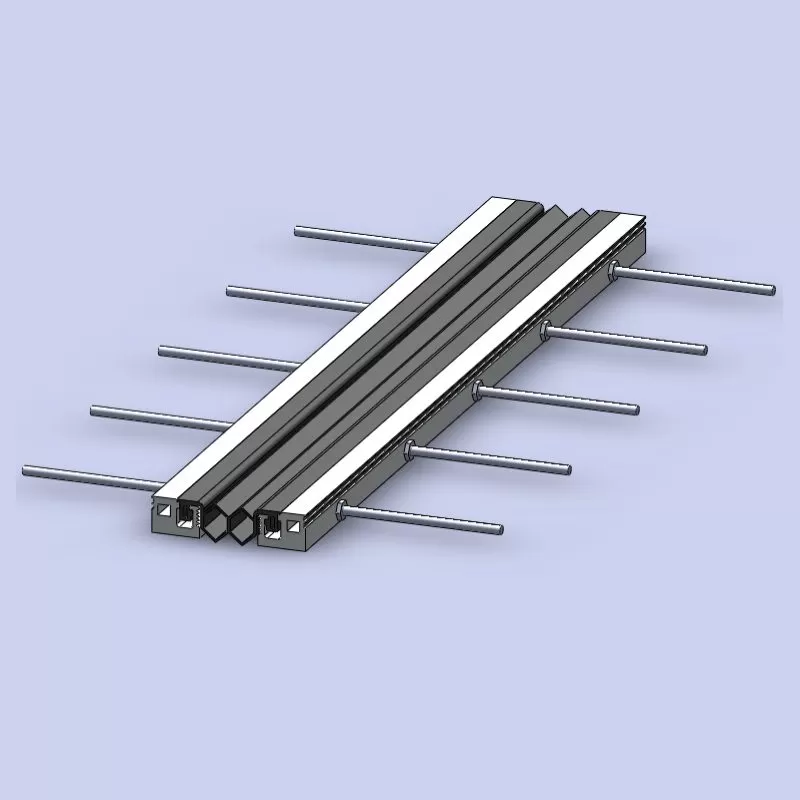
Bridge decks, elevated highways, and concrete pavement sections undergo continuous volumetric changes. Thermal fluctuation, concrete creep, structural shrinkage, and deflection under heavy traffic create constant displacement across structural gaps. Managing these movements without compromising structural integrity requires highly engineered systems. The integration of an expansion joint in road infrastructure serves as the primary mechanism to absorb these displacements while maintaining a continuous riding surface for vehicular traffic. KINGWORK provides engineered structural components designed to accommodate these exact movements while protecting underlying concrete structures from environmental exposure.
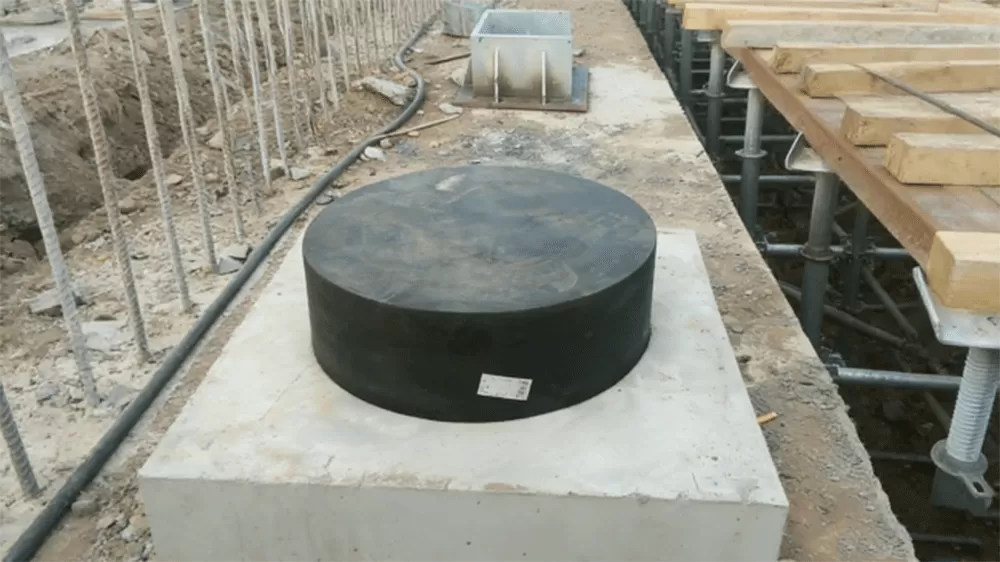
Selecting the appropriate joint system demands a comprehensive understanding of structural mechanics, material properties, and environmental stresses. An inadequate design or improper material choice leads to rapid degradation, resulting in water leakage, concrete spalling, and increased dynamic loads on the bridge bearings. This analysis examines the engineering parameters, material configurations, and installation practices necessary to ensure long-term durability in high-load road networks.
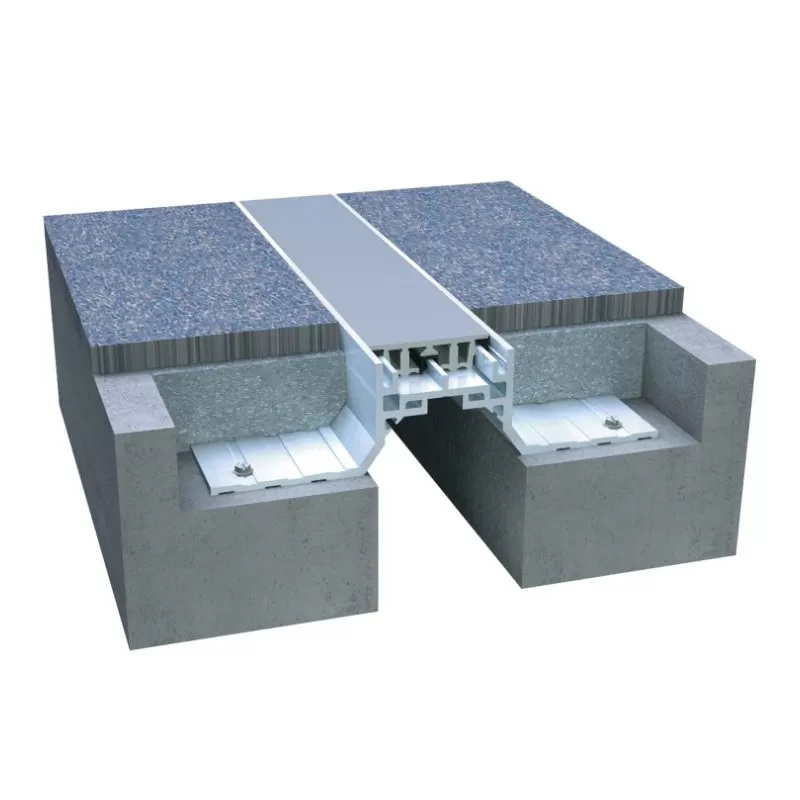
Fundamental Mechanics of Structural Movement in Highways
Structures are dynamic systems subjected to multiple internal and external forces. To design an effective expansion joint in road projects, engineers must calculate the total movement range, which is the cumulative result of several independent physical phenomena.
Thermal Deformation and Ambient Fluctuations
Thermal expansion and contraction represent the most predictable source of structural movement. The total displacement is calculated based on the linear thermal expansion coefficient of the structural materials (steel and concrete), the span length of the bridge or road section, and the design temperature range. In regions with extreme seasonal temperature variations, the structural gap must expand and contract significantly without exceeding the physical limits of the sealing elastomer or structural steel profiles.
Concrete Creep and Shrinkage
For prestressed and reinforced concrete structures, long-term material behavior plays a major role in structural displacement. Concrete shrinkage occurs as excess water evaporates during the curing process, resulting in a permanent reduction in volume. Creep, on the other hand, is the slow, progressive deformation of concrete under sustained compressive loads, such as prestressing forces and dead loads. Both phenomena occur over several years and cause a gradual narrowing of the structural gap, requiring the joint assembly to accommodate permanent structural offset.
Traffic Loading and Dynamic Deflection
As heavy commercial vehicles travel across a bridge deck, they induce localized deflections and rotations at the ends of the structural spans. These dynamic rotations produce shear forces within the joint assembly. The system must possess sufficient structural resilience to withstand millions of cycles of high-impact loading without experiencing fatigue failure in the anchorage system or structural cracking in the surrounding concrete transition zones.
Classification and Structural Selection of Joint Systems
Different structural configurations and movement requirements dictate the selection of specific joint types. Choosing the correct model depends on the calculated movement range, expected traffic volume, and environmental conditions of the project site.
Asphaltic Plug Joints: Typically utilized for small movement ranges, generally up to 50 millimeters. This system consists of a flexible, polymer-modified bituminous binder mixed with specific graded aggregates, placed over a steel bridging plate. It offers a seamless, low-noise riding surface. However, it is susceptible to rutting under continuous heavy truck traffic in high-temperature environments.
Single-Gap Elastomeric/Steel Strip Seal Joints: Engineered for movement ranges up to 80 millimeters. These systems utilize two steel edge profiles anchored directly into the concrete deck, holding a continuous, elastomeric sealing profile in place. The elastomeric insert acts as a watertight barrier, while the steel profiles protect the concrete edges from direct wheel impact.
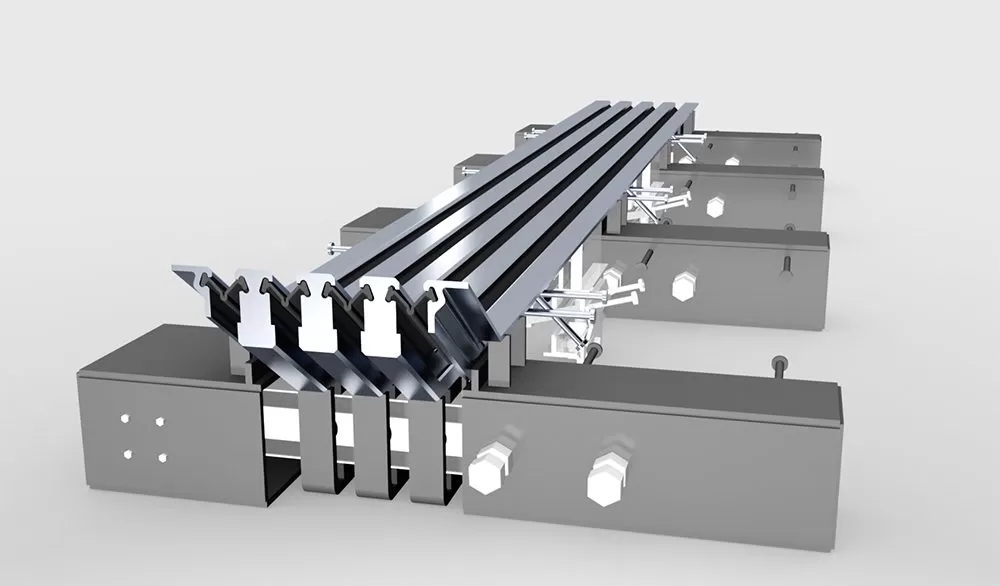
Modular Expansion Joint Systems: Designed for large structural movements exceeding 80 millimeters. These assemblies consist of multiple individual elastomeric seals separated by intermediate steel center beams. The center beams are supported by joists (support bars) and controlled by a system of springs and buffers that ensure uniform gap distribution during structural contraction and expansion.
Factors Influencing the Performance of an Expansion Joint in Road Networks
The operational environment of a highway joint is exceptionally severe. To design a resilient system, engineers must identify and mitigate several common failure mechanisms that threaten structural longevity.
Water infiltration is one of the most destructive factors in highway infrastructure. Rainwater carrying dissolved de-icing chemicals, such as sodium chloride or calcium chloride, can penetrate compromised joint seals. Once the saltwater reaches the concrete reinforcement steel, prestressing tendons, and structural bearings, it initiates accelerated corrosion. The resulting rust expands, causing concrete spalling and structural deterioration. Designing a completely watertight connection at the joint barrier is therefore a primary engineering requirement.
Mechanical fatigue represents another major challenge. The anchorage system of an expansion joint in road construction is subjected to continuous dynamic impacts from vehicle wheels. If the anchorage loop bars are poorly welded or if the surrounding concrete blockout is not properly consolidated, these repetitive forces lead to micro-cracking. Over time, the bond between the steel joint frame and the concrete deck degrades, causing the joint to loosen, rattle, and eventually fail under traffic loads.
Acoustic impact is a growing concern, especially for highways passing through urban or residential areas. Standard metal joints generate a distinctive thumping sound when crossed by heavy vehicles. Reducing this noise pollution requires precise control of the joint's surface profile. Implementing sinusoidal plates or low-noise surface cover plates can bridge the gap smoothly, reducing tire impact noise and improving the local acoustic environment.
Material Specifications and Manufacturing Criteria by KINGWORK
The durability of an expansion joint in road systems is directly linked to the quality of the materials used in its construction. KINGWORK employs rigorous material selection and quality control protocols to ensure structural reliability under extreme conditions.
The structural steel profiles used in our joint assemblies are manufactured from high-strength structural steel, complying with international standards such as EN 10025 Grade S355 or ASTM A709 Grade 50. These steels offer high yield strength and fracture toughness, which are necessary to prevent deformation under heavy axle loads. To protect the steel components from atmospheric corrosion, they undergo hot-dip galvanization in accordance with ISO 1461, or are treated with multi-layer epoxy coating systems designed for marine and industrial environments.
The elastomeric sealing profiles are formulated from high-grade chloroprene (neoprene) or ethylene propylene diene monomer (EPDM) rubbers. These compounds are engineered to meet strict physical property requirements:
| Physical Property | Standard Test Method | Required Value |
|---|---|---|
| Hardness (Shore A) | ASTM D2240 / ISO 48-4 | 60 ± 5 |
| Tensile Strength (MPa) | ASTM D412 / ISO 37 | ≥ 15.0 |
| Elongation at Break (%) | ASTM D412 / ISO 37 | ≥ 350% |
| Compression Set (22h @ 70°C) | ASTM D395 / ISO 815 | ≤ 30% |
| Ozone Resistance | ASTM D1149 / ISO 1431 | No Cracking (100 pphm, 20% strain, 70h) |
These rubber formulations ensure that the sealing element remains highly flexible at sub-zero temperatures, resisting cracking and hardening, while maintaining its structural shape and sealing force during hot summer periods.
.webp?t=1784195167620 "Aluminium Alloy Expansion Joint")
Installation Protocols and Construction Engineering
An expansion joint in road structures can only perform as well as its installation. Even a high-grade joint assembly will fail prematurely if the installation process does not adhere to strict engineering standards. KINGWORK emphasizes a systematic approach to the construction and alignment phases.
The installation sequence begins with the preparation of the blockout recess. The concrete surfaces within the blockout must be thoroughly roughened, typically via hydro-demolition or sandblasting, to remove all laitance and ensure a strong mechanical bond with the new pouring material. Any damaged structural reinforcement bars within the deck must be repaired or spliced according to structural drawings.
Prior to positioning the joint, the installation team must calculate the presetting width of the joint assembly. Because concrete structures expand and contract depending on the ambient temperature, the gap width of the joint at the time of installation must be adjusted. If a joint is installed on a hot summer afternoon, the gap must be set narrower; if installed on a cold winter morning, the gap must be set wider. This presetting is accomplished using adjustable tensioning bolts on the joint frame, referencing a predetermined temperature-movement matrix supplied by the design engineer.
Once the joint is aligned to the correct elevation and longitudinal slope of the finished road surface, the anchoring loops of the joint are welded to the structural reinforcement bars of the bridge deck. This welding process must be performed by certified welders, ensuring full penetration welds that can withstand dynamic fatigue forces. After securing the anchorage, the blockout is filled with a high-strength, non-shrink concrete mix, often reinforced with synthetic or steel fibers. The concrete must be thoroughly consolidated using internal vibrators to eliminate air pockets, particularly beneath the horizontal flanges of the steel edge profiles.
Proper curing of the blockout concrete is crucial. The material must reach its design compressive strength before the joint is subjected to construction traffic or public vehicle loads. Wet curing or the application of high-quality curing compounds must be maintained for the duration specified by the material manufacturer.
Maintenance and Long-Term Structural Monitoring
While modern joint systems are engineered for high durability, routine maintenance is necessary to prevent localized issues from escalating into major structural problems. Accumulation of debris within the joint cavity is a common source of damage. Sand, gravel, and trash compacted into the elastomeric seal can puncture the rubber or restrict the natural movement of the joint during structural expansion, leading to high compressive stresses and potential concrete spalling.
Regular visual inspections should be scheduled, ideally twice a year, during seasonal temperature extremes. Inspectors should examine the condition of the elastomeric seal for punctures, assess the steel profiles for signs of corrosion or weld cracking, and monitor the concrete transition zone for cracking or delamination. Measuring the actual joint gap width at known ambient temperatures allows engineers to verify that the joint is moving freely and that the bridge bearings are functioning correctly.
Frequently Asked Questions
Q1: What is the typical service life of an expansion joint in road
systems?
A1: The service life depends heavily on the joint type and
traffic volume. Structural steel components and anchorages are designed to last
20 to 30 years under standard conditions. However, the elastomeric sealing
inserts, which are subject to environmental weathering and mechanical wear,
generally require replacement every 10 to 15 years. Using high-grade chloroprene
compounds can extend this interval.
Q2: Can elastomeric seals be replaced without removing the entire
concrete blockout?
A2: Yes, for standard strip seal and modular
joint systems, the elastomeric sealing inserts are designed to be replaceable
from the road surface. This maintenance procedure does not require demolition of
the concrete blockout or removal of the steel edge profiles, minimizing traffic
disruption during the maintenance window.
Q3: Why is non-shrink concrete specified for the joint blockout
zone?
A3: Standard concrete shrinks as it cures, which can create
micro-cracks at the interface between the new blockout concrete and the existing
bridge deck. These cracks allow water to penetrate, leading to freeze-thaw
damage and corrosion. Non-shrink concrete, or concrete formulated with expansive
agents, maintains its volume during curing, ensuring a tight, structural bond
and a waterproof interface.
Q4: How do modular joint systems manage uneven movement across
multiple gaps?
A4: Modular systems incorporate internal mechanical
control systems, consisting of elastomeric springs and sliding buffers
positioned between the support joists and the center beams. These components act
as a coordination mechanism, ensuring that the total structural displacement is
distributed equally among all individual seal gaps, preventing any single gap
from being over-stretched.
Q5: What are the consequences of over-tightening or incorrect
presetting during installation?
A5: Incorrect presetting can lead to
structural damage at seasonal temperature extremes. If the joint is set too wide
during warm weather installation, subsequent structural expansion during hot
summer periods may compress the joint completely, causing the steel profiles to
collide, which can crush the concrete blockout. Conversely, if set too narrow in
cold weather, winter contraction can over-stretch the elastomeric seals, causing
tear failure.
Engineering Collaboration and Project Inquiry
The design of reliable roadway infrastructure requires precise engineering, robust materials, and structured installation procedures. KINGWORK offers specialized engineering support to civil engineering firms, structural designers, and municipal authorities globally.
Our engineering department is available to assist your design team with customized structural drawings, material certifications, and detailed calculation reviews for your specific highway or bridge projects. To discuss your project specifications, request technical datasheets, or obtain a comprehensive quotation, please direct your inquiry to our technical sales division.
![Bridge Joint Types: The Complete Engineering Guide [2026 Edition]](https://www.kwbridgebearing.com/storage/non_theme/202606/024.webp)