
Friction Pendulum Bearing: Engineering Principles and Seismic Isolation Applications
Article content and related resources
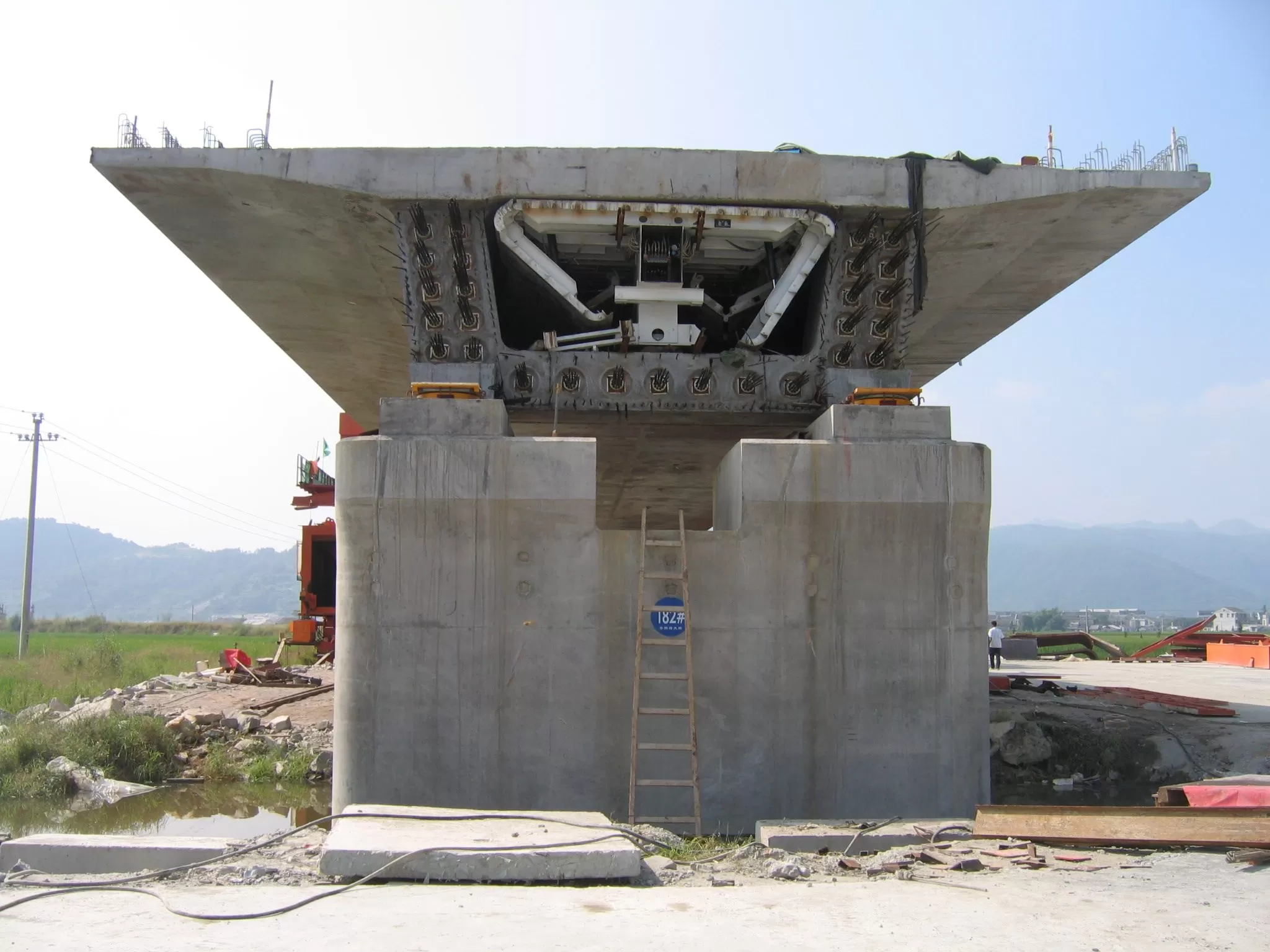
In the realm of civil infrastructure, the demand for resilient structures capable of withstanding extreme seismic events has never been more pronounced. Among the various seismic protection technologies available, the friction pendulum bearing stands out as a highly effective and reliable solution for bridges, viaducts, and buildings located in active seismic zones. This article provides an in-depth, engineering-focused examination of the friction pendulum bearing, covering its operational mechanics, design considerations, application scenarios, and the tangible benefits it offers to infrastructure owners and operators.
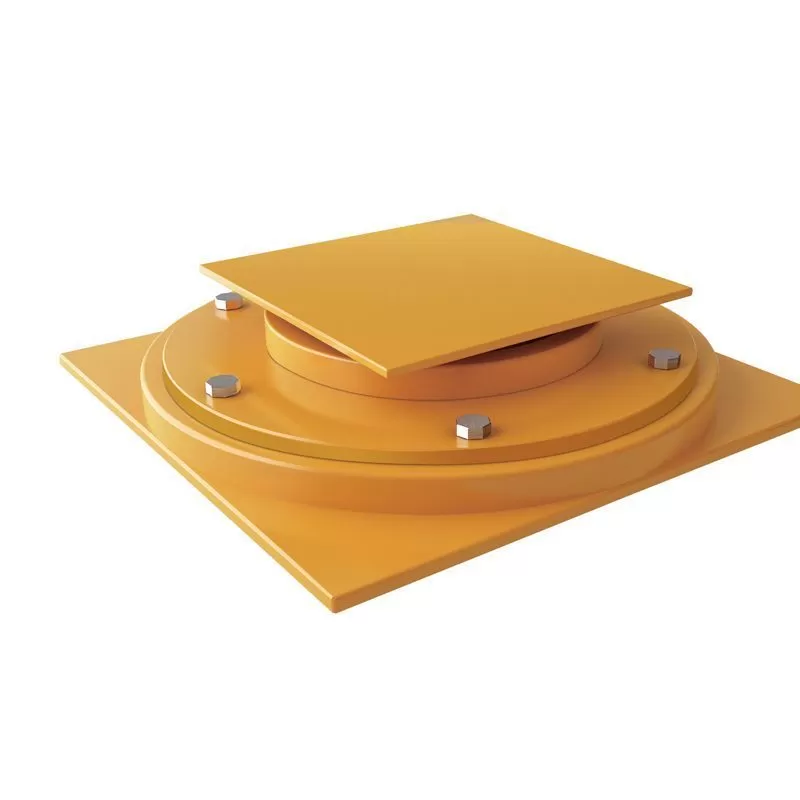
Understanding the Friction Pendulum Bearing Mechanism
The fundamental principle behind a friction pendulum bearing is elegantly simple yet profoundly effective. It combines the concept of a pendulum with frictional dissipation to isolate a structure from ground motion. The bearing consists of an articulated slider that moves across a concave spherical surface. When ground acceleration occurs, the slider displaces along this surface, causing the structure above to rise slightly. This upward movement generates a restoring force due to gravity, which acts to return the structure to its original position.
This mechanical behavior results in a natural period of vibration that is significantly longer than that of a fixed-base structure. The friction generated between the slider and the concave surface dissipates seismic energy, reducing the forces transmitted to the superstructure. A well-engineered friction pendulum bearing can accommodate multi-directional displacement, making it exceptionally versatile for complex seismic inputs.
Key Components and Material Selection
Every friction pendulum bearing comprises three primary elements: the articulated slider, the concave spherical plate, and the anchorage system. The slider is typically fabricated from high-strength steel and features a composite liner, often made of PTFE or ultra-high-molecular-weight polyethylene (UHMW-PE), that interfaces with the concave surface. The coefficient of friction is a critical parameter, typically ranging between 0.03 and 0.07 for PTFE-based systems, depending on the contact pressure and sliding velocity.
The concave plate is manufactured from cast steel or ductile iron, with a precisely machined spherical surface. The radius of curvature directly influences the pendulum's period, while the friction coefficient determines the energy dissipation capacity. For projects demanding enhanced durability, KINGWORK offers bearings with corrosion-resistant coatings and advanced liner materials that extend service life under harsh environmental conditions.
Design Parameters and Performance Characteristics
When specifying a friction pendulum bearing, engineers must carefully evaluate several performance parameters. The isolation period, determined by the radius of curvature, is typically designed for 2.0 to 4.0 seconds, effectively shifting the structure's fundamental period away from the dominant energy-containing frequencies of earthquake ground motions. The effective damping ratio, contributed primarily by friction, generally ranges from 10% to 30%, providing substantial energy dissipation without the need for supplementary damping devices.
Displacement capacity is another crucial factor. Friction pendulum bearings are available with displacement capacities ranging from ±150 mm to over ±600 mm, accommodating both moderate and extreme seismic events. The vertical load capacity varies from 500 kN to over 50,000 kN, making these bearings suitable for a wide spectrum of bridge types, from pedestrian overpasses to major highway crossings.
Performance under Varying Conditions
Engineering practice has demonstrated that friction pendulum bearings maintain stable performance across a broad range of temperatures and loading rates. The friction coefficient exhibits a slight dependence on velocity, with higher sliding velocities typically producing lower friction coefficients—a characteristic that contributes to stable energy dissipation during intense shaking. Temperature variations influence the lubricity of the bearing liner, but modern materials such as modified PTFE and advanced thermoplastics ensure consistent performance from -40°C to +60°C.
For projects requiring precise seismic control, KINGWORK provides custom-engineered friction pendulum bearings with specified friction coefficients and displacement capacities tailored to site-specific seismic hazards and structural configurations.
Application Scenarios in Modern Infrastructure
The friction pendulum bearing has found widespread adoption in bridge engineering, particularly in regions with high seismicity. Continuous girder bridges, cable-stayed structures, and curved viaducts all benefit from the multi-directional isolation capability of these bearings. Beyond bridges, friction pendulum bearings are also employed in building structures, especially for hospitals, emergency response centers, and critical utility facilities that must remain operational after a seismic event.
Bridges and Viaducts
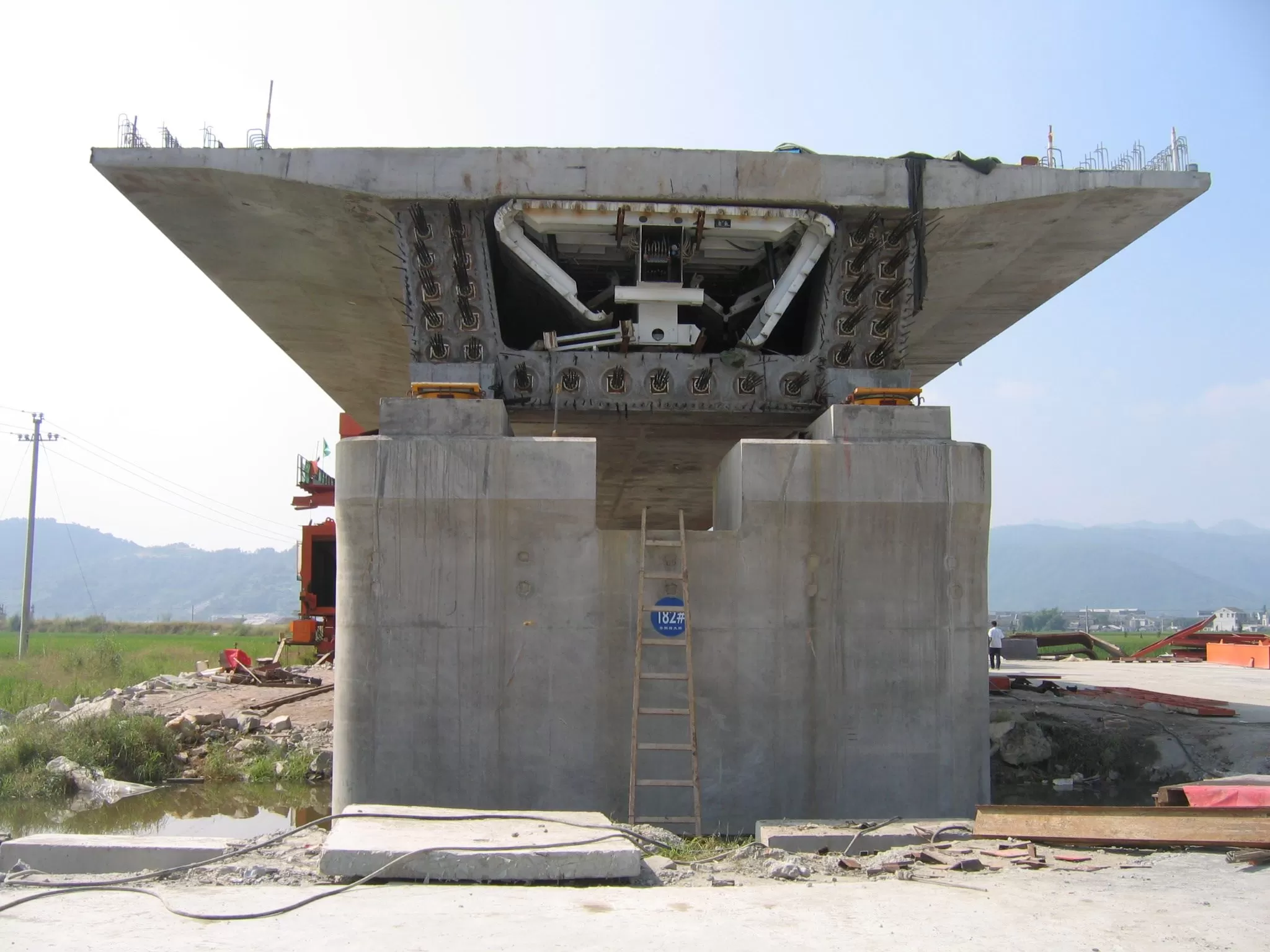
In bridge applications, friction pendulum bearings are typically installed at pier tops and abutments. They accommodate thermal movements and creep while providing seismic isolation. The combination of vertical load support, horizontal displacement accommodation, and restoring force generation makes them an integrated solution that simplifies design and construction. In retrofitting projects, these bearings offer a practical means of upgrading existing structures to meet modern seismic codes without extensive structural modifications.
Industrial and Special Structures
Beyond conventional bridges, friction pendulum bearings are used in industrial facilities housing sensitive equipment, such as semiconductor fabrication plants, data centers, and healthcare facilities. Their predictable restoring force and energy dissipation characteristics allow engineers to design for controlled displacement demands, ensuring that critical systems remain functional following seismic events.
Addressing Industry Pain Points
Infrastructure owners and bridge engineers often encounter several persistent challenges when implementing seismic protection systems. The friction pendulum bearing addresses many of these concerns effectively.
First, long-term reliability and maintenance are perennial concerns. Friction pendulum bearings incorporate durable materials and robust sealing systems that protect sliding surfaces from contamination and moisture ingress. Regular inspection and lubrication replacement, typically performed at intervals of 15 to 20 years, are straightforward procedures that minimize lifecycle costs.
Second, uncertainty in seismic input demands flexible design approaches. The friction pendulum bearing's inherent period elongation and energy dissipation capabilities provide robust performance across a wide range of ground motion intensities, including near-fault pulse-type motions that often challenge other isolation systems.
Third, retrofit projects frequently encounter space constraints. The compact vertical profile of friction pendulum bearings, combined with their ability to integrate multiple functions—load support, displacement accommodation, and energy dissipation—into a single unit, simplifies installation in confined spaces.
Comparative Analysis with Other Seismic Devices
Understanding the position of the friction pendulum bearing relative to alternative seismic protection technologies is essential for informed specification. Lead rubber bearings, for instance, offer excellent energy dissipation through lead core yielding, but their displacement capacity is generally lower than that of friction pendulum bearings for similar vertical load capacities. Restoring force in lead rubber bearings depends on the rubber compound's shear modulus, which can be affected by temperature and aging.
Viscous fluid dampers provide high energy dissipation but lack the restoring force integral to pendulum systems. As a result, structures equipped solely with viscous dampers may accumulate permanent offset unless supplemented with additional restoring elements. In contrast, the gravity-based restoring mechanism of the friction pendulum bearing ensures automatic centering after seismic shaking, eliminating residual displacement concerns.
For structures requiring large displacement capacities combined with reliable restoring forces, the friction pendulum bearing often presents the most technically sound and cost-effective solution.
Quality Assurance and Manufacturing Standards
Manufacturing precision directly influences the performance and reliability of friction pendulum bearings. The spherical surface must be machined to exacting tolerances, typically within ±0.1 mm over the entire sliding area, to ensure uniform contact pressure and predictable friction characteristics. Material certification, including mechanical property verification and chemical composition analysis, is essential for every component.
KINGWORK adheres to rigorous quality management systems aligned with ISO 9001 and applicable bridge bearing standards, including EN 1337 and AASHTO specifications. Each friction pendulum bearing undergoes comprehensive factory testing, including static load tests, dynamic friction coefficient measurements, and cyclic displacement tests to verify performance parameters before shipment.
Frequently Asked Questions
Q1: What is the typical service life of a friction pendulum bearing?
With proper design, material selection, and periodic maintenance, friction pendulum bearings typically achieve service lives exceeding 50 years. The sliding liner material is the primary wear component, and replacement intervals of 15 to 20 years are common, depending on the cumulative sliding distance experienced during seismic events and thermal movements.
Q2: How does a friction pendulum bearing handle vertical uplift forces?
Standard friction pendulum bearings are designed for vertical compression only. For structures subjected to significant uplift forces, such as long-span bridges or buildings with high overturning moments, tension-resistant variants incorporating hold-down devices or tension bars are available. These systems accommodate uplift while maintaining horizontal isolation functionality.
Q3: Can friction pendulum bearings be used in conjunction with other seismic protection devices?
Hybrid seismic protection systems commonly incorporate friction pendulum bearings alongside viscous dampers or metallic yield dampers to achieve tailored damping and displacement characteristics. In such configurations, the bearing provides the restoring force and primary isolation, while supplemental devices contribute additional energy dissipation at specific displacement levels.
Q4: What are the inspection and maintenance requirements for friction pendulum bearings?
Routine visual inspections are recommended annually, focusing on seal integrity, corrosion protection, and evidence of debris accumulation on the sliding surface. Full functional inspections, including displacement verification and friction coefficient measurements, are typically performed every five years or following a major seismic event. When performance degradation is detected, the bearing can be reconditioned in situ by replacing the liner material.
Q5: How do environmental conditions affect friction pendulum bearing performance?
Temperature, humidity, and airborne contaminants influence bearing performance. Advanced liner materials maintain stable friction characteristics across the range of environmental conditions encountered in most geographic regions. Protective coatings and seals prevent corrosion and contamination ingress. In highly corrosive environments, such as coastal or industrial areas, additional surface protection measures can be specified.
Q6: What is the effect of vertical acceleration on friction pendulum bearing behavior?
Vertical seismic acceleration alters the contact pressure on the sliding interface, causing a corresponding variation in frictional resistance. This effect is typically minimal for moderate vertical ground motions. For structures in regions with significant vertical acceleration demands, special design procedures can account for this interaction, ensuring that the bearing's horizontal response remains predictable.
Q7: How are friction pendulum bearings installed in existing bridge retrofits?
Retrofit installation typically involves jacking the bridge superstructure to relieve load, removing existing bearings, and positioning the new friction pendulum bearings on prepared seating surfaces. Grouting or shimming adjusts final elevations to ensure uniform load distribution. For projects with limited accessibility, compact bearing configurations and specialized lifting equipment facilitate efficient installation.
Specification Considerations for Engineering Practice
Selecting a friction pendulum bearing for a specific project involves balancing seismic performance requirements, structural constraints, and lifecycle cost considerations. Engineers should develop a comprehensive performance specification covering vertical load capacity, horizontal displacement capacity, period of isolation, effective damping ratio, and permissible friction coefficient range.
Environmental exposure factors, including temperature extremes, humidity, and potential contaminant exposure, guide material selection and protective coating requirements. For projects prioritizing sustainability and reduced environmental impact, friction pendulum bearings contribute to resilient infrastructure that minimizes post-earthquake repair needs and extends bridge service life.
Collaboration with experienced bearing manufacturers during the design phase ensures that the final product meets project requirements precisely. Suppliers capable of performing project-specific dynamic analyses and prototype testing provide added assurance of performance.
For detailed technical specifications, performance test reports, or project-specific engineering consultations regarding friction pendulum bearings, infrastructure owners and engineering professionals are encouraged to contact our technical team. KINGWORK maintains a global network of engineering representatives ready to assist with bearing selection, design optimization, and project execution.
For inquiries, including product specifications, custom design requirements, or technical support, please direct your correspondence to our engineering department via email at info@kwbridgebearing.com / sales@kwbridgebearing.com. Our team will respond with comprehensive technical information and application guidance tailored to your project.
![Bridge Joint Types: The Complete Engineering Guide [2026 Edition]](https://www.kwbridgebearing.com/storage/non_theme/202606/024.webp)