
Extending Structural Lifespan with High-Performance Elastomeric Bearings Pads
Article content and related resources
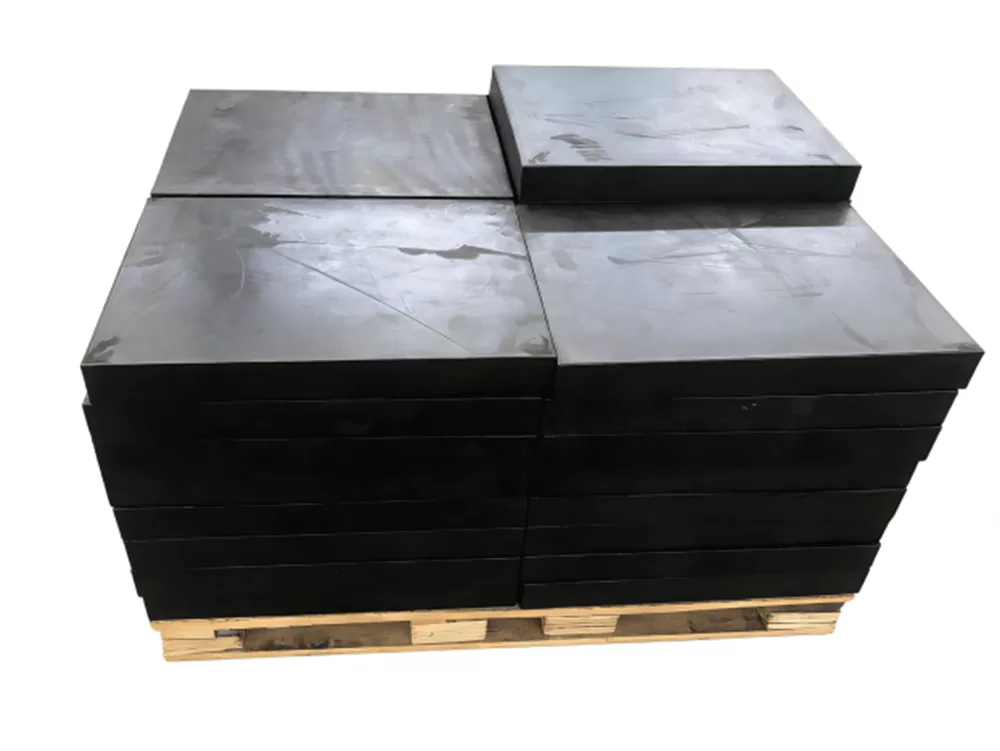
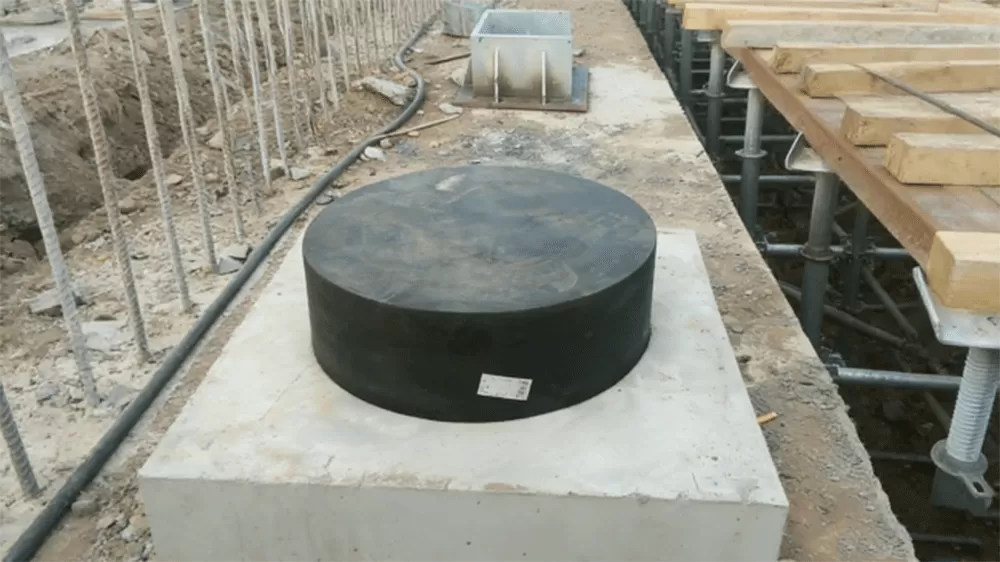
Bridges and heavy structural frameworks are subjected to continuous displacement forces. Thermal expansion, concrete creep, structural shrinkage, seismic activity, and dynamic traffic loads impose constant stresses on bridge abutments and piers. Without a functional interface to absorb these forces, structural elements would suffer from overstressing, cracking, and premature collapse. Elastomeric bearings pads serve as this fundamental interface, transferring vertical loads from the superstructure to the substructure while allowing horizontal displacement and rotation. As an engineering manufacturer of structural components, KINGWORK supplies these specialized elements to meet demanding structural specifications worldwide. Understanding the engineering principles, material properties, and manufacturing standards of elastomeric bearings pads is a necessity for design engineers and procurement teams.
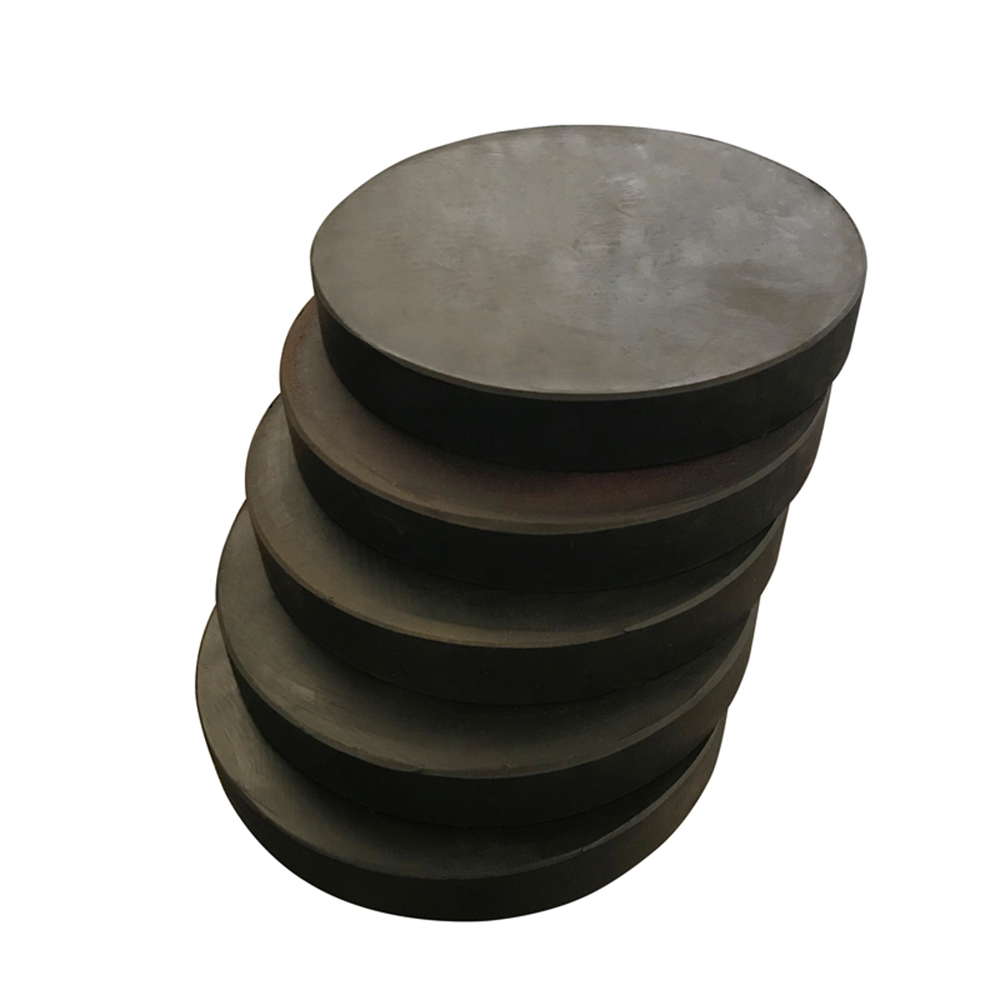
Mechanics of Load Transfer and Structural Movement
To analyze how elastomeric bearings pads function, one must look at the mechanical behavior of elastomeric compounds under multi-axial stress. Under vertical compressive loads, the elastomer exhibits a tendency to bulge laterally. If an unreinforced block of rubber is placed under a bridge girder, it will compress excessively and shear under relatively low horizontal forces. To counteract this behavior, structural designers specify laminated configurations.
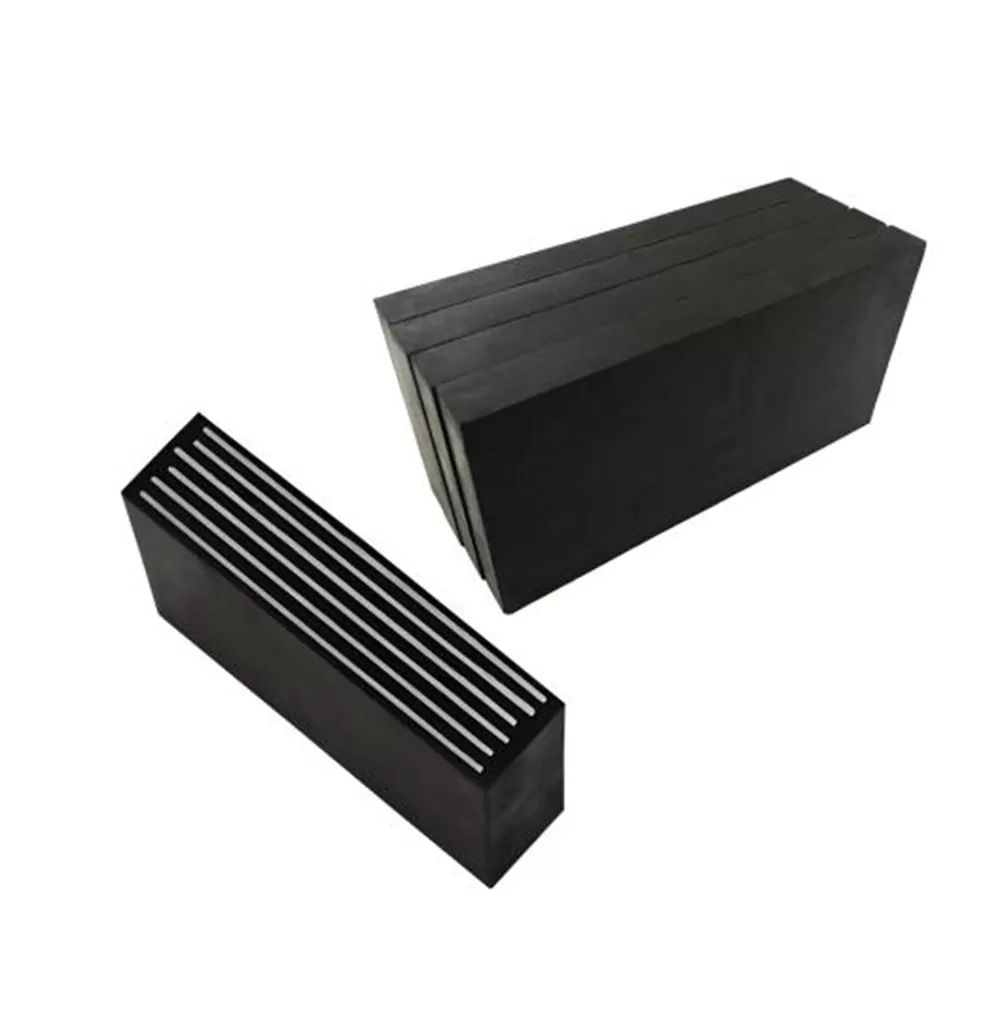
Laminated designs alternate layers of elastomer with thin steel reinforcing plates, commonly known as shims. The steel shims restrict the lateral expansion of the elastomer, transferring the tensile stresses to the steel plates. This increases the vertical stiffness of the bearing pad while maintaining high flexibility in the horizontal shear direction. The shear modulus, denoted as G, is a fundamental physical property of the compound, typically ranging from 0.9 MPa to 1.15 MPa depending on the design criteria of standard specifications. Horizontal movement is accommodated by the shear deformation of the elastomer layers. When a bridge girder expands due to summer heat, the elastomeric bearings pads shear horizontally, shifting the load without generating excessive horizontal forces on the concrete piers. Concurrently, rotational movements caused by traffic-induced deflections are absorbed through non-uniform compression across the surface of the pad. This dual-action capability prevents localized stress concentration, which could otherwise crush concrete support surfaces.
Material Science: Natural Rubber versus Chloroprene
The choice of the base elastomer is a primary decision during the design and procurement process. Standard specifications, such as AASHTO or European Standard EN 1337-3, classify elastomeric compounds into two primary categories: Natural Rubber (Isoprene) and Neoprene (Polychloroprene).
Natural Rubber exhibits excellent physical characteristics under low ambient temperatures. In cold regions, natural rubber maintains its elastic properties without undergoing crystallization, which would otherwise harden the compound and increase shear stiffness. It also demonstrates high tensile strength, tear resistance, and outstanding dynamic fatigue performance. However, natural rubber is more susceptible to ozone degradation and oxidation over long exposure periods, requiring the addition of protective chemical antiozonants during the compounding phase.
Transitioning to Polychloroprene, this alternative compound offers distinct advantages regarding environmental resistance. It is highly resistant to weathering, ozone, oil, and atmospheric aging. For coastal structures, industrial zones, or environments where oil spillage is a possibility, polychloroprene is often preferred. Its low-temperature performance, though acceptable for moderate climates, requires careful compound adjustments when specified for sub-zero environments to prevent crystallization. KINGWORK evaluates these environmental variables during the production phase to supply compound formulations tailored to local site conditions.
Engineering Calculations and Shape Factor Considerations
Sizing elastomeric bearings pads requires a precise evaluation of the shape factor. The shape factor (S) is defined as the ratio of the plan area of a single elastomer layer to the perimeter area that is free to bulge. It is calculated using the following formula:
S = (a × b) / (2 × t × (a + b))
Where a and b represent the length and width of the rectangular bearing pad, and t represents the thickness of an individual elastomer layer.
To illustrate, if a bearing pad measures 300 mm by 400 mm, with individual elastomer layer thicknesses of 10 mm:
Loaded Plan Area: 300 × 400 = 120,000 mm²
Perimeter: 2 × (300 + 400) = 1,400 mm
Free Bulging Area: 1,400 × 10 = 14,000 mm²
Shape Factor (S): 120,000 / 14,000 = 8.57
A shape factor of 8.57 represents a standard value for moderate-load highway bridges, providing a balanced profile between compressive stiffness and rotational capacity. A higher shape factor indicates a thinner elastomer layer relative to its surface area, resulting in greater compressive stiffness. If the shape factor is too low, the bearing will experience excessive vertical deflection under dead and live loads. Conversely, if the elastomer layers are excessively thick, the bearing may suffer from rotational instability.
Engineers must verify the total elastomer thickness to accommodate the maximum anticipated horizontal displacement. The design criteria generally require that the maximum shear strain does not exceed 50% of the total elastomer thickness under serviceability limit states. This limitation prevents shear failure within the rubber layers and limits the horizontal force transmitted to the bridge piers. KINGWORK engineering support assists design firms in validating that these calculations align with physical manufacturing capabilities and tooling availability.
Standards and Quality Verification
Conforming to international design standards is mandatory for structural components used in public infrastructure. The primary standards governing the manufacturing and performance of elastomeric bearings pads include:
AASHTO LRFD Bridge Design Specifications (Section 14): Widely utilized in North America and international projects following American standards. It details strict material testing requirements for shear modulus, low-temperature behavior, and ozone resistance.
EN 1337-3: The European standard for structural bearings, which categorizes bearings into different types and outlines exact testing procedures for dynamic shear test, compression test, and vulcanization quality.
ASTM D4014: Standard specification for plain and laminated elastomeric bearings for bridges.
To verify compliance with these standards, systematic testing protocols must be executed. Physical test specimens from production batches are subjected to compression and shear modulus testing. The compression test verifies that the bearing can support the maximum design load without bond failure or excessive deformation. Shear tests measure the actual shear modulus under physical displacement cycles to ensure it falls within the designated tolerance margins specified in the project drawings. KINGWORK maintains comprehensive testing facilities to document these physical properties before shipment.
Analysis of Common Degradation Types and Mitigation
Throughout their service life, which can span several decades, structural bearings are exposed to harsh structural loads and environmental stresses. Understanding potential degradation mechanisms allows engineers to establish appropriate inspection intervals and maintenance plans.
Delamination represents a major degradation form where the elastomer layer separates from the internal steel reinforcing shims. This is frequently caused by inadequate chemical bonding during the vulcanization process or moisture penetration causing corrosion of the steel plates. Once delamination begins, the load distribution is compromised, leading to concentrated stress points and eventual bearing degradation. Under high pressure, often exceeding 10 MPa, and controlled temperatures, the raw elastomer sheets undergo cross-linking while bonding chemically to the steel plates pre-treated with adhesive primers. This process is monitored to prevent delamination during service.
Another issue is excessive bulging or permanent shear deformation. This occurs when the bearing is subjected to loads exceeding the design limit states, or when the compound has not been fully vulcanized, leading to accelerated creep. Regular visual inspections are recommended to measure structural deformation and identify signs of surface cracking. To mitigate these degradation types, manufacturing plants must employ precise control over temperature, pressure, and cure time during the vulcanization phase. The steel shims must be thoroughly blasted to remove oxides and treated with high-grade bonding agents before being layered with the raw elastomer sheets. By focusing on these manufacturing details, KINGWORK delivers components designed to match the target service life of the surrounding infrastructure.
B2B Procurement and Specification Guidelines
For procurement managers and structural engineering departments, specifying elastomeric bearings pads involves more than selecting dimensions. The procurement process requires complete documentation to ensure compliance with project specifications.
When submitting a request for quotation, procurement entities should compile the following data points:
Maximum vertical dead and live loads (Service and Strength Limit States)
Maximum horizontal displacement requirements
Rotation angles across all axes
Ambient temperature ranges (minimum and maximum expected values)
Required regulatory standard (e.g., AASHTO, EN 1337-3, or national equivalent)
Connection requirements (such as sole plates, tapered plates, or anchor bolts)
Providing this detailed dataset allows the manufacturing facility to configure the precise internal shim thickness and elastomer compound formulation. Additionally, early coordination ensures that structural verification tests are scheduled in alignment with project construction phases, preventing delays on site.
Frequently Asked Questions
Q1: What is the primary purpose of elastomeric bearings pads in bridge structures?
A1: Elastomeric bearings pads serve to transfer vertical compressive loads from the bridge deck down to the piers, while simultaneously accommodating structural movements such as horizontal displacement and rotation. These movements are typically caused by thermal changes, concrete creep, shrinkage, and dynamic vehicle loads.
Q2: How does the presence of steel shims affect the performance of laminated elastomeric bearings pads?
A2: Internal steel shims restrict the lateral expansion and bulging of the rubber layers under high vertical compressive loads. This restriction significantly increases the vertical stiffness of the bearing, allowing it to support immense loads with minimal deflection, while preserving the low shear stiffness required for horizontal movements.
Q3: What is the low-temperature performance difference between natural rubber and polychloroprene when used in elastomeric bearings pads?
A3: Natural Rubber is generally better suited for extremely low-temperature environments because it has a lower glass transition temperature and resists crystallization hardening better than standard Polychloroprene. However, customized Polychloroprene compounds can also be engineered to perform in cold regions if environmental ozone and chemical resistance are also required.
Q4: Under what conditions should a sliding elastomeric bearing pad be specified instead of a standard laminated pad?
A4: A sliding elastomeric bearing pad, which incorporates a PTFE (Teflon) layer sliding against a stainless steel plate, should be specified when the expected horizontal displacement exceeds the shear capacity of a standard bearing pad. The sliding mechanism allows for virtually unlimited displacement along the sliding axis without increasing the thickness of the elastomer layer.
Q5: What are the main indicators of bearing degradation that engineers should look for during bridge inspections?
A5: Inspectors should look for signs of delamination (separation of elastomer from steel shims), deep ozone cracking on the exposed edges, excessive bulging that suggests internal shim deformation, and abnormal sliding or displacement that indicates the bearing has shifted out of its designed position.
Project Inquiry and Support
For custom manufacturing configurations, design verification, or material test certifications, please contact the KINGWORK engineering department. Our team provides technical design support, customized drawings, and physical testing validation for structural projects globally. Send us your project requirements to receive a detailed engineering proposal.
![Bridge Joint Types: The Complete Engineering Guide [2026 Edition]](https://www.kwbridgebearing.com/storage/non_theme/202606/024.webp)