
Enhancing Bridge Durability with Custom Engineered Pot PTFE Bearing Systems
Article content and related resources
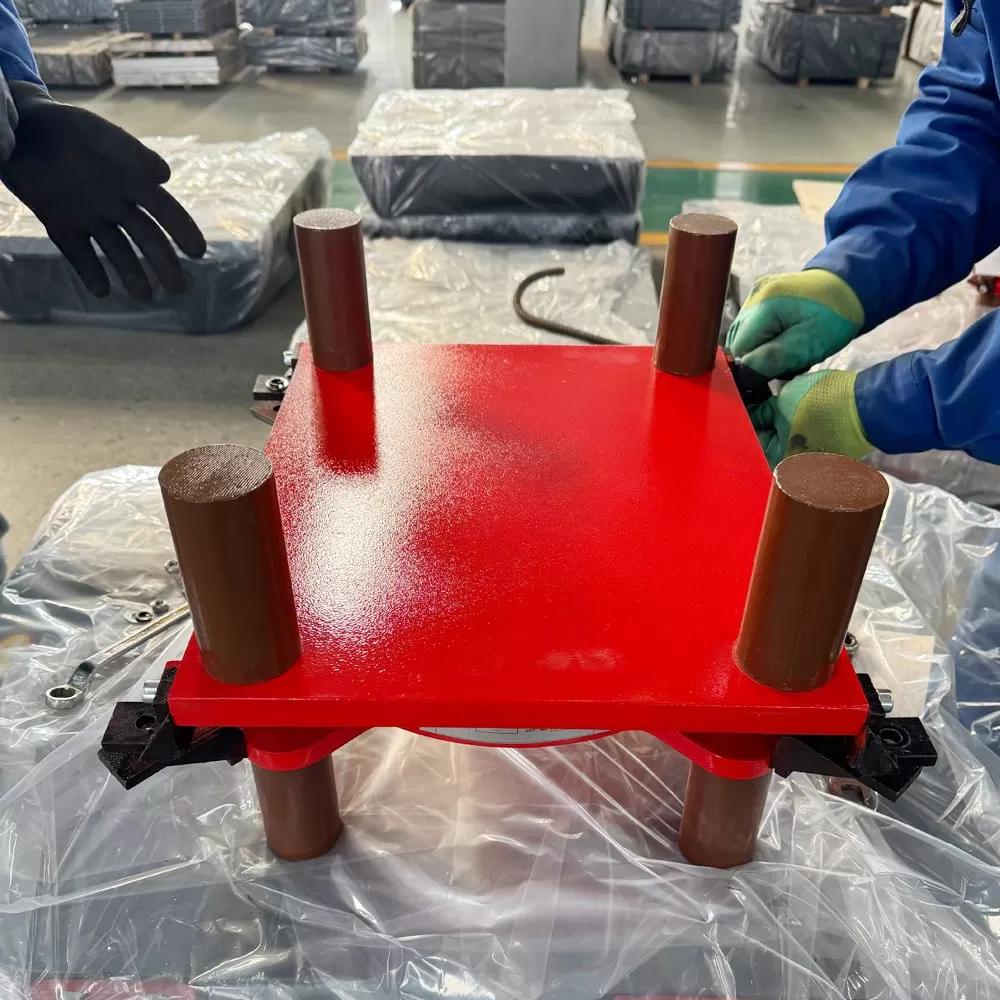
Large-scale civil engineering structures, such as highway flyovers, railway bridges, and high-rise buildings, are subject to continuous dynamic forces. Environmental changes, concrete shrinkage, material creep, and fluctuating traffic loads induce continuous expansion, contraction, and rotation within the structural deck. Without adequate structural articulation, these movements generate massive internal stresses, leading to concrete cracking, structural fatigue, or foundation failure. Controlling these forces requires highly specialized structural components capable of transferring massive vertical loads while allowing smooth horizontal displacement and rotation.
A pot ptfe bearing is a highly utilized component in modern bridge construction designed to address these complex structural demands. By combining the load-bearing capacity of a confined elastomeric pad with the low-friction sliding characteristics of polytetrafluoroethylene, this device ensures safe load transfer from the superstructure to the bridge piers. KINGWORK designs and manufactures these systems to accommodate diverse structural configurations, ensuring long-term structural integrity and steady performance under extreme environmental conditions.
Mechanical Components and Material Composition
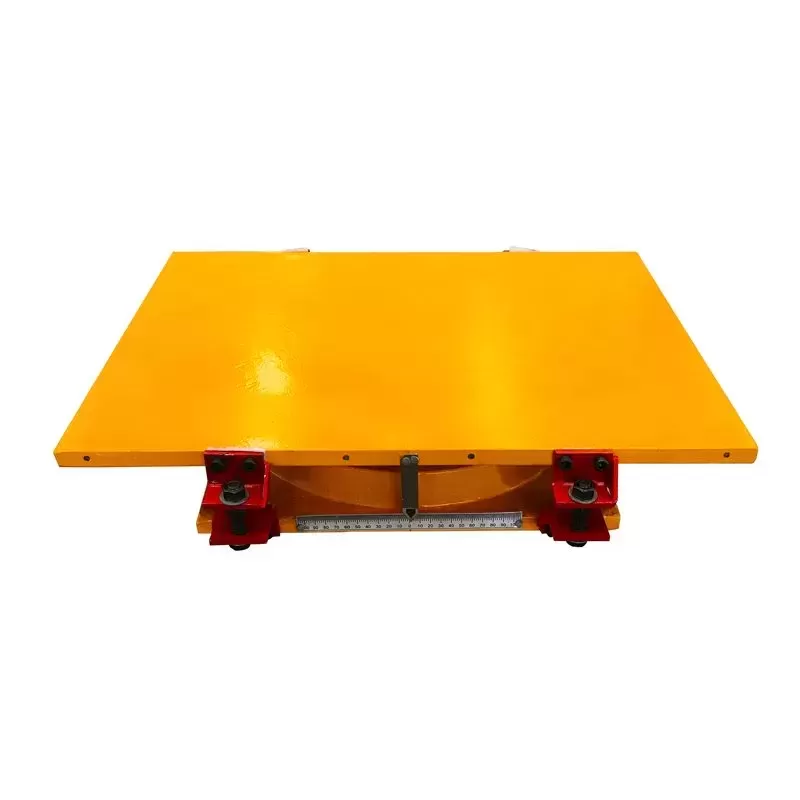
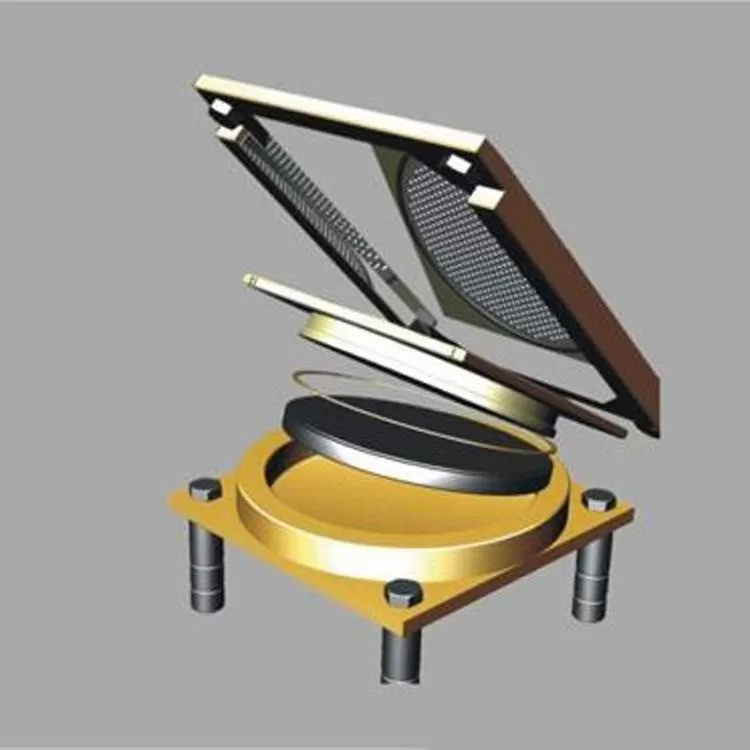
The mechanical efficiency of a pot ptfe bearing relies on the interaction of several precisely machined components. Each element is engineered to perform a specific function within the assembly, maintaining structural stability under high compressive pressures. The primary components of this structural bearing include:
The Steel Pot (Base Cylinder): A shallow, circular steel cylinder machined from solid plate or forged steel. This cylinder houses the elastomeric pad and acts as a rigid containment vessel that prevents lateral bulging of the elastomer.
The Confined Elastomeric Pad: A circular disc of natural rubber or chloroprene (neoprene) fitted precisely inside the steel pot. Under high vertical loads, the elastomer is placed under intense hydrostatic pressure, behaving like a viscous liquid that allows rotational movement about any horizontal axis.
The Piston (Lid): A steel plate that fits into the top of the pot, resting directly on the elastomeric pad. The piston transmits the vertical load from the bridge deck to the elastomer while allowing rotational tilting.
The Sliding Interface: A sheet of virgin PTFE recessed into the top surface of the piston, which mates with a highly polished stainless steel plate welded to the upper sole plate. This interface minimizes sliding resistance during horizontal expansion and contraction.
Internal Sealing Rings: Circular brass or polyoxymethylene (POM) rings fitted into the perimeter of the elastomeric pad. These seals prevent the rubber from extruding through the clearance gap between the piston and the pot wall under extreme vertical pressures.
From a manufacturing perspective, the selection of materials determines the service life of the bearing assembly. Structural steel components typically conform to high-grade standards such as EN 10025 S355JR or ASTM A709 Grade 50. The stainless steel sliding plate is polished to a mirror finish, maintaining a surface roughness of less than 0.8 micrometers to ensure a minimal friction coefficient. The PTFE sheet often features molded dimples that act as reservoirs for silicone grease, which facilitates continuous lubrication over decades of service.
Comparative Analysis: Pot Bearings versus Alternative Systems
Engineers must evaluate several design parameters when selecting the appropriate bearing type for a specific project. Laminated elastomeric bearings, while cost-effective for short-to-medium spans, rely entirely on the shear deformation of the rubber layers to accommodate horizontal movement. This mechanism restricts their displacement capacity and vertical load ratings. When vertical loads exceed 10,000 kN, laminated pads must be manufactured to impractical dimensions, leading to potential stability concerns under lateral shear.
A pot ptfe bearing overcomes these physical limitations by separating the load-bearing, rotational, and sliding functions. The confined elastomer handles the rotation, the steel pot sustains the vertical load, and the PTFE-stainless steel interface manages the horizontal displacement. This separation of functions allows the bearing to support vertical loads exceeding 50,000 kN while maintaining a compact, low-profile footprint. The sliding plate can be extended to accommodate virtually unlimited horizontal displacement without increasing the overall height or width of the bearing seat.
Comparing these systems to spherical bearings reveals distinct application areas. Spherical bearings utilize curved sliding surfaces to accommodate very large rotational angles, often exceeding 0.03 radians. However, spherical bearings involve more complex machining processes and carry a higher manufacturing cost. For the majority of standard highway and railway bridges where rotational requirements remain under 0.02 or 0.03 radians, the pot configuration offers a highly balanced, economical, and space-efficient solution.
Structural Configurations for Traffic Load Distribution
Depending on the layout of the bridge and the expansion joint placement, structural engineers specify different bearing configurations to guide deck movements. The systematic distribution of these bearings across the piers ensures that thermal forces are guided along predictable paths, preventing structural misalignment.
Fixed Bearings (Non-Sliding)
Fixed configurations allow rotational movement in any direction but restrict horizontal translation in all directions. The piston is secured within the pot without a sliding interface, transferring all horizontal forces—such as wind loads, seismic forces, and vehicle braking forces—directly to the bridge pier. This configuration serves as the anchor point for the entire superstructure.
Guided Sliding Bearings (Uni-directional)
Guided configurations permit rotation in any direction and horizontal translation along a single pre-determined axis. Heavy-duty steel guide bars are welded or machined onto the sides of the sliding plate to restrict movement in the perpendicular direction. These are typically placed along the longitudinal axis of the bridge to guide thermal expansion toward the expansion joints while resisting lateral wind loads.
Free Sliding Bearings (Multi-directional)
Free sliding configurations permit rotation in any direction and horizontal displacement in both longitudinal and transverse directions. These assemblies feature a wide, unconstrained sliding plate, allowing the bridge deck to expand and contract freely in all directions. They are commonly positioned on outer piers of wide curved bridges or at the far ends of long multi-span structures.
Installation Guidelines and Quality Control on Site
The operational performance of a pot ptfe bearing depends heavily on the accuracy of its installation. Poor alignment, uneven bedding, or contamination during the construction phase can lead to uneven load distribution, accelerated wear of the PTFE sheet, or early seal degradation. Implementing a rigorous installation protocol is a necessary step for ensuring structural longevity.
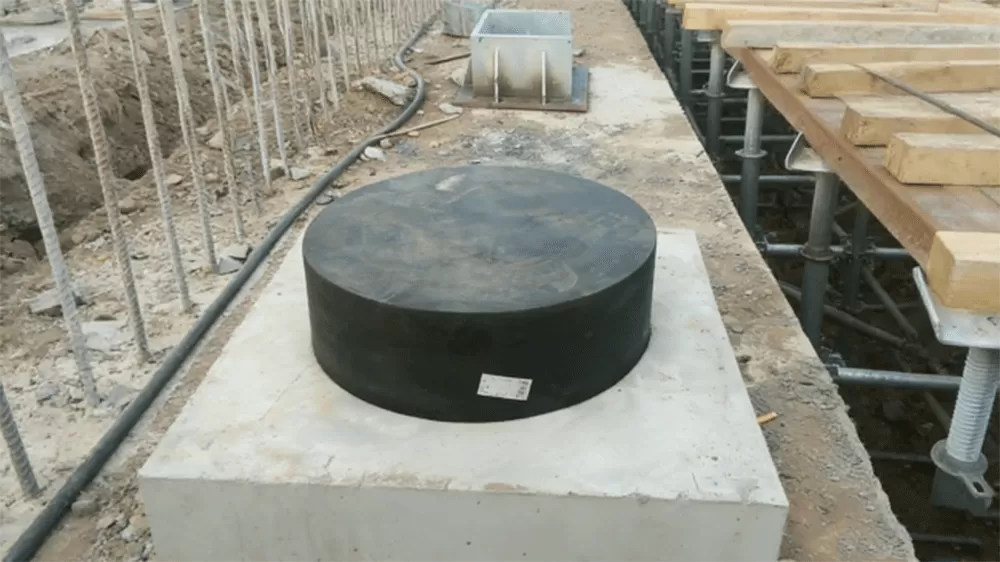
Before placing the bearing, the concrete plinth must be prepared to strict leveling tolerances. Any surface irregularities on the pier head can create localized stress concentrations, leading to cracking in the concrete support. High-strength, non-shrink epoxy grout is poured beneath the steel base plate to establish a uniform, level bedding surface. The bearing assembly must be aligned precisely with the structural axes of the bridge deck using optical leveling instruments.
Another parameter to manage is the thermal presetting of the sliding plate. Since bridges are rarely constructed at their mean operating temperature, the top sliding plate must be offset relative to the pot during installation. This offset accounts for the difference between the installation temperature and the regional mean temperature, ensuring that the sliding plate does not run out of travel capacity during seasonal temperature extremes. Temporary transit locking devices, which secure the bearing during shipping and handling, must be removed immediately after the superstructure concrete has cured and prior to the application of live loads.
Ensuring Long-Term Performance and Maintenance Protocols
Although these bearings are designed for decades of low-maintenance service, periodic structural inspections are highly recommended to verify their physical condition. Dust seals and protective rubber aprons must be checked for damage, as grit accumulation on the sliding surface can scratch the polished stainless steel plate and accelerate the wear of the PTFE material. Inspectors should measure the actual displacement of the sliding plate and compare it against theoretical design values to confirm that the bridge is moving as intended.
Corrosion protection is another factor in extending the service life of these steel components. Bearings are subjected to harsh environmental conditions, including moisture, de-icing salts, and industrial pollutants. Applying robust coating systems, such as hot-dip galvanizing or multi-coat epoxy painting systems conforming to ISO 12944 standards, prevents structural steel deterioration. Regular monitoring of the sealant around the bearing base prevents moisture ingress and concrete degradation at the pier interface.
Sourcing Structural Components from KINGWORK
Civil engineering projects require rigorous quality documentation, material traceability, and compliance with national and international transport authority specifications. Sourcing structural bearings involves evaluating manufacturing capabilities, quality control testing setups, and engineering expertise. KINGWORK manufactures pot ptfe bearing assemblies under strict quality management systems, providing comprehensive testing reports, material certifications, and engineering support for each project phase.
Our engineering team collaborates with structural designers and main contractors to customize dimensions, load capacities, and displacement ranges to meet specific structural configurations. To discuss specific engineering requirements, load capacities, or customized design drawings for an upcoming bridge project, infrastructure procurement teams can submit a detailed inquiry directly to our technical sales team at KINGWORK.
Frequently Asked Questions
Q1: What is the maximum rotational capacity of a standard pot ptfe bearing?
A1: Standard configurations accommodate rotations up to 0.02 radians under normal operating conditions. With specialized design modifications and high-durability elastomeric compounds, this rotational capacity can be extended up to 0.03 radians. For applications demanding rotation beyond this limit, spherical bearings are generally recommended because their curved geometry is better suited for high angular movement.
Q2: How does temperature affect the friction coefficient of the PTFE sliding interface?
A2: The coefficient of dynamic friction of PTFE varies with both temperature and contact pressure. As the compressive load increases, the friction coefficient decreases, often reaching values as low as 0.015 to 0.03. Conversely, at extremely low ambient temperatures (below -25°C), the friction coefficient increases slightly, which must be factored into the horizontal load calculations for the bridge substructure.
Q3: What mechanisms prevent the internal elastomer from extruding under extreme compressive loads?
A3: Extrusion is prevented by maintaining tight machining tolerances between the steel piston and the pot wall, coupled with the installation of internal sealing rings. These rings, made of brass or high-strength polymers, are placed at the perimeter of the elastomeric pad. Under vertical load, the sealing rings are pressed outward against the cylinder wall, effectively closing the clearance gap and containing the high-pressure elastomer.
Q4: Can a pot ptfe bearing be replaced after the bridge deck is cast?
A4: Yes, modern bridge design standards require bearings to be replaceable. This is achieved by incorporating attachment plates (sole plates and masonry plates) with removable bolting or dowel systems. During replacement, the bridge deck is slightly lifted using hydraulic jacks, the old bearing is unbolted and slid out, and the new assembly is positioned and secured.
Q5: How does the dimple pattern on the PTFE sheet contribute to bearing longevity?
A5: The dimple pattern acts as a reservoir for high-performance silicone grease. During the initial movement cycles of the bridge, this grease is distributed evenly across the mating stainless steel plate. This continuous lubrication path ensures that the low-friction characteristics are maintained over long periods, minimizing wear and preventing dry sliding contact.
![Bridge Joint Types: The Complete Engineering Guide [2026 Edition]](https://www.kwbridgebearing.com/storage/non_theme/202606/024.webp)