
Engineering Guide to Structural Bridge Bearings: Types and Applications
Article content and related resources
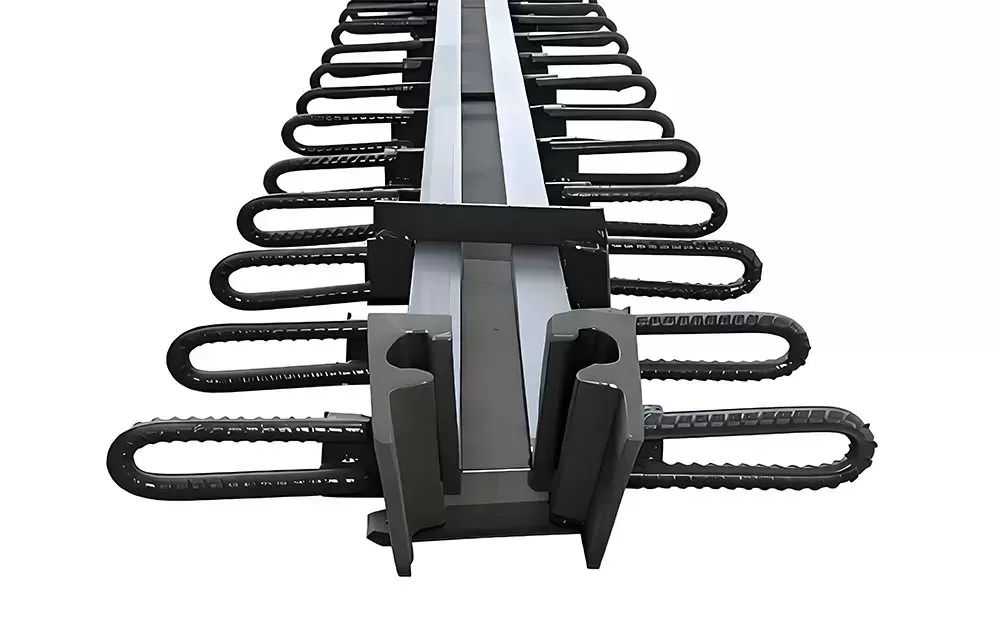
In modern civil infrastructure, the transfer of forces from the superstructure to the substructure requires precise control. Large-scale structural components undergo continuous displacement, rotation, and deformation due to temperature variations, traffic loads, concrete shrinkage, and seismic activity. Without an effective system to accommodate these movements while transferring substantial vertical and horizontal loads, structural distress, cracking, and eventual failure of the support structures can occur. To maintain structural integrity and distribute these forces predictably, the implementation of high-quality bridge bearings is a fundamental requirement in bridge engineering.
Selecting the appropriate structural support system involves a comprehensive understanding of mechanical behavior, material properties, and environmental conditions. This analysis explores the distinct types of modern bearing systems, addresses common design challenges, and highlights the criteria required to select the correct solution for long-term durability.
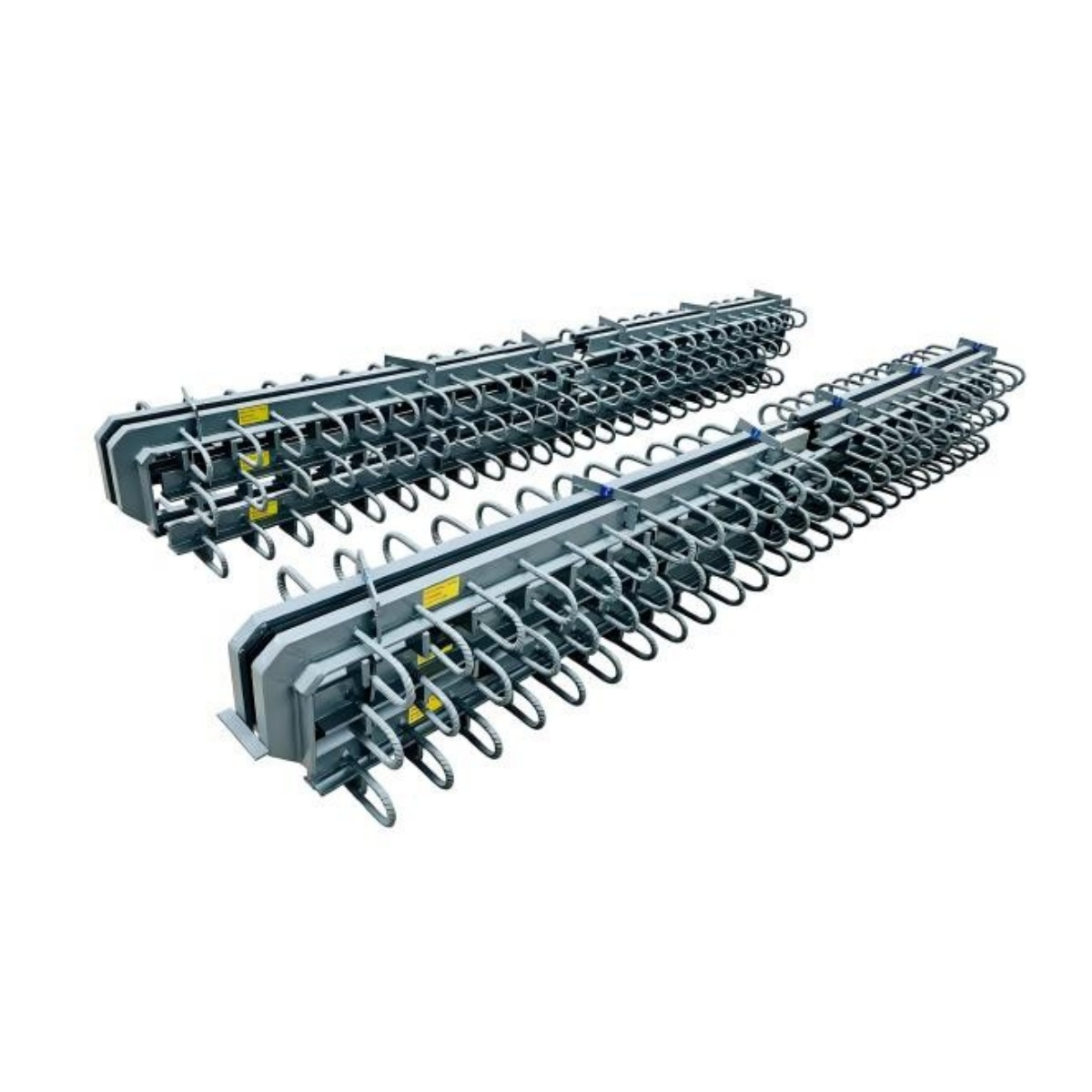
Primary Types of Bridge Bearings and Their Mechanical Behavior
Structural engineers utilize several designs depending on the span length, load configurations, and rotational requirements of the bridge. Each design features specific load-bearing capabilities and movement limits.
Elastomeric Bearings
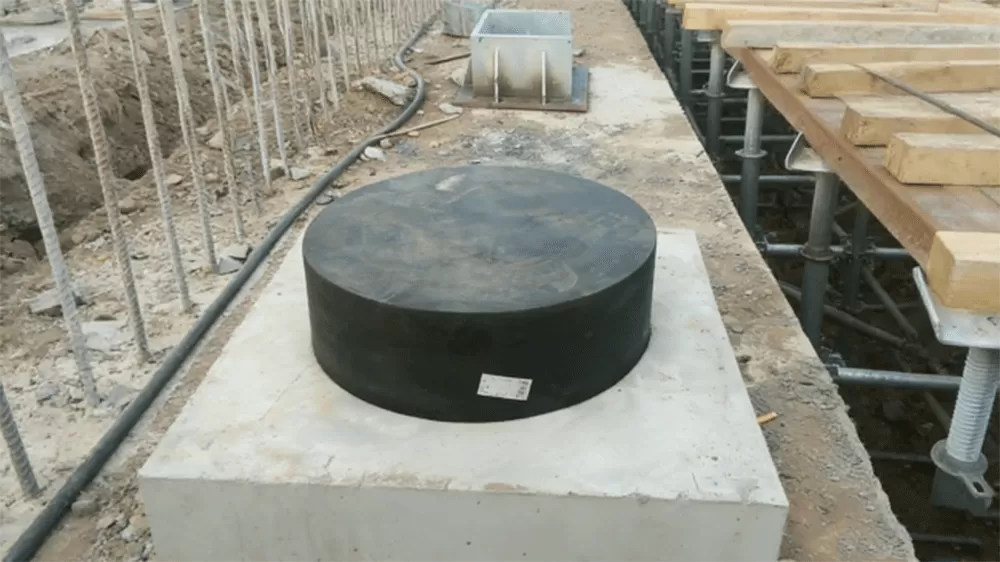
Elastomeric systems are widely used in short to medium-span bridges. They consist of alternating layers of elastomer (either natural rubber or synthetic neoprene) and steel reinforcing plates, bonded together under high pressure and temperature during the vulcanization process. The steel laminates restrict the lateral expansion of the elastomer, significantly increasing the compressive stiffness of the bearing while allowing for smooth shear deformation to accommodate thermal expansion and contraction.
Deformation Mechanism: Rotation and horizontal translation are accommodated entirely by the shear strain of the elastomer.
Load Capacity: Typically suitable for low to moderate vertical loads, as excessive compressive stress can lead to bulging or delamination of the elastomer layers.
Environmental Resilience: Modern neoprene formulations provide reasonable resistance to ozone, UV exposure, and low-temperature crystallization, though natural rubber remains preferred for extreme cold environments due to its stable shear modulus at low temperatures.
Pot Bearings
For structures requiring higher load capacities and greater rotational capacities, pot-style configurations offer an effective solution. This design features a shallow steel cylinder (the "pot") containing a elastomeric disc. A steel piston fits closely into the pot, compressing the elastomer. Under high pressure, the elastomer behaves similarly to a high-viscosity fluid, allowing the piston to rotate about any horizontal axis with minimal resistance.
To facilitate horizontal movement, a sliding assembly consisting of a polished stainless steel plate and a low-friction polytetrafluoroethylene (PTFE) or ultra-high-molecular-weight polyethylene (UHMWPE) sheet can be integrated onto the piston. Compared to standard elastomeric designs, making these bridge bearings suitable for medium to long-span bridges with complex geometry and high reaction forces.
Sealing Mechanisms: Polyurethane or brass sealing rings are placed at the interface of the piston and the pot to prevent the elastomer from extruding under continuous service loads.
Rotational Limits: Typically designed to accommodate rotations up to 0.03 radians, depending on the clear spacing between the piston and the pot wall.
Spherical Bearings
When structures undergo high rotational changes, specialized bridge bearings with curved sliding surfaces are required to maintain uniform load distribution. Spherical designs consist of a concave steel base, a convex steel rocking plate, and low-friction sliding liners positioned between the curved interfaces. Unlike pot designs, the rotational capacity of a spherical system is not restricted by elastomeric deformation or extrusion limits.
Friction Management: High-performance modified sliding materials, such as specialized fluoropolymer composites, are utilized instead of standard PTFE to withstand higher contact pressures (often exceeding 60 MPa) while maintaining a low coefficient of friction at low temperatures.
Durability: Highly resilient in harsh environments, as the absence of vulcanized rubber parts reduces aging-related degradation, making them suitable for major structures with design life requirements exceeding 50 years.
Common Structural Challenges and Maintenance Concerns
Structural components do not operate in isolated environments; they are subjected to continuous environmental exposure, cyclic dynamic loads, and chemical attacks. Identifying potential failure modes during the design phase is vital for preventing premature structural distress.
Friction Buildup and Slider Wear
Sliding bearings rely on the low-friction interface between polished stainless steel and polymer sheets. Over decades of operation, microscopic dust particles, road salt, and moisture can penetrate the sliding plane. This contamination increases the coefficient of friction, leading to higher horizontal forces acting on the bridge piers than initially calculated. Regular inspections must monitor the condition of dust seals and the wear rate of the sliding material.
Elastomeric Degradation and Delamination
For elastomeric components, ozone cracking and UV degradation pose challenges to the integrity of the outer rubber cover. If the protective cover degrades, moisture can penetrate the internal steel reinforcing plates, leading to rust. The expansion of corroded steel disrupts the bond between the rubber and the metal, causing delamination. Furthermore, cyclic shear deformation under heavy traffic can lead to internal fatigue, resulting in permanent shear deformation or splitting of the elastomer.
Material Quality and Manufacturing Standards
The reliability of structural components depends on precise manufacturing tolerances and strict adherence to international material standards. At KINGWORK, manufacturing processes comply with international standards such as EN 1337 and AASHTO LRFD, ensuring that every product performs reliably under real-world conditions.
Key quality control measures include:
Steel Preparation: Utilizing high-grade structural steel (such as S355 or equivalent) with corrosion-resistant coatings, including zinc metallization or epoxy painting systems, to protect exposed surfaces.
Vulcanization Control: Monitoring temperature and pressure profiles during elastomer vulcanization to achieve uniform cure states across the entire volume of the bearing.
Friction Testing: Performing prototype and production testing on sliding components to verify that the friction coefficient remains within design limits under simulated low-temperature and high-pressure conditions.
A Systematic Approach to Bearing Selection
Selecting the correct support system requires an iterative engineering process that balances structural requirements with long-term maintenance costs. The engineering team at KINGWORK provides comprehensive support during this process, assisting designers in translating analytical model outputs into physical product configurations.
The following parameters must be evaluated during the selection process:
Maximum and Minimum Vertical Loads: The bearing must support dead and live loads without exceeding material strength limits. Minimum vertical loads must also be verified to prevent sliding elements from lifting off, which can cause alignment issues or air ingress.
Displacement Demands: Calculating the maximum longitudinal and transverse movements from thermal expansion, concrete creep, and seismic events determines whether a fixed, guided sliding, or multi-directional sliding configuration is required.
Rotational Capacity: The bearing must accommodate slope changes from superstructure deflection and construction tolerances without causing edge pressure concentrations on the internal components.
Environmental Exposure: Proximity to coastal areas, exposure to extreme temperatures, or high-pollution industrial zones requires specialized paint systems, stainless steel grades, or elastomeric formulations.
Frequently Asked Questions
Q1: What are the primary functions of bridge bearings in civil
infrastructure?
A1: These components serve two main functions:
transferring vertical and horizontal loads from the superstructure down to the
substructure, and accommodating translational movements and rotational
deflections caused by temperature changes, live loads, and concrete shrinkage
without introducing excessive internal stresses into the bridge elements.
Q2: How do pot designs differ from spherical designs under high
rotation?
A2: Pot designs rely on the deformation of a confined
elastomeric pad, which limits rotation (typically up to 0.03 radians) and can
experience seal wear over time. Spherical designs utilize mating concave and
convex steel surfaces lined with low-friction sliding materials, allowing for
much larger rotations (exceeding 0.05 radians) without risk of material
extrusion.
Q3: Why is low-temperature performance a key factor for elastomeric
materials?
A3: Elastomers can undergo crystallization at low
temperatures, which increases their stiffness and shear modulus. This change
restricts horizontal movement, causing higher horizontal forces to transfer to
the bridge piers. Ensuring proper compound formulation prevents this stiffening
effect.
Q4: What maintenance is typically required for sliding
bearings?
A4: Maintenance primarily involves periodic visual
inspections to check the integrity of dust seals, measure sliding plate wear,
verify the alignment of sliding parts, and check for corrosion on steel
surfaces. High-performance sliding materials with integrated lubrication
cavities help extend maintenance intervals.
Q5: How does concrete creep and shrinkage affect bearing
placement?
A5: Concrete creep and shrinkage cause long-term,
irreversible shortening of concrete bridge spans. Bearings must be offset during
installation, or designed with sufficient displacement capacity, to accommodate
this permanent movement alongside seasonal thermal variations.
Inquiry and Collaboration
Selecting structural components requires careful planning and precise manufacturing. For detailed project evaluations, engineering drawings, or product inquiries, contact the engineering team at KINGWORK to request a detailed quotation or discuss your project specifications with our support team.
![Bridge Joint Types: The Complete Engineering Guide [2026 Edition]](https://www.kwbridgebearing.com/storage/non_theme/202606/024.webp)