
Comparative Analysis of Bridge Bearing Types for Civil Engineering Design
Article content and related resources
In bridge engineering, the articulation system dictates how forces are transmitted from the superstructure down to the substructure. Structural bearings serve as the pivotal interface that accommodates translation and rotation while supporting enormous dead and live loads. Without adequate articulation, thermal expansion, concrete shrinkage, creep, and traffic-induced deflections would generate massive internal forces, leading to structural cracking or localized overstressing.
Selecting suitable bridge bearing types is therefore a fundamental phase of structural design. The choice of bearing directly influences the distribution of horizontal forces among piers and abutments, shaping the overall cost and structural behavior of the bridge. This comprehensive review analyzes the primary design features, application boundaries, and maintenance considerations of modern bearing systems used in civil infrastructure.
The Functional Mechanics of Bridge Bearings
A bridge is a dynamic structure subject to constant volumetric and physical changes. Temperature fluctuations cause continuous expansion and contraction of the deck. Concrete creep and shrinkage gradually shorten prestressed concrete spans over decades. At the same time, live loads from vehicular traffic induce rotations at the span supports. The primary function of any bearing is to manage these movements while maintaining structural equilibrium.
To achieve this, bearings are categorized based on their degree of constraint. Fixed bearings permit rotation but restrict horizontal translation in all directions. Guided expansion bearings allow rotation and translation in a specified direction, usually parallel to the bridge centerline, while restricting movement perpendicular to it. Non-guided expansion bearings offer multi-directional movement capabilities along with rotational freedom. Achieving the correct balance of these constraints across the entire bridge deck plan prevents the buildup of secondary stresses.
KINGWORK manufactures a comprehensive range of structural bearings designed to meet strict international design standards, including AASHTO LRFD and EN 1337. By focusing on material purity and precise manufacturing tolerances, these bearing systems ensure predictable load paths and prolonged structural life under severe environmental conditions.
Primary Categories of Bridge Bearing Types
Modern engineering relies on several distinctive bridge bearing types, each characterized by its physical composition and load-carrying mechanism. Understanding the mechanical differences between these systems allows engineers to select the most suitable solution for specific span configurations and loading profiles.
1. Elastomeric Bearings
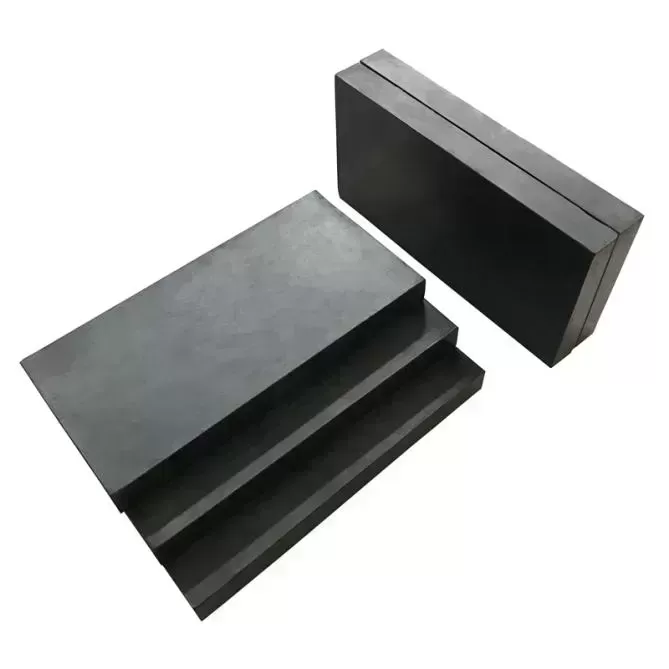
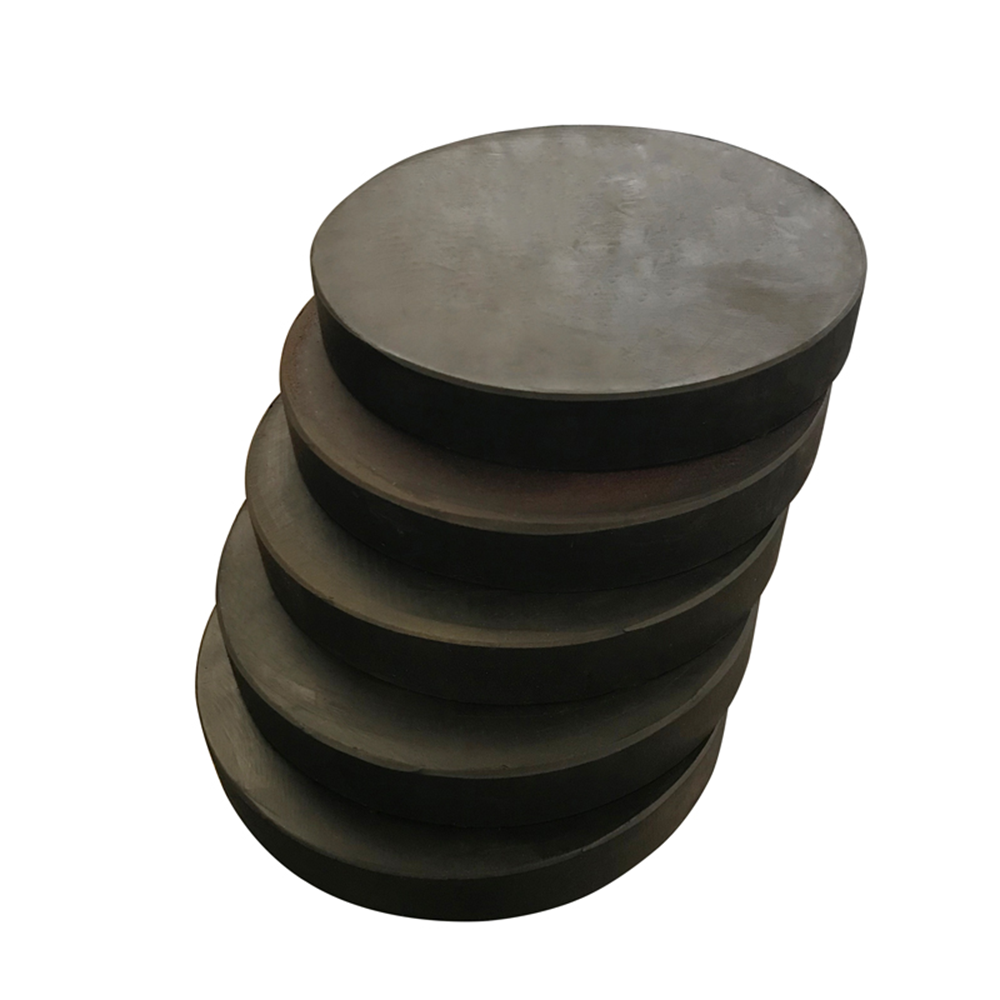
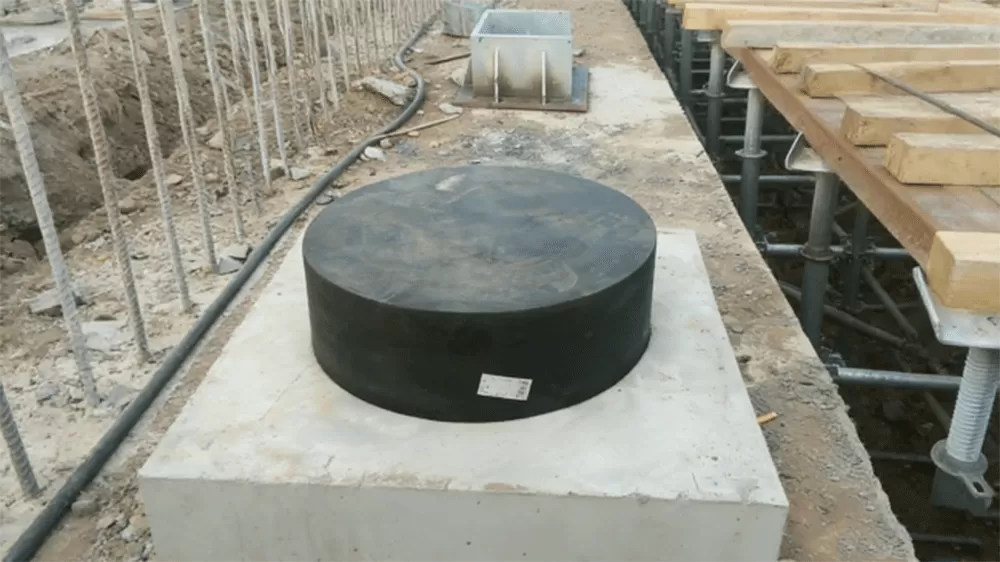
Elastomeric bearing pads are widely utilized for short to medium-span bridges due to their durability and low maintenance requirements. These bearings consist of rubber compound blocks—either natural rubber or synthetic neoprene—that accommodate movement through shear deformation.
Plain Elastomeric Pads (PEP): Consisting of unreinforced elastomer, these pads are suited for low-load applications where structural displacement and rotation demands are modest. Because they lack internal reinforcement, plain pads tend to bulge laterally under vertical loads, limiting their compressive capacity.
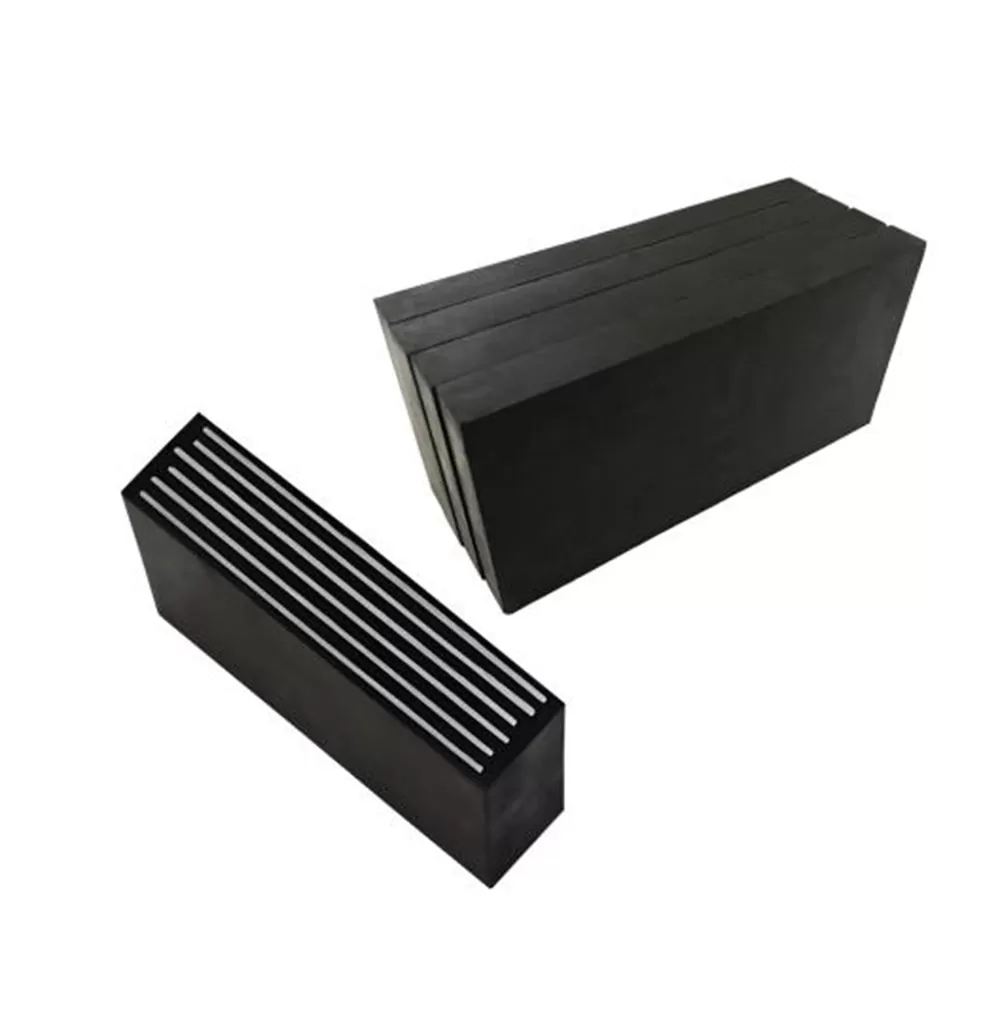
Laminated Elastomeric Bearings (LEB): These bearings incorporate thin steel plates vulcanized and bonded between alternating layers of elastomer. The steel plates restrict lateral bulging without affecting the shear deformation capacity of the rubber. This configuration dramatically increases vertical stiffness while maintaining low horizontal stiffness, allowing the bearing to support heavy vertical loads while accommodating thermal expansion.
Lead Rubber Bearings (LRB): Designed for seismic isolation, these bearings contain a solid lead core inserted into a central cavity within a laminated elastomeric bearing. Under low-amplitude thermal movements, the lead core remains rigid. During a seismic event, the lead yields plastically, absorbing energy through hysteretic damping, which reduces the lateral forces transmitted to the bridge substructure.
2. Pot Bearings
For structures with high vertical load demands and moderate rotational requirements, pot bearings are a preferred choice. The structural concept relies on the confinement of an elastomeric disc.
The bearing consists of a shallow steel cylinder (the pot) containing a fitted elastomeric pad. A steel piston is inserted into the pot, resting directly on the elastomer. When the superstructure transfers vertical force to the piston, the confined elastomer behaves like a high-density, viscous fluid. This pressurized fluid state allows the piston to tilt, providing smooth rotational capability about any horizontal axis.
To accommodate horizontal movement, a sliding element is often incorporated on top of the piston. This sliding plate uses a polytetrafluoroethylene (PTFE) layer paired with a highly polished stainless steel plate, resulting in extremely low frictional resistance. KINGWORK pot bearings feature specialized brass sealing rings to prevent the elastomer from extruding through the gap between the piston and the cylinder wall, preserving the integrity of the pressurized chamber under high cyclic load conditions.
3. Spherical Bearings
When bridges feature complex geometries, curved alignments, or long spans, rotation requirements can exceed the limits of elastomeric or pot bearings. In such cases, spherical bearings represent the industry standard for high-performance articulation.
Spherical bearings do not rely on elastomer deformation for rotation. Instead, they use a convex steel plate sliding against a concave steel backing plate. The mating surfaces are lined with low-friction materials, traditionally PTFE, but increasingly replaced by advanced modified ultra-high-molecular-weight polyethylene (UHMWPE) sliding materials to withstand higher bearing pressures. This curved interface allows for large rotational angles with minimal resistance.
By removing organic elastomer compounds from the primary load path, spherical bearings are less susceptible to aging under high UV exposure or chemical degradation. They are highly suited for railway bridges, where high-frequency cyclic loading and rapid dynamic forces demand a robust, low-friction articulation system.
4. Disc Bearings
Disc bearings utilize a high-strength polyurethane polymer disc to accommodate vertical loads and rotations. The structural assembly comprises a polyether urethane disc sandwiched between an upper and lower steel plate, with a central shear pin or ring to resist horizontal shear forces.
The polyurethane compound is formulated to maintain consistent structural properties across a broad temperature range, making disc bearings reliable in both extremely hot and arctic climates. Because the polymer disc is unconfined, the rotational capacity is governed by the structural compression of the material under eccentric loading. These bearings are compact, lightweight, and present a lower profile than traditional pot bearings of similar capacity.
Engineering Performance Criteria and Material Selection
Selecting appropriate bridge bearing types requires an analytical assessment of several environmental and structural parameters. Designers must carefully evaluate the physical properties of the materials used in bearing fabrication to ensure long-term stability.
| Bearing Category | Vertical Load Capacity | Rotational Capacity | Horizontal Displacement Capacity | Maintenance Requirements |
|---|---|---|---|---|
| Laminated Elastomeric | Low to Moderate | Low (< 0.01 rad) | Moderate (governed by thickness) | Low |
| Pot Bearings | High to Very High | Moderate (< 0.03 rad) | High (when paired with PTFE sliding) | Low to Medium |
| Spherical Bearings | Very High | High (> 0.05 rad) | High (multi-directional sliding) | Low |
| Disc Bearings | Moderate to High | Moderate (< 0.03 rad) | High (with sliding plate) | Low |
Material quality plays a decisive role in the long-term performance of sliding interfaces. The friction coefficient of PTFE sliding surfaces is highly dependent on contact pressure, sliding speed, and temperature. Under high compressive stresses, the coefficient of friction drops significantly, often falling below 3% when paired with high-grade stainless steel polished to a mirror finish. Any contamination of this interface by dust, salt, or moisture can dramatically increase friction, transferring unintended horizontal loads to the concrete piers.
Steel components must also be treated with durable corrosion protection systems, especially in marine environments or cold regions where de-icing salts are heavily used. KINGWORK implements advanced hot-dip galvanizing, zinc-rich epoxy coatings, and thermal spray metalizing to prevent premature oxidation and rust-induced binding of sliding components.
Design Challenges and Mitigation in Civil Infrastructure
A primary challenge in bridge design is mitigating structural distress caused by bearing malfunctions. When a bearing fails to rotate or slide as intended, it is termed "frozen." A frozen bearing creates a rigid connection where an expansion joint was designed, causing immense thermal forces to push against the bridge substructure. This often leads to concrete spalling around the pier caps, anchor bolt shear failures, or buckling of structural steel girders.
To avoid these issues, engineers must prioritize proper alignment during the installation phase. Misalignment of guided sliding bearings can cause binding, where the guide bars experience excessive lateral wear and friction forces. Precise leveling of the bearing pedestals using high-strength non-shrink grout is a prerequisite for achieving uniform load distribution across the bearing surface.
Another common issue is the degradation of elastomeric compounds due to ozone cracking and ultraviolet radiation. Over decades of service, natural rubber and neoprene can lose elasticity, hardening and developing surface cracks. Designing bearings with ample cover over the internal steel laminates prevents moisture from reaching the steel, eliminating the risk of internal delamination and corrosion.
Maintenance, Inspection, and Bearing Replacement
Bearings are not permanent, maintenance-free structural elements; they are wear components designed to be inspected, maintained, and eventually replaced during the lifecycle of a bridge. Modern bridge design codes, such as the Eurocodes and AASHTO, require designers to plan for eventual bearing replacement. This involves detailing specific jack contact locations on the underside of the diaphragm and ensuring there is adequate vertical clearance to lift the bridge deck under live or dead load.
Routine visual inspections should focus on detecting common signs of distress:
Excessive Bulging or Splitting: In elastomeric bearings, irregular bulging indicates internal steel plate debonding or overloading.
PTFE Extrusion: In pot or sliding bearings, the extrusion of the white PTFE sliding sheet from its recessed socket indicates excessive load or thermal degradation.
Corrosion and Accumulation of Debris: Dust, gravel, and moisture accumulation around sliding interfaces can scour polished stainless steel surfaces, accelerating wear on the sliding liner.
Displacement Limits: Verifying that the actual displacement of the bearing matches the predicted thermal movement based on the ambient temperature at the time of inspection.
By scheduling regular cleaning of the bearing seats and verifying the integrity of dust seals, maintenance crews can prevent premature friction increases. If replacement is necessary, structural engineers design temporary jacking systems to lift the bridge deck by a few millimeters, allowing the old bearing to be slid out and the new unit to be secured in place.
Engineering Procurement and Collaboration
Selecting and specifying the right bridge bearing types is a collaborative process that links the structural designer, the contractor, and the manufacturer. Every bridge site presents unique environmental challenges, seismic risk profiles, and loading conditions that demand precise engineering solutions.
We invite structural design consultants, civil engineering contractors, and procurement departments to engage with our structural division early in the design phase. KINGWORK provides dedicated technical support, detailed product drawings, and material testing documentation to verify compliance with international engineering regulations. Contact our engineering office today to submit your project specification sheets and structural load schedules for a customized design review and structural inquiry.
Frequently Asked Questions
Q1: How does shear modulus influence elastomeric bridge bearing types?
A1: The shear modulus (G) represents the stiffness of the elastomeric material under lateral shear forces. A lower shear modulus allows for larger horizontal displacements with lower force transmission to the piers, but it may reduce overall vertical stability. Standard compounds typically exhibit a shear modulus ranging from 0.9 MPa to 1.1 MPa, which provides an optimal balance between structural flexibility and compressive load-bearing capacity.
Q2: What are the main differences between pot and spherical bridge bearing types in high-rotation applications?
A2: Pot bearings accommodate rotation through the deformation of a confined elastomeric pad, which behaves like a pressurized fluid. However, their rotational capacity is structurally limited to around 0.03 radians. Spherical bearings use a curved sliding interface (convex against concave steel plates) to accommodate rotation, enabling them to easily handle rotations exceeding 0.05 radians. This makes spherical bearings much better suited for highly curved, continuous, or skewed bridges.
Q3: Why is sliding friction a key consideration for sliding plate bridge bearing types?
A3: The coefficient of friction at the sliding interface determines the horizontal force transmitted to the bridge piers during thermal movements. If the friction coefficient increases due to contamination, debris, or material wear, the piers will experience higher horizontal shear forces than they were designed to resist. High-quality sliding materials like polished stainless steel paired with virgin PTFE or advanced UHMWPE are used to keep this friction coefficient below 3% under peak design loads.
Q4: How often should different bridge bearing types be inspected for structural integrity?
A4: Most transport authorities recommend detailed visual inspections of structural bearings every two years, with a comprehensive structural inspection conducted every five to six years. Extreme environments, such as coastal regions with high salt exposure or seismic zones, may require more frequent monitoring to detect corrosion, elastomeric cracking, or structural displacement offsets early.
Q5: Can standard elastomeric bridge bearing types be used in highly seismic zones?
A5: While standard laminated elastomeric bearings provide some flexibility, they lack the damping capacity required for high seismic regions. For seismic mitigation, modified designs such as Lead Rubber Bearings (LRB) or High Damping Rubber Bearings (HDRB) are used. These systems incorporate a lead core or specialized high-damping rubber compounds to dissipate seismic energy, protecting the bridge piers from severe dynamic forces.
![Bridge Joint Types: The Complete Engineering Guide [2026 Edition]](https://www.kwbridgebearing.com/storage/non_theme/202606/024.webp)