
Bridge Expansion Joint Systems: Engineering Guide
Article content and related resources
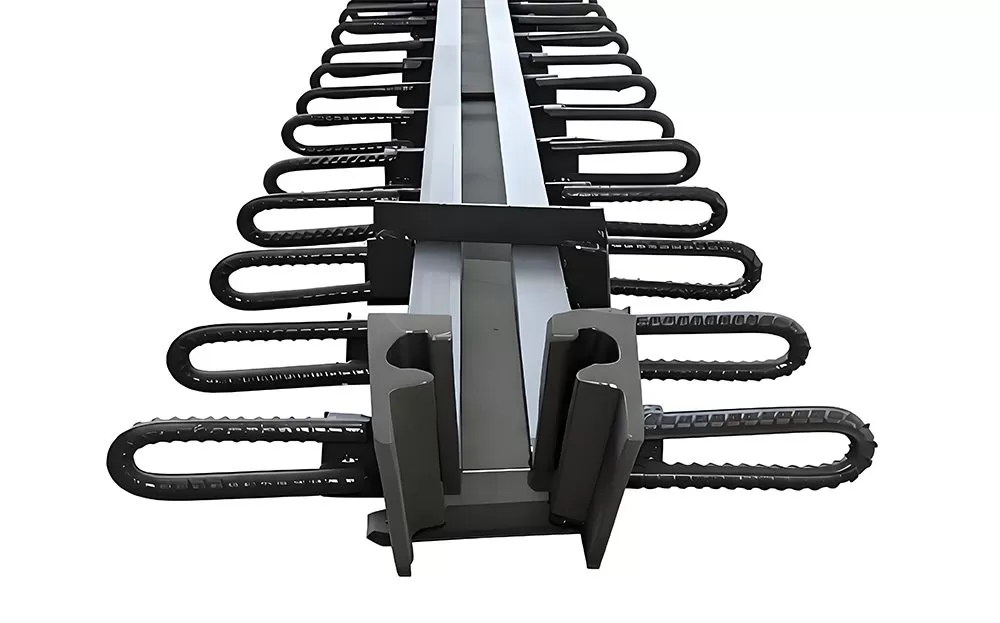
Bridge expansion joints typically represent less than 1% of a bridge structure's total construction budget. However, historical maintenance data indicates that issues originating from these components contribute to over 50% of routine structural maintenance costs. This disproportionate ratio makes the selection of bridge expansion joint systems a critical decision for structural engineers and infrastructure authorities globally.
In modern asset management, a common industry oversight is treating these systems as simple gaps to be filled. When a joint fails, the consequences extend far beyond a bumpy ride for motorists. Water, deicing salts, and chemicals leak through failed seals, directly attacking the bearings, substructure, and prestressed concrete beams below. This deterioration often remains unseen until structural integrity is compromised.
To mitigate these risks, engineers must move away from generic selection habits. This article explores the technical realities of modern bridge expansion joint systems, introduces a structural evaluation framework, and analyzes how proper selection improves long-term durability and lowers lifecycle costs.
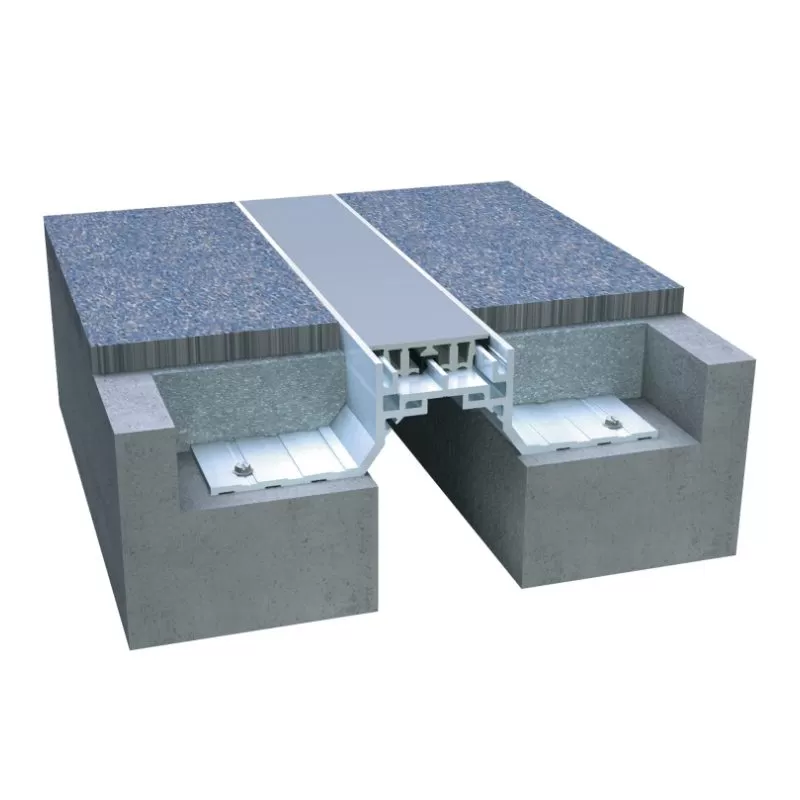
The Paradox of Over-Engineering Expansion Gaps
A frequent error in infrastructure design is over-specifying movement capacity as a safety margin. While it seems logical that designing a joint to accommodate larger movements is safer, this practice can introduce unintended structural vulnerabilities.
When a joint gap is unnecessarily wide, the impact loads from heavy vehicles increase exponentially. This continuous dynamic impact accelerates the fatigue of the supporting elastomeric concrete header and anchoring systems. The goal should not be to select the largest system available, but rather to match the joint's movement range to the actual calculated structural behavior.
According to studies published by the Transportation Research Board (TRB), more than 35% of premature joint failures are attributed to anchor fatigue caused by excessive dynamic impact, rather than simple thermal movement limit violations. Therefore, precise movement calculations—accounting for temperature variables, concrete shrinkage, and creep—are essential first steps.
Understanding the Mechanics of Structural Movement
Modern bridges must accommodate multidimensional movements. These include longitudinal movements caused by thermal changes, concrete creep, and shrinkage, as well as rotational movements from live load deflections. In seismically active regions, transverse movements must also be managed.
Different types of bridge expansion joint systems are designed for specific movement ranges:
Strip Seal Joints: Suitable for small to medium movements (typically up to 80mm). They use a single elastomeric neoprene profile locked into steel edge rails.
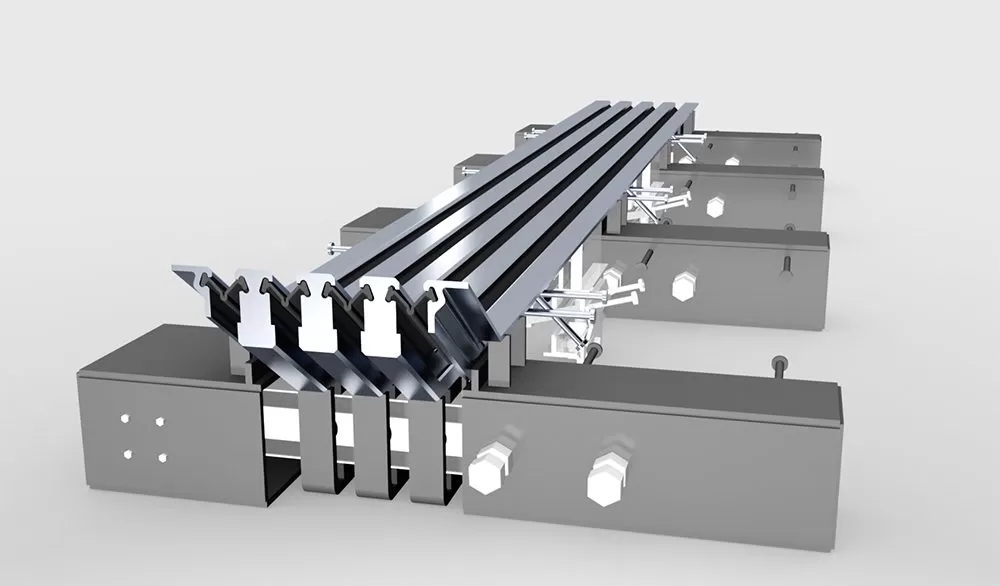
Modular Expansion Joints: Designed for large displacements (typically exceeding 80mm). These systems use multiple seal elements separated by steel centerbeams, supported by support bars and control springs to distribute movement evenly.
Finger Joints: Typically used for medium to large movements where a flush deck surface is prioritized. These systems require separate drainage troughs beneath the fingers to catch runoff.
Engineers at KINGWORK emphasize that selecting the right joint category requires evaluating the expected rotation at the joint tip under maximum live load. High rotational demands can distort standard strip seals, leading to premature tearing and eventual seal displacement.
Materials and Environmental Resilience
The operational environment of a bridge is highly demanding. Expansion joints are subjected to extreme temperature shifts, ultraviolet radiation, ozone exposure, chemical deicers, and heavy mechanical wear. Consequently, the material composition of both the elastomer and the steel components determines the system's operational lifespan.
Standard chloroprene (neoprene) has long been the industry standard for seals due to its balance of elasticity and oil resistance. However, in regions with extreme temperature fluctuations, advanced EPDM (Ethylene Propylene Diene Monomer) or polyurethane formulations are increasingly specified. These materials maintain elasticity at lower temperatures, reducing the risk of cracking under tension.
For steel components, structural durability relies on corrosion protection. Hot-dip galvanizing according to ASTM A123 or EN ISO 1461 provides a robust barrier. In highly corrosive marine environments, or where heavy salting occurs, stainless steel cladding on critical sliding surfaces is often necessary to prevent friction-induced binding of modular systems.
The Hydro-Isolation Imperative
The primary function of most modern bridge expansion joint systems is water tightness. A perfectly calculated movement mechanism is of little value if the seal allows chemical-laden runoff to reach the bridge substructure. Water infiltration acts as a catalyst for steel corrosion and concrete carbonation.
Many legacy designs relied on open joints with drainage troughs beneath them. Experience has shown that these troughs often collect debris, clog, and fail to drain properly, leading to localized water pooling. Modern engineering standards favor sealed joint systems that prevent water from passing below the deck level.
To ensure a continuous seal, the connection between the joint system and the deck waterproofing membrane must be seamless. The transition zone—where the elastomeric concrete header meets the asphalt or concrete deck wear surface—is a common point of water ingress. Using high-performance polymer concrete for the headers helps maintain a reliable bond under dynamic loading.
The Resilient Joint Triad (RJT) Framework
To simplify the selection and evaluation process, we can utilize the Resilient Joint Triad (RJT) framework. This framework evaluates any bridge expansion joint systems design across three mutually dependent pillars: Structural Compatibility, Environmental Durability, and Maintainability.
| Pillar | Key Assessment Metrics | Engineering Goal |
|---|---|---|
| Structural Compatibility | Multi-directional movement limits, rotational capacity, dynamic impact response, anchor embedment depth. | Minimize localized stress concentrations and prevent anchor fatigue under heavy wheel loads. |
| Environmental Durability | Elastomer ozone resistance, steel corrosion protection, chemical resistance, transition header bonding strength. | Prevent water and deicing salt infiltration to protect the underlying substructure. |
| Maintainability | Debris self-clearing capability, ease of seal replacement, accessibility for inspection, component modularity. | Reduce lane-closure durations and minimize lifetime maintenance costs through modular component replacement. |
Applying the RJT framework prevents engineers from focusing on one aspect (such as initial purchase cost) while neglecting long-term maintenance implications. For example, a system with low initial costs that requires complete removal for simple seal replacements fails the Maintainability pillar, ultimately costing asset owners more over its lifetime.
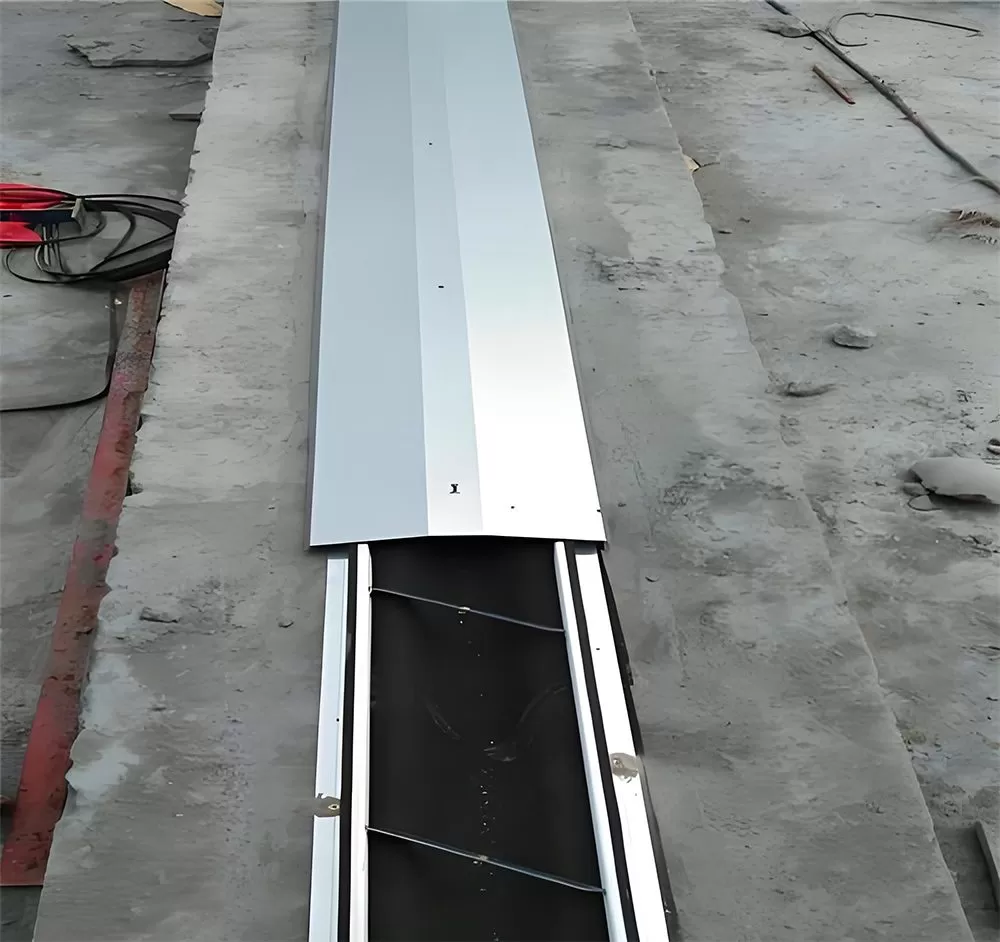
Bridge Expansion Joint Selection Checklist
To assist project teams during the design and procurement phases, KINGWORK has developed this practical selection checklist. This tool helps ensure key design parameters are addressed before finalizing specifications.
Pre-Specification Verification List
Frequently Asked Questions (FAQ)
1. How do we balance movement capacity with noise reduction in urban areas?
In noise-sensitive urban environments, traditional finger joints or modular joints can produce high impact noise when vehicles cross them. To address this, modern systems utilize noise-reducing surface plates (often referred to as sinus plates). These plates bridge the gap with a curved geometry, ensuring continuous tire contact and reducing impact noise by up to 10 decibels compared to standard joint profiles.
2. What are the primary signs of early elastomeric seal degradation?
Early indicators include localized hardening of the elastomer, surface micro-cracking due to ozone exposure, and debonding at the interface between the seal and the steel rail. Routine physical inspections should check for debris accumulation within the seal cavities, as compacted stones can puncture the elastomer during structural contraction cycles.
3. Can a modular joint be repaired without closing entire highway lanes?
Yes, modern modular bridge expansion joint systems designed under the RJT framework allow for component-level maintenance. Specially designed systems, such as those developed by KINGWORK, allow for seal replacement and control spring adjustments from beneath the deck or during short-duration, single-lane closures. This minimizes traffic disruption compared to older designs that required full structural removal.
Partnering for Durable Infrastructure
The performance of a bridge expansion joint directly influences the service life of the entire bridge structure. By focusing on precise movement matching, high-performance materials, and structured evaluation frameworks like the RJT, asset owners can reduce unexpected maintenance and extend the life of their structures.
At KINGWORK, our engineering teams focus on designing, manufacturing, and supporting high-durability structural components tailored to international project specifications. If you are currently designing or rehabilitating a bridge structure, contact our technical department for engineering support, movement calculations, and system selection guidance.
![Bridge Joint Types: The Complete Engineering Guide [2026 Edition]](https://www.kwbridgebearing.com/storage/non_theme/202606/024.webp)