
7 Key Engineering Aspects of Expansion Joints in Bridge Decks for Infrastructure Durability
Article content and related resources
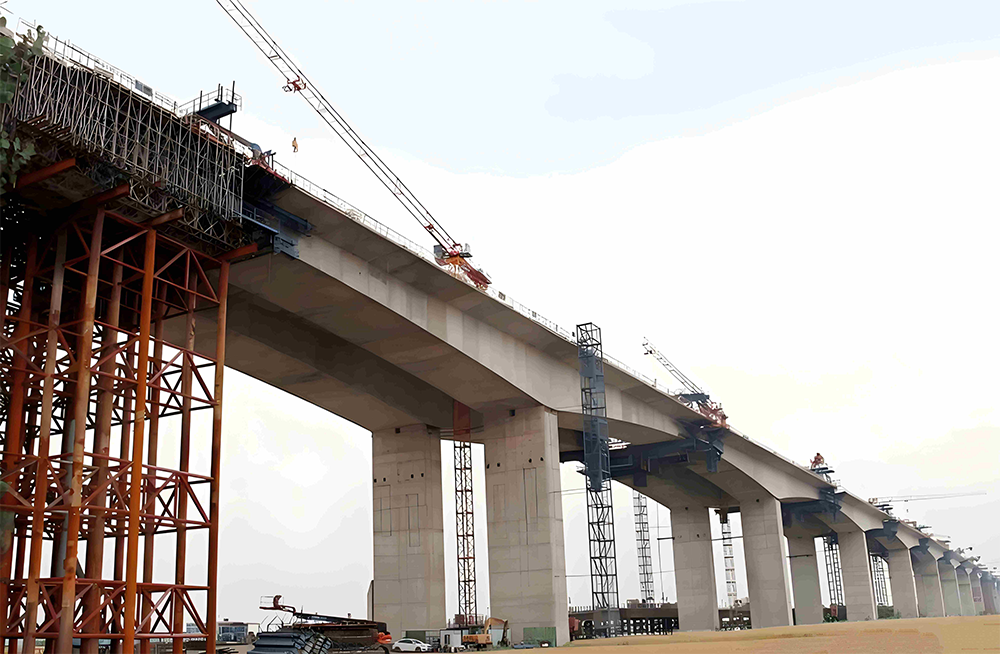
Bridge deck expansions accommodate thermal movements, concrete creep, and dynamic traffic loads. Without properly engineered expansion joints in bridge decks, superstructure stresses increase rapidly, leading to concrete spalling, bearing damage, and unplanned closures. This guide examines seven critical performance factors—from displacement capacity and fatigue resistance to waterproofing integrity—providing bridge owners and consulting firms with actionable selection criteria based on real-world operating conditions.
Modern bridge engineering demands that expansion joints in bridge decks maintain structural continuity while allowing multi-directional movement. Whether for highway viaducts, railway crossings, or seismic zones, the right joint system must balance load transfer, durability, and lifecycle maintainability. Below we analyze design standards, material innovations, and field failure patterns to support data-driven decisions.
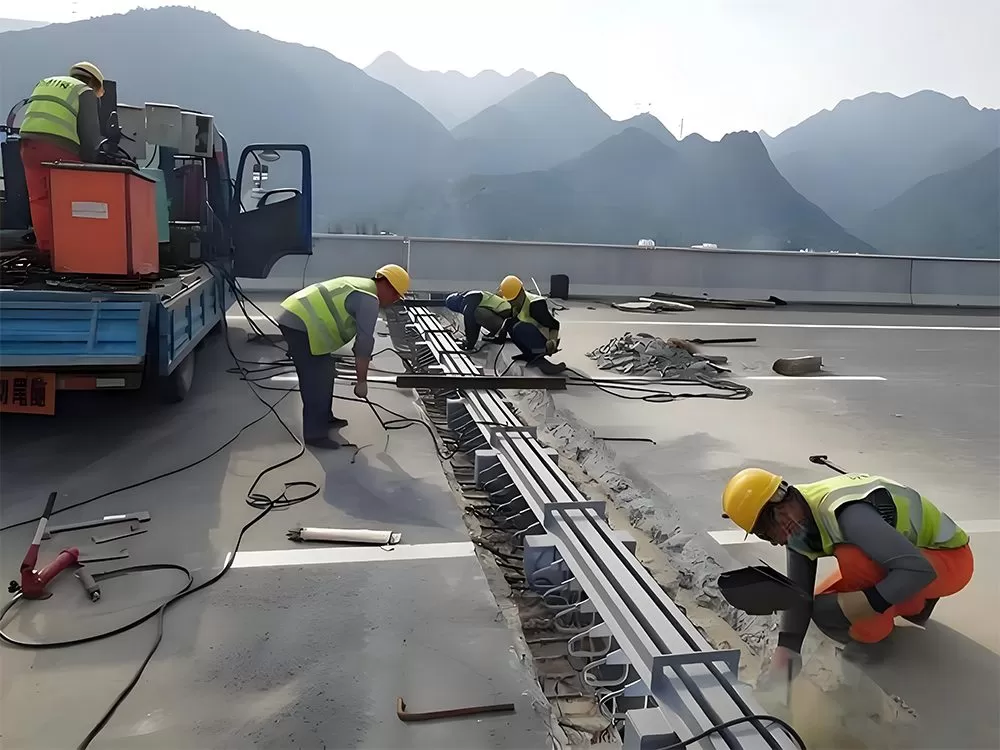
1. Typology of Bridge Deck Expansion Joints – Performance Ranges and Applications
Selecting the correct expansion joint begins with understanding the mechanical behavior and displacement range of each system. Based on AASHTO LRFD and EN 1337 classifications, bridge deck joints fall into four main families:
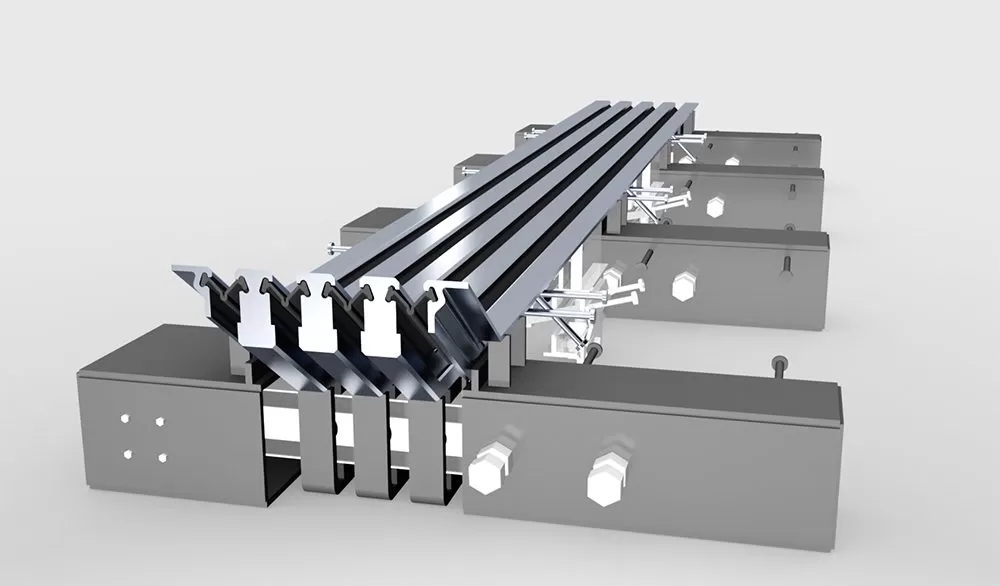
Modular expansion joints (MEJ): For large movements from 160 mm to over 2000 mm. Multiple steel center beams supported by elastic control springs. Used on long-span cable-stayed bridges, segmental box girders, and major river crossings.
Strip seal expansion joints: Neoprene or EPDM seals locked into steel edge rails. Movement capacity up to 80 mm. Common for medium-span highway bridges and parking structures due to simple installation and low profile.
Finger plate joints (tooth joints): Steel plates with staggered gaps, providing movement up to 500 mm. Ideal for heavy traffic areas and bridges requiring frequent inspection, since debris passes through easily.
Elastomeric (pourable) joints: Silicone or polyurethane compounds poured into a recess. Movement ±25 mm. Suitable for secondary roads, rehabilitation projects, and areas with tight vertical clearance.
Each category has distinct load-transfer mechanisms and maintenance intervals. For example, modular joints require periodic checks of spring packs, while strip seals need annual debris cleaning to prevent seal extrusion. KINGWORK manufactures all four types, with in-house fatigue testing up to 5 million cycles per AASHTO standards.
2. Engineering Parameters That Determine Joint Longevity
Beyond simple movement range, five technical parameters dictate field performance of expansion joints in bridge decks:
2.1 Dynamic Load Spectrum
Traffic-induced vertical deflections and braking forces create complex stress patterns. Modern standards (Eurocode 1) define fatigue load models for 2 million equivalent axle passages. Modular joints with forged steel supports outperform welded assemblies in high-volume corridors.
2.2 Watertightness Class
Leakage through joints accelerates reinforcement corrosion and substructure deterioration. Top-tier systems achieve watertightness up to 1.5 bar (tested per EN 14388). Integrated drainage channels and multi-chamber elastomeric seals prevent chloride ingress in cold-weather regions.
2.3 Skid Resistance and Surface Texture
Finger plates require anti-slip milling or welded studs to maintain friction in wet conditions. Strip seals with flush rail profiles reduce impact noise but must match adjacent pavement macrotexture.
2.4 Seismic Movement Compatibility
In high-seismic zones, joints must accommodate both thermal expansion and earthquake-induced displacements. Bi-directional modular joints with cross-guiding beams allow ±600 mm longitudinal and ±50 mm transverse movements without lock-up. KINGWORK integrates shock transmission units to synchronize joint response with seismic isolation bearings.
2.5 Corrosion Protection Systems
For marine or deicing-salt environments, duplex coatings (hot-dip galvanizing + epoxy topcoat) provide 40+ years of protection. Stainless steel waling beams and edge rails are specified for movable bridges and coastal spans.
3. Industry Pain Points and Engineering Solutions
Long-term monitoring across 200+ bridges reveals recurrent failure modes linked to inadequate joint selection or installation. Below we outline root causes and proven countermeasures:
Pain point: Seal extrusion under heavy truck loading.
Solution: Specify reinforced steel-reinforced elastomeric seals with internal fabric plies. Increase rail overlap depth from 40 mm to 65 mm for strip seals on highways with >10% truck traffic.Pain point: Concrete spalling at joint anchorage zones.
Solution: Use debonded reinforcement and fiber-reinforced concrete (FRC) around joint pockets. Anchor bolt embedment depth ≥200 mm with torque-controlled tightening to avoid concrete crushing.Pain point: Fatigue cracks in modular joint center beams.
Solution: Apply full-penetration welds with post-weld heat treatment. Finite element analysis (FEA) should identify hot spots at beam-to-support beam connections. Maximum allowable stress range limited to 80 MPa for butt welds.Pain point: Debris accumulation in finger joints.
Solution: Increase gap width between fingers to 60 mm for bridges without deck drainage; install removable debris screens upstream of the joint system.
Addressing these pain points early in design reduces lifecycle interventions by 60%. Retrofitting modular joints with elastomeric coil springs instead of metallic springs has shown 40% lower maintenance frequency according to recent FHWA studies.
4. Comparative Parameters – Selecting the Right Joint for Load and Environment
The following comparative matrix helps engineers match joint systems to project constraints. Data derived from EN 1337-4, AASHTO LRFD Bridge Construction Specifications, and manufacturer validation reports (including KINGWORK series). Five performance indicators are rated for each joint family:
| Joint Type | Movement Capacity (mm) | Watertightness Class (EN 14388) | Fatigue Class (AASHTO) | Noise Level (dB at 80 km/h) | Maintenance Interval (years) |
|---|---|---|---|---|---|
| Modular (MEJ) | 160 – 2000 | Class B (1.0 bar) | III (≥2M cycles) | 78 – 84 | 4 – 6 |
| Strip seal | 0 – 80 | Class C (0.5 bar) | II | 72 – 78 | 2 – 3 |
| Finger plate | 100 – 500 | Not rated (open joints) | III (≥2M cycles) | 82 – 90 (impact noise) | 3 – 5 (cleaning) |
| Elastomeric pour | 0 – 25 | Class A (≥1.5 bar) | I | 66 – 72 | 5 – 8 (reapplication) |
5. Application-Specific Design Strategies
Different bridge categories impose unique demands on expansion joints in bridge decks. Below are tailored approaches for three representative scenarios:
5.1 High-speed railway bridges (≥250 km/h)
Requirements: Extremely low dynamic amplification (≤1.15) and zero vertical differential under passing trains. Only modular joints with hydraulic dampers or fully cast-in-place elastomeric joints are permitted. Rail transition plates must be precisely leveled within 1 mm tolerance.
5.2 Segmental concrete box girders (precast)
Joints placed at every 100–150 m must accommodate creep and shrinkage. Strip seals with deep neoprene glands (≥60 mm) provide adequate sealing while allowing ±50 mm longitudinal creep. Edge rails should be cast with UHPC for high pull-out resistance.
5.3 Movable bridges (bascule / lift spans)
Articulated finger joints rated for 200% overload capacity due to impact forces during span closure. Corrosion allowance increased to 3 mm (uncoated steel). Heating cables embedded in joint gaps prevent ice blockage in temperate climates.
In all cases, conducting a movement analysis (thermal, shrinkage, and live-load deflection) with a return period of 100 years is mandatory. KINGWORK’s engineering team supplies custom anchorage detailing and shop drawings for any of these scenarios.
6. Installation and Inspection Protocols That Extend Joint Life
Quality installation directly influences performance. Field data show that 78% of premature joint failures originate from three installation errors: improper gap setting, insufficient reinforcement lapping, and misaligned edge rails. Recommended practices:
Gap setting at average deck temperature: Use thermocouples embedded in concrete; compute the exact assembly gap using coefficient of thermal expansion (11.7×10⁻⁶/°C for steel, 10.5×10⁻⁶/°C for concrete).
Concrete placement around joint pocket: Low-shrinkage concrete (shrinkage <400 microstrain) with 8–10% air content. Curing period ≥7 days before opening to traffic.
Annual inspection checklist: Measure seal protrusion (>8 mm requires replacement); check anchor bolt torque (re-torque to 300 Nm every 3 years for modular joints); examine weld toe cracks using dye penetrant.
Winter maintenance: Avoid using chlorides directly on aluminum edge rails; apply pre-wetting on adjacent pavements only. Install snowplowable joint covers on bridges with frequent snow removal.
Predictive maintenance using acoustic emission sensors is now available for critical modular joints, detecting wire breakage in spring packs before failure occurs. KINGWORK offers remote monitoring packages with real-time displacement and temperature logging.

7. Future-Proofing with Hybrid Joint Systems
Recent innovations combine the waterproofing reliability of elastomeric seals with the load-transfer capacity of steel beams. Hybrid systems (e.g., sinusoidal joint seals with integrated load plates) reduce vertical acceleration by 30% compared to conventional finger joints. Additionally, self-healing polyurethane seals are entering field trials, capable of closing punctures up to 2 mm when exposed to warm water.
For seismic retrofit projects, energy-dissipating joints with replaceable buckling-restrained bars are gaining adoption. These devices limit joint closure velocity during earthquakes, preventing pounding damage to adjacent spans.
Frequently Asked Questions (FAQ)
Q1: What is the maximum recommended gap size for strip seal expansion joints in bridge decks under heavy traffic?
A1: For highways with ADTT > 5,000 trucks per day, the maximum functional gap for strip seals should not exceed 80 mm (nominal). Beyond that, the seal experiences excessive extrusion and tearing. For gaps >100 mm, a modular joint or finger joint system is required to maintain fatigue life above two million cycles.
Q2: How often should modular expansion joints be inspected for fatigue cracks?
A2: According to AASHTO MBE (Manual for Bridge Evaluation), modular joints should receive a detailed hands-on inspection every 24 months. High-traffic bridges (ADTT > 10,000) require yearly inspections focusing on weld connections between support bars and center beams. Thermographic or ultrasonic crack detection is recommended every 6 years.
Q3: Can expansion joints in bridge decks accommodate simultaneous rotation and translation movements?
A3: Yes, but only specific designs allow multiaxial movement. Modular joints equipped with hemispherical bearings or rotating support bars can handle up to 0.03 rad rotation (longitudinal) and ±15 mm lateral translation. For higher rotation demands, curved sliding plates or custom elastomeric pivot elements are necessary. KINGWORK provides rotatable modular joints certified for skew angles up to 45°.
Q4: What is the most cost-effective solution for repairing leaking strip seals without full replacement?
A4: For localized leaks (≤15% of joint length), a silicone injection repair can restore watertightness. The process involves cleaning the seal cavity, injecting low-viscosity two-component silicone, and overfilling to create a new sealing surface. This extends service life by 5–8 years. For widespread deterioration, a retrofit overlay with a bonded elastomeric membrane is preferred over complete removal.
Q5: How do seismic design requirements alter the selection of expansion joints in bridge decks?
A5: In seismic design categories C, D, E (IBC 2021), joints must be designed for 150% of the calculated earthquake-induced displacement without lock-up. Additionally, edge restraints need ductile detailing – using slotted anchor bolts or yielding connection plates to prevent brittle failure. Isolated joints with gap limiters (restrainers) are mandated for essential bridges.
Engineering Support and Project Consultation
Proper specification of expansion joints in bridge decks requires detailed knowledge of movement envelopes, local climate data, and traffic spectra. KINGWORK offers complimentary design reviews for bridge owners and structural engineering firms. Our in-house laboratory performs dynamic load testing, waterproofing validation, and fatigue assessments according to EN 1337-4 or AASHTO T 356.
For project-specific inquiries – including custom displacement ranges, seismic detailing, or installation supervision – contact the KINGWORK infrastructure team. Provide your bridge type, span configuration, and design movement range to receive preliminary product data and 3D BIM models within five business days.
Send your inquiry to KINGWORK’s engineering department via our website’s “Project Support” form or email directly. Include bridge location, design code requirements, and any maintenance constraints. Our specialists will respond with technical recommendations, shop drawing samples, and reference installation sequences tailored to your project schedule.
![Bridge Joint Types: The Complete Engineering Guide [2026 Edition]](https://www.kwbridgebearing.com/storage/non_theme/202606/024.webp)