
5 Engineering Principles of Elastomeric Pad Bearing Design for Highway Bridges
Article content and related resources
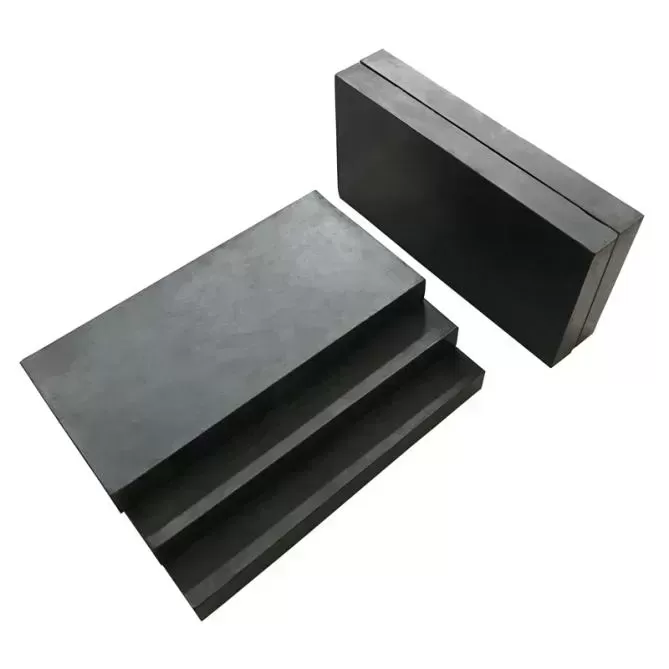
Modern bridge engineering requires structural systems capable of managing substantial vertical loads while facilitating horizontal displacement and rotational movements. These motions stem from thermal expansion, concrete shrinkage, wind forces, and dynamic traffic loads. Without a reliable interface to distribute these forces, the connection points between the bridge superstructure and substructure would suffer severe structural distress. An elastomeric pad bearing serves as this vital interface, providing flexibility and structural damping to protect the overall integrity of the bridge.
For structural designers and procurement officers partnering with component manufacturers like KINGWORK, selecting the appropriate bearing assembly requires a thorough understanding of elastomer mechanics, structural design specifications, and manufacturing quality standards. This guide provides an objective analysis of these parameters to assist in project planning and component selection.
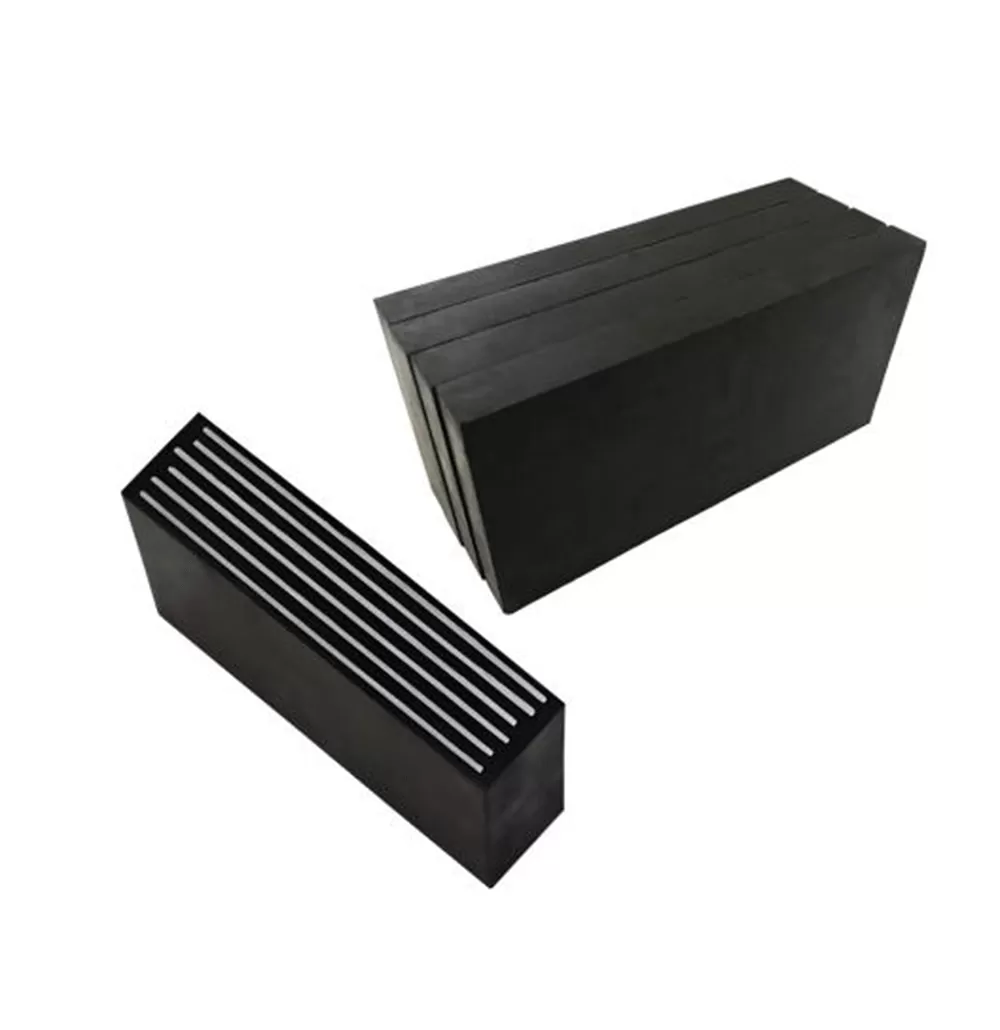
The Mechanics of Elastomeric Pad Bearings
The primary function of an elastomeric pad bearing is to transmit vertical gravity loads from the bridge deck to the piers or abutments while simultaneously allowing horizontal shear displacement and rotation. The device achieves this dual capability through the distinct physical properties of elastomeric compounds, which exhibit high compressive stiffness alongside low shear resistance.
Unreinforced vs. Laminated Configurations
Elastomeric bearings are categorised into two primary configurations based on load demands:
Plain Elastomeric Pads (PEP): These consist of a single solid sheet of elastomer without internal reinforcement. They are utilized in structures with low vertical load requirements and limited rotational demands, such as short-span precast concrete bridges or industrial building slabs. Plain pads rely entirely on the friction between the elastomer and the bearing seat to remain in position.
Laminated Elastomeric Bearings: Designed for high-load applications, these bearings feature alternating layers of elastomer and steel reinforcement plates (shims) that are chemically bonded during the vulcanization process. The steel shims restrict lateral bulging of the elastomer under vertical compression, significantly increasing the compressive stiffness without altering the low shear resistance of the elastomer layers.
The Concept of Shape Factor
The performance of a laminated elastomeric pad bearing is governed by its shape factor. The shape factor ($S$) is a dimensionless ratio defined as the loaded area of an elastomer layer divided by the perimeter area free to bulge. Mathematically, for a rectangular bearing layer:
S = (L × W) / [2 × t × (L + W)]
Where:
L: Length of the bearing pad
W: Width of the bearing pad
t: Thickness of an individual elastomer layer
A higher shape factor indicates a thinner elastomer layer relative to its plan dimensions. Consequently, this configuration restricts lateral bulging more effectively, resulting in greater compressive stiffness and a higher vertical load-bearing capacity. Designers adjust the shape factor by varying the number and thickness of the elastomer layers to meet the specific requirements of the bridge superstructure.
Material Formulation and Physical Properties
The raw elastomer compound used in manufacturing defines the long-term durability of the elastomeric pad bearing under varied climatic conditions. Two primary polymers are utilized in the industry: Natural Rubber (Polyisoprene) and Neoprene (Polychloroprene).
Natural Rubber vs. Neoprene
Natural rubber displays superior mechanical elasticity and performance in cold environments, maintaining its flexibility at lower temperatures compared to synthetic alternatives. It exhibits lower creep rates under sustained vertical loads, which helps preserve the structural alignment of the bridge deck over decades.
Neoprene offers enhanced resistance to environmental degradation. It is highly resistant to ozone cracking, ultraviolet radiation, and chemical exposure from de-icing salts or oil spills. Choosing between natural rubber and neoprene depends largely on the local climate and regional regulatory design standards.
Physical Property Requirements
To ensure structural performance, the elastomeric compound must satisfy stringent standard criteria, typically verified through laboratory testing. Key mechanical properties include:
Hardness: Usually specified between 50 and 70 Durometer (Shore A). Lower hardness ratings provide greater shear flexibility, while higher ratings offer increased vertical stiffness.
Shear Modulus (G): This is the most crucial design parameter for assessing shear deformation capability. Standard values range from 0.8 MPa to 1.2 MPa at room temperature.
Tensile Strength: Minimum values typically exceed 15 MPa to prevent tearing under extreme structural displacements.
Ultimate Elongation: The elastomer must demonstrate an elongation capacity of at least 400% before failure, confirming its ductile nature under tension.
Design Standards and Engineering Challenges
Bridge components must comply with international design methodologies to ensure structural safety. The two most widely recognized standards are the AASHTO LRFD Bridge Design Specifications (North America) and the EN 1337-3 standard (Europe). Both frameworks dictate the maximum allowable compression, shear, and rotation limits for an elastomeric pad bearing, though their verification formulas differ slightly.
Addressing Shear Strain Limits
One of the primary concerns in bearing design is preventing excessive shear strain within the elastomer. The total shear strain ($\gamma_t$) is a combination of the strain caused by compression ($\gamma_c$), horizontal displacement ($\gamma_s$), and rotation ($\gamma_r$). Structural standards dictate that the sum of these strains must not exceed a specified threshold to prevent premature material tearing or bond failure between the steel shims and the elastomer.
$$\gamma_t = \gamma_c + \gamma_s + \gamma_r \le \text{Limit Value}$$
Under service conditions, the horizontal displacement is caused by the thermal expansion or contraction of the bridge deck. If the thickness of the elastomer is insufficient to accommodate this movement, the bearing will experience excessive shear strain, leading to localized tearing along the perimeter.
Managing Rotational Demands
Rotational movement occurs when the bridge deck deflects under live traffic loads or during construction due to structural camber. The elastomeric pad bearing must accommodate this rotation by compressing unevenly across its width or length. If the compressive stress on the unloaded edge drops to zero, lift-off can occur. Lift-off creates an unstable load path and increases the local stress on the opposite edge, which can lead to rapid deterioration of the bearing structure.
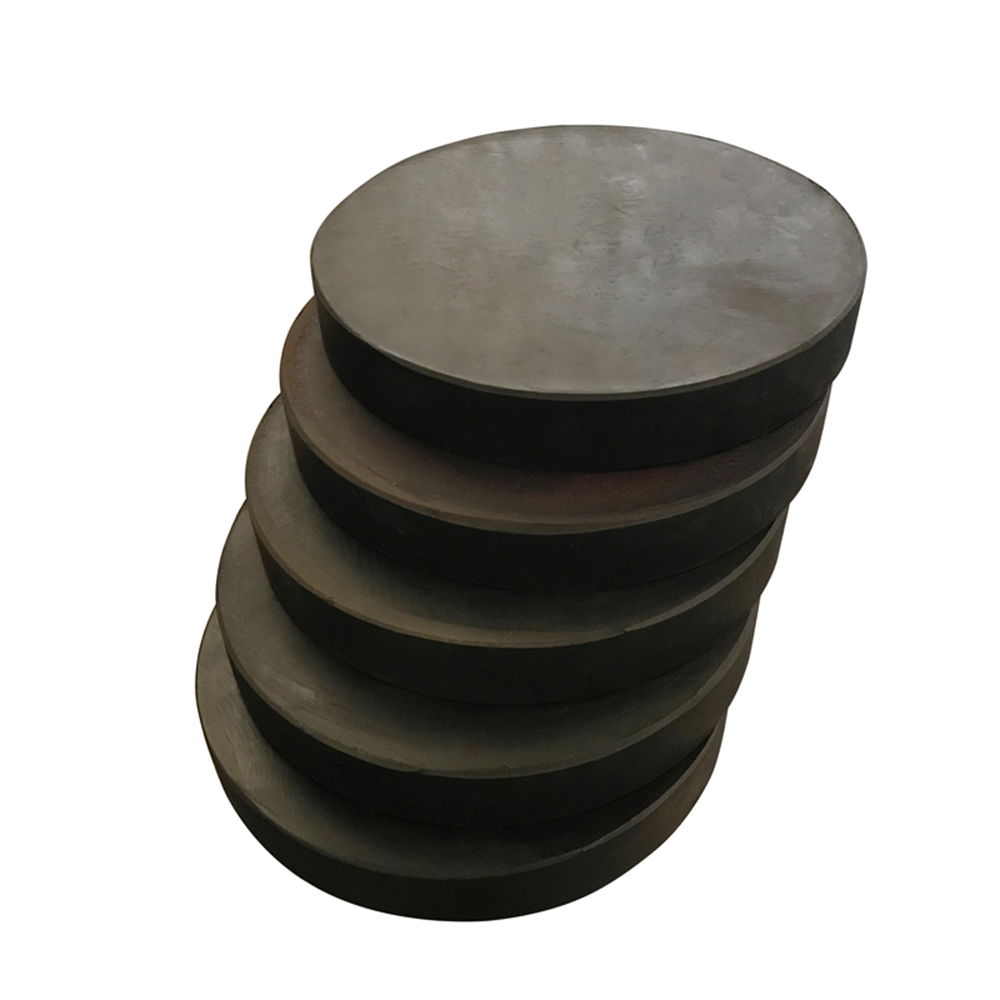
Manufacturing and Quality Control at KINGWORK
High-quality performance in the field depends on the precision of the manufacturing process. KINGWORK implements rigorous production controls to ensure that every elastomeric pad bearing meets specified design parameters and performance tolerances.
The Vulcanization and Bonding Process
The manufacturing process begins with the preparation of the steel shims. These steel plates are sandblasted to remove rust and mill scale, followed by the application of a specialized adhesive agent. The elastomer layers and adhesive-coated steel plates are then assembled in a high-precision mold.
Under high pressure and temperature within a vulcanization press, the elastomer undergoes a chemical curing process. Simultaneously, the adhesive creates a permanent vulcanized bond between the rubber layers and the steel shims. This bond strength is verified through peel testing to ensure the plates do not separate under extreme lateral shear forces during the service life of the bridge.
Testing and Verification Protocols
To confirm compliance with project specifications, KINGWORK subjects finished bearings to standard-compliant testing protocols:
| Test Type | Standard Reference | Evaluation Objective |
|---|---|---|
| Compression Stiffness Test | EN 1337-3 / AASHTO M251 | Verifies vertical load-deformation behavior and checks for internal steel plate misalignment. |
| Shear Modulus Test | ISO 1827 / ASTM D4014 | Determines the precise shear stiffness (G-value) of the cured elastomeric compound. |
| Compression Proof Load Test | AASHTO LRFD | Subjects the bearing to 1.5 times the design load to check for surface cracks, bonding defects, or bulging irregularities. |
| Ozone Resistance Test | ASTM D1149 | Evaluates long-term durability when exposed to accelerated environmental ozone concentrations. |
Installation Considerations and Performance Degradation
An correctly manufactured elastomeric pad bearing requires precise installation to achieve its intended service life. Faulty installation practices are a primary cause of premature bearing replacement.
Substructure Seat Preparation
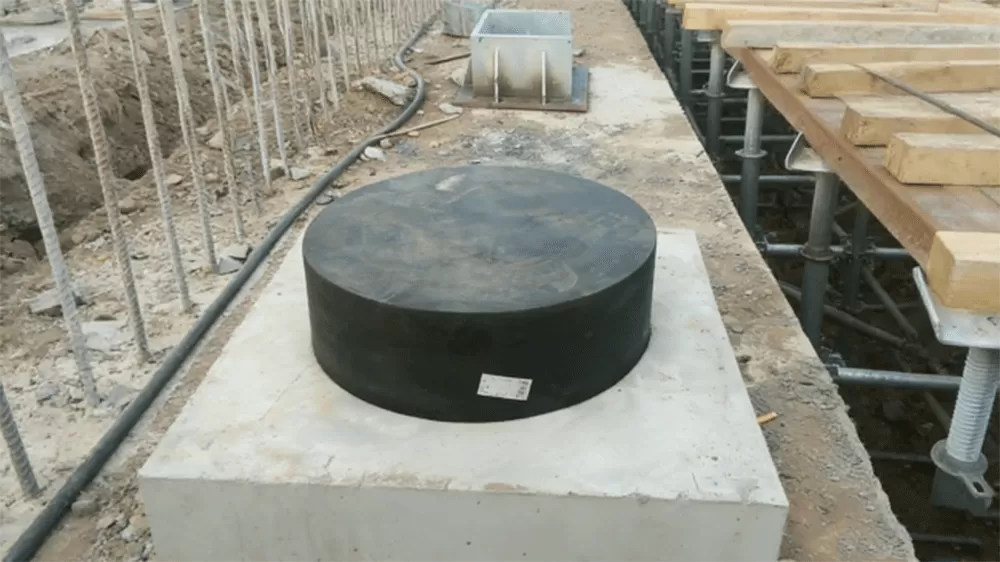
The concrete bearing seat must be level, flat, and free of surface voids or protrusions. Any slope or surface irregularity in the pedestal will transmit uneven loads to the bearing, causing localized stress concentrations. Self-leveling epoxy grouts or high-strength non-shrink mortars are typically used to construct a level bedding surface before positioning the bearing pad.
Preventing Slip and Walk-Out
For plain bearings and bearings subjected to low vertical loads, lateral forces can occasionally exceed the friction resistance between the bearing and the concrete seat. This imbalance can cause the pad to slip or slowly "walk" out of its designated position over time. To prevent this displacement, designers can specify external steel keeper plates, or the bearings can be manufactured with vulcanized external steel top and bottom plates that are mechanically anchored to the superstructure and substructure.
Frequently Asked Questions
Q1: What is the average design life of a high-quality elastomeric pad
bearing?
A1: Under normal operating conditions and with proper
installation, a high-quality bearing manufactured by producers like KINGWORK
typically has a design life of 30 to 50 years. The actual lifespan depends on
environmental exposure, cyclic traffic loads, and the accuracy of the initial
structural installation.
Q2: Can elastomeric pad bearings be used in seismic
regions?
A2: Yes, they are widely used in seismic design. However,
for high seismic zones, standard elastomeric bearings are often upgraded to lead
rubber bearings (LRB) or high-damping rubber bearings (HDRB), which incorporate
a lead core or special compounding to dissipate seismic energy through
hysteretic damping.
Q3: How does low temperature affect the performance of Neoprene
bearings?
A3: Neoprene undergoes crystallization at sustained low
temperatures, which leads to an increase in its shear stiffness and hardness. If
a bridge is located in an extremely cold region, natural rubber is often
preferred because it retains its flexible characteristics at lower temperatures
compared to standard neoprene formulations.
Q4: Why are steel plates integrated into the elastomeric
bearing?
A4: Unreinforced elastomer bulges outward under vertical
loads, leading to significant vertical deflection. Internal steel plates
restrict this lateral bulging, which dramatically increases the bearing's
vertical load-carrying capacity while allowing the elastomer to remain soft and
flexible in the horizontal shear direction.
Q5: What visual signs indicate that an elastomeric pad bearing needs
replacement?
A5: Key visual indicators of structural degradation
include deep surface cracking (especially due to ozone exposure), severe
unhealed bulging of individual elastomer layers, delamination of the elastomer
from the internal steel shims, excessive permanent shear deformation (creep), or
physical displacement from the original installation alignment.
Project Consultation and Inquiry Support
Selecting the correct bearing configurations requires careful analysis of design standards, environmental factors, and loading limits. Structural engineers and procurement professionals must collaborate closely with manufacturing partners to ensure all components align with project requirements.
KINGWORK provides structural design support, material selection expertise, and custom manufacturing solutions for highway, railway, and industrial infrastructure projects. For detailed product specifications, design validation assistance, or a comprehensive quote for your next project, please direct your technical parameters to our engineering sales team through our inquiry portal.
![Bridge Joint Types: The Complete Engineering Guide [2026 Edition]](https://www.kwbridgebearing.com/storage/non_theme/202606/024.webp)