
5 Engineering Metrics Defining Quality in Elastomeric Bearing Bridge Installations
Article content and related resources
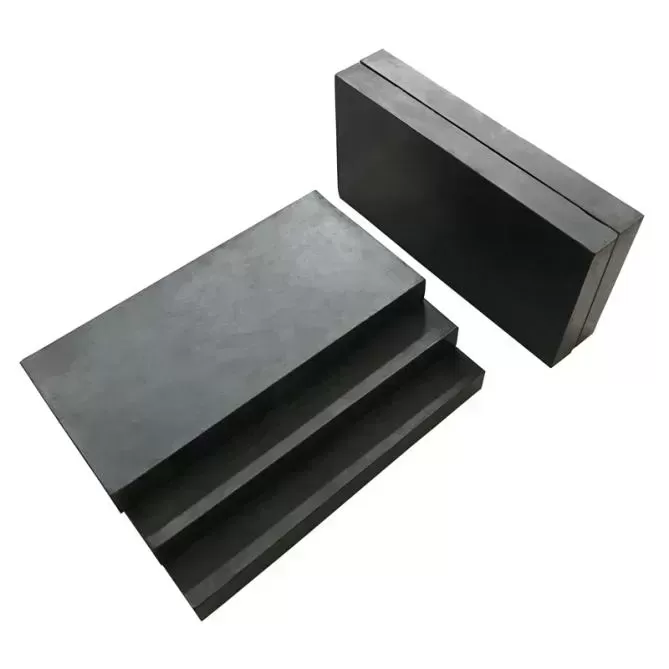
Civil infrastructure relies on dynamic movement capabilities to preserve structural integrity over extended operational lifespans. Highway bridges, railway viaducts, and elevated transit corridors experience continuous dimensional changes caused by thermal fluctuation, concrete shrinkage, dynamic braking forces, and structural live loads. Without adequate flexible support systems, these forces generate massive internal stress concentrations that compromise abutments, piers, and superstructures.
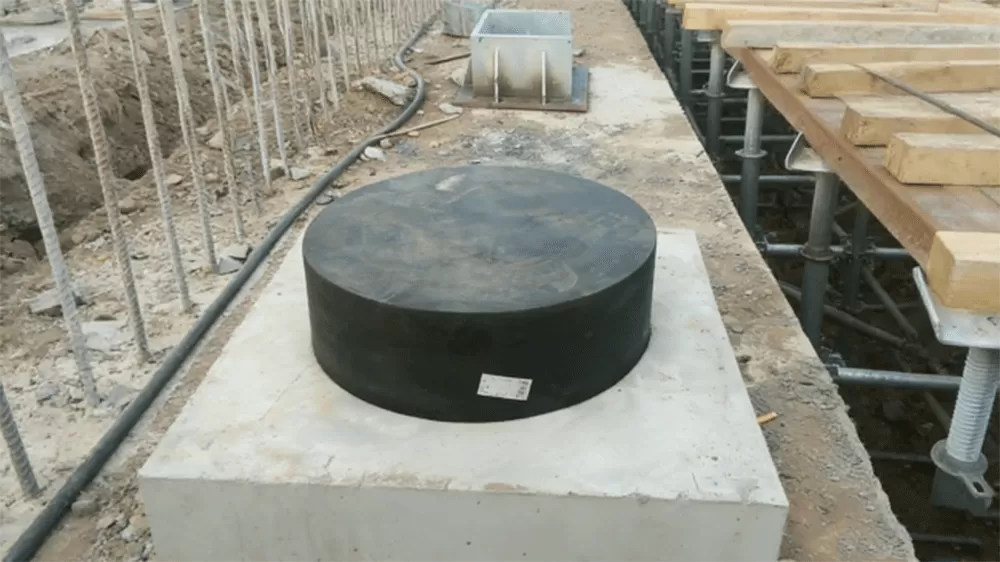
The implementation of an elastomeric bearing bridge structural design resolves these forces by accommodating multidirectional translation and rotation through elastomeric material deformation. Functioning as a high-capacity structural interface between the bridge superstructure and substructure, these bearing pads absorb dynamic impacts while transmitting vertical gravitational loads safely down to the foundation structures.
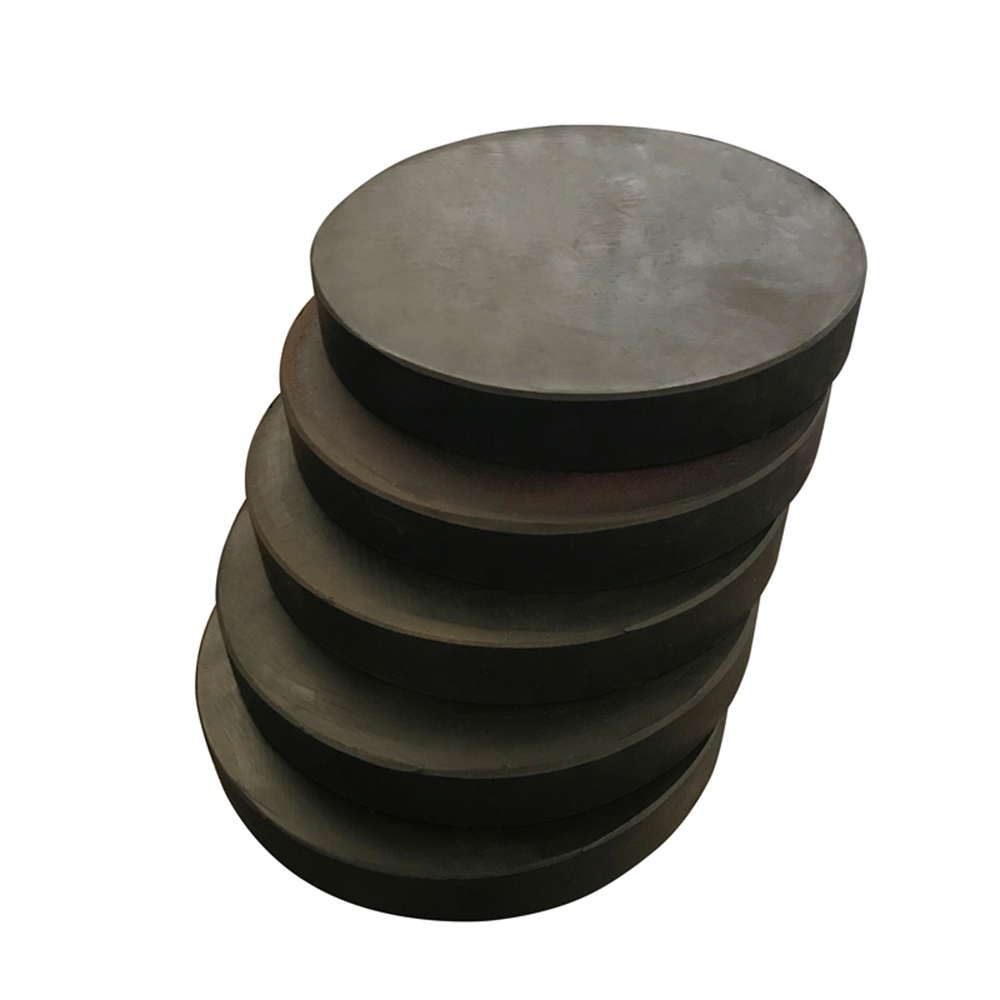
Fundamental Mechanics and Material Composition
Understanding the mechanical response of an elastomeric bearing bridge structure requires a close examination of the elastomeric compound and internal reinforcement layers. Elastomers possess low shear modulus and high bulk modulus, allowing them to deform laterally under horizontal shear forces while maintaining high resistance to vertical compression.
Elastomer Formulations: Synthetic Neoprene versus Natural Rubber
Engineers specify elastomeric compounds based on environmental exposure, minimum ambient operating temperatures, and static load requirements. The two primary elastomeric formulations utilized in bridge structural bearings are polychloroprene (neoprene) and natural polyisoprene (natural rubber).
Polychloroprene (Neoprene): Exhibits high resistance to chemical degradation, ozone exposure, industrial atmospheric pollutants, and oil contamination. Neoprene exhibits stable performance across moderate temperature variations, making it widely specified in harsh marine or highly polluted highway corridors.
Natural Rubber (Polyisoprene): Demonstrates superior flexibility at sub-zero temperatures, resisting low-temperature crystallization down to minus forty degrees Celsius. It exhibits high tensile strength and elastic recovery, making it suitable for cold-climate bridge applications.
Steel Reinforcement Plates and Internal Vulcanization
Unreinforced elastomeric blocks bulge excessively under vertical compression, leading to significant vertical deflection and edge strain. To counter this limitation, internal steel shim plates are embedded within the elastomeric compound.
These steel plates restrict lateral expansion of the elastomeric layers through surface friction and chemical bonding, substantially increasing vertical stiffness without altering horizontal shear flexibility. Manufacturing standards require precise hot-vulcanization processes to ensure chemical adhesion between the steel shims and the elastomer. Structural component manufacturers like KINGWORK utilize high-precision press vulcanization to ensure uniform layer thickness and zero internal delamination.
Primary Structural Functions in Highway and Rail Infrastructure
Bridge superstructures undergo longitudinal, transverse, and rotational displacements continuously. elastomeric bearing bridge assemblies accommodate these complex forces through distinct mechanical behaviors engineered into the physical matrix of the bearing.
Vertical Load Transmission and Shear Deformation Dynamics
Vertical loads resulting from the self-weight of precast concrete girders, steel trusses, and dynamic vehicle traffic generate intense compressive stresses. The structural elastomeric pad compresses slightly under these loads, distributing the weight evenly across the concrete pier cap.
Simultaneously, thermal expansion and contraction cause horizontal expansion or contraction of the bridge deck. The bearing reacts to this lateral displacement through controlled shear deformation. The horizontal force generated by this movement remains proportional to the dynamic shear modulus of the elastomer and the total thickness of the bearing elastomeric layers, preventing damaging horizontal forces from reaching the supporting substructure.
Rotational Flexibility and Angular Displacement
Girder deflection under variable live loads, construction tolerances, and initial prestress camber introduce rotational angles at the beam supports. Elastomeric bearings accommodate this rotation by compressing unevenly across their cross-section without causing point loading on the concrete edges.
By providing low rotational resistance, the bearing prevents localized high-stress concentrations that typically lead to spalling at beam ends and pier caps. The total allowable rotation depends directly on the individual layer thickness, shape factor, and overall plan dimensions of the pad.
International Engineering Standards and Testing Metrics
Selecting materials for structural bearings requires rigorous adherence to international engineering standards. Bridge structures are designed for multi-decade service lives, demanding rigorous verification of physical material properties and manufacturing tolerances when establishing parameters for an elastomeric bearing bridge installation.
AASHTO LRFD Specifications and Shear Modulus Verification
The American Association of State Highway and Transportation Officials (AASHTO) outlines strict design parameters for elastomeric bearings based on Load and Resistance Factor Design (LRFD) criteria. AASHTO standard specifications mandate shear modulus limits typically ranging from 0.6 MPa to 1.2 MPa at room temperature.
Quality control requires destructive and non-destructive testing of structural samples, including compressive strain tests, long-term creep measurements, and low-temperature stiffness evaluations. Ensuring compliance meets international benchmarks, as demonstrated by KINGWORK structural bearing testing protocols, which verify shear modulus uniformity across batch manufacturing cycles.
EN 1337-3 Compliance and Performance Testing Protocols
In European and international jurisdictions operating under CEN standards, EN 1337-3 dictates design requirements, testing methodologies, and dimensional tolerances for laminated elastomeric bearings. Standardized testing includes:
Shear Modulus Test: Verifies the force-deflection curve under double-shear laboratory conditions.
Compressive Resistance Test: Subjecting bearings to 1.5 times maximum design load to verify structural bond integrity between internal steel plates and elastomer.
Ozone Resistance Testing: Exposing rubber samples to elevated ozone concentrations under static strain to check for micro-cracking vulnerability.
Resolving Operational Degradation and Structural Challenges
Long-term exposure to cyclic mechanical loads and environmental agents can lead to performance deterioration if bearing components are improperly specified or manufactured.
Managing Shear Strain and Creep under Continuous Static Loads
Continuous dead loads from the bridge deck induce long-term viscoelastic creep in elastomeric materials. Over extended periods, creep increases overall compression deflection, which can alter structural profile grades if left uncalculated during the initial design phase.
Excessive cyclic shear strain can also lead to edge debonding between the internal steel plates and the surrounding rubber. Designers mitigate shear strain by specifying multi-layer laminated assemblies where individual layer thicknesses are kept thin, maintaining a elevated shape factor while providing sufficient total rubber height to handle anticipated thermal translation.
Environmental Resilience against UV Exposure and Thermal Cycles
Outdoor bridge environments expose bearing pads to extreme direct ultraviolet radiation, ozone, surface water runoff containing deicing salts, and severe dynamic temperature shifts. Unprotected natural rubber formulations can suffer surface hardening and degradation over time.
Formulating elastomer compounds with specialized anti-oxidants, wax barriers, and carbon black UV inhibitors mitigates these environmental threats. Additionally, fully encapsulating internal steel plates within an outer rubber cover layer—typically at least four millimeters thick—prevents water intrusion and structural oxidation of the steel shims.
Design Calculations and Sizing Parameters for Engineers
Accurate structural sizing of an elastomeric bearing bridge system depends on establishing precise balance between vertical compressive capacity, horizontal movement capacity, and allowable angular rotation.
Evaluating Compressibility and Shape Factors
The behavior of an elastomeric bearing under compressive loading depends on its shape factor ($S$), which represents the ratio of the load-bearing area to the perimeter area free to bulge laterally. The formula for a rectangular bearing is defined as:
$$S = \frac{L \cdot W}{2 \cdot t_i \cdot (L + W)}$$
Where $L$ is length, $W$ is width, and $t_i$ is the thickness of an individual internal elastomeric layer. Higher shape factors yield stiffer bearings under vertical compression, drastically reducing deflection while preserving the lateral shear deformation capacity dictated by total rubber thickness.
Dynamic Response under Seismic and Dynamic Braking Loads
In earthquake-prone regions or high-speed rail lines, bearings must handle rapid dynamic horizontal loads. While standard elastomeric pads provide basic horizontal isolation, high-damping rubber bearings (HDRB) or lead-plug elastomeric bearings (LRB) offer specialized mechanical energy dissipation capabilities.
Standard elastomeric bearing designs must be evaluated to ensure that horizontal forces generated during braking or seismic events do not cause the pad to slip out of position. Where friction alone is insufficient to prevent walking, mechanical restraints, top/bottom steel sole plates, or structural dowel assemblies are integrated into the support system.
Strategic Considerations for Procurement and System Specification
Selecting appropriate structural bearings requires evaluated coordination between bridge design engineers, material suppliers, and construction contractors. Ensuring long-term structural serviceability involves thorough material testing documentation, clear dimensional tolerances, and verified manufacturing capabilities.
Custom Fabrication versus Standardized Dimensions
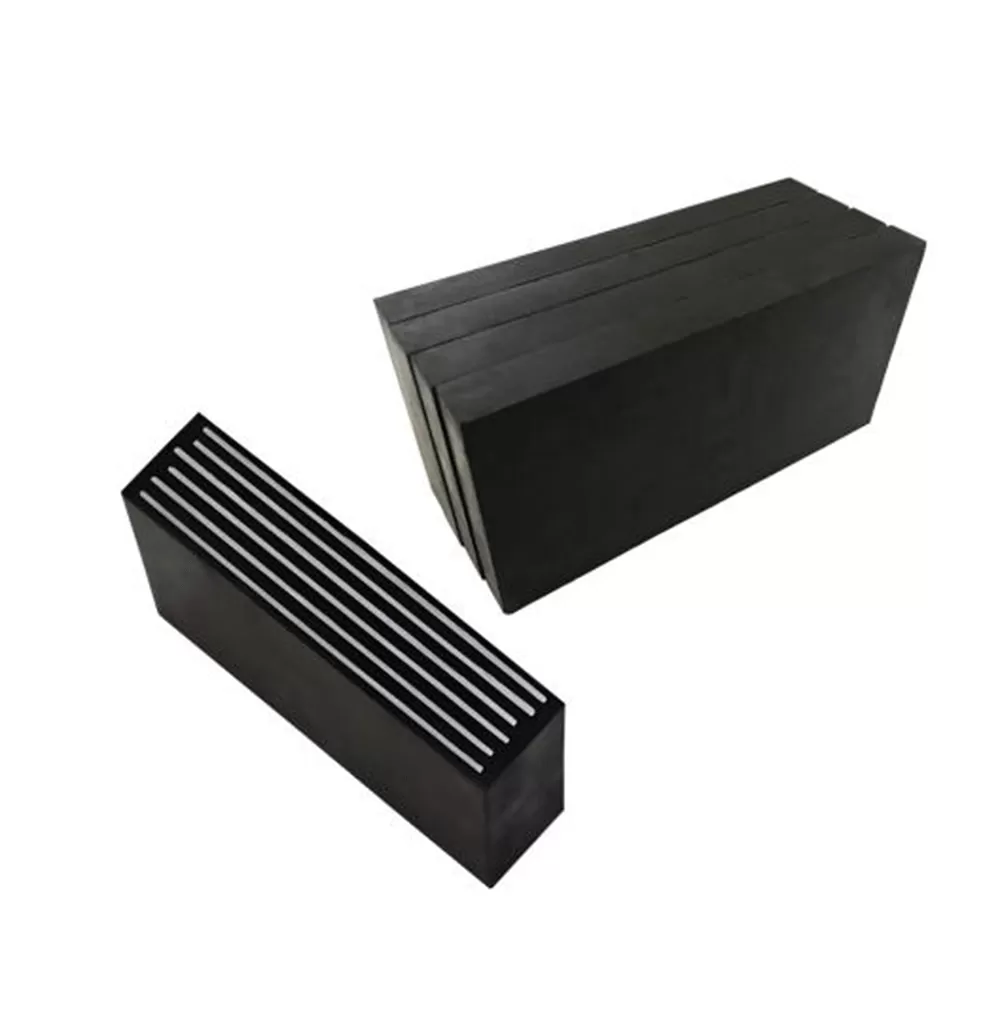
While standard rectangular and circular elastomeric bearing pads suit routine short-span girder bridges, major highway bridges and curved viaduct structures frequently require custom geometry, non-standard steel shim configurations, or vulcanized sole plates with tapered slope correction shims.
When evaluating long-term serviceability for an elastomeric bearing bridge project, engineers must consider manufacturing quality controls, raw material provenance, and third-party laboratory verification. Partnering with specialized structural component suppliers ensures that provided bearings meet exact project specifications and withstand heavy structural loading without early degradation.
For structural engineers seeking custom elastomeric bearing bridge designs or standard laminated bearing schedules, working with experienced engineering teams ensures verified material compliance and tailored manufacturing support for complex structural projects.
Frequently Asked Questions
Q1: What is the primary difference between polychloroprene and
natural rubber in bridge elastomeric bearings?
A1: Polychloroprene
(neoprene) offers superior resistance to chemical exposure, ozone, UV radiation,
and oil, making it ideal for coastal and industrial environments. Natural rubber
exhibits better low-temperature flexibility and lower dynamic stiffening at
sub-zero temperatures, making it suitable for cold climate regions.
Q2: How does internal steel plate lamination prevent excessive
bulging in elastomeric bearings?
A2: Internal steel shims are
chemically bonded to the elastomeric layers during heat vulcanization. These
rigid plates restrict lateral expansion of the rubber when compressed
vertically, dramatically increasing the vertical compressive stiffness while
retaining horizontal shear flexibility.
Q3: What shape factor parameters govern the vertical load capacity of
elastomeric bearing pads?
A3: The shape factor is defined as the
plan area of the bearing divided by the perimeter surface area free to bulge. A
higher shape factor restricts lateral bulging, resulting in greater vertical
load capacity and lower vertical compressive deflection under structural
loads.
Q4: How do temperature variations affect the shear modulus of
elastomeric bridge bearings?
A4: Lower ambient temperatures increase
the shear modulus of elastomers, making the bearing stiffer horizontally.
High-grade bridge bearing formulations are designed to maintain stable shear
properties across their specified operating temperature range to prevent
excessive horizontal force transmission to piers in cold weather.
Q5: Which design standards dictate testing protocols for elastomeric
bridge bearing assemblies?
A5: Primary global standards include
AASHTO LRFD Bridge Design Specifications in North America and EN 1337-3 in
Europe. Both standards define physical material property requirements,
dimensional tolerances, shear modulus testing, and bond strength verification
procedures.
To request technical datasheets, obtain engineering sizing assistance, or submit project drawings for structural price quotes, contact the KINGWORK technical sales department.
![Bridge Joint Types: The Complete Engineering Guide [2026 Edition]](https://www.kwbridgebearing.com/storage/non_theme/202606/024.webp)