
4 Engineering Parameters Defining High-Performance Elastomeric Bridge Bearings
Article content and related resources
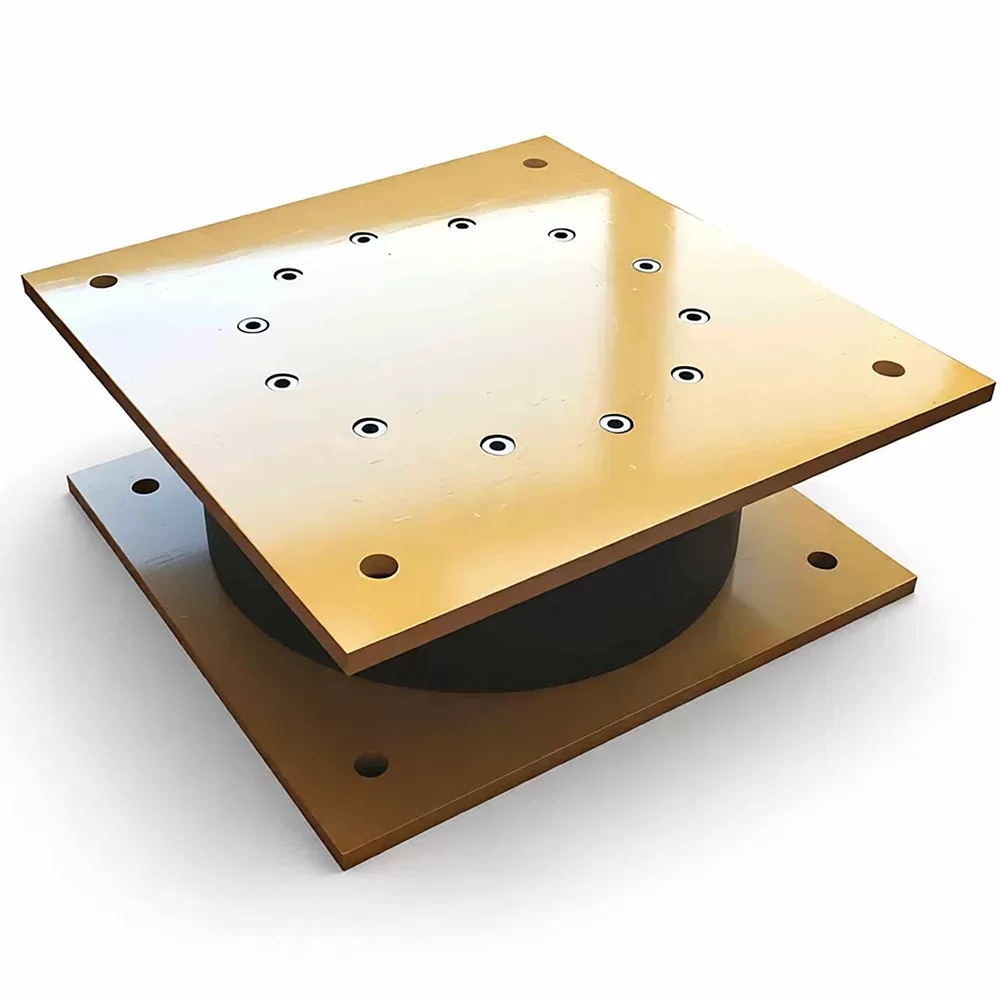
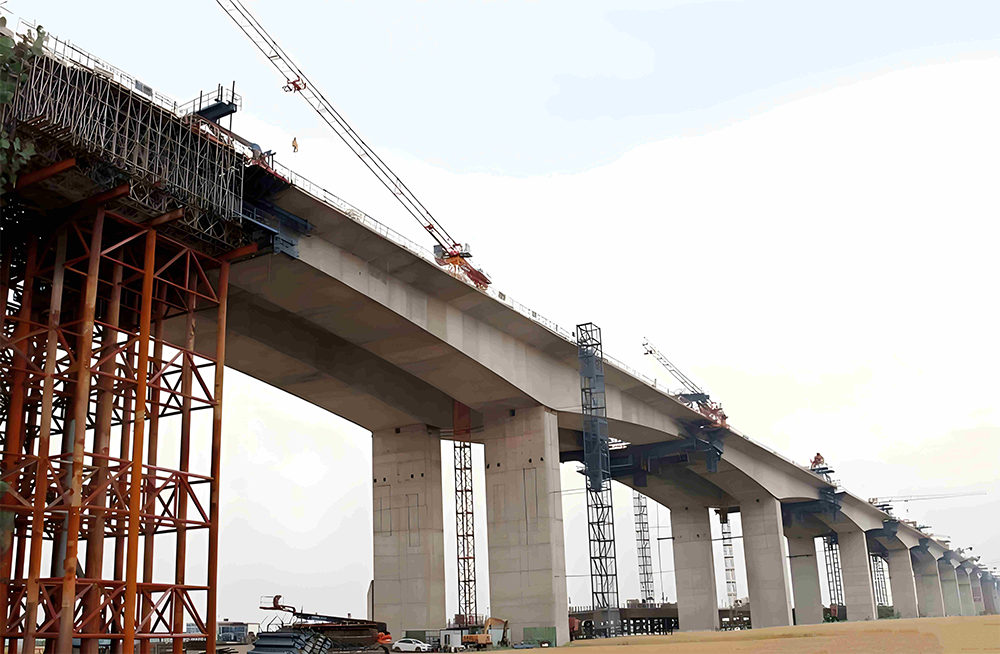
Modern bridge engineering requires structural systems to accommodate dynamic movements while supporting massive dead and live loads. As environmental conditions fluctuate and traffic volumes increase, bridge decks undergo continuous thermal expansion, contraction, concrete creep, shrinkage, and rotation. Managing these forces without causing structural distress to the supporting piers and abutments is a primary challenge in civil engineering. The use of an elastomeric bridge bearing provides a reliable solution to this challenge, serving as the flexible interface that absorbs translational and rotational movements while transferring vertical loads safely to the substructure.
To ensure structural longevity, engineers must understand the mechanics of elastomeric materials, the influence of internal reinforcement, and the factors governing long-term performance under diverse environmental conditions. KINGWORK manufactures and supplies structural components designed to address these complex requirements, offering solutions that adhere strictly to international design standards and quality control protocols.
1. Fundamental Mechanics and Material Composition
The operational effectiveness of an elastomeric bridge bearing relies on the intrinsic physical properties of the elastomer and the structural configuration of the bearing assembly. Elastomers possess high elasticity and the capacity to undergo significant shear deformation without losing structural integrity, returning to their original shape once the external force is removed.
Natural Rubber vs. Neoprene (Polychloroprene)
Civil engineers generally select between two primary elastomeric compounds based on the environmental exposure and thermal demands of the project site:
Natural Rubber (Polyisoprene): This material exhibits excellent low-temperature flexibility, high tensile strength, and superior resistance to tear and fatigue. Natural rubber is often preferred in colder climates where synthetic elastomers might stiffen excessively, potentially transferring high horizontal forces to the substructure.
Neoprene (Polychloroprene): Neoprene offers enhanced resistance to ozone degradation, oil, chemical exposure, and atmospheric weathering. It is highly suitable for coastal environments, industrial areas, or regions subject to high solar radiation. Neoprene maintains stable mechanical properties across a broad temperature range, though its low-temperature performance must be carefully formulated with appropriate plasticizers for extreme climates.
The Integration of Internal Steel Shims
An unreinforced block of elastomer will bulge significantly under vertical compressive loads, leading to high vertical strain and excessive lateral expansion. To restrict this lateral bulging while maintaining shear flexibility, thin carbon steel plates—known as steel shims—are laminated between individual layers of the elastomer. These steel shims are chemically bonded to the rubber during the vulcanization process under high pressure and temperature.
The presence of these steel reinforcements limits lateral deformation of the rubber layers, which increases the compressive stiffness of the bearing. However, the horizontal shear stiffness remains relatively unaffected, allowing the elastomeric bridge bearing to accommodate large horizontal displacements with minimal resistance. This dual capability is fundamental to isolating the bridge piers from destructive horizontal shear forces.
Understanding the Shape Factor
The behavior of an elastomeric bearing under compression is largely determined by its shape factor ($S$). The shape factor is defined as the ratio of the loaded area of a single elastomer layer to the lateral surface area free to bulge. For a rectangular bearing, the formula is expressed as:
$$S = \frac{L \cdot W}{2 \cdot t \cdot (L + W)}$$
Where $L$ is the length, $W$ is the width, and $t$ is the thickness of a single elastomer layer. A higher shape factor restricts lateral bulging, resulting in higher compressive stiffness and load-bearing capacity. Conversely, a lower shape factor provides greater flexibility but reduces the maximum vertical load the bearing can support without experiencing excessive deformation.
2. Key Structural Design Parameters and Calculations
Designing an elastomeric bearing system involves balancing vertical load-carrying capacity, rotational capacity, and shear displacement. Structural designers must calculate these parameters to prevent premature failure of both the bearing and the adjacent concrete elements.
Shear Modulus ($G$)
The shear modulus is the key material property governing the horizontal stiffness of the bearing. It determines the horizontal force transmitted to the bridge substructure when the superstructure translates. Standard specifications, such as AASHTO LRFD or EN 1337-3, typically define nominal shear modulus values ranging from 0.8 MPa to 1.2 MPa at a standard temperature of 23°C.
As temperatures decrease, the shear modulus of both natural rubber and neoprene increases. At extreme sub-zero temperatures, crystallization can cause the elastomer to stiffen significantly. Structural designers must account for this temperature-dependent behavior during the design phase to prevent excessive horizontal force transmission to the bridge columns during winter thermal contractions.
Rotational Capacity
Bridge girders deflect under traffic loads, creating rotational movements at the support points. The elastomeric bearing must accommodate these rotations without experiencing lift-off or excessive compressive strain at the edges. Lift-off occurs when the compressive stress on one side of the bearing drops to zero, which can lead to localized slip and increased wear. The rotational capacity is governed by the thickness of the individual elastomer layers; thicker layers generally allow for greater rotational angles but reduce the overall vertical stiffness of the assembly.
Horizontal Displacement and Shear Strain
The maximum horizontal displacement ($\Delta$) caused by thermal changes and concrete shrinkage determines the required total thickness of the elastomer ($h_{rt}$). To prevent shear failure of the elastomer, the shear strain ($\gamma$) must be kept within safe limits. The shear strain is calculated as:
$$\gamma = \frac{\Delta}{h_{rt}}$$
According to typical engineering standards, the design shear strain under serviceability limit states should not exceed 50% to 70% of the total elastomer thickness. This conservative design margin ensures the elastomer remains well within its elastic range throughout its operational lifespan, preventing fatigue cracking and physical degradation.
3. Mitigating Common Structural Failures and Industry Challenges
Despite their durability, elastomeric bearings can suffer from degradation if design, manufacturing, or installation processes are compromised. KINGWORK utilizes controlled manufacturing environments and strict quality checks to address these common industry pain points:
Steel-Rubber Delamination: This issue occurs when the adhesive bond between the steel shims and the elastomer fails under cyclic loading. Delamination is often caused by poor surface preparation of the steel plates prior to vulcanization or inadequate vulcanization pressure. To prevent this, the steel shims must undergo rigorous shot-blasting and chemical degreasing, followed by the application of heat-activated bonding agents.
Ozone Cracking: Exposure to atmospheric ozone can break the polymer chains in natural rubber and neoprene, leading to surface cracking perpendicular to the tensile stress. This issue is resolved by incorporating specialized anti-ozonants and antioxidants into the raw elastomer compound, forming a protective barrier that slows down oxidative degradation over decades of service.
Creep and Permanent Set: Creep is the continuous deformation of the elastomer under a constant compressive load over time. While a small amount of creep is expected, excessive creep can alter the bridge deck elevation and affect expansion joint alignment. Proper formulation of the rubber compound, including the sulfur vulcanization system, is necessary to minimize long-term creep to acceptable engineering limits.
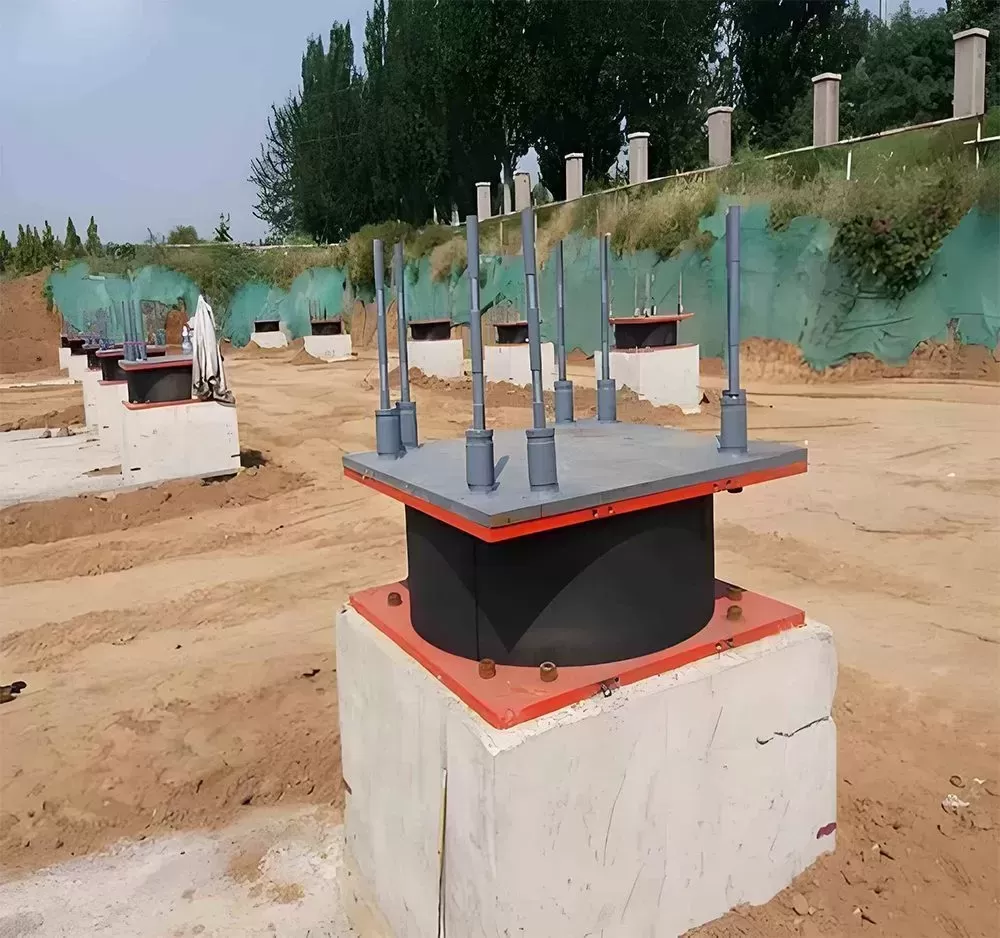
Improper Installation and Slippage: If a bearing is installed on an uneven or non-horizontal concrete pedestal, it will experience non-uniform loading, leading to localized stress concentrations. Furthermore, bearings installed without proper anchoring or external restraint can slide or walk out of position under cyclic horizontal movements. Utilizing external steel top and bottom plates (sole plates and masonry plates) with dowels or keeping the minimum average compressive stress above sliding limits helps prevent displacement.
4. Testing, Certification, and Quality Compliance
To ensure structural performance, elastomeric bearing assemblies must undergo rigorous testing regimes as specified by international engineering standards. Compliance with standards such as AASHTO M251, EN 1337-3, or ISO 22762 is non-negotiable for public infrastructure projects.
Standard Material and Physical Tests
Before any bearing is approved for installation, representative samples from the production batch must undergo a series of laboratory evaluations:
Short-Term Compression Proof Load Test: The bearing is subjected to a vertical pressure (typically 1.5 times the design service load) to check for visible defects, surface cracks, or non-uniform bulging. Any variation in bulging indicates poor bonding or misplaced steel shims.
Shear Stiffness Test: This test measures the force required to displace the bearing laterally up to its maximum design shear strain. The calculated shear modulus must fall within specified tolerances of the nominal design value.
Adhesion Bond Strength Test: This test measures the peel strength of the rubber-to-steel bond. A failure should occur within the rubber itself (cohesive failure) rather than at the interface (adhesive failure), demonstrating that the bond is stronger than the parent material.
Low-Temperature Stiffening Test: Bearings destined for cold climates are subjected to low-temperature testing to verify that the shear stiffness does not exceed acceptable limits at temperatures below freezing.
KINGWORK implements a structured testing framework for every production run, ensuring that all physical and chemical attributes of the elastomeric bridge bearing meet the exact tolerances required by the project specifications.
5. Technical Comparison of Structural Bearing Systems
To assist structural engineers in choosing the appropriate bearing system, the table below compares the performance characteristics of laminated elastomeric bearings with alternative bearing designs:
| Bearing Type | Vertical Load Capacity | Horizontal Displacement Capacity | Rotational Capacity | Maintenance Requirements |
|---|---|---|---|---|
| Laminated Elastomeric Bearing | Moderate to High | Moderate (up to 100mm) | Low to Moderate (up to 0.015 rad) | Low (Self-cleaning, no moving parts) |
| PTFE Slide Elastomeric Bearing | Moderate to High | High (unlimited sliding capacity) | Low to Moderate | Low to Moderate (requires slide path inspection) |
| Pot Bearing | Very High | High (when sliding type is used) | High (up to 0.03 rad) | Moderate (requires dust protection seals) |
| Spherical Bearing | Extremely High | High (when sliding type is used) | Very High (up to 0.05 rad) | Moderate (requires sliding surface inspection) |
While pot and spherical bearings are suitable for massive, highly complex structures with large rotational demands, the laminated elastomeric bridge bearing remains the most cost-effective, durable, and maintenance-free choice for standard highway overpasses, railway bridges, and urban viaducts.
6. Frequently Asked Questions
Q1: What is the primary difference between natural rubber and neoprene in an elastomeric bridge bearing design?
A1: Natural rubber offers superior flexibility at low temperatures and high resistance to physical tearing, making it suitable for cold environments. Neoprene provides excellent resistance to ozone, oil, and chemical weathering, making it preferred for coastal, hot, or highly industrial environments. The choice depends on the minimum ambient temperatures and atmospheric conditions of the project site.
Q2: How does the shape factor affect the load-carrying capacity of structural elastomeric bearings?
A2: The shape factor represents the ratio of the plan area to the perimeter area free to bulge. A higher shape factor means the rubber layers are thinner relative to their horizontal dimensions, restricting lateral bulging under compression. This significantly increases the compressive stiffness and load-carrying capacity of the bearing without affecting its horizontal shear properties.
Q3: What causes delamination in steel-reinforced elastomeric bearings, and how can it be prevented?
A3: Delamination occurs when the bond between the rubber and the steel shims fails under cyclic loads. This is typically caused by inadequate cleaning of the steel shims, poor application of bonding agents, or improper vulcanization parameters. It can be prevented by enforcing strict quality control during manufacturing, including shot-blasting the steel plates, using high-grade adhesives, and maintaining uniform thermal and pressure conditions during the molding process.
Q4: How do temperature fluctuations influence the performance of these bearing systems over time?
A4: Temperature drops cause the bridge deck to contract, inducing continuous shear strain on the bearing. Additionally, cold temperatures increase the shear stiffness of the elastomer. This stiffness change must be accounted for in the structural calculations to ensure that the increased shear forces transmitted to the bridge piers do not exceed their structural capacity during winter months.
Q5: What standard testing protocols are required to verify the shear modulus of a bearing before installation?
A5: The shear modulus is verified through a dual-shear testing configuration under standard laboratory temperatures. A pair of bearings is subjected to a constant compressive load while a horizontal force is applied to shear the bearings to a specified strain. The resulting load-displacement curve is used to calculate the physical shear modulus, which must align with the values specified under standards such as AASHTO M251 or EN 1337-3.
Inquiry and Engineering Consultation
Selecting the appropriate elastomeric bridge bearing system requires precise calculations, material expertise, and an understanding of the structural demands of the project. KINGWORK provides customized engineering consultations, structural design validation, and manufacturing services tailored to specific project requirements. For technical inquiries, product specifications, or project quotations, please contact our engineering department with your structural drawings, load parameters, and displacement requirements.
![Bridge Joint Types: The Complete Engineering Guide [2026 Edition]](https://www.kwbridgebearing.com/storage/non_theme/202606/024.webp)