
Elastomeric Bridge Bearings: Types, Functions, and Selection Guide
Article content and related resources
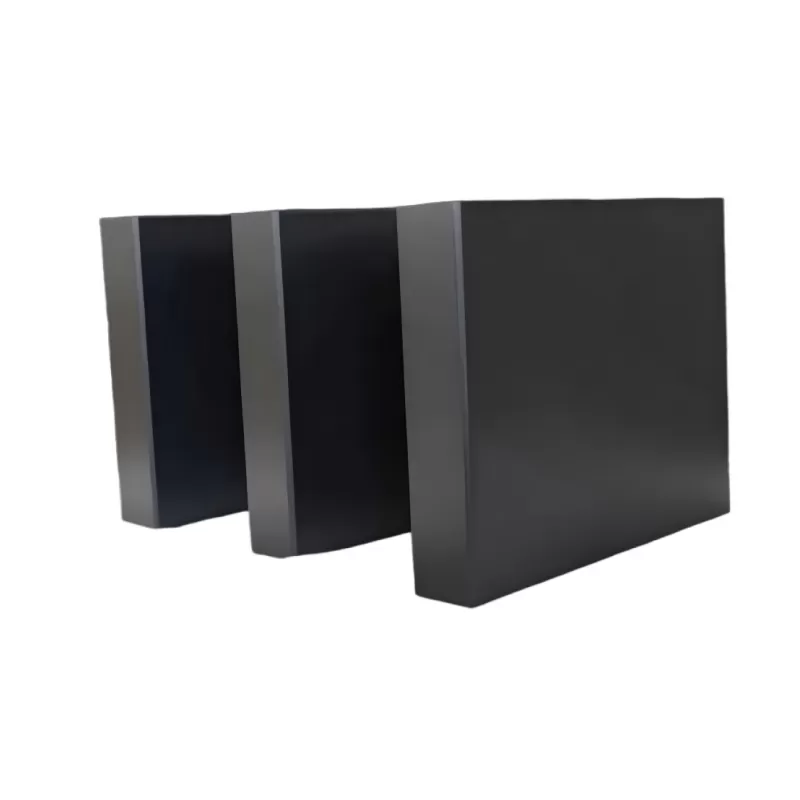
Elastomeric bridge bearings are widely used in highway bridges, railway bridges, viaducts, and municipal infrastructure projects. Installed between the bridge superstructure and substructure, they help transfer vertical loads, accommodate structural movement, and support controlled rotation caused by traffic loads, temperature changes, concrete shrinkage, creep, and girder deflection.
For contractors, EPC companies, bridge maintenance teams, and engineering buyers, selecting the right elastomeric bridge bearing is more than choosing a rubber pad by size. It is a technical decision related to service life, installation accuracy, structural safety, maintenance planning, and project documentation.
Hengshui Kingwork International Business Co., Ltd. supplies bridge bearings and expansion joint products for infrastructure projects. This article explains how elastomeric bridge bearings work, what types are commonly used, and what buyers should confirm before placing an order.
What Is an Elastomeric Bridge Bearing?
An elastomeric bridge bearing is a flexible structural bearing made mainly from rubber materials. In bridge engineering, it is used to support bridge girders or decks while allowing limited horizontal movement and rotation.
A typical laminated elastomeric bearing is made from multiple layers of elastomer and internal steel plates. The rubber layers provide flexibility, while the steel reinforcement improves vertical load capacity and dimensional stability. This structure allows the bearing to carry compressive loads while accommodating shear deformation and rotation within the design limits.
Depending on the project requirement, elastomeric bearings may be supplied as plain rubber bearing pads, laminated elastomeric bearings, neoprene bearing pads, or sliding elastomeric bearings with PTFE and stainless steel sliding components.
Common Types of Bridge Rubber Bearings
| Bearing Type | Main Structure | Key Features | Common Applications |
|---|---|---|---|
| Plain Elastomeric Bearing Pad | Solid rubber pad without internal steel reinforcement | Simple structure, flexible, suitable for limited loads and movements | Small bridges, temporary structures, light-duty support positions |
| Laminated Elastomeric Bearing | Alternating rubber layers and internal steel plates | Good balance of vertical load capacity, shear deformation, and rotation accommodation | Highway bridges, railway bridges, viaducts, municipal bridges |
| Neoprene Bearing Pad | Elastomeric pad made from chloroprene rubber | Good resistance to weathering, ozone, and outdoor exposure | Coastal bridges, outdoor bridge structures, general infrastructure projects |
| PTFE Sliding Elastomeric Bearing | Elastomeric bearing combined with PTFE and stainless steel sliding surface | Allows larger horizontal movement with reduced friction | Bridges requiring larger longitudinal or transverse displacement |
| Seismic Rubber Bearing | Lead rubber bearing or high damping rubber bearing structure | Supports vertical loads and helps dissipate seismic energy | Seismic regions, critical infrastructure, bridges requiring isolation design |
Main Functions of Elastomeric Bridge Bearings
1. Load Transmission
One of the primary functions of a bridge bearing is to transfer vertical loads from the bridge superstructure to the piers, abutments, or other supporting structures.
In bridge projects, the bearing must be designed to handle the required vertical load while maintaining stable contact between structural elements. Proper load distribution helps reduce stress concentration and supports the long-term performance of the bridge structure.
2. Movement Accommodation
Bridges are not completely fixed structures. They move due to temperature variation, traffic loading, wind effects, concrete shrinkage, creep, and other service conditions.
Elastomeric bridge bearings allow controlled horizontal movement through shear deformation of the rubber layers. This movement helps prevent excessive stress from building up in the bridge deck, girders, piers, and abutments.
3. Rotation Accommodation
Bridge girders and decks may rotate slightly under live load, dead load, or long-term structural effects. Elastomeric bearings can accommodate limited rotation, helping the bridge structure respond more smoothly to service conditions.
The allowable rotation depends on the bearing design, size, material properties, and project specification. Buyers should confirm rotation requirements with project drawings or engineering calculations before ordering.
4. Vibration and Impact Reduction
Rubber materials can help reduce certain vibration and impact effects transmitted between the superstructure and substructure. This is useful for bridges exposed to repeated traffic loads.
For projects with higher seismic requirements, special seismic isolation bearings such as lead rubber bearings or high damping rubber bearings may be considered separately according to the engineering design.
Common Types of Elastomeric Bridge Bearings
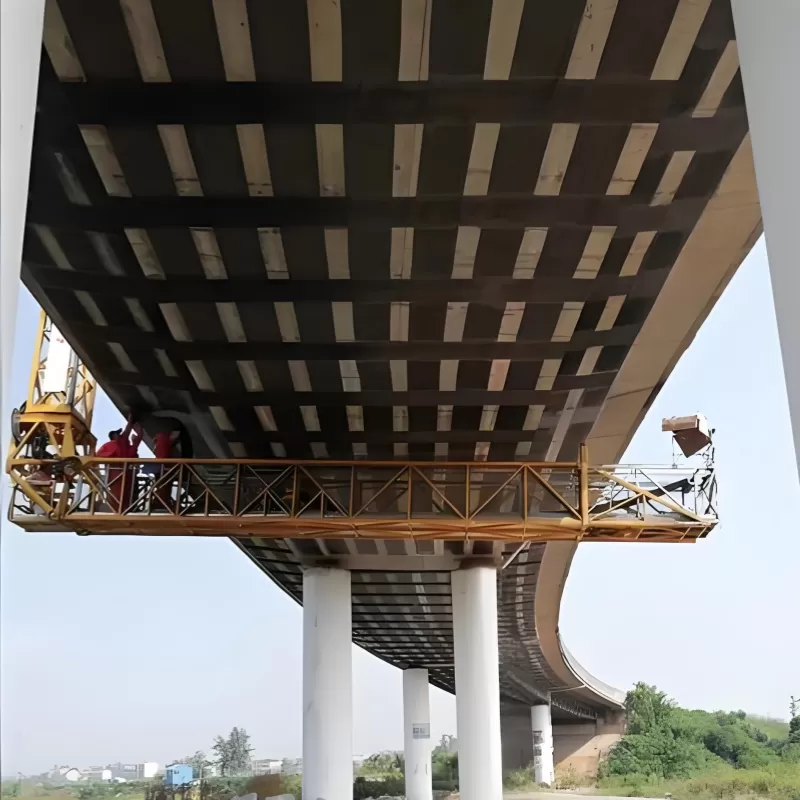
Plain Elastomeric Bearing Pads
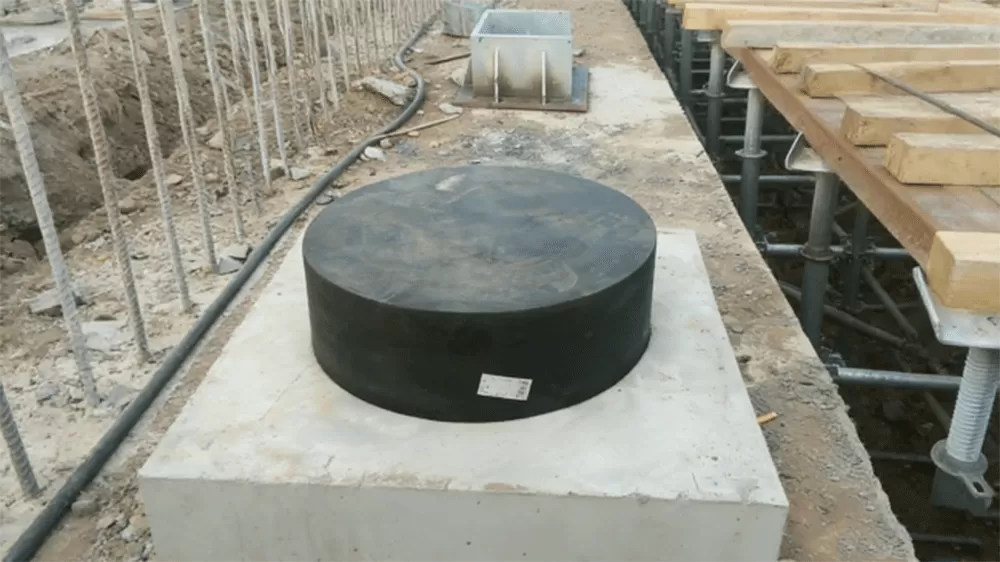
Plain elastomeric bearing pads are usually made from rubber without internal steel reinforcement. They are commonly used in lighter-duty applications or projects where the bearing is required to accommodate relatively small loads and movements.
They are simple in structure, but their suitability must still be checked according to project load, movement, rotation, and installation conditions.
Laminated Elastomeric Bearings
Laminated elastomeric bearings are made from alternating layers of rubber and steel plates bonded together during vulcanization. This is one of the most common forms of elastomeric bridge bearing.
The internal steel plates restrict excessive lateral expansion of the rubber under compression, improving load-carrying performance. At the same time, the rubber layers allow shear deformation and rotation.
This type is often used in bridge projects that require a balance between load capacity, flexibility, durability, and cost efficiency.
Neoprene Bearing Pads
Neoprene bearing pads are elastomeric bearing pads made from chloroprene rubber. Neoprene is commonly used in bridge bearing applications because of its resistance to weathering, ozone, and certain environmental conditions.
For bridges in coastal areas, industrial zones, or outdoor environments with long-term exposure, neoprene bearing pads are often considered by engineers and contractors.
The final material selection should follow project specifications and environmental requirements.
PTFE Sliding Elastomeric Bearings
For bridges requiring larger horizontal movement, an elastomeric bearing may be combined with a PTFE sliding surface and stainless steel plate. This structure helps reduce friction and allows controlled sliding movement.
Sliding elastomeric bearings are typically selected when the bridge design requires greater movement capacity than a standard laminated elastomeric bearing can provide.
Seismic Rubber Bearings
In seismic regions, lead rubber bearings and high damping rubber bearings may be used as part of a seismic isolation system. These products are designed not only to support vertical loads but also to help dissipate seismic energy and reduce the force transferred to the structure.
These bearings require detailed engineering design and should be selected according to project-specific seismic requirements.
Rubber Material Selection Guide
The performance of an elastomeric bridge bearing is closely related to the rubber material. Different materials may be selected according to climate, exposure conditions, seismic requirements, and project specifications.
| Rubber Material | Main Characteristics | Suitable Conditions | Notes for Buyers |
|---|---|---|---|
| Natural Rubber | High elasticity and good fatigue resistance | General bridge projects in moderate environments | Often used where flexibility and fatigue performance are important |
| Neoprene / Chloroprene Rubber | Good resistance to weathering, ozone, and certain environmental exposure | Outdoor bridges, coastal areas, industrial environments | Commonly used for neoprene bearing pads and bridge bearing applications |
| EPDM | Good resistance to ozone, weathering, and temperature variation | Projects with strong sunlight, outdoor exposure, or demanding climate conditions | Final use should follow project specifications and engineering approval |
| High Damping Rubber | Improved damping performance for seismic applications | Bridges or structures requiring seismic isolation design | Usually used in special seismic bearing systems and requires detailed engineering confirmation |
| Lead Rubber Bearing Material System | Rubber bearing system with lead core for energy dissipation | Seismic isolation projects | Should be selected according to seismic design requirements and project standards |
Material selection should not be decided only by price. Buyers should confirm the operating environment, project standard, expected movement, load requirements, and documentation requirements before selecting the rubber compound.
Key Factors When Selecting Elastomeric Bridge Bearings
Load Requirements
The first factor to confirm is the vertical load that the bearing needs to support. This includes dead load, live load, and any project-specific load combinations.
Buyers should provide drawings, load data, or technical specifications so the supplier can recommend a suitable bearing type and size.
Movement Requirements
Thermal expansion and contraction can create horizontal movement in bridge structures. The required longitudinal and transverse movement should be clearly defined before selecting the bearing.
If movement demand is high, a sliding bearing design may be required.
Rotation Requirements
Rotation capacity is another important factor. Excessive rotation beyond the bearing design limit may affect bearing performance and service life.
Engineering drawings or calculation documents should be used to confirm the required rotation angle.
Bearing Dimensions
Bearing length, width, thickness, rubber layer thickness, steel plate configuration, and any holes or fixing details should match the project drawings.
For replacement projects, accurate site measurement is especially important. The existing bearing type, dimensions, deformation condition, and installation space should be checked before production.
Standard and Documentation Requirements
Different markets may follow different project standards. Elastomeric bridge bearings are commonly specified according to standards or project documents such as EN 1337-3, AASHTO requirements, or local bridge engineering specifications.
Before ordering, buyers should confirm which standard is required by the project owner, consultant, or main contractor. They should also confirm what documents are needed, such as material certificates, inspection reports, dimensional records, installation instructions, or packing lists.
Buyer Checklist Before Requesting a Quotation
To receive an accurate quotation and technical recommendation, buyers should provide as much project information as possible before ordering.
| Information Required | Why It Matters |
|---|---|
| Bearing type or product name | Helps confirm whether the project needs a plain pad, laminated bearing, sliding bearing, or seismic bearing |
| Drawings or technical schedule | Reduces misunderstanding in dimensions, holes, plates, and installation details |
| Vertical load requirements | Determines whether the bearing design can support the required load |
| Movement requirements | Helps confirm shear deformation or sliding movement capacity |
| Rotation requirements | Ensures the bearing can accommodate girder or deck rotation within design limits |
| Rubber material requirement | Helps select natural rubber, neoprene, EPDM, high damping rubber, or other specified material |
| Required project standard | Confirms whether EN, AASHTO, local standards, or project-specific specifications should be followed |
| Quantity | Affects production planning, packaging, and delivery arrangement |
| Installation environment | Helps evaluate exposure to temperature, moisture, coastal conditions, chemicals, or seismic risk |
| Required inspection documents | Ensures the supplier prepares the correct material certificates, inspection records, or test documents |
| Packaging and shipping destination | Helps plan export packing, labeling, palletizing, and transportation method |
If the project is a replacement project, buyers should also provide photos of the existing bearing, current dimensions, site conditions, and any visible damage or deformation.
What International Buyers Usually Care About
Product Reliability
Bridge bearings are installed in critical structural positions. Once installed, replacement can be costly and complicated. Therefore, buyers usually pay close attention to material quality, bonding quality, dimensional accuracy, and long-term durability.
Engineering Support
Many overseas buyers need support during product selection, drawing confirmation, or document preparation. Clear technical communication helps reduce mistakes before production.
For bridge projects, it is recommended to provide the supplier with drawings, load requirements, movement requirements, project standards, quantities, and installation conditions.
Quality Traceability
For infrastructure projects, quality traceability is important. Buyers may need batch records, material information, inspection documents, and photos before shipment.
A reliable supplier should have a clear production and inspection process to support project documentation requirements.
Delivery and Packaging
Bridge bearings are heavy-duty industrial products. Proper packaging helps prevent deformation, surface damage, moisture exposure, and handling problems during transportation.
Wooden cases, pallets, labels, and packing marks should be arranged according to shipment requirements and project site handling conditions.
Cost and Long-Term Value
Price is important, but bridge bearing selection should not be based only on unit cost. A low-quality bearing may increase the risk of installation problems, early replacement, structural maintenance, and project delay.
Buyers should evaluate product suitability, technical documents, supplier communication, production capability, and after-sales support together.
How KINGWORK Supports Bridge Bearing Procurement
KINGWORK supplies bridge bearings and expansion joint products for bridge construction, replacement, and infrastructure maintenance projects. For elastomeric bridge bearings, the company can support buyers with product communication, drawing confirmation, manufacturing coordination, inspection arrangement, and export packaging.
For international buyers, clear technical confirmation before production is especially important. KINGWORK works with customers to review project requirements and prepare suitable bridge bearing solutions according to confirmed drawings and specifications.
When project documents require specific standards, testing, or certification materials, these requirements should be confirmed before production and shipment.
Conclusion
Elastomeric bridge bearings play an important role in transferring loads, accommodating movement, supporting rotation, and protecting bridge structures during long-term service. Selecting the right bearing requires more than choosing a rubber pad by size. Buyers need to consider load capacity, movement demand, rotation, material, standard requirements, documentation, installation conditions, and long-term maintenance needs.
For overseas contractors, EPC companies, bridge maintenance teams, and infrastructure buyers, working with a supplier that understands both product manufacturing and project documentation can make procurement more efficient and reduce technical risks.
KINGWORK can support elastomeric bridge bearing inquiries based on confirmed project drawings, specifications, and documentation requirements.
![Bridge Joint Types: The Complete Engineering Guide [2026 Edition]](https://www.kwbridgebearing.com/storage/non_theme/202606/024.webp)